

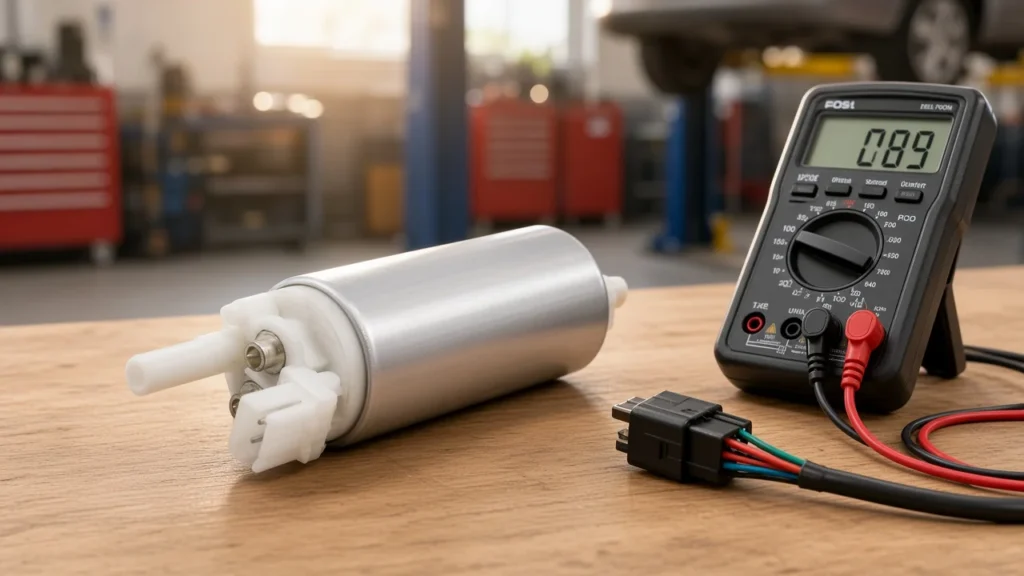
What Causes Low Voltage to a Fuel Pump: Circuit Drop, Ground, and Supply Path Causes
Low voltage at the fuel pump usually comes from circuit resistance—corroded terminals, weak grounds, relay contacts, thin wiring, or a soft battery.
Low voltage at the fuel pump usually comes from circuit resistance—corroded terminals, weak grounds, relay contacts, thin wiring, or a soft battery.
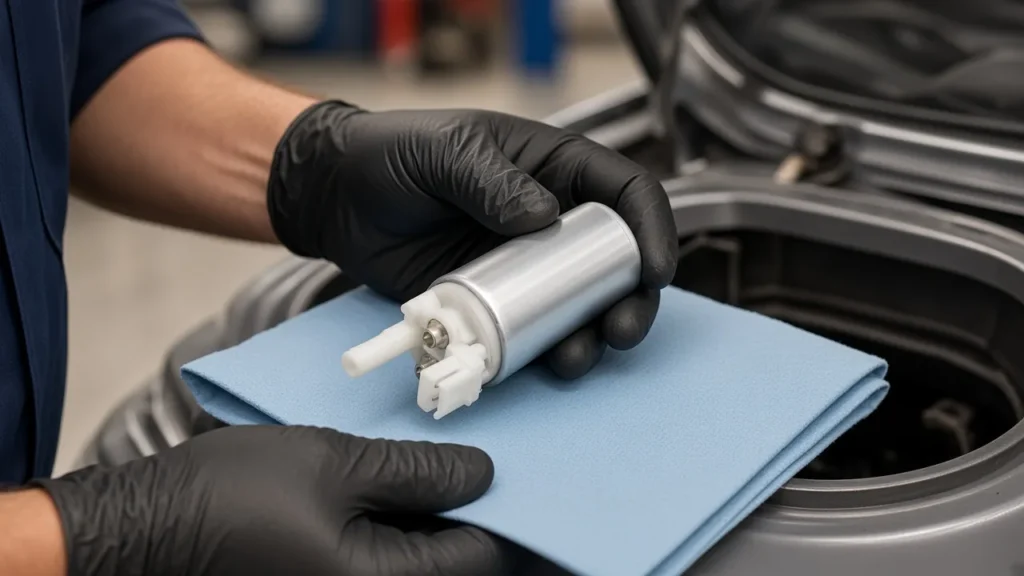
Car fuel pumps fail from dirty fuel, low-tank heat, voltage drop, and a clogged strainer. Learn the inducers buyers should check before replacing the pump.
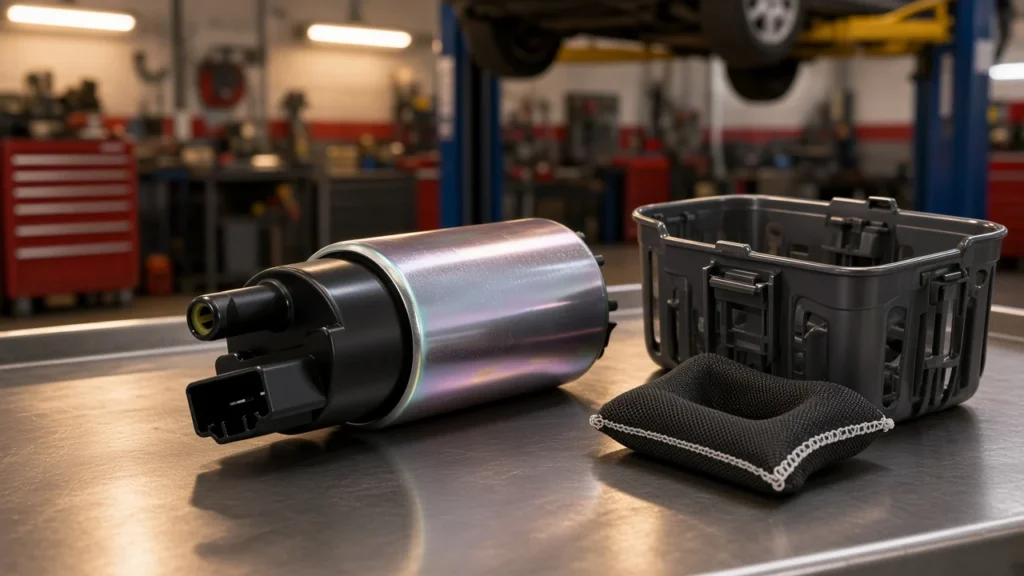
A fuel pump module can fail from rust in the basket, a clogged strainer, a burnt connector, or a worn sender. Separate those causes before replacing the unit.
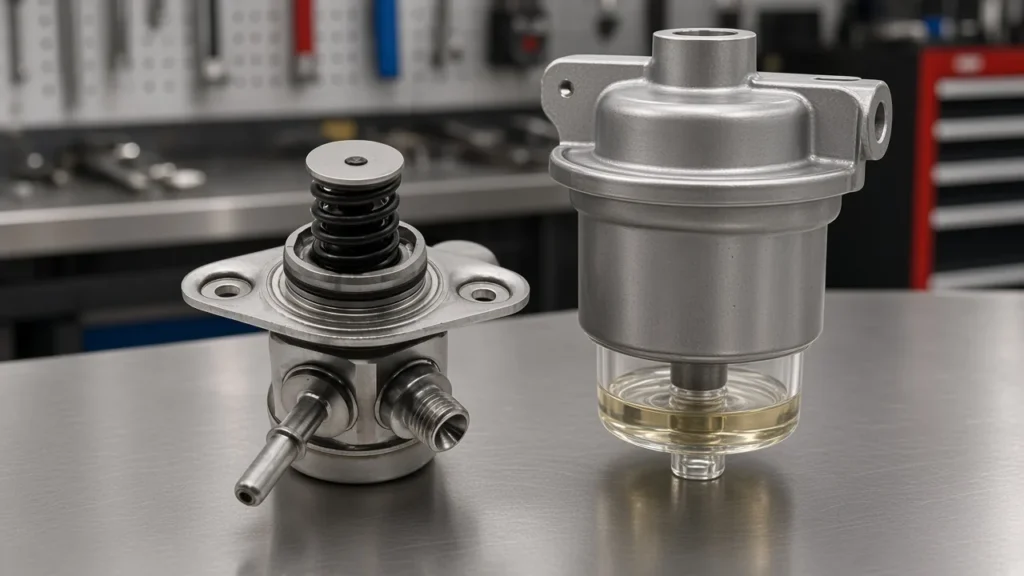
See what causes diesel fuel pump failure: water, grit, thin fuel, air, and a weak lift feed. Check the separator and filter before you blame the pump.
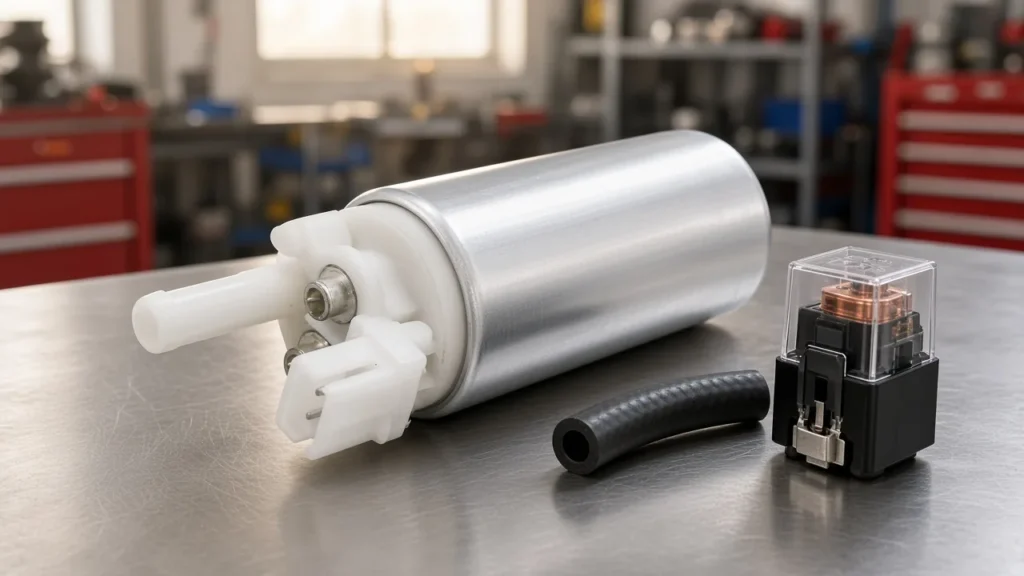
See the advantages of an electric fuel pump versus a mechanical pump, plus the wiring, noise, and service tradeoffs that decide the better real-world fit.

The most common fuel pump used in carbureted applications is usually a mechanical diaphragm type. See pressure limits, electric retrofits, and selection tips.

Learn what fuel pump fuses protect, why they blow or keep blowing, and how fuse, relay, and pump load relate—without stealing the sister test-procedure page.

Learn what causes high pressure fuel pump failure: contamination, lubricity loss, starvation/air, and install mistakes—for fleet and parts buyers.
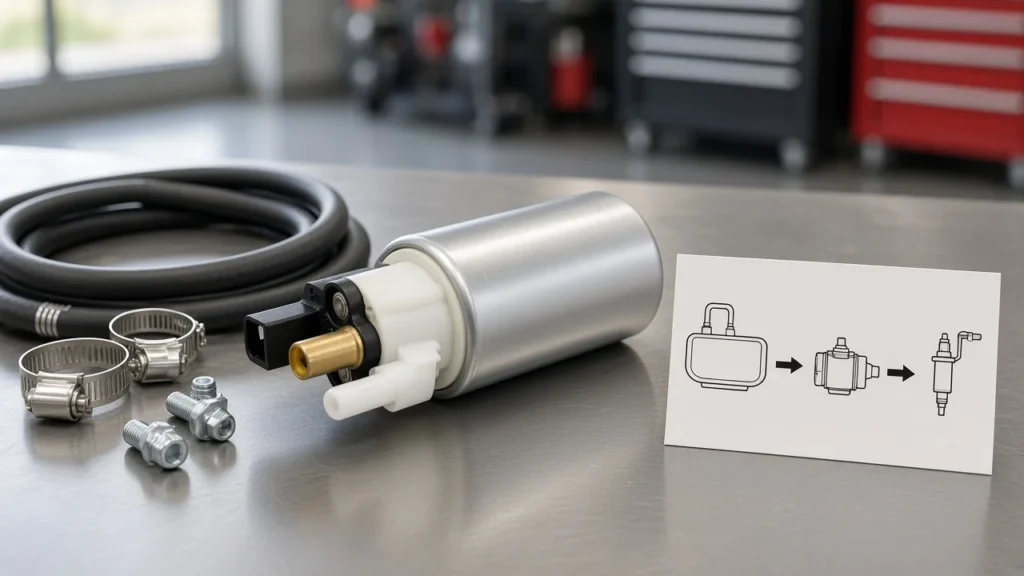
Learn what a diesel fuel pump is, how lift vs high-pressure injection stages work, and how diesel systems differ from gasoline—for shop and wholesale buyers.