

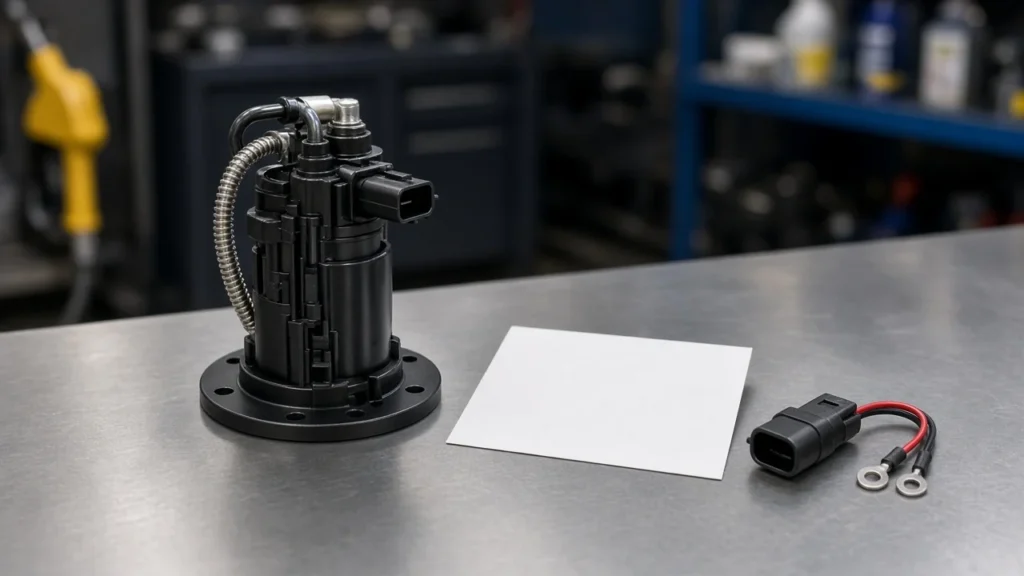
Which Fuel Pump Wiring Harness Object the Ticket Means
A fuel pump wiring harness ticket may name a full harness, pigtail/connector, or relay/fuse path. Name that object before any pump carton moves on this catalog.
A fuel pump wiring harness ticket may name a full harness, pigtail/connector, or relay/fuse path. Name that object before any pump carton moves on this catalog.
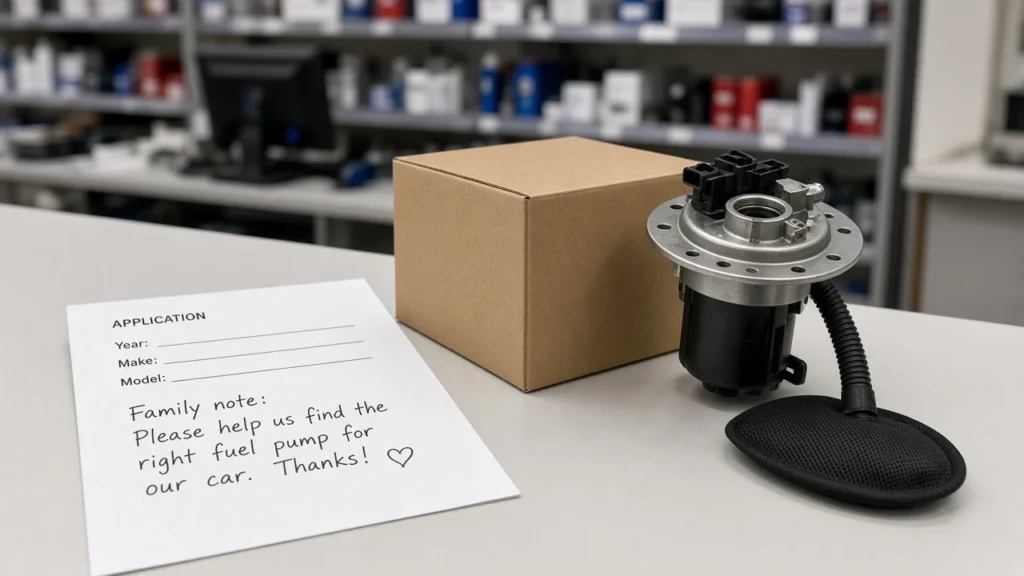
A Bosch fuel pump line names the in-tank, module, inline, or HPFP object on that sheet. This catalog has no Bosch brand SKU; KS-360501 is the C/K kit…
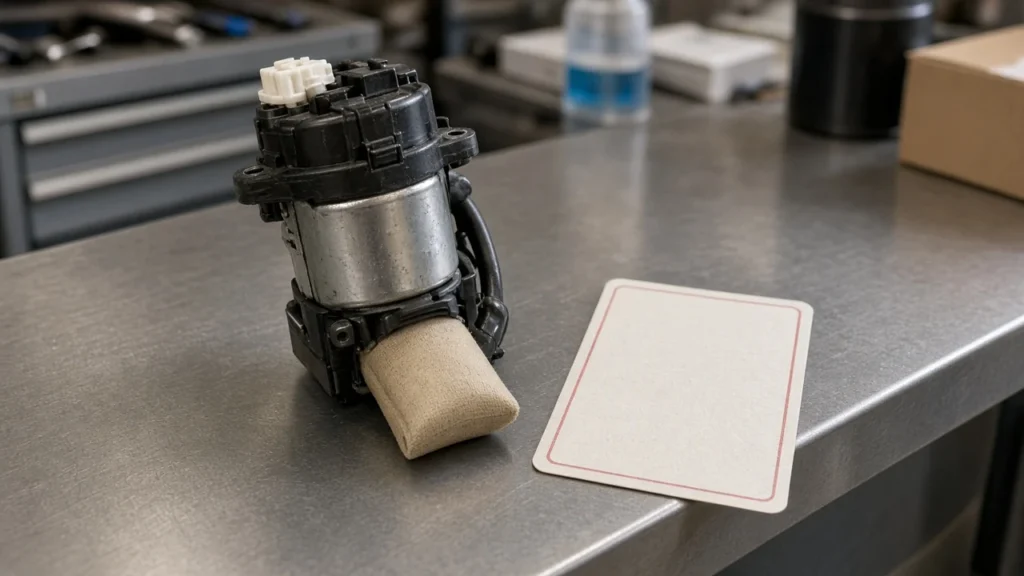
A fuel pump hanger line may name a hanger assembly, module/bucket, bare pump, or sender sister. Name the object before any carton moves on this catalog.
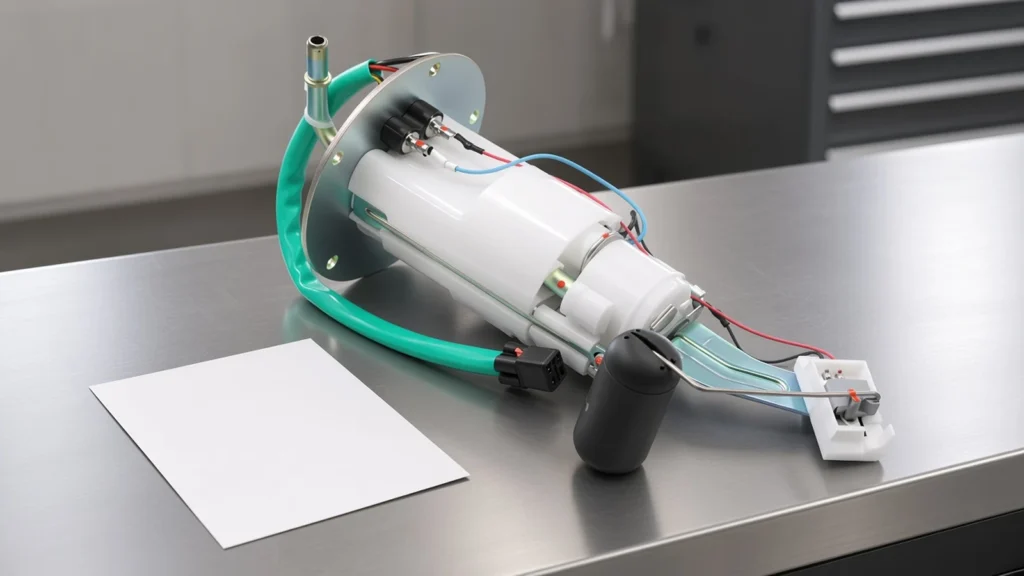
A fuel pump check valve ticket may mean an integral outlet check, a separate line valve, or a sister object. Name that object before any pump carton moves.
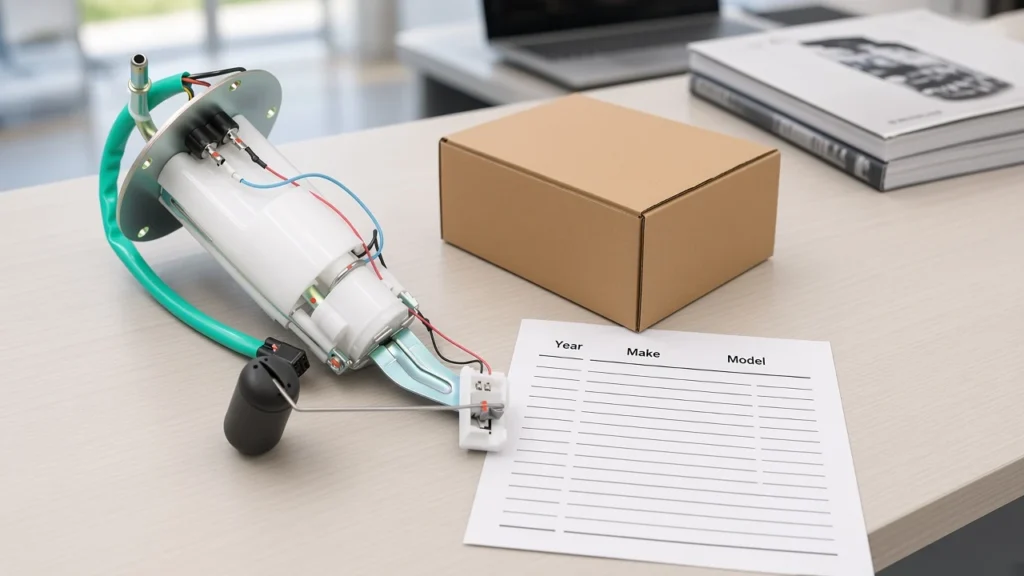
A Walbro fuel pump line names the GSS, GSL, F-number, or FR object on that sheet. This catalog has no Walbro SKU; KS-360501 is the C/K truck kit…
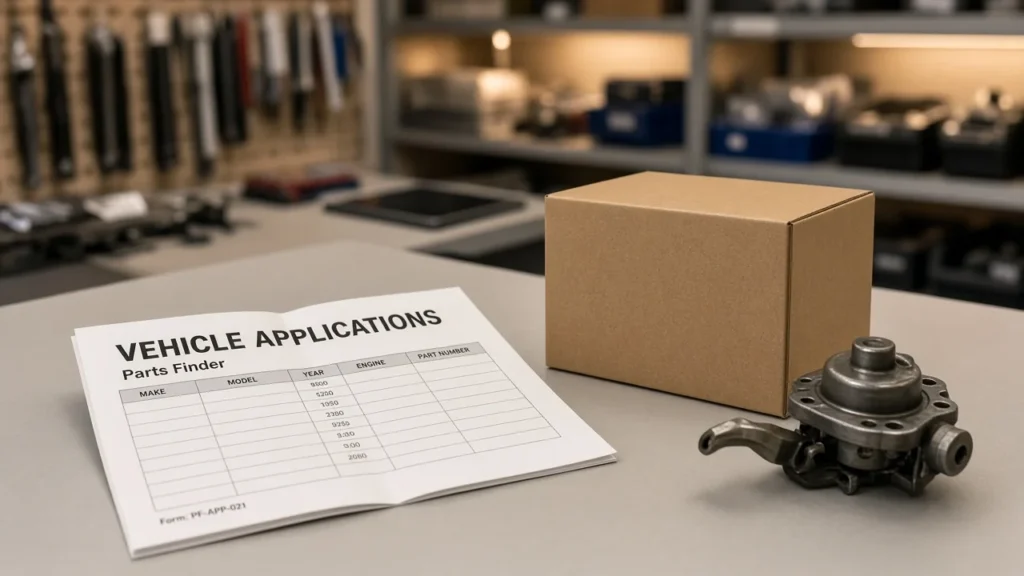
A Carter fuel pump line names the mechanical, electric, or module object on that sheet. This catalog has no Carter SKU; KS-360501 is the C/K truck kit only.
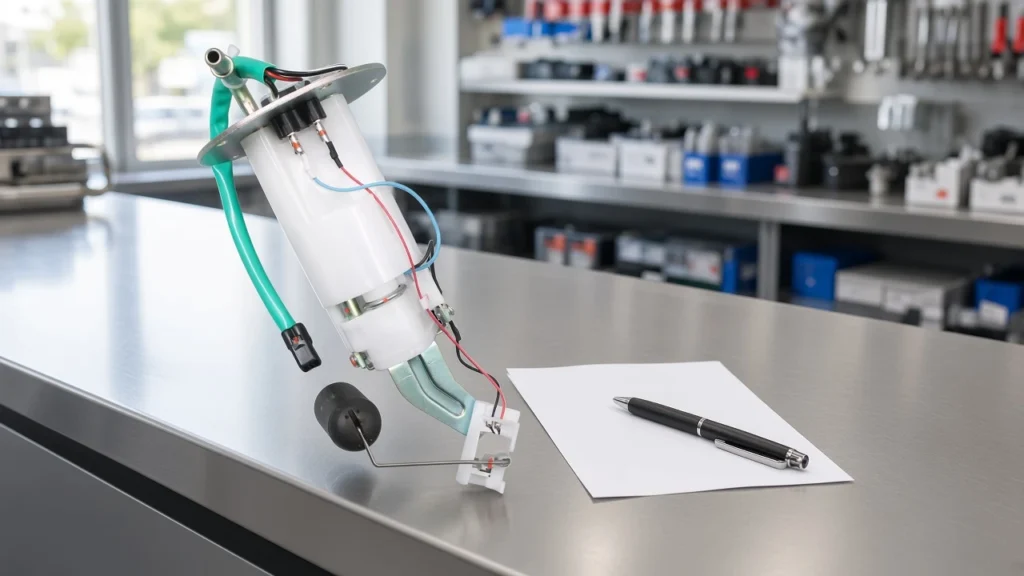
Symptoms of a bad fuel pump are ticket clusters, not carton proof. Fork fuse, relay, regulator, and starvation sisters; print a C/K kit only for 1987-1995.
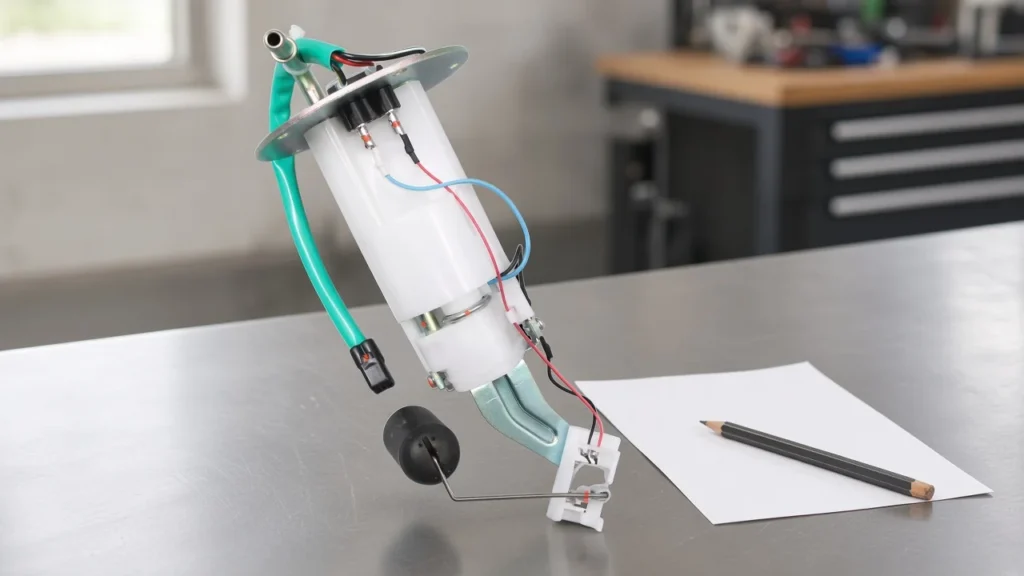
A fuel pump filter line may name a sock strainer, separate in-line filter, transfer carton, or sheet-other. Match the printed sheet; no filter bottle SKU here.
A Kohler fuel pump line names the pulse, mechanical, or electric pump on that engine sheet. This catalog has no Kohler SKU; KS-360501 is the C/K truck kit…