

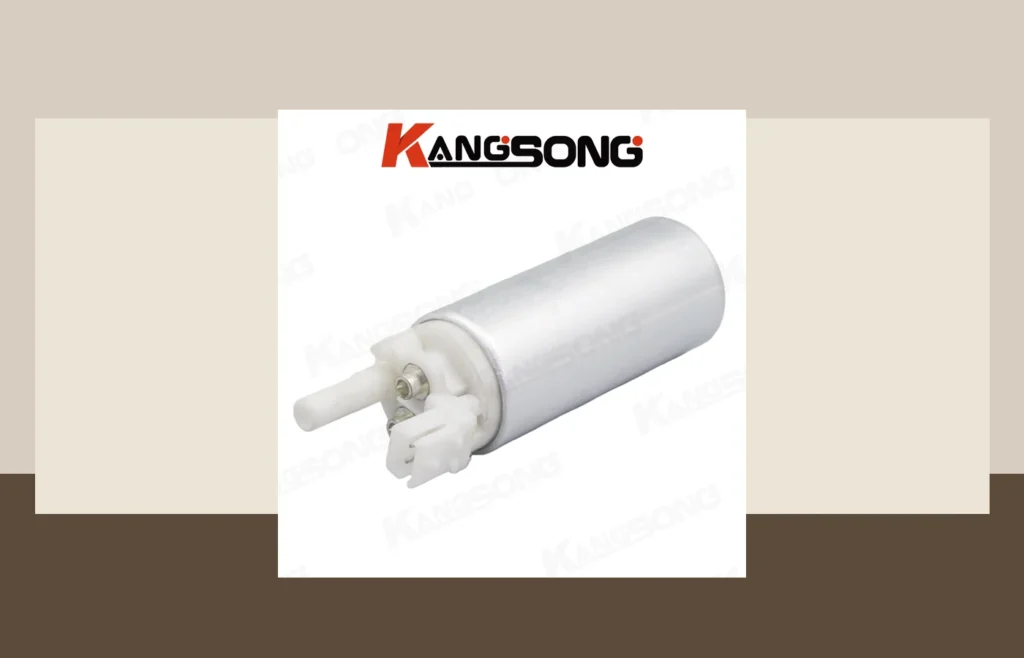
Mechanical Fuel Pump vs Electric: Cam Lever or Motor
The order is a cam-driven mechanical fuel pump or an electric motor. Read the year sheet, the cam pad, and the printed truck window before the carton is…
The order is a cam-driven mechanical fuel pump or an electric motor. Read the year sheet, the cam pad, and the printed truck window before the carton is…
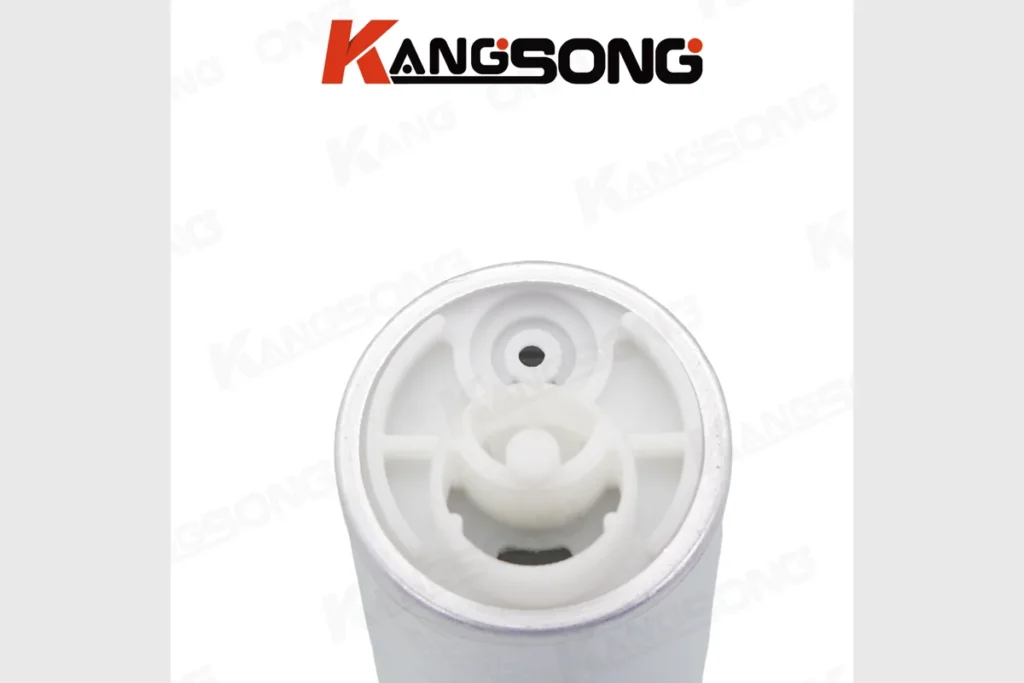
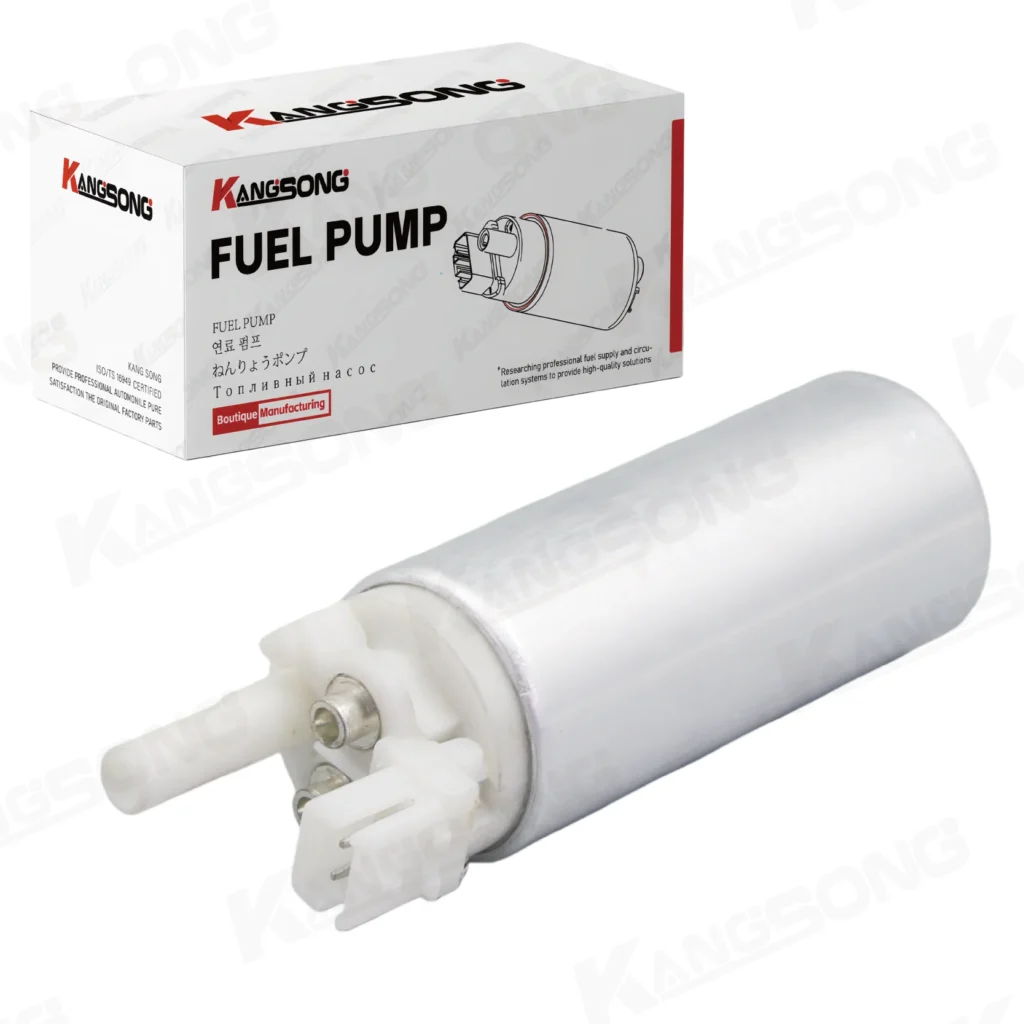
A low pressure fuel pump is the lift or supply feed on the order, not the high-pressure pump. Match a Freelander diesel window or 1987-1995 C/K gasoline kit.
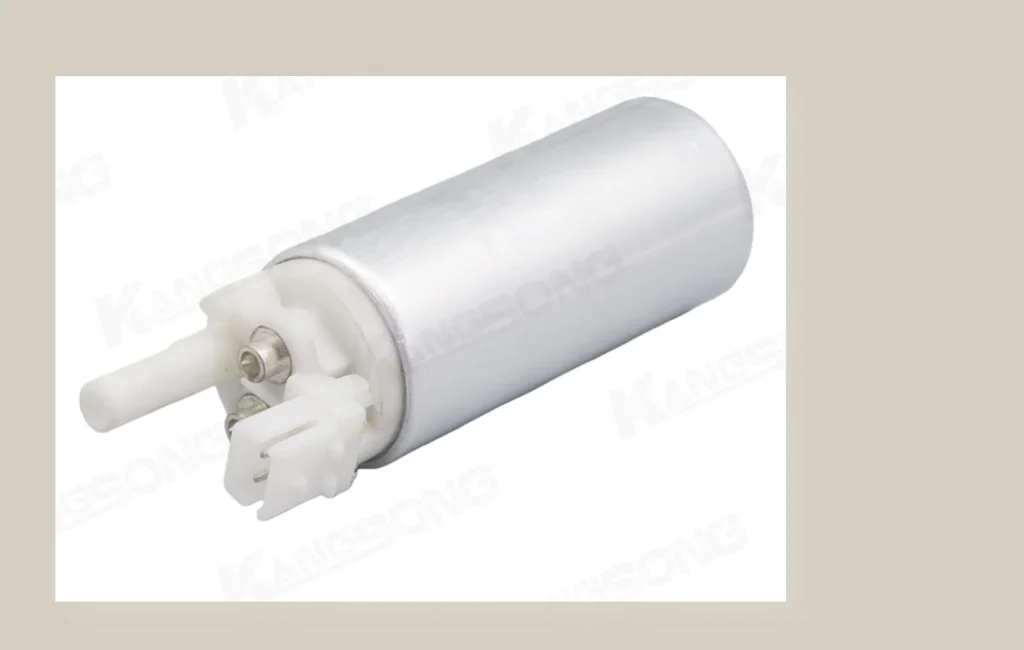
A fuel pump that will not stop after the key is off is still being fed. Name the closed device on the year sheet before a new pump…
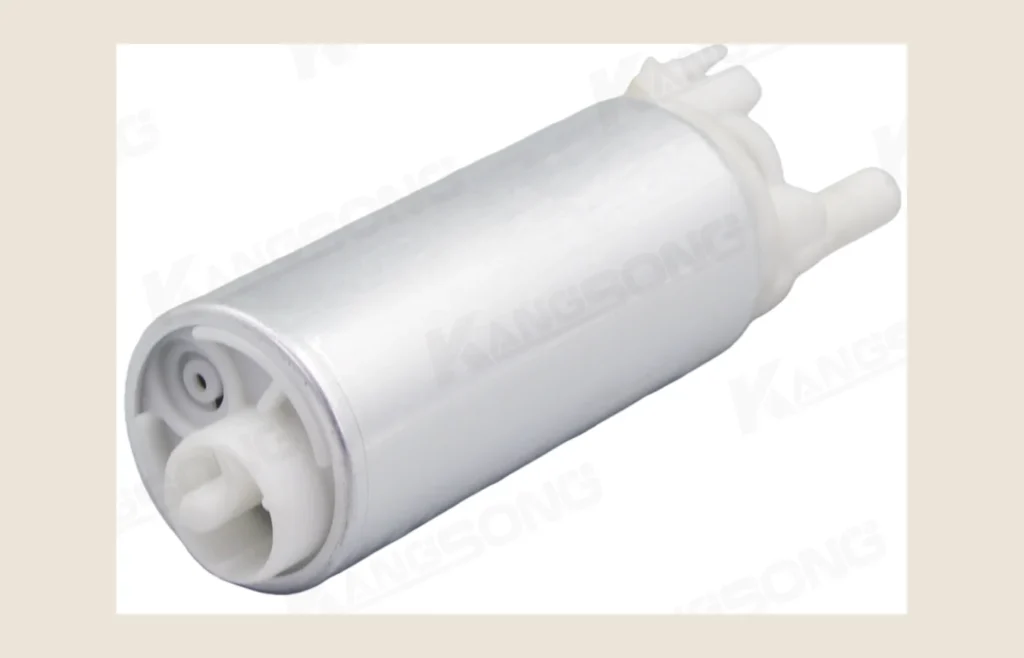
Fuel pump strainer orders must name the in-tank sock, the chassis fuel filter, or the pump element, and the listing must print that name before the quote.
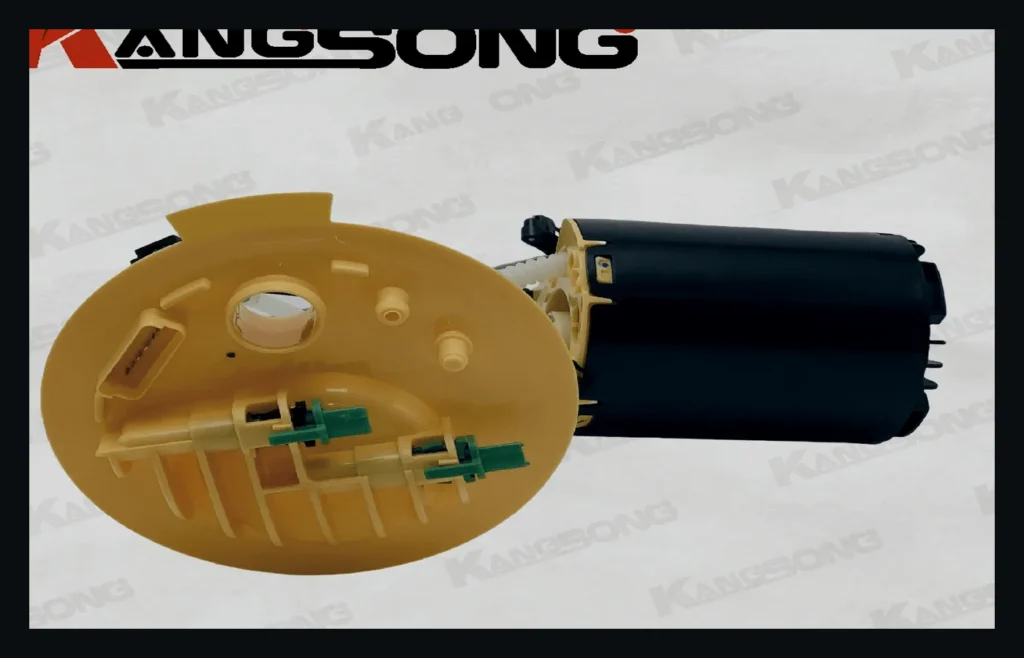
Learn how to prime a diesel fuel pump on the supply side after filter work or run-dry—hand primer, key-cycle, or bleed screw—without cranking until it fires.
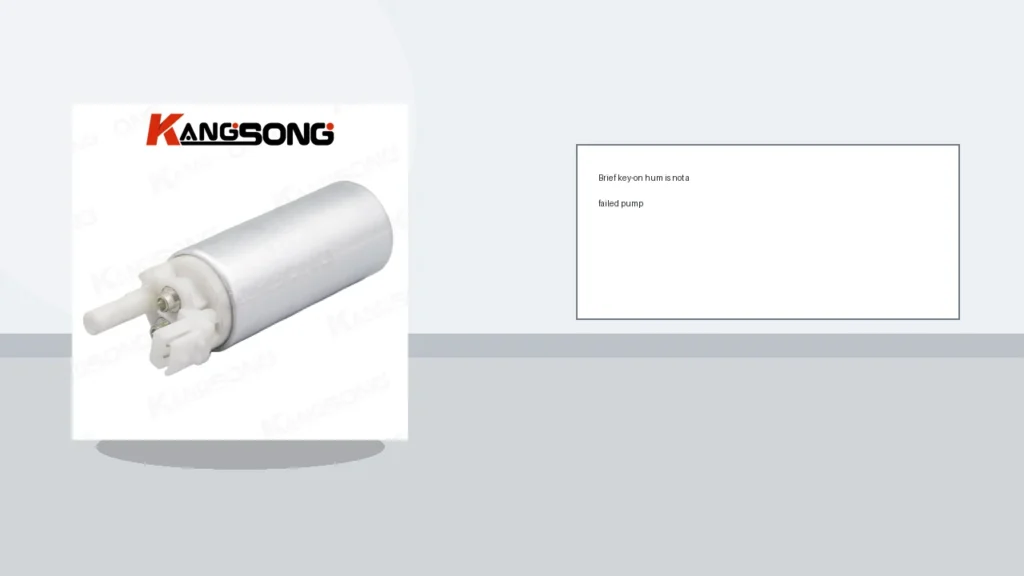
Sort a brief prime hum from a continuous fuel pump whine, check low fuel and restriction first, then order a pump only when the year window fits.
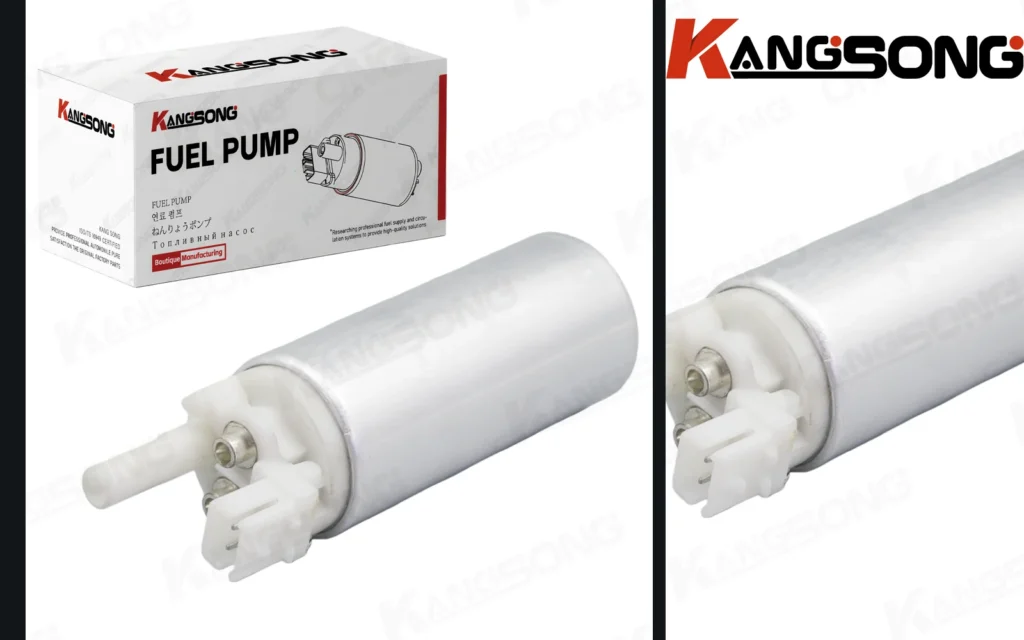
Decide if the order is a return-line regulator, an in-tank returnless regulator, or a separate adjustable regulator, and print the pressure number first.
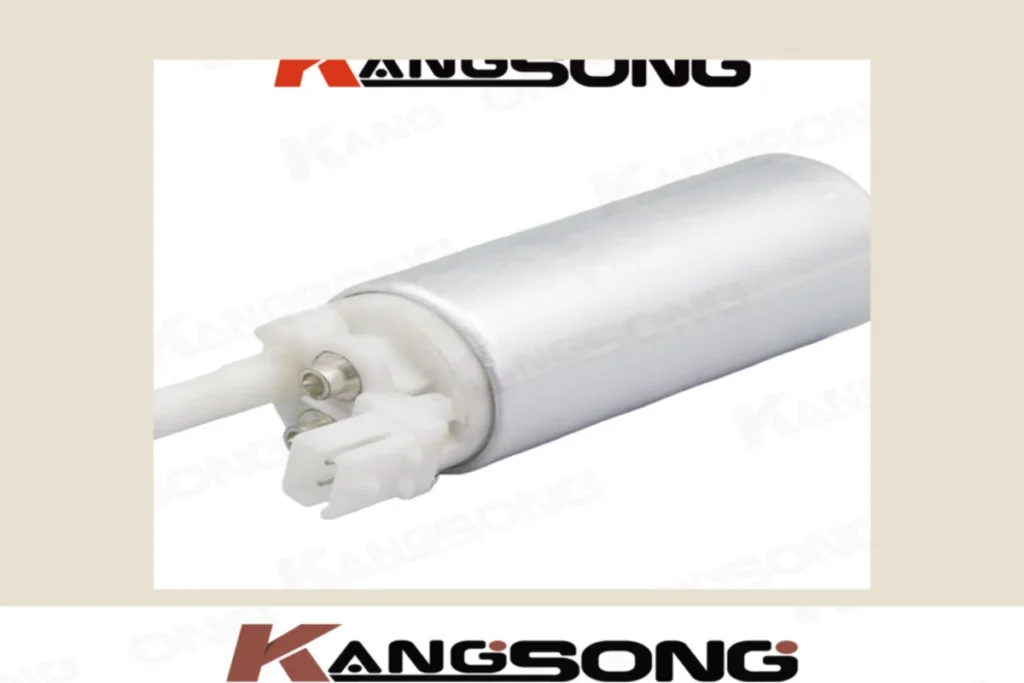
One click shows the coil pulled in during fuel pump relay clicking. It does not prove a dead pump or healthy contacts, and silence is a separate split.
Decide whether your order needs a check valve inside the inline pump or a separate quick-connect line valve, and which way fuel may move—without a delete kit.