

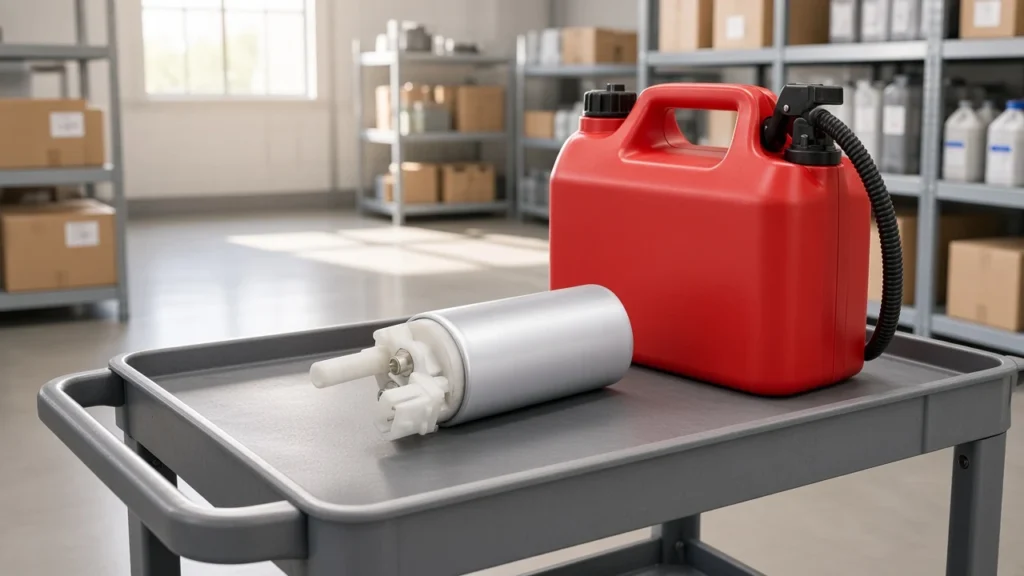
Which carton a fuel caddy with pump line is allowed to pull
A fuel caddy with pump order names the wheeled yard tank and the pump that empties it. That pump does not feed a vehicle engine on the truck…
A fuel caddy with pump order names the wheeled yard tank and the pump that empties it. That pump does not feed a vehicle engine on the truck…
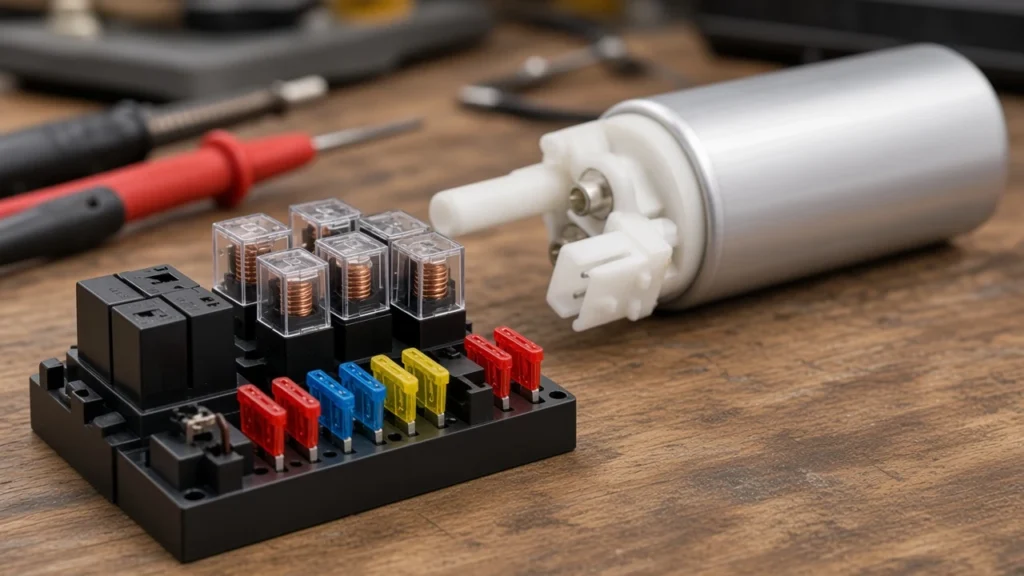
A year sheet that prints fuel pump power control module names the electronics switching pump power. Name the pump only after the sheet has moved to the pump.
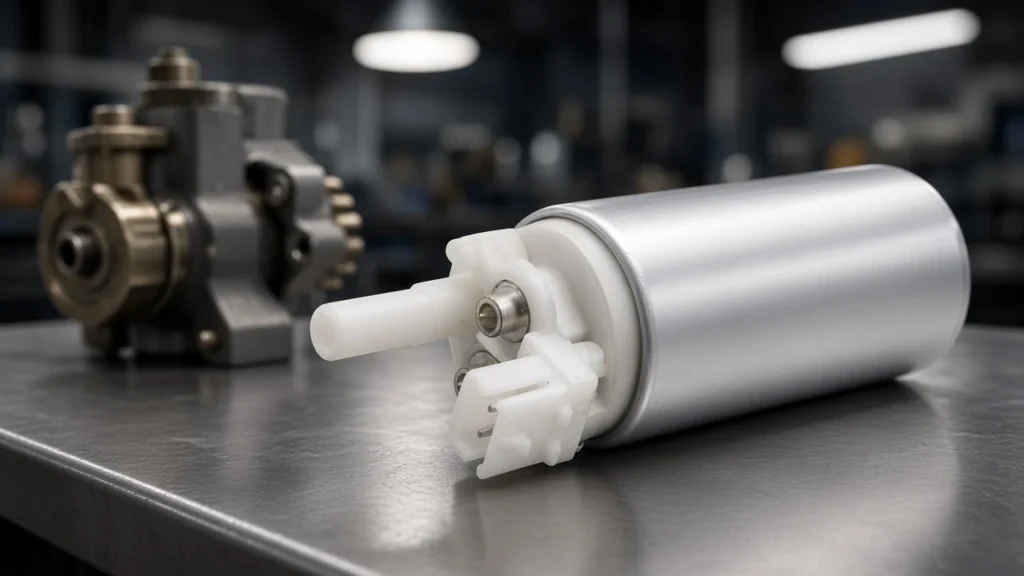
Counters treat a diaphragm fuel pump line as the cam-worked member or the mechanical pump around it. An electric motor waits for a printed electric window.
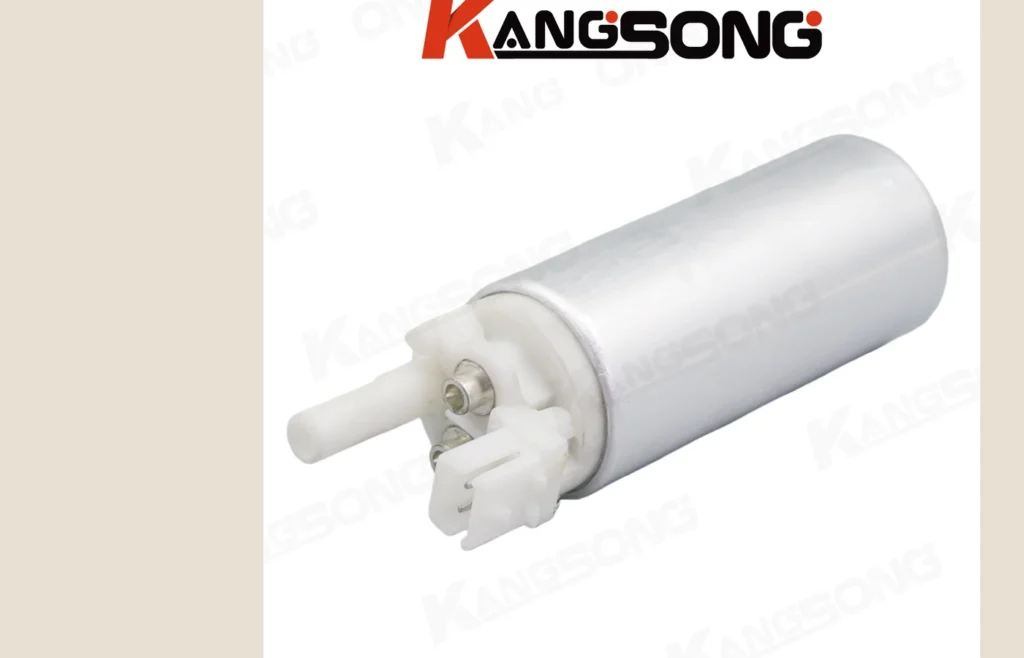
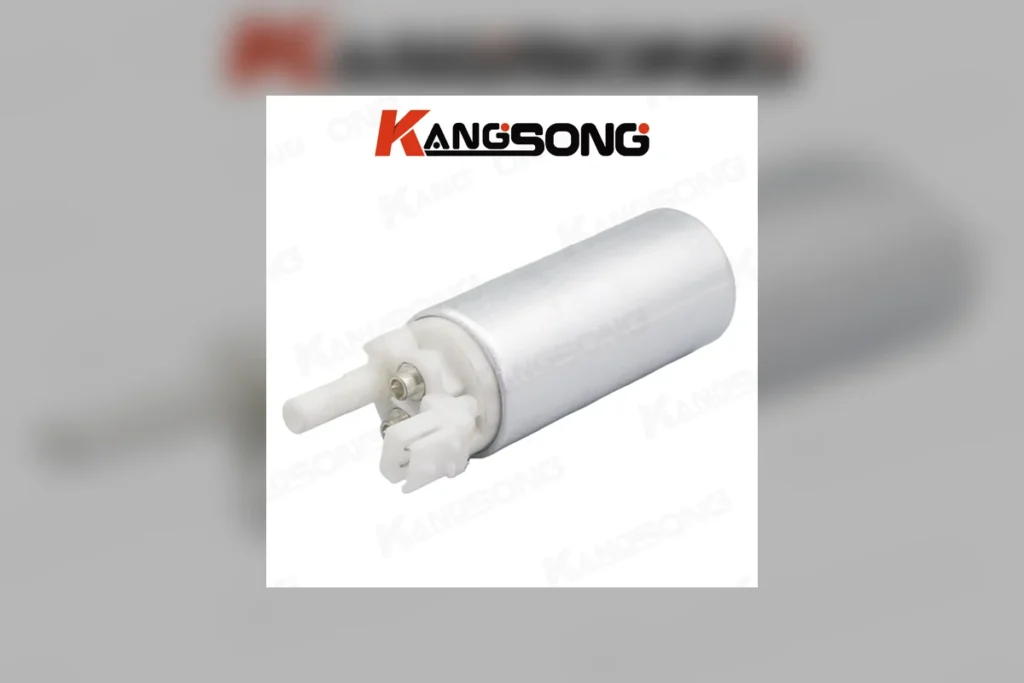
Before a carton moves, a universal electric fuel pump 12v line still needs the mount, the vehicle window, any printed flow, and the pin count on the sheet.
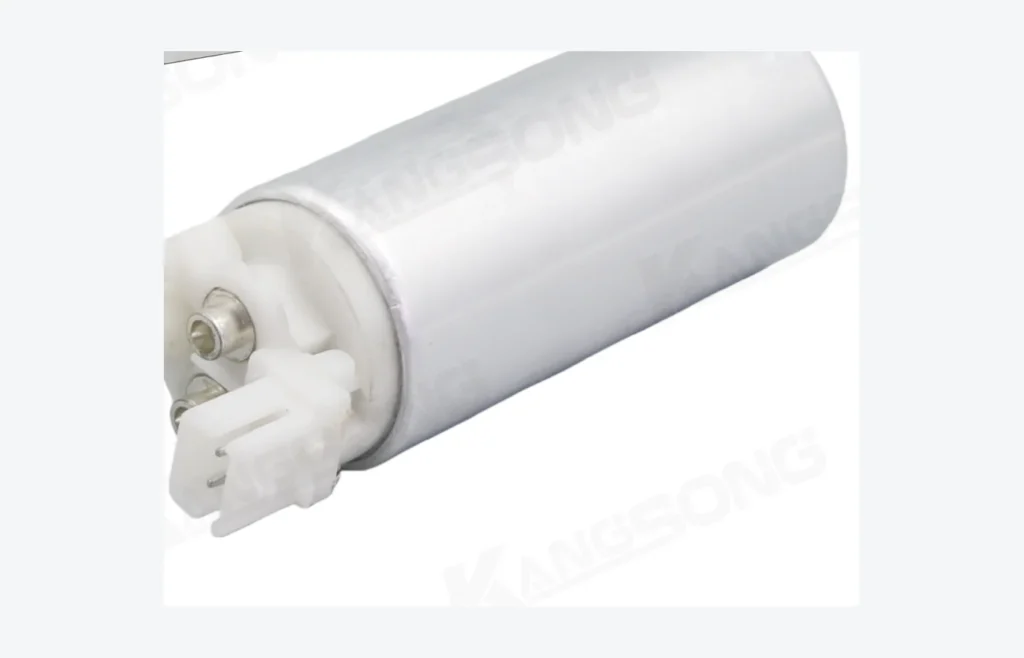
When a job leaves the printed flow, the purchase order still needs that higher number. A high flow fuel pump label alone does not change the carton.
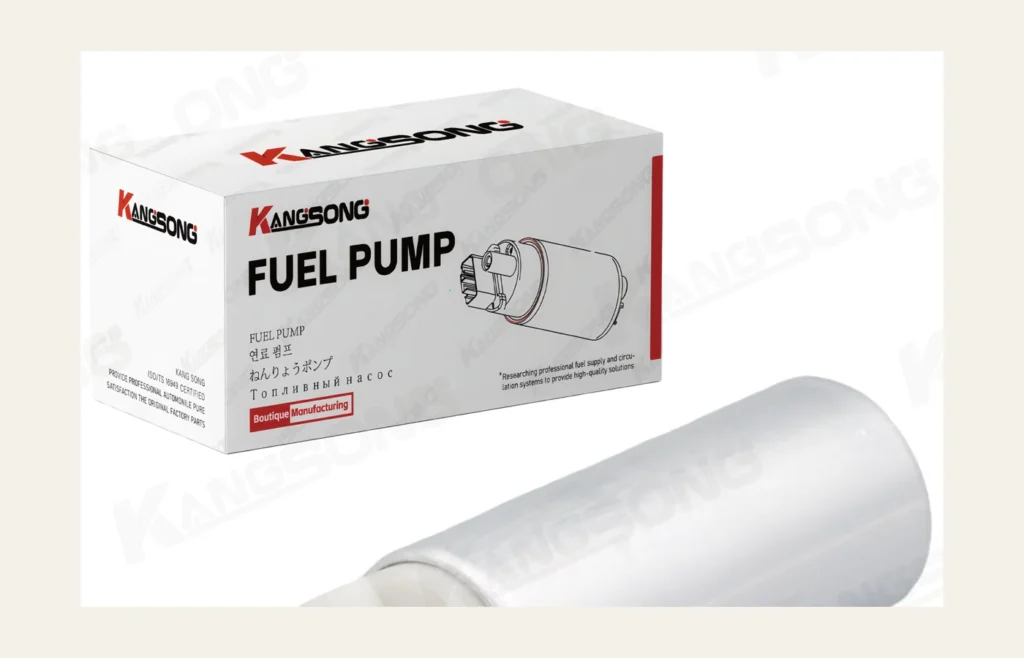
Read the year sheet before a carton moves. A fuel vapor leak detection pump is not the liquid fuel pump, and this catalog publishes no vapor-pump SKU.
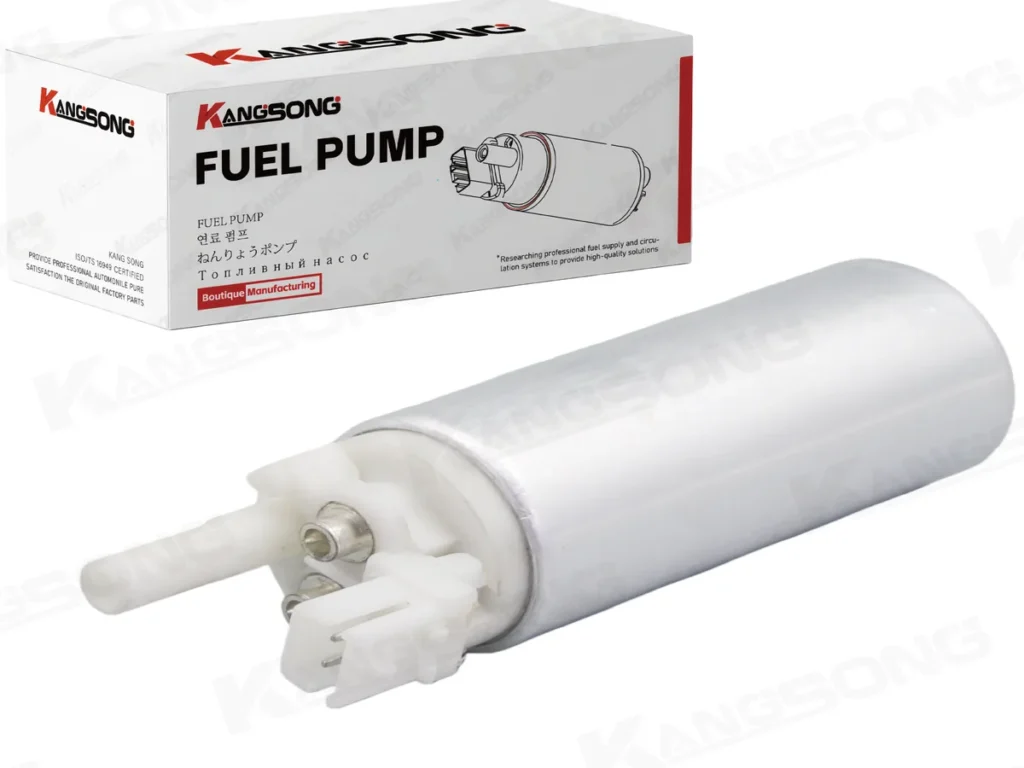
Match a fuel pump sensor line to the rail sensor, the tank-pressure sensor, or the level sender before a United States counter picks a carton today.
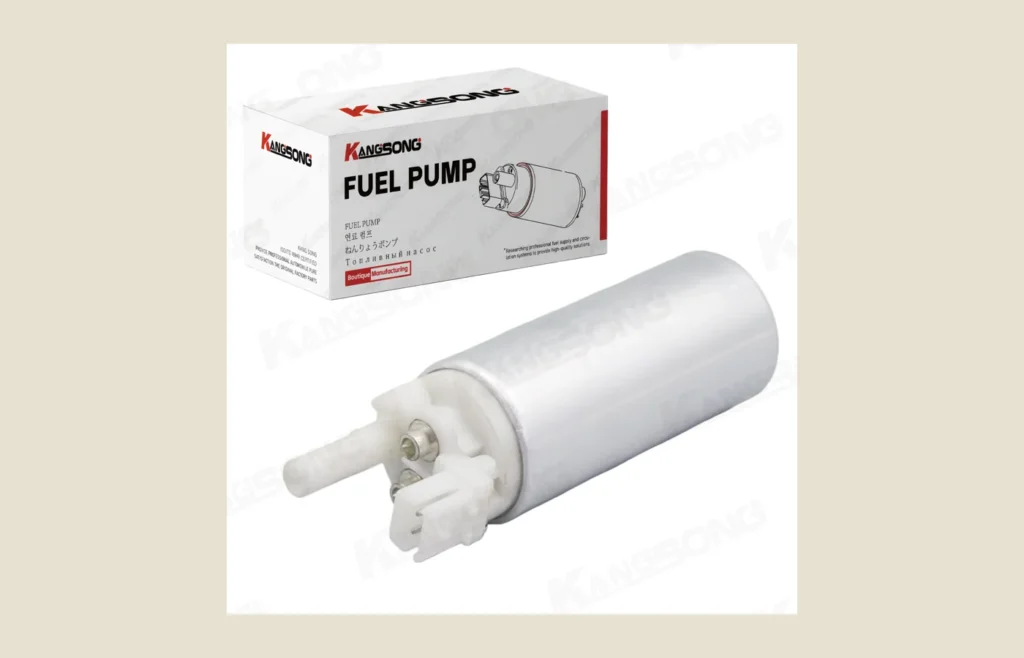
Name the fuel pump gasket on the order: block flange, tank-unit seal, or lock-ring seal, and check whether the printed pump kit already includes that seal.
Name the gauge sender or the pump motor on a fuel pump sending unit order. The year sheet picks the carton when both parts share one hanger in…