Pull the evaporative leak-detection pump when the year sheet says fuel vapor leak detection pump, and leave the liquid-fuel carton on the shelf. A counter on a United States parts desk hits this fork every time a catalog line says pump and the customer is chasing an evaporative emission control system warning.
The two names share a tank and a bad reputation. They do not share a job, a connector, or a carton. What follows is the sheet check, the air-versus-gasoline contrast, the canister mix-up, the labels on KS-360501, and the lines that stay closed.
The year sheet names one pump, not both
Read the year-sheet noun before anyone walks to the shelf. A vapor-pump line and a liquid-fuel line are different purchases, even when both sit near the tank.
On a busy counter the shorthand collapses. Someone says fuel pump, someone else says leak pump, and a carton moves because the words felt close. The sheet is the only document that picks the line.
| Sheet name | What may move | What stays |
|---|---|---|
| Evaporative leak-detection pump | Nothing from the gasoline-pump shelf | KS-360501 and every other liquid-fuel carton |
| Printed C/K gasoline pump window | KS-360501 after the title matches | Any guess that the part is a vapor pump |
| Fuel leak detection pump wording | Still the vapor side of the library | The liquid-fuel carton |
If the sheet uses fuel leak detection pump, treat that wording as the vapor side of the order. It is not a quieter way to ask for a gasoline feed pump.
Adjacent liquid-fuel reading stays on its own pages. Feed pressure for a low-pressure circuit is discussed at low-pressure fuel pumps.
The mechanical-versus-electric feed choice is at mechanical and electric fuel pumps. A sending unit that reports tank level is at fuel pump sending unit.
Those pages do not decide an evaporative leak-detection line. They stay available when the sheet has already named a liquid-fuel job.
Air in a vapor circuit is not gasoline in a feed line
Some manufacturers use a leak detection pump as a diaphragm pump that pushes air into the fuel tank and charcoal canister so the powertrain control module can watch pressure decay. That is an air test of the vapor circuit.
A liquid-fuel pump moves gasoline toward the engine. New York inspection training keeps those descriptions in different sections, which is the same split a counter needs when two cartons look equally plausible.
Important: New York inspection training separates the leak detection pump, which pumps air into the tank and charcoal canister, from the electric fuel pump that moves liquid gasoline. Source: NYVIP3 EVAP training.
The rendered overview on the live query also called the part an EVAP leak detection pump or an ESIM, electric or vacuum-operated, used to test the vapor lines. That overview never said a gasoline feed pump could stand in for it.
Shoppers still ask how the air pump works. The useful picture is short. A diaphragm and valves move air, and the control module watches whether the sealed vapor circuit holds.
Nothing in that picture is a gallons-per-hour fuel delivery rating. A counter who copies a feed-pump flow number onto a vapor-pump line has changed the part without changing the carton.
Complaints arrive as a check-engine light, a fuel odor near the rear, a slow fill, or a failed evaporative monitor. Those complaints tell you the vapor circuit is unhappy. They do not print the carton number.
A charcoal canister job stays off the fuel-pump shelf
A charcoal canister collects fuel vapors and holds them until the engine can burn them, which is a storage job rather than a fuel-delivery job. Editors on the vehicle-emissions talk page objected to filing a catalytic converter under engine efficiency, because that hardware is emission equipment.
The same filing error shows up at the counter. A canister, a purge part, and a leak-detection module all belong to the evaporative emission control system. None of them is the motor that pushes liquid gasoline down the feed line.
Video cards on the live results page put the vapor part near a rear wheel, on the canister, or on the tank, depending on the vehicle in the clip. That spread is the point. Location is a vehicle fact on the year sheet, not a single bay you can memorize for every order.
A customer who already bought a fuel pump, then a cap, then an evap part, is describing a hunt. The hunt means the first carton did not match the printed name. It does not mean the next gasoline pump will close the vapor circuit.
Pins, flow, and the air-pressure label
Once the sheet has moved to the printed liquid-fuel pump, the gasoline page can be read. Until that happens, its labels are still labels for a different part.
Working voltage on that page is DC 12V. Published flow is 43.3-49.5 gallons per hour.
Count 2 pins on the main connector listed for this page. Printed interchange numbers include 25168719 and E3902.
The title window is 1987-1995 C/K 1500, 2500, and 3500 gasoline pickup trucks. Stay inside that printed window. A neighboring year on a different truck is a different line.
The page prints Maximum Air Pressure 12-26 as an air label. Read it as an air label on the gasoline-pump page. It is not fuel pressure, and it is not an evaporative leak-test figure.
| Page label | Describes | Does not describe |
|---|---|---|
| Twelve-volt working voltage | KS-360501 gasoline pump | A vapor-module supply |
| 43.3-49.5 gallons per hour | Liquid flow on that page | A leak-check airflow |
| 2 pins | Main connector on that page | Every evaporative module |
| Maximum Air Pressure 12-26 | Air label printed on the page | Fuel pressure or an EVAP spec |
| 1987-1995 C/K title | The printed truck window | A fleet-wide vapor pump |
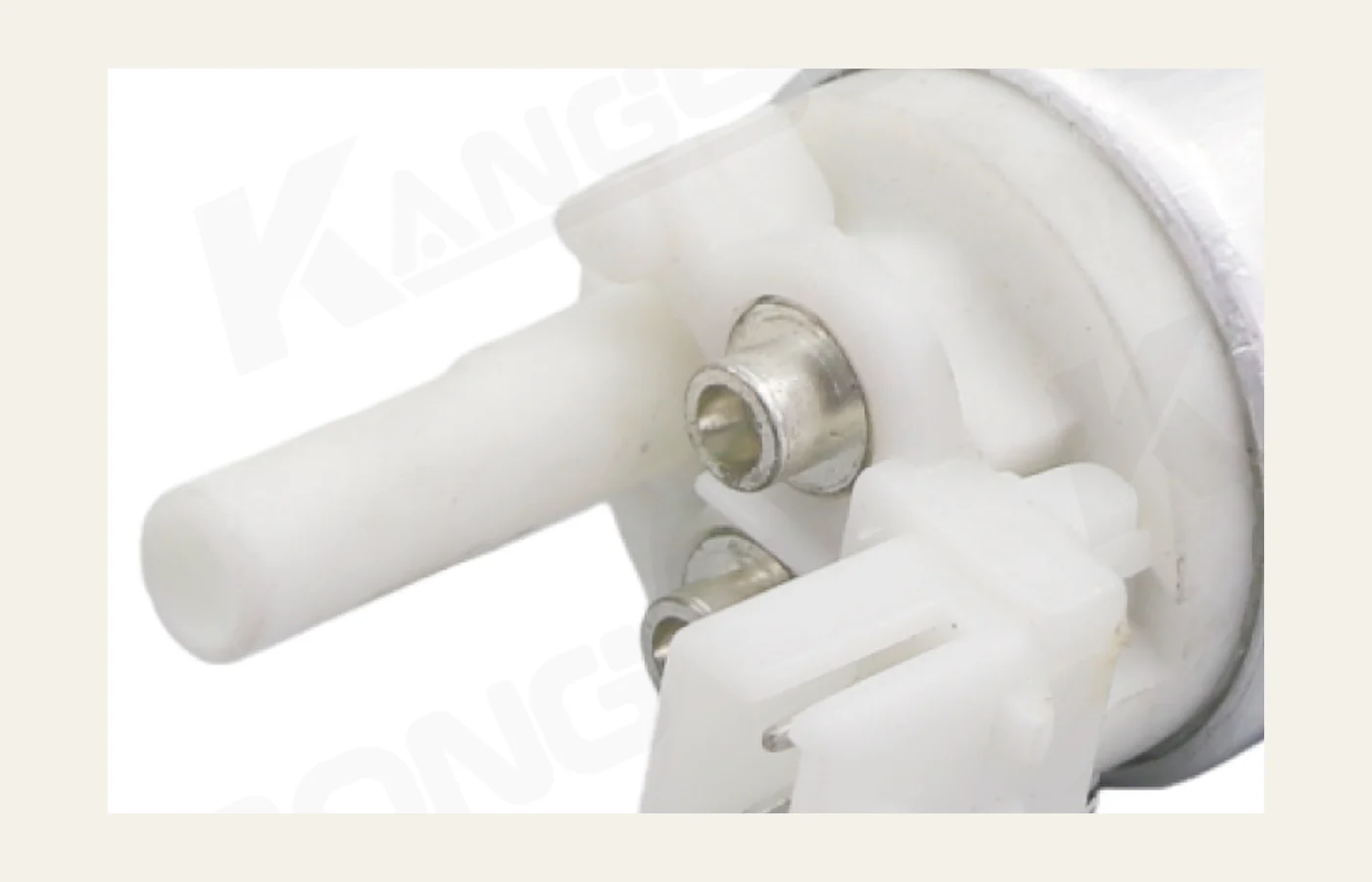
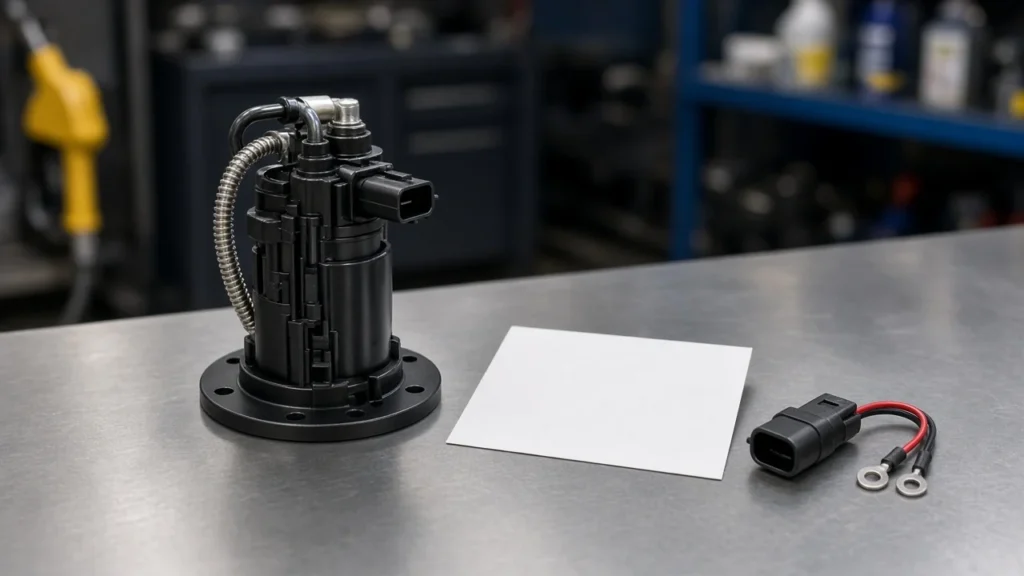
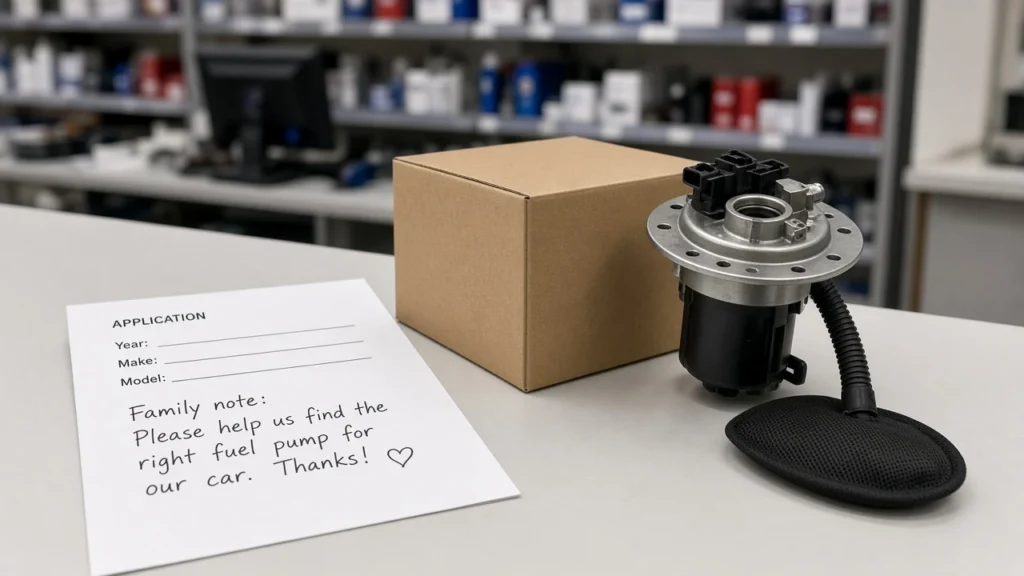
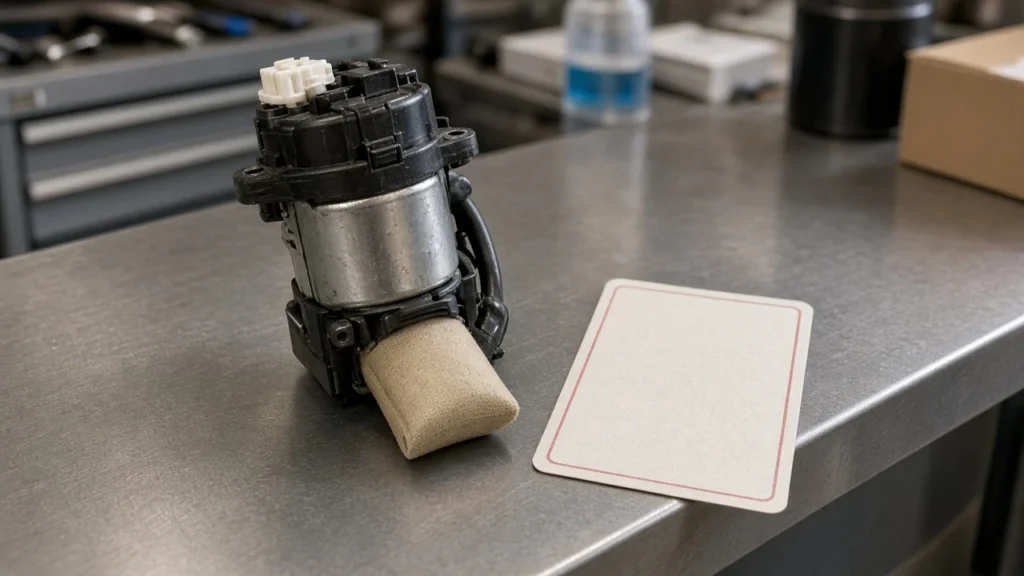
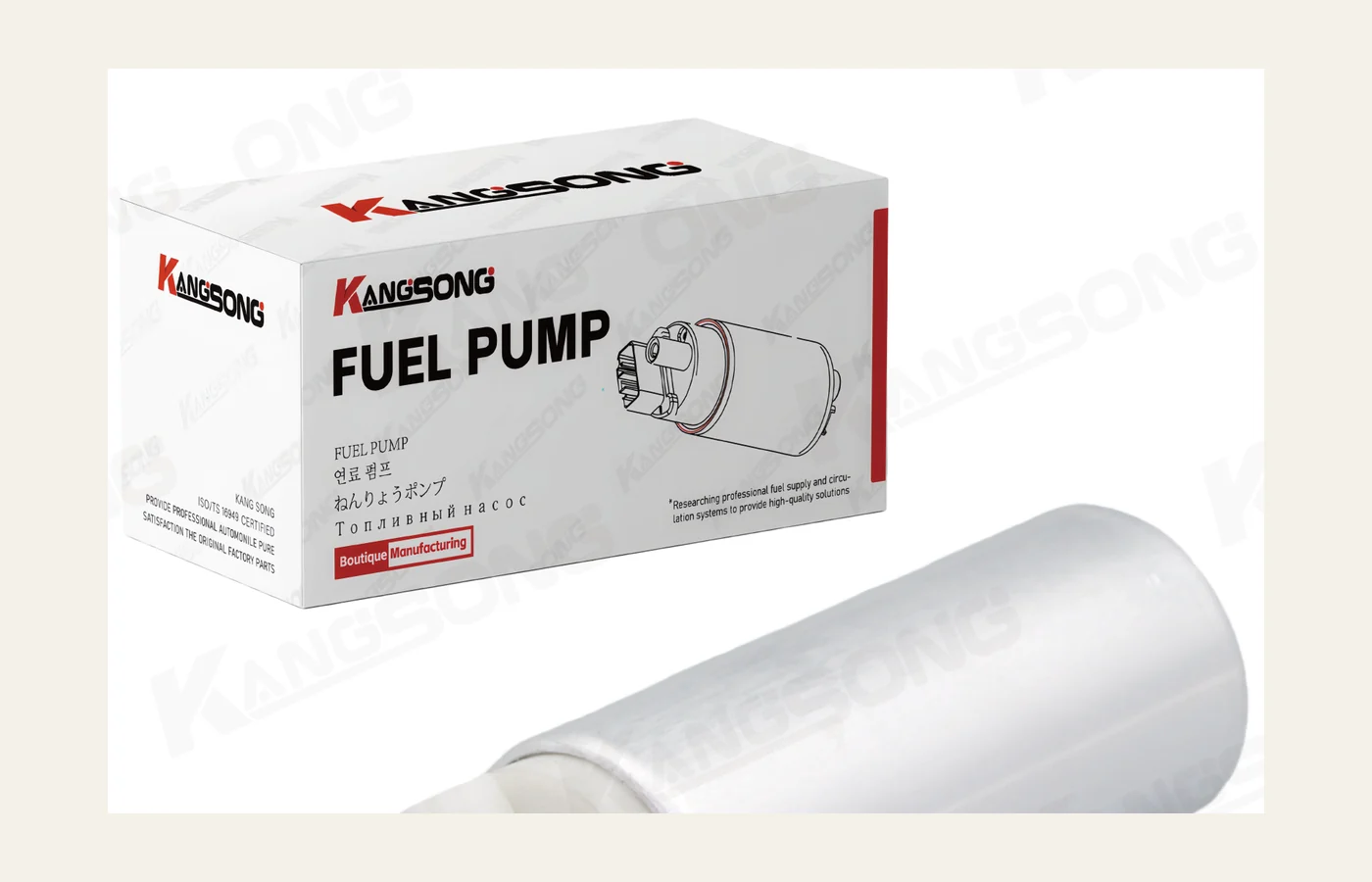
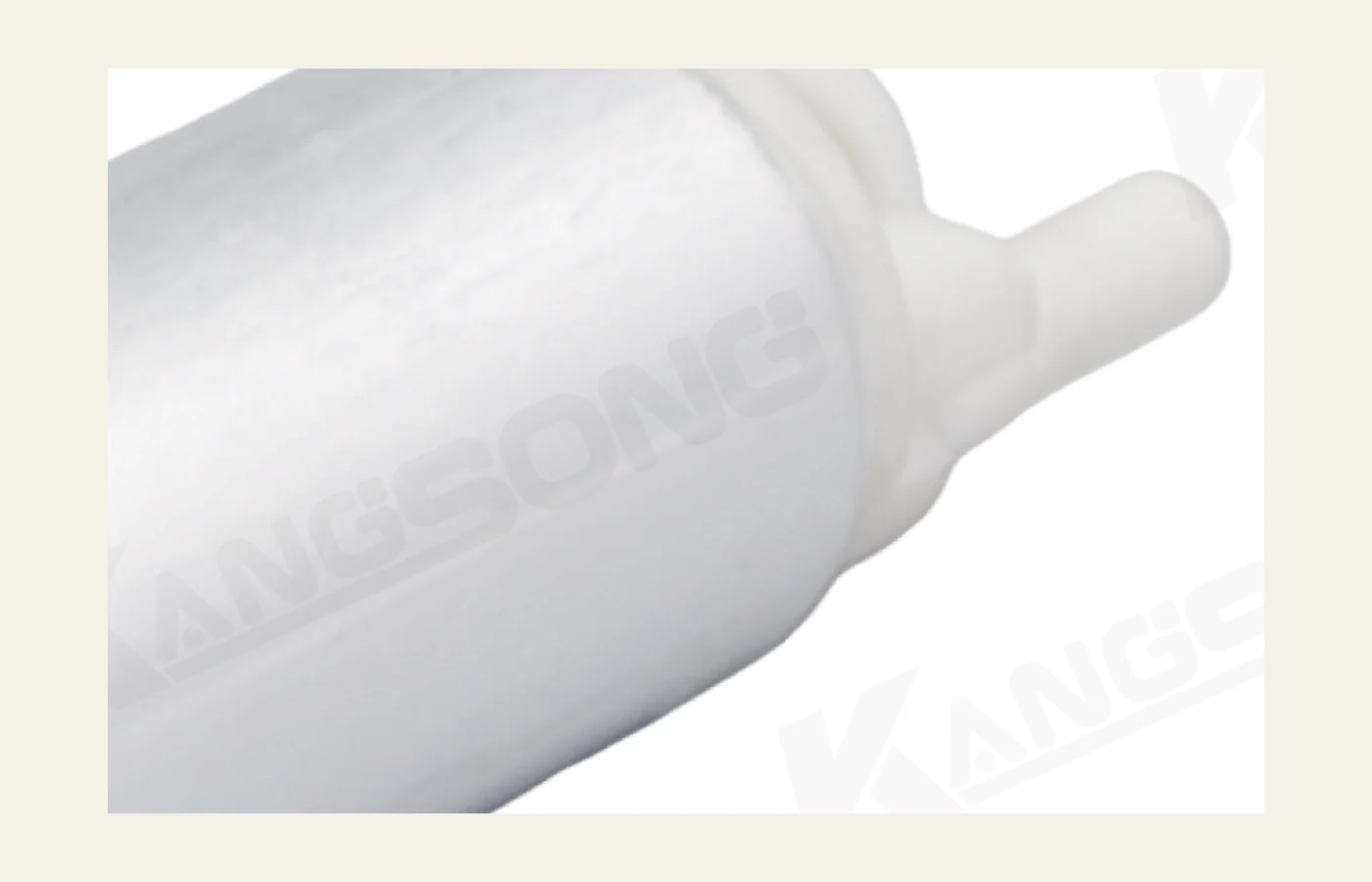
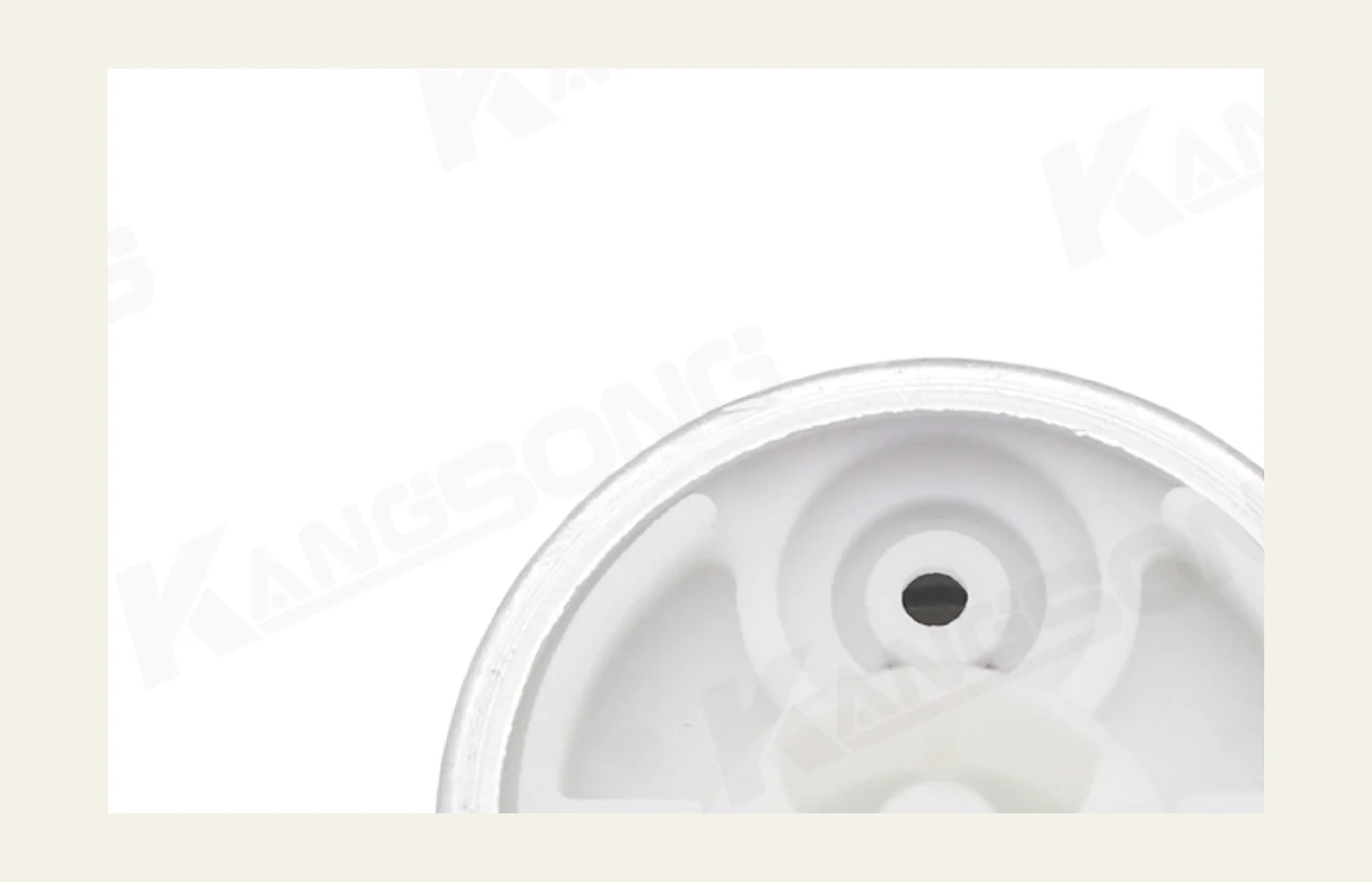
The long description also calls this SKU a complete assembly that includes the fuel pump, sending unit, and housing, and it states a one-year limited warranty. The gallery photographs show the electric pump cartridge and a carton printed FUEL PUMP.
Use the photographs as pictures of that gasoline pump. The carton in the photograph says FUEL PUMP because that is the liquid-fuel part on the page.
Which gasoline fuel pump fits after the sheet changes
KS-360501 is the electric gasoline fuel pump that may move only after the year sheet already names that printed liquid-fuel window. The live page is KS-360501 electric gasoline fuel pump.
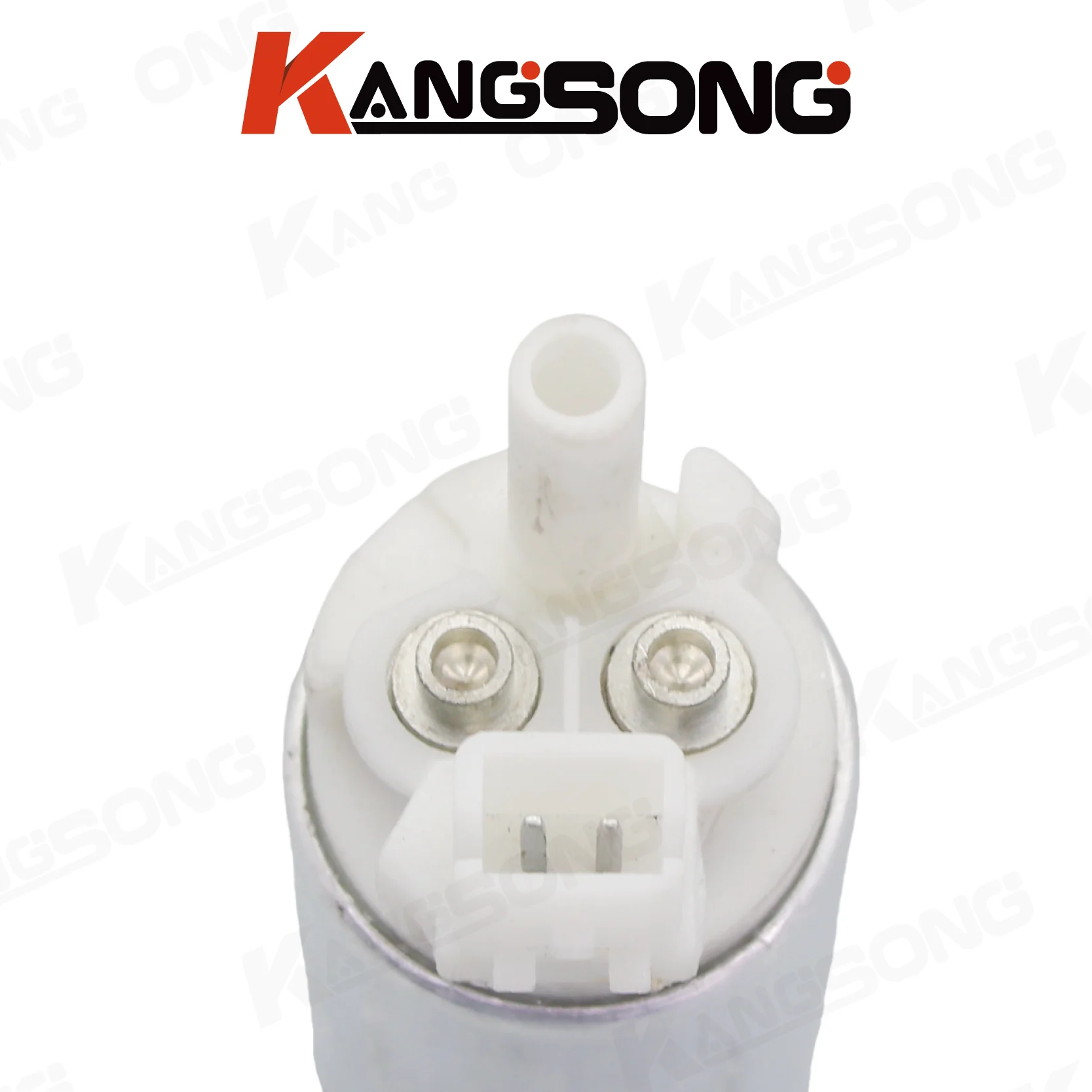
Match the title window, the interchange numbers, and the 2-pin connector against the sheet. If any of those printed items disagree with the sheet, the carton stays. A close truck year is not a match.
The factory landing page is a manufacturing introduction, not proof that a vapor-pump order fits this cartridge. Other liquid-fuel jobs, when the sheet is actually a liquid-fuel job, start from the fuel pump catalog.
Lines that stay closed on a vapor-pump order
WordPress product search on 2026-10-15 returned no leak detection pump. No vapor-pump SKU is hiding under another name in this catalog, so none should be invented on the quote.
Federal evaporative standards in 40 CFR 86.1813-17 apply to volatile liquid fuels and, except as that section specifies, do not apply to diesel-fueled vehicles. A diesel fuel-pump URL is the wrong errand for an evaporative leak-detection line. Leave it closed.
Retail cards on the live results page showed part prices for vapor pumps. Those tags are marketplace shelf prices. They are not a B2B quotation and they are not a reason to substitute a gasoline pump.
A fuel leak detection pump line stays closed for the same reason. The words still point at the vapor side. Shipping KS-360501 against that line repeats the original mistake with a fresher carton.
Pull the carton only after the printed name matches
Put the sheet and the carton label in the same glance. If the sheet says fuel vapor leak detection pump, the gasoline cartridge is the wrong line even when the customer is tired of the warning light.
If the sheet has already moved to the printed 1987-1995 C/K gasoline pump, then KS-360501 is the page to open, and the vapor-pump hunt stops. One sheet, one line, one carton.
FAQ
What does a fuel vapor leak detection pump do?
It moves air in the vapor circuit so the control module can see whether that circuit holds. Liquid gasoline stays on a different pump.
How do I know if my fuel vapor leak detection pump is bad?
Counters hear a check-engine light, a rear fuel odor, a slow fill, or a failed evaporative monitor. Those reports justify reading the sheet. They do not justify pulling a gasoline-pump carton by habit.
Where is the fuel vapor leak detection pump?
Published clips and the results overview place it near the charcoal canister or the tank, and the spot changes with the vehicle. The year sheet is the location record for the order in front of you.
Does a gas-cap message mean the liquid fuel pump failed?
A gas-cap message has sent owners through a cap, a fuel pump, an evap pump, and a canister in a single story. The message means the vapor circuit complained. The liquid-fuel carton is still unnamed.
Can replacing a fuel pump set an evaporative leak-detection code?
One owner replaced a fuel pump and then listed a code for the evap leak detection pump that had not been there before. The story shows the two parts can appear in one repair. It does not show that the gasoline pump is the vapor part.
Is an ESIM the same purchase as a liquid fuel pump?
Technicians sometimes call the ESIM a switch rather than a pump, and the results overview uses ESIM as another name on the vapor side. Either way it is not KS-360501.
Do federal evaporative standards cover diesel the same way?
The cited evaporative section covers volatile liquid fuels and, except as that section specifies, does not apply to diesel-fueled vehicles. Do not borrow a diesel pump URL to fill an evaporative leak-detection line.
How much does it cost to replace a fuel vapor leak detection pump?
Shopping cards on the live results page showed retail tags. This catalog does not sell that part, so those tags are not a price for KS-360501 and not a quote.