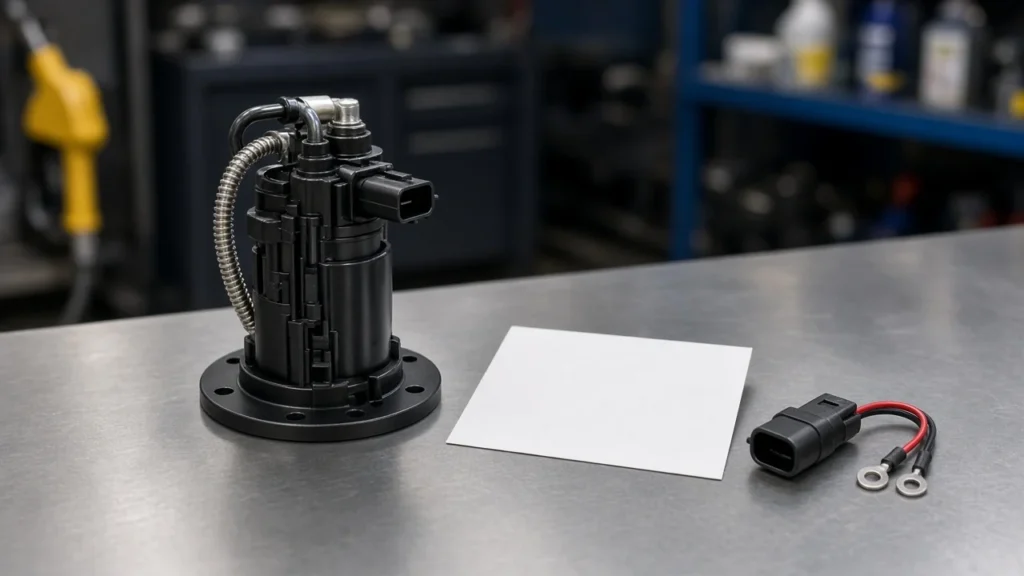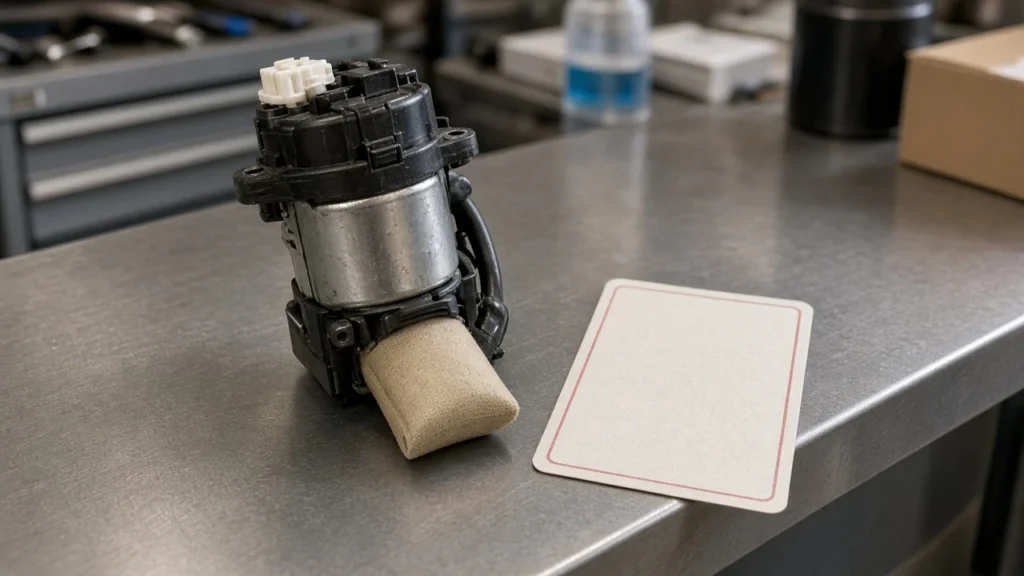
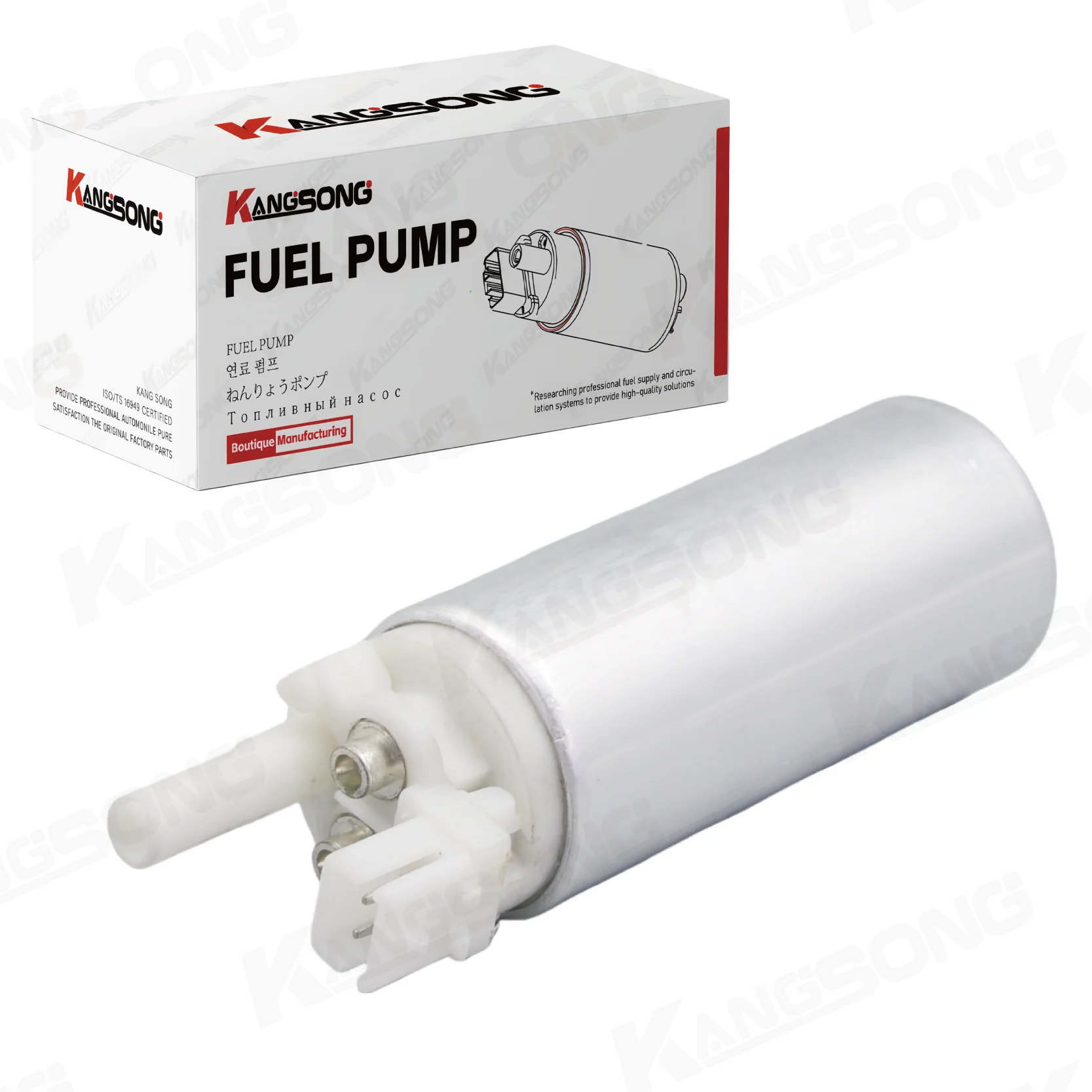
The order for an inline fuel pump check valve is either a one-way valve already built into the inline pump or a separate one-way valve in the fuel line—sometimes sold with quick-connect fittings—and fuel may move only in the direction the valve marking allows. Deleting, drilling, or otherwise defeating that valve is the wrong order. United States counters and importers can use the sections below to pick the correct line item, keep orientation honest, and browse Kangsong when a pump kit is not this valve.
What an Inline Fuel Pump Check Valve Decision Actually Means
It is a one-way residual-pressure part that must be ordered either inside the pump or as a separate line valve—not as a vague “extra hose piece” with no flow job.
A check valve is a one-way fuel device. Professionally, it passes fuel toward the engine and blocks reverse drain-back so residual pressure can remain after the pump stops. In plain terms, it is a door that opens one way when the pump is off.
On an inline / external fuel pump, that door may already live inside the pump as an integrated check valve. It may also ship as a separate inline check valve that sits in the hose or fitting stack. Those are different purchase lines even when the RFQ uses the same focus phrase.
If the reader only needed the host pump definition, start with what an inline fuel pump is. The sections here stay on the valve decision.
How the One-Way Valve Holds Residual Fuel Pressure
It lets fuel move toward the engine while blocking drain-back after the pump stops, which is why residual pressure shows up in start complaints.
When the pump runs, fuel is pushed along the feed path. When the pump stops, a sealing check valve is what keeps the column from emptying back toward the tank. Independent technical writing on electric fuel pumps notes that a check valve maintains residual pressure when the pump is not running (AA1Car).
United States counter desks hear this as long crank after a vehicle sits, then a normal run once pressure rebuilds. That symptom language points at sealing behavior. It does not by itself prove which SKU to ship without matching the order line to integrated versus separate hardware.
From the field: Forum buyers often ask whether a separate fuel-line check valve is even needed when carbs or other components already include one-way behavior. That debate is useful buyer language, but it still ends on ordering a sealing part—not a delete, drill, or defeat kit (Vintage Mustang Forums).
Built-In Pump Valve vs Separate Line Valve
Match the RFQ language to an integrated valve or an external line valve; they are different order lines even when both stop drain-back.
Educational catalog copy groups fuel check valves as in-line (external in the hose), integrated (built into the pump or rail), or return-style hardware. For a counter PO, the useful split is simpler: inside the inline pump versus a separate valve you can PO on its own.
| Decision question | Built-in (integrated) valve | Separate line / in-line valve |
|---|---|---|
| What is on the packing list? | Usually travels with the pump or module | Its own valve body, often with barb, AN, or quick-connect ends |
| When counters hear “pump check valve” | Often the element inside the pump already quoted | A second line item after “pump” |
| Service reality | Replacing only the valve may mean replacing the pump assembly | The valve can be ordered without rebuying the entire pump—still not a delete kit |
| Wrong request | “Open the pump and remove the valve for flow” | “Ship a valve we will drill open” |
If the paperwork only says “inline fuel pump,” you still need the pump’s port and selection context elsewhere—see the inline fuel pump diagram for ports and the aftermarket inline fuel pump page for selection. Keep the check-valve line item explicit.
When Quick-Connect Fittings Belong on a Separate Check Valve
Quick-connect wording usually points to a separate valve or fitting stack, not a claim that “the pump is the valve.”
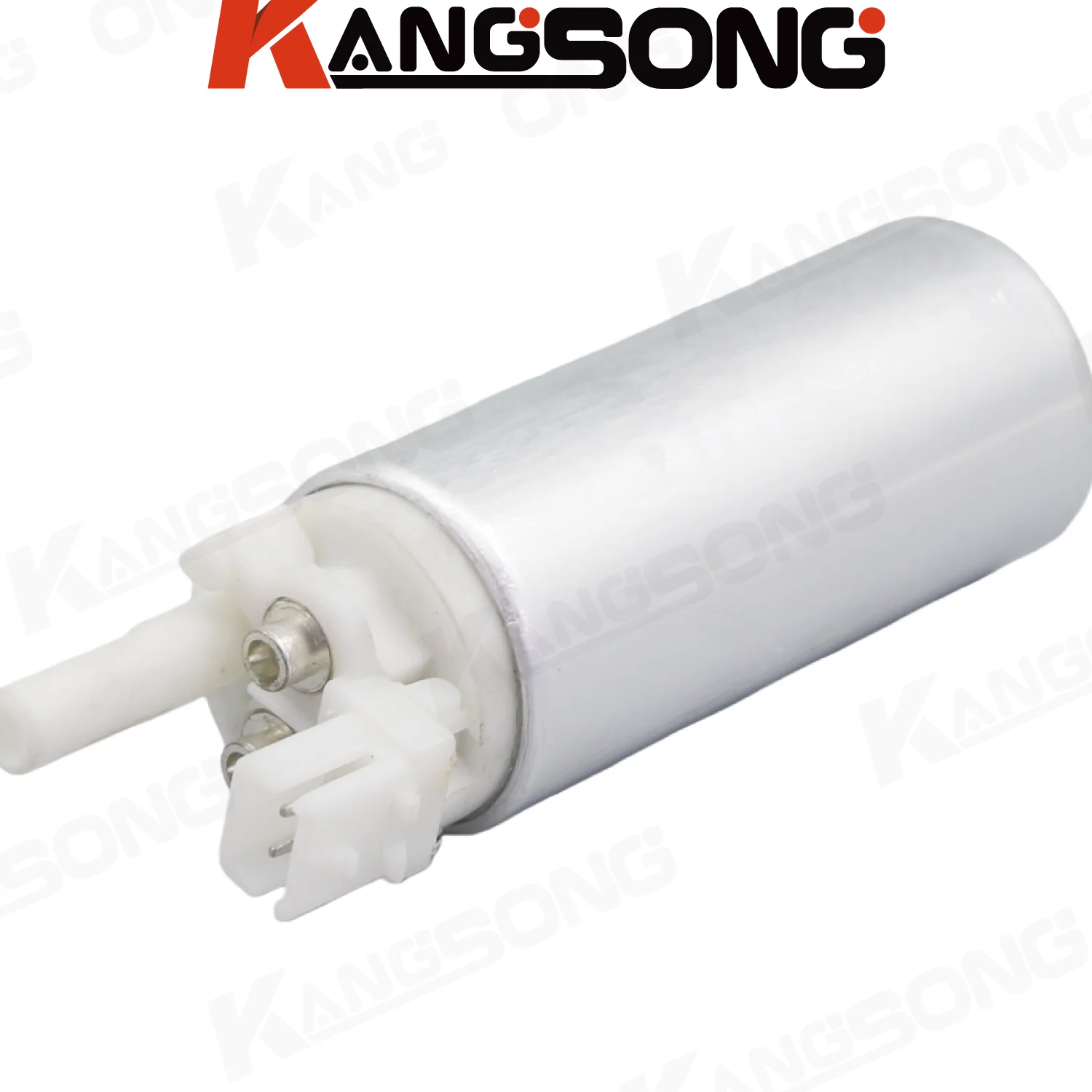
The secondary phrase “inline fuel pump check valve with quick connect fittings” is almost always a separate part conversation. Buyers who ask for quick connect fittings on this topic are usually describing a fuel line check valve body, not the pump motor itself. Some one-way valves are sold specifically for pumps that do not include an internal check valve, and those listings advertise quick-connect compatibility for maintenance on the fitting stack.
That does not authorize inventing a coupling size on a Kangsong quote. Print the size from the live valve or fitting page you are actually buying. A community write-up of a feed-side repair may list SAE quick-disconnect adapters plus a barbed check valve as its own bill of materials—useful as buyer language, not as a universal size chart.
| Order-line wording | Likely correct line item | Do not assume |
|---|---|---|
| “Check valve in the inline pump” | Pump (or module) that already integrates the one-way element | A loose QC valve is included |
| “Inline check valve with quick connect” | Separate one-way valve + matching quick-connect ends | The pump SKU alone covers the fittings |
| “Pump install kit” only | Pump kit contents as printed on that PDP | A check valve is present if the PDP never says so |
Which Way Fuel May Move Through the Valve
Follow the marking on the valve you ordered; reverse orientation can block flow, and no invented PSI rating or arrow art belongs on the quote when the part does not print it.
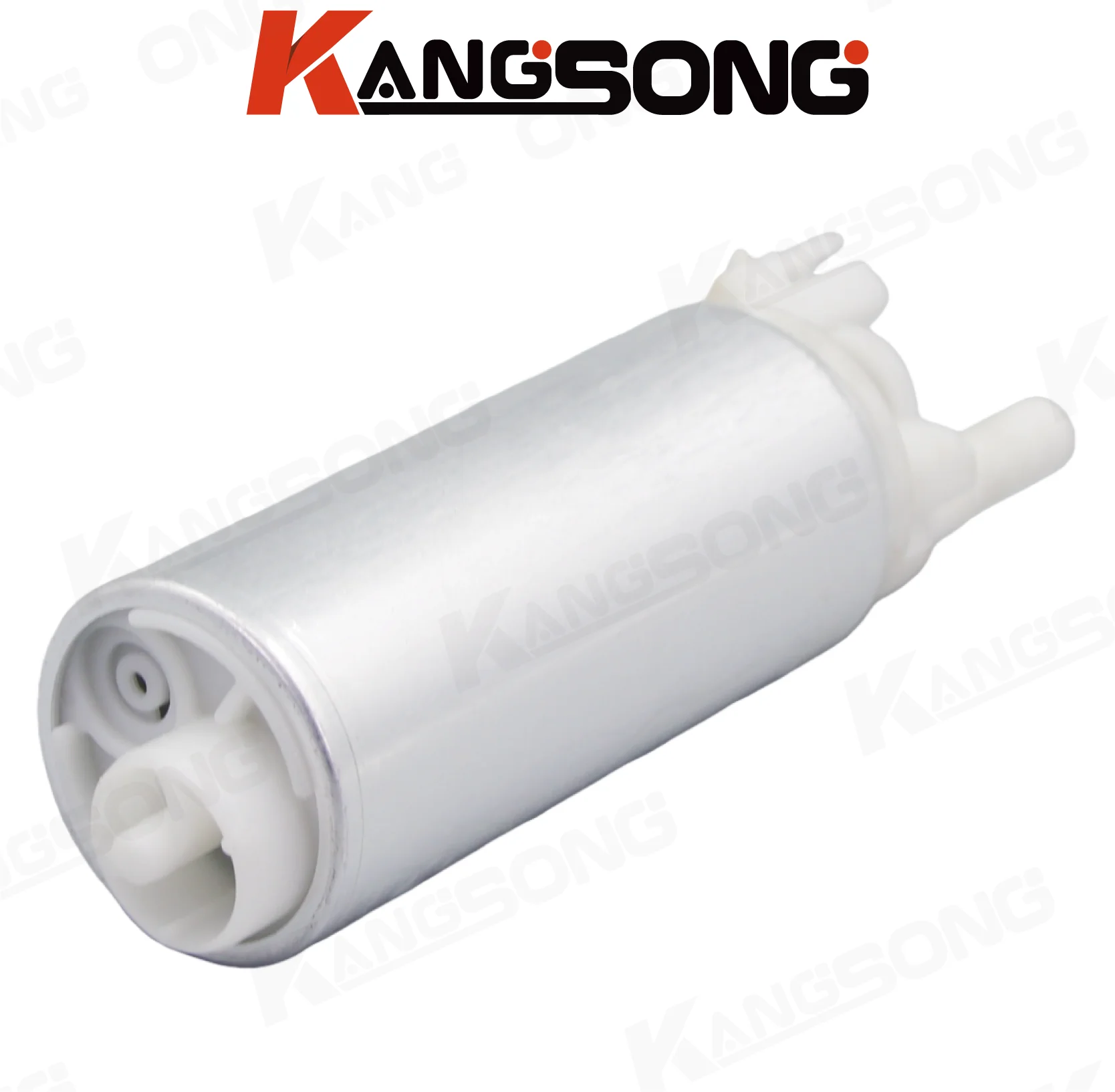
Fuel is allowed to move in the forward feed direction the valve is built for. Separate valves commonly carry a stamped or cast flow direction marking.
Live search guidance and field posts agree on one practical rule: install with that mark aligned to intended feed toward the engine. Install it backward and the valve can stop delivery entirely.
Do not invent cracking pressure, AN dash size, or hose OD for a Kangsong check-valve SKU that is not printed on a live first-party PDP. If the marking is missing on the part in hand, stop and identify the exact valve before it goes on a vehicle.
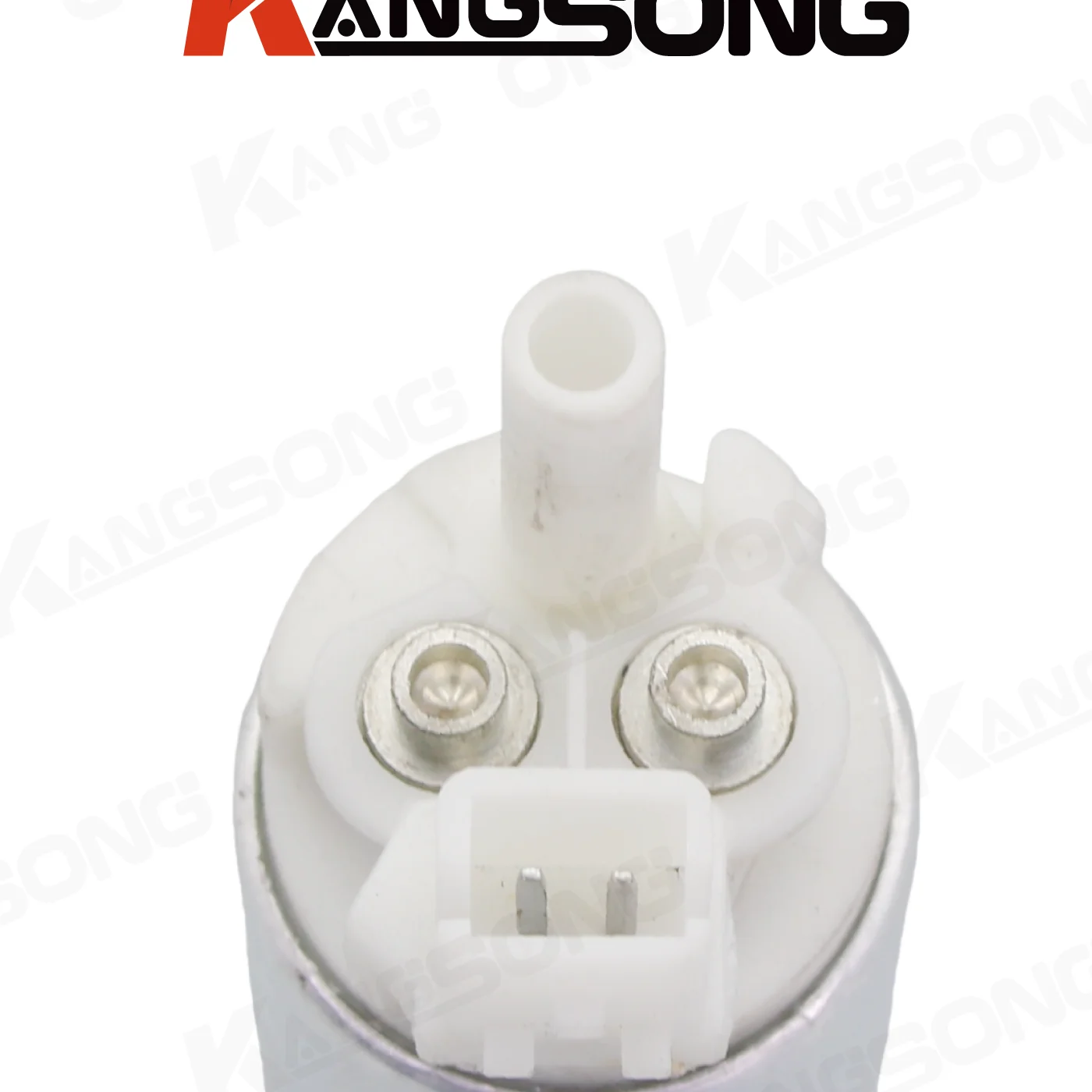
Electrical sheet work for an inline pump is a different job from this valve decision. That wiring URL was still unavailable during research, so no hard wiring link is included here.
Why Deleting or Defeating the Check Valve Is the Wrong Order
Do not order a remove, drill, or defeat job for flow; keep a sealing one-way path on the PO.
Some shop notes treat the check valve as a restriction to “open up.” For a United States counter or importer, that request is a reject. A defeated valve no longer holds residual pressure, and it is not a legitimate substitute for the correct pump or the correct separate valve.
Ship either:
- the pump that already includes the one-way element the application expects, or
- a separate fuel-rated check valve oriented to its marking,
—not a modified body with the sealing function removed. If pressure is lost after shutoff, the buying conversation is replacement of the sealing device, not a defeat procedure.
What to Browse on Kangsong When the Kit Is Not This Valve
Use the Kangsong products catalog for the correct pump family; treat the C/K electric kit as a pump example that does not print this check valve.
Live review of Kangsong’s electric gasoline fuel pump with installation kit shows a KS-360501 electric supply pump kit with printed flow and pressure fields for that pump. The same live product body does not print a check valve. That kit is a pump example, not this valve.
The honest next browse step is the Kangsong fuel pump products catalog. Open that catalog when you need the right pump family for the vehicle line. Use the C/K kit URL only when the buyer actually needs that pump—not when the RFQ is asking for the check-valve decision covered above.
FAQ
Do you need a check valve on an inline fuel pump order?
You need a sealing one-way path somewhere in the feed design. Confirm whether it is already integrated in the pump you are buying or must be a separate line item before the order closes.
Is an inline fuel pump check valve the same as a quick-connect check valve?
Not automatically. Quick-connect language usually describes a separate valve or fitting stack. An integrated pump valve may have no quick-connect ends at all.
Which way should fuel move through a separate check valve?
Only in the forward direction shown by the marking on that valve. Do not invent a pressure number or arrow diagram the part does not print.
What symptoms make counters suspect a failed pump check valve?
Long crank after sitting and pressure that falls away after shutoff are common desk phrases. Confirm with the buyer’s diagnostic path before swapping the wrong line item.
Where is the fuel pump check valve location on an inline system?
Fuel pump check valve location is either inside the pump or module, or in the external feed line as a separate valve. Ask which location the RFQ means before you pick a SKU.
Can we delete or drill out a check valve to gain flow?
No. That is the wrong order. Replace the sealing valve or the pump that contains it; do not sell a defeat procedure.
Does the Kangsong C/K electric pump kit include a check valve?
The live kit page does not print a check valve. Browse the products catalog for the correct family, and treat the C/K URL as a pump kit—not this valve.
Where does this topic stop relative to the diagram and aftermarket pump pages?
Port reading stays on the diagram page. Aftermarket pump selection stays on the aftermarket inline fuel pump page. Keep check-valve order decisions on the present URL only.