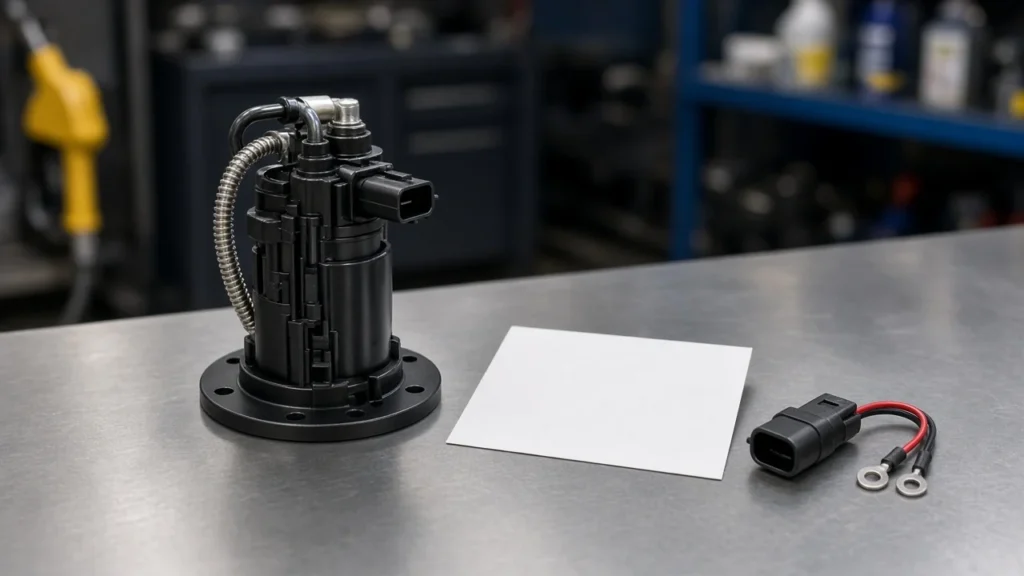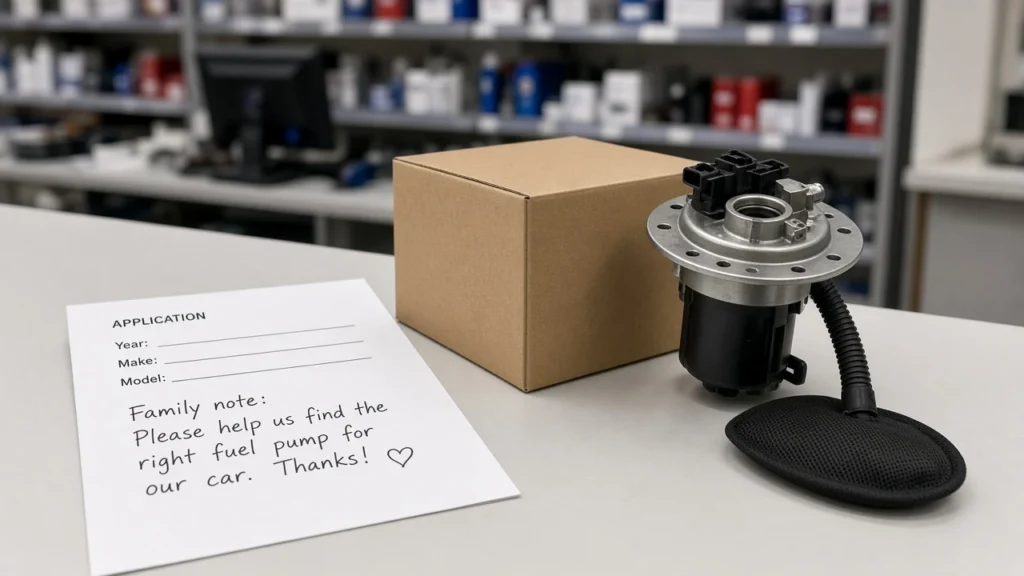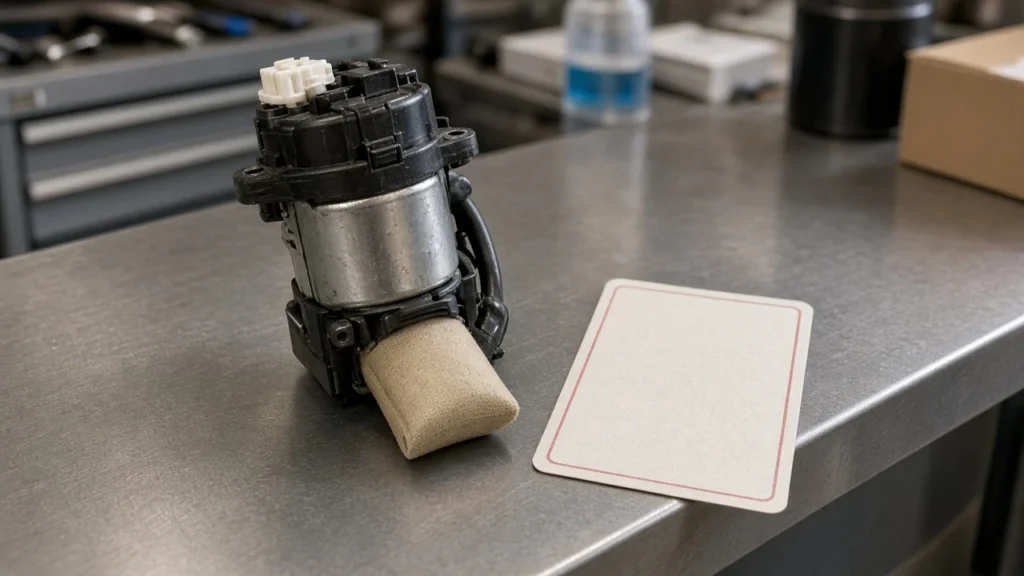
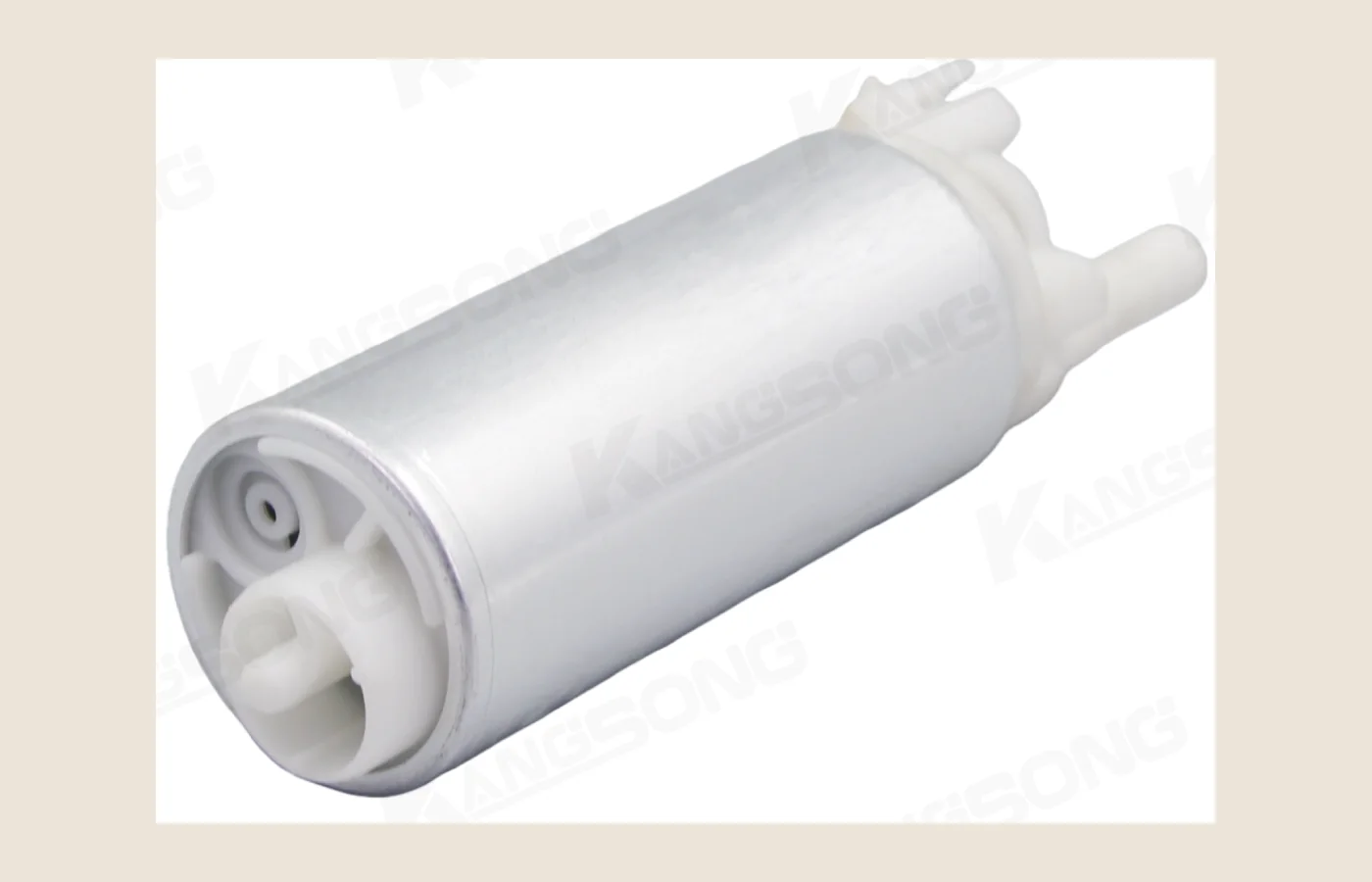
The purchase order is the in-tank sock, the chassis fuel filter, or the pump element, and only the inlet screen is the fuel pump strainer. Counters also write that screen as a fuel pump sock, then still have to keep it off the filter in the pipe and off the pump that moves the fuel.
A quote that says only “filter” can land on any of the three. The rest of this page splits those lines, shows what a restricted inlet does to the pump, and says where to browse when a listing never prints the screen.
Sock, chassis filter, or the pump element
The order is the in-tank sock, the chassis fuel filter, or the pump element. Those three words name three different pieces of hardware, and a counter who collapses them into one line will quote the wrong carton.
On an in-tank electric pump, fuel enters through a small mesh at the inlet. That mesh is the sock. Farther along, a service filter sits in the fuel line and protects the injectors.
The cylinder that actually pushes the fuel is the pump element. Each one can be a line on a purchase order, and each one answers a different shortage.
| Order line | What the counter is buying | Where it sits |
|---|---|---|
| In-tank sock | The fuel pump strainer on the inlet | Over the pick-up, on the pump inside the tank |
| Chassis fuel filter | The service filter in the pipe | In the fuel line after the pump |
| Pump element | The unit that moves the fuel | In the tank or on the frame, with no screen implied |
A ticket that says “sock” after the pump is already on the shelf is asking for the screen. A ticket that says “fuel filter” and points under the vehicle is asking for the chassis piece. A ticket that says “pump” and never mentions mesh is asking for the element.
Mix those tickets and a strainer order turns into a pump kit, or a filter order turns into a screen nobody can install in the pipe. The hanger-versus-element carton is a different purchase and lives on the fuel pump assembly versus fuel pump page. Leave that split there.
Price the line only after the three names are sorted.
Only the inlet screen is the fuel pump strainer
The fuel pump strainer is the mesh on the pump inlet, also called the sock. Fuel is drawn through an inlet tube and a mesh filter sock that keeps rust and dirt out of the pump. That is the whole job of the screen: stop tank debris before it enters the element.
A fuel pump inlet strainer is the same mesh, named for the port it covers. Shop talk shortens it to sock. The mesh has no moving parts inside it, and it does not set system pressure.
It sits over the fuel pick-up tube, where the pump draws fuel out of the tank. GMB’s explainer puts an oblong mesh on that opening of an in-tank pump and calls that mesh the strainer.
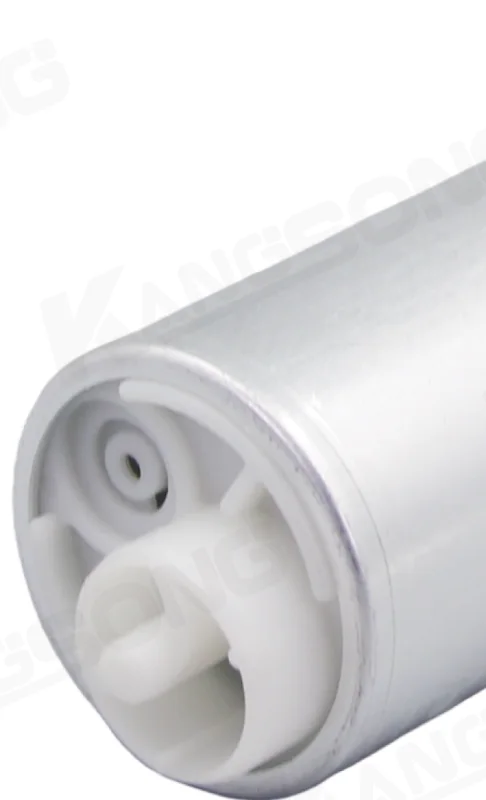
Look at the white end of a bare element and you will not see a sock hanging off it. The screen is a separate clip-on or press-on piece in the conversations counters actually hear. One Thirdgen buyer already had a pump in hand and still asked where to get another sock.
Another buyer asked whether a stock pump sock would fit the pump just installed. The screen and the element were two asks, even when both were going back into the same tank.
Dirt, sand, rust flakes, and varnish collect in a tank that has sat. The mesh is the first surface those bits meet. When the screen is torn or missing, that debris goes into the element.
When the screen is packed solid, the element tries to pull fuel through a blocked opening. Either failure is a screen problem first. Replacing only the element leaves the old mesh in the tank if nobody ordered the sock.
The chassis filter is the part in the fuel line
The chassis fuel filter sits in the line after the pump and is a different part. The chassis fuel filter sits farther down the line and catches particles that have already passed the pump, so those particles do not reach the injectors. Buyers who say fuel pump filter sock still mean the inlet screen, rather than the canister in the pipe.
The strainer is attached to the in-tank pump, while the fuel filter is usually fitted into the fuel line. One is wet with tank fuel and lives with the element. The other is a service part in the chassis plumbing, often the part a shop replaces on a mileage interval.
Quoting the chassis filter when the email says “sock” ships a part that cannot clip onto the inlet. A filter article calls that inlet piece a strainer or sock and treats it as separate from the main service filter. That split matches what the electric-pump primer describes: mesh at the inlet, then a filter after the pump.
Counters can use a plain location test. If the part bolts into the line under the vehicle, it is the chassis filter. If it has to come out with the pump through the tank opening, it is the sock.
The one-way valve at the pump outlet is a third piece again, and the inline fuel pump check valve page owns that valve. Fuel leaves the element through that valve after it has already passed the sock. Keep the valve off a strainer line, even though both sit near the pump.
A clogged inlet screen loads the pump
A clogged inlet screen makes the pump work harder to pull fuel in. A clogged inlet screen restricts flow into the pump and makes the pump draw higher current. The element is still spinning, but it is pulling against a blocked mesh instead of a clear opening.
Heat and current go up while fuel delivery goes down. That pattern gets misread as a weak element when the screen is the part that closed.
A plugged line filter makes the pump work harder, run hotter, and pull more current, and that filter is still a different line from the sock. Both restrictions load the pump. They do not share a part number, a location, or a replacement habit.
Under the vehicle you reach the line filter. The sock comes out only when the pump comes out of the tank. A counter who orders “a filter” without asking which restriction was found will guess between two different parts.
The primer lists tank dirt and rust beside fuel starvation and low voltage. A sock exists so that dirt meets mesh instead of the element.
Once the mesh itself is choked, the element sees the same overwork the primer describes for a plugged line filter. The fix on the order is whichever part actually closed, printed by name.
From the field: An owner who had already dropped the tank forgot which way the sock faced (source: Thirdgen sock-orientation thread). The replacement was one-sided, like an L, and the original had looked more like a T. A reply on that sock thread said an L-style sock should point away from the return line so hot fuel is not pulled straight back in.
That note is one tank and one L-style sock. It is useful because it shows owners treating the sock as its own install detail, with a direction, after the pump choice was already made. It is a poor template for every sender.
Hot return fuel on that car sat on one side of the hanger. Another tank can put the return somewhere else. Ask which way the old sock came off before copying the L-away-from-return habit.
Noise from a restricted inlet is easy to blame on the element. The fuel pump whine page covers that sound. Here the buying point is simpler: a sock that has swollen or collapsed can starve the inlet while the element is still new.
Ordering another element without the screen repeats the job.
Print the part name before the quote
The listing has to print sock, strainer, or fuel filter before the quote. One owner on a Camaro thread asked for a fuel strainer part number for a pump already named on the ticket. The pump identity was not enough.
The buyer still needed the screen called out. Catalog numbers from that single car stay off this page, because that listing belongs to one Camaro and would be a guess on any other order.
The live C/K kit page prints Electric Fuel Pump, a flow of 43.3-49.5 Gph, a 2Pins connector, and Maximum Air Pressure 12-26, and the page text does not print strainer or sock. Those printed fields describe the pump kit. They do not describe a screen.
Pasting the flow band or the air-pressure label into a strainer line treats pump-page text as a mesh spec.
| Field on the C/K kit page | What it tells a strainer order |
|---|---|
| Part: Electric Fuel Pump | The listing names the pump element |
| Flow 43.3-49.5 Gph | Pump flow printed on the kit |
| Connector 2Pins | Pump connector printed on the kit |
| Maximum Air Pressure 12-26 | Air-pressure label on that pump page |
| Words strainer and sock | Absent from the fetched page text |
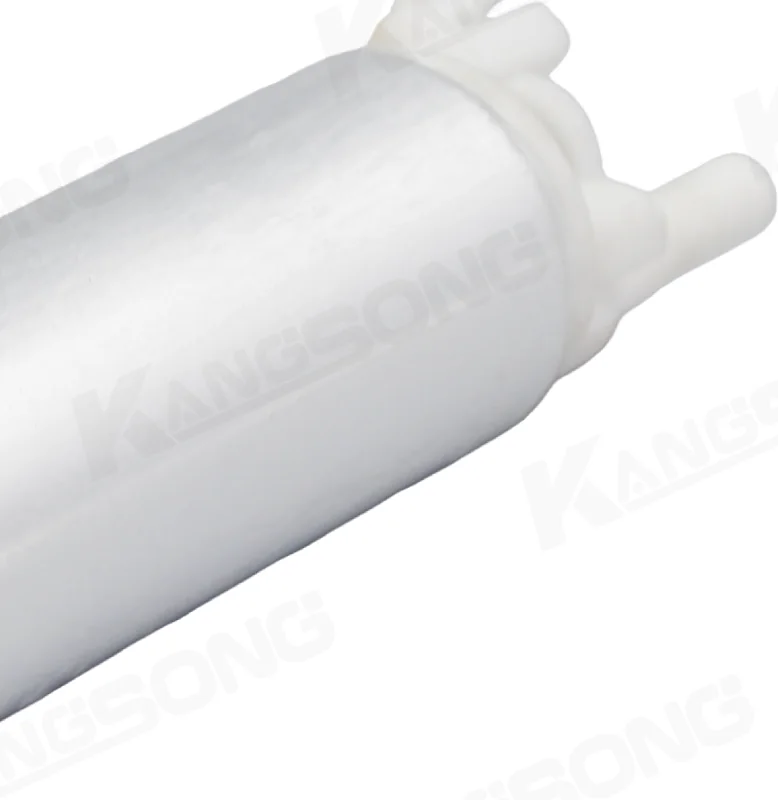
Read the interchange block the same way. It lists pump numbers for that kit, including 25168719 and E3902, plus related codes such as EP240 and EP386. None of those lines is a sock.
If a buyer sends one of those numbers and the email subject says strainer, answer with the three-way split before quoting the kit.
A full port sheet, with every nipple labeled, belongs on the petrol fuel pump diagram page. Use that page when the question is which barb is inlet or outlet. Use this page when the question is whether the order is the screen, the chassis filter, or the element.
Browse the product catalog for a strainer order
Browse the catalog; the C/K kit URL is a pump, not this strainer. Open the Kangsong product catalog when the order is a strainer and no listing prints the word. The opened catalog root also fails to print strainer or sock.
The cards on that page were pump listings. Browsing there keeps the search on fuel pumps while the strainer line stays unnamed until a page actually prints it.
The C/K electric fuel pump with installation kit is part KS-360501, scoped to 1987-1995 C/K pickups and marked Electric Fuel Pump. Accessories are marked included. The fetched text still never says strainer or sock.
Use that URL only when the order is the pump kit. Leave it off the line when the order is the inlet screen.
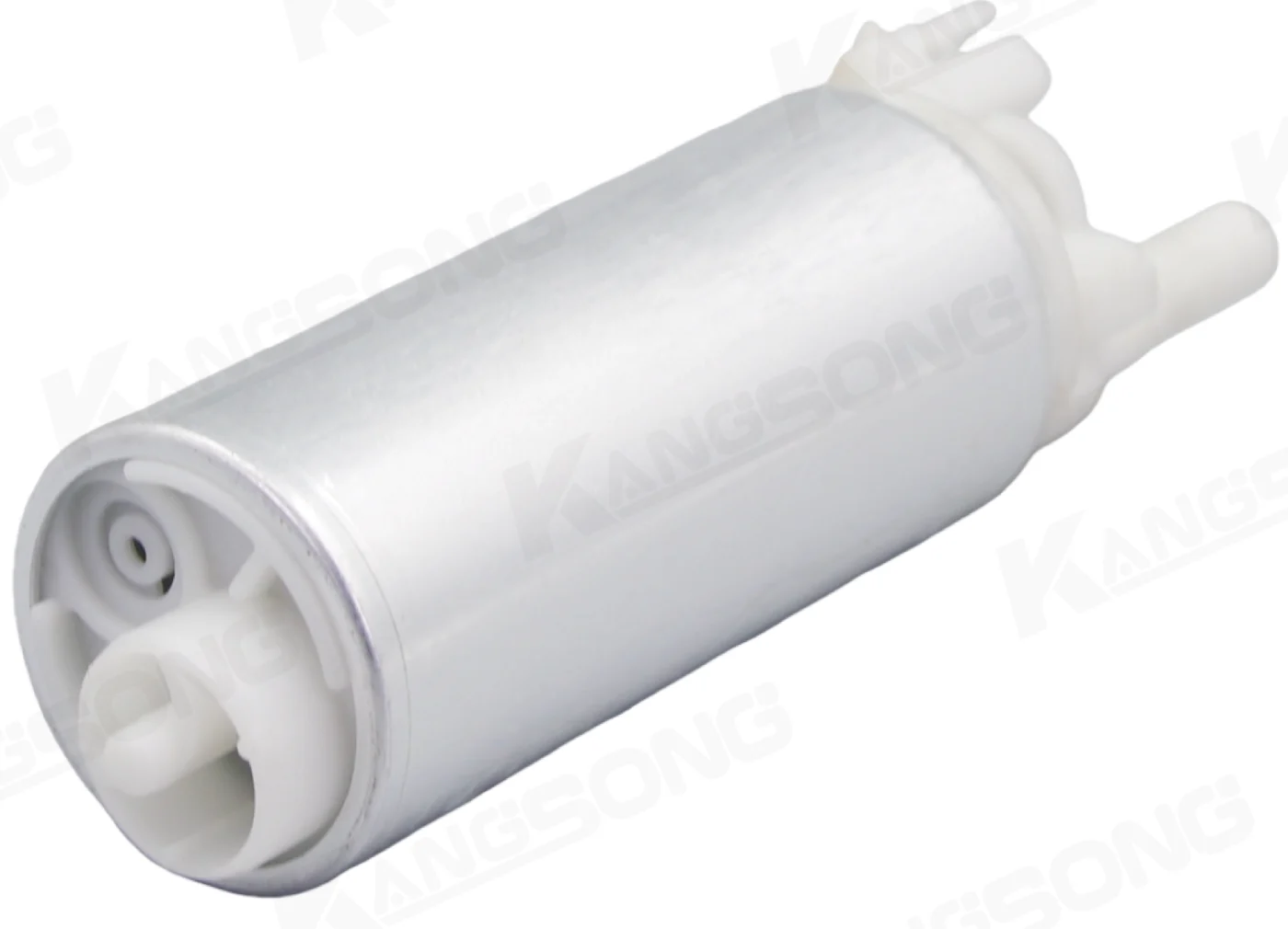
What to send back to the buyer is short. Ask which of the three parts failed or which word is on their old invoice: sock, chassis fuel filter, or pump element. Ask whether the screen is loose in the tank or still clipped to the pump they are removing.
Ask for the pump number only after the screen is confirmed as a separate line, because a pump number does not identify the mesh. If they want the pump kit and the page they opened is the C/K kit, quote that pump. If they want the strainer and no page prints it, stay on the catalog and say the screen is absent from that kit page.
A reply on a Walbro sock thread said the stock pump sock matched the pump the buyer already had. Even that reply treated the sock as something to confirm, rather than a free extra hidden inside the word “pump.” Keep the same habit on a Kangsong quote.
The element, the sock, and the chassis filter each need their own name on the order.
FAQ
Is a fuel pump sock the same part as the chassis fuel filter?
No. The sock is the mesh on the pump inlet. The chassis fuel filter is the service filter in the line after the pump, there to protect injectors from particles that got past the element.
What happens when the inlet screen clogs?
Flow into the pump drops, and the element works harder and draws higher current while it tries to pull fuel through the blocked mesh. The chassis filter can cause a similar load when it plugs, and it is still the part in the pipe.
Does the C/K electric pump page print a strainer?
No. The KS-360501 page prints Electric Fuel Pump, flow, a 2Pins connector, and an air-pressure label. The fetched text does not print strainer or sock.
How did owners decide which way the sock should face?
On one Thirdgen tank, the owner had an L-style sock and a T-style original and had forgotten the direction. A reply said to aim the L sock away from the return so hot fuel was not pulled straight back into the inlet. That was that tank’s layout.
Can a pump element replace the inlet screen on the order?
No. Forum buyers who already named the pump still asked for the sock or the strainer number. The element moves the fuel.
The screen is the mesh on the inlet, and it has to be named if that is what the tank needs.
Where does a counter browse when the listing never prints a sock?
Open the Kangsong product catalog and keep looking for a page that actually prints strainer or sock. The C/K kit URL stays the pump page, useful only when the order is that pump.