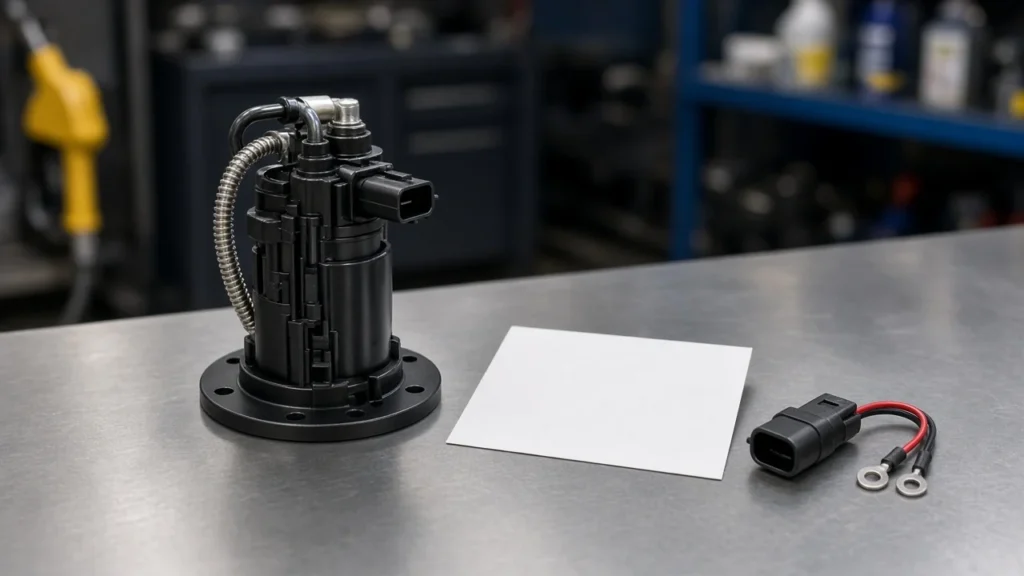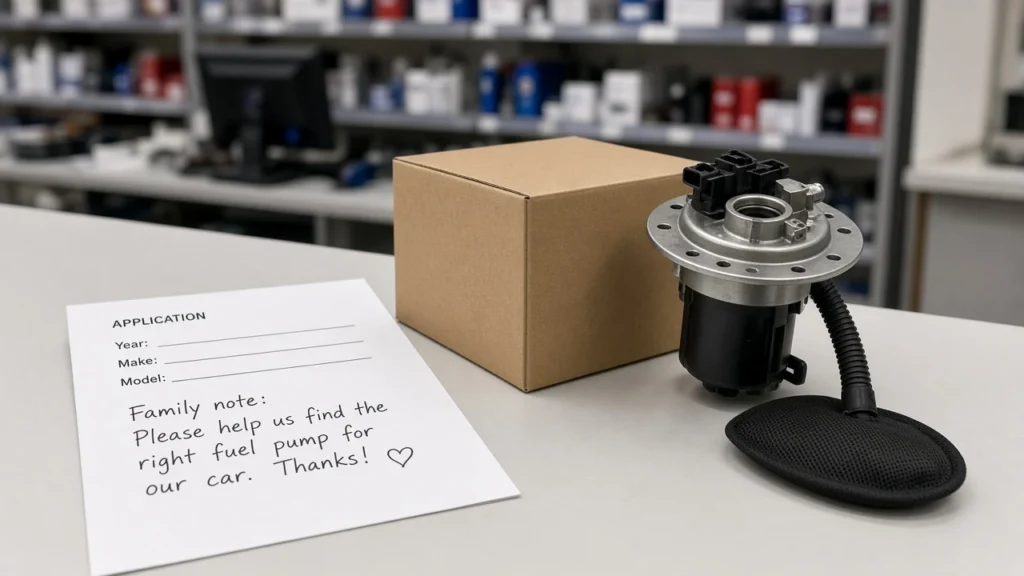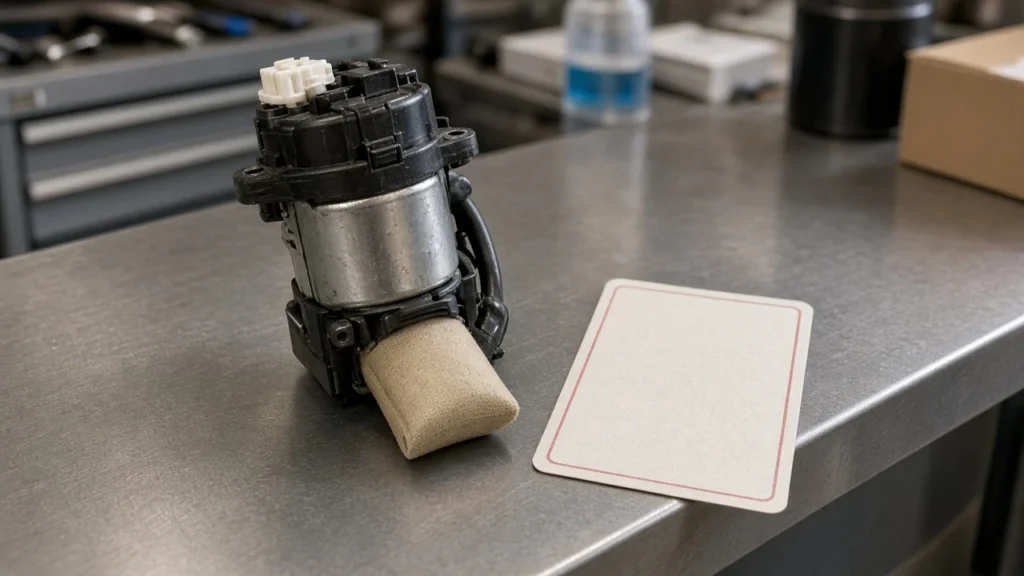
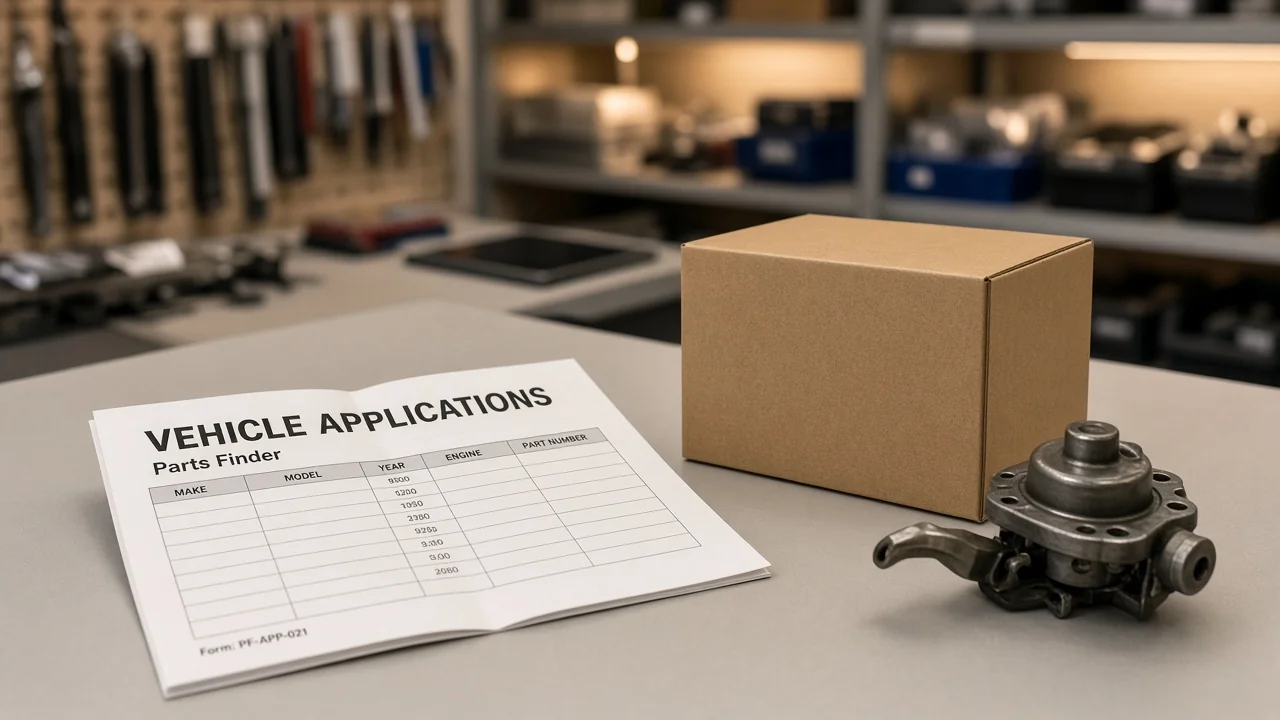
A carter fuel pump line names the mechanical, universal electric, or assembly/module object that the printed Carter application sheet or carton already lists. The same ticket can say carter electric fuel pump once and still mean that sheet’s printed family, not a Kangsong SKU. The fork below is the mechanical carton, the universal electric family, the in-tank assembly or module path, shopping numbers that stay off this catalog, and the 1987-1995 C/K truck kit as a different machine.
A counter that already holds year, make, and model can copy that paper before a box moves. The shopping carousel can stay closed until the sheet names the object.
A Carter fuel pump line starts on the printed application sheet
A Carter fuel pump line starts on the printed application sheet, and the carton follows that sheet’s year/make/model or VIN / Parts Finder path.
The Application sheet / Parts Finder is the Carter carton or application list that already names a mechanical, universal electric, or assembly/module object. On the counter it is simply the paper that has to be copied before anyone reaches for a carton.
A search bar that already says carter fuel pump still has to open that paper. A shopping carousel of M-series or P-series cards can sit shut until the sheet says which object belongs on the line.
Write the vehicle family the way the sheet already prints it. The purchase line copies that ink, and this catalog does not invent a Kangsong card to stand in for a missing Carter SKU.
Many Carter sheets already name a mechanical fuel pump
Many Carter sheets already name a mechanical cam/lever diaphragm pump when that M-series family is the printed line.
A Mechanical fuel pump (Carter sheet) is the engine-mounted cam/lever diaphragm family printed as die-cast, stamped steel, or billet on that brand sheet. Many M-series shopping rows already name that carton.
That pump moves gasoline from the tank toward the carburetor when the sheet is a carbureted mechanical line. Wikipedia’s fuel-pump page already separates a low-pressure mechanical class from an in-tank electric class.
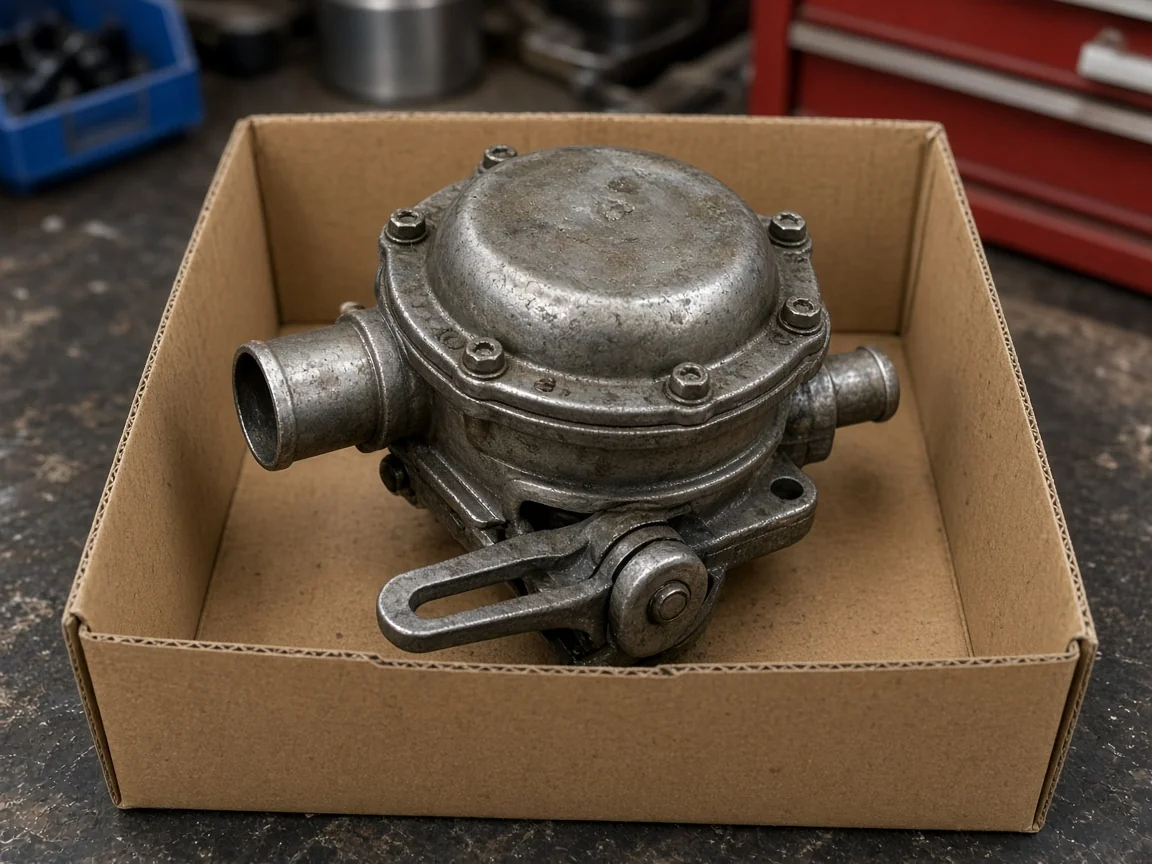
From the field: On a classic Cougar community thread, owners converting a carbureted car already treat a mechanical pump as the simple roadside-replace object and an electric pump as a noisier line that needs cutoff wiring near the tank. No pressure, flow, or price figure from those threads is copied here. — source: Classic Cougar Community, mechanical vs electric fuel pump
The older cam-lever versus motor story lives on mechanical fuel pump vs electric. This page only names the mechanical carton the sheet already printed.
A universal electric Carter pump is a different printed family
A universal electric Carter pump (rotary vane, gerotor, or solenoid) is a different printed family, not every Carter carton.
A Universal electric fuel pump is the printed rotary vane, gerotor, or solenoid family, often an in-line external canister. It feeds a fuel injector / injection path when that sheet is an electric or injected line, and it is still not every Carter box on the shelf.
How a Car Works draws the line between a cam-driven mechanical pump and an electric pump that serves injection. That lesson names the drive fork. It does not turn every Carter line into one electric canister.
A counter that already holds a mechanical carton while the sheet names a universal electric number is holding the wrong family. Aftermarket wiring notes stay on soft-link only — aftermarket fuel pump wiring; this page does not retell that harness job.
A Carter in-tank assembly or module is another printed family
An in-tank assembly or module (and GDI when printed) is another Carter family, not a mechanical M-series box.
A Fuel pump assembly / module is the printed in-tank assembly path on some Carter sheets. Wikipedia’s fuel-injection page notes that port and TBI systems commonly use an electric in-tank supply, and that direct injection adds a separate high-pressure pump on the engine when that architecture is present.
GDI or brushless Carter families stay off the order unless that same sheet prints them. Naming the assembly carton does not rename a mechanical M-series box.
Strainer naming for the sock on an in-tank path already lives on fuel pump strainer. Assembly versus bare pump naming stays on fuel pump assembly vs fuel pump.
Printed Carter shopping numbers stay on the sheet, not in this catalog
Numbers such as M4891, P4070, and module assemblies stay on shopping pages. This catalog does not print them.
A printed shopping number is an M-series mechanical or P-series electric or module number already on seller pages. It stays a shopping-page object. It does not become a Kangsong SKU.
| Printed shopping number | Where it already lives | What this catalog prints |
|---|---|---|
| M4891 | Shopping pages as a Carter mechanical class number | Nothing under that number |
| P4070 | Shopping pages as a Carter universal-electric class number | Nothing under that number |
| Module assembly class | Shopping pages as Carter in-tank module assemblies | Nothing under that number |
| This catalog | Empty Carter product search | The 1987-1995 C/K window only |
A buyer who wants M4891, P4070, or a module number written as a Kangsong SKU is asking this catalog to invent a card. Keep the number on the sheet and leave the empty search empty.
Those shopping-page objects can sit next to the ticket as reference ink. They still do not open a Kangsong Carter listing.
An in-tank truck assembly is a different machine
An in-tank truck complete assembly is a different machine from a Carter mechanical or universal electric carton when the sheets differ.
On Wikipedia’s fuel-pump page, the pump’s job is moving fuel out of the tank toward the carburetor or the fuel injector. That same article puts fuel-injected engines on an in-tank electric pump or a high-pressure pump mounted on the engine.
In-tank units there are often an assembly with strainer and sender. That In-tank electric assembly is the truck carton, and a Carter mechanical or universal electric carton is absent from that truck window when the sheets differ.
| Object family | What the line is naming | What this catalog prints |
|---|---|---|
| Carter mechanical | Cam/lever diaphragm carton on that Carter sheet | No Carter SKU |
| Carter universal electric | Rotary vane / gerotor / solenoid family on that sheet | No Carter SKU |
| Carter assembly / module (or GDI when printed) | In-tank assembly or GDI family that sheet already prints | No Carter SKU |
| 1987-1995 C/K truck | Complete in-tank assembly for that pickup window | KS-360501 only for that window |
A truck complete assembly offered as the Carter carton is the swapped machine this page is trying to stop. Shared words fuel and pump do not merge those two printed windows.
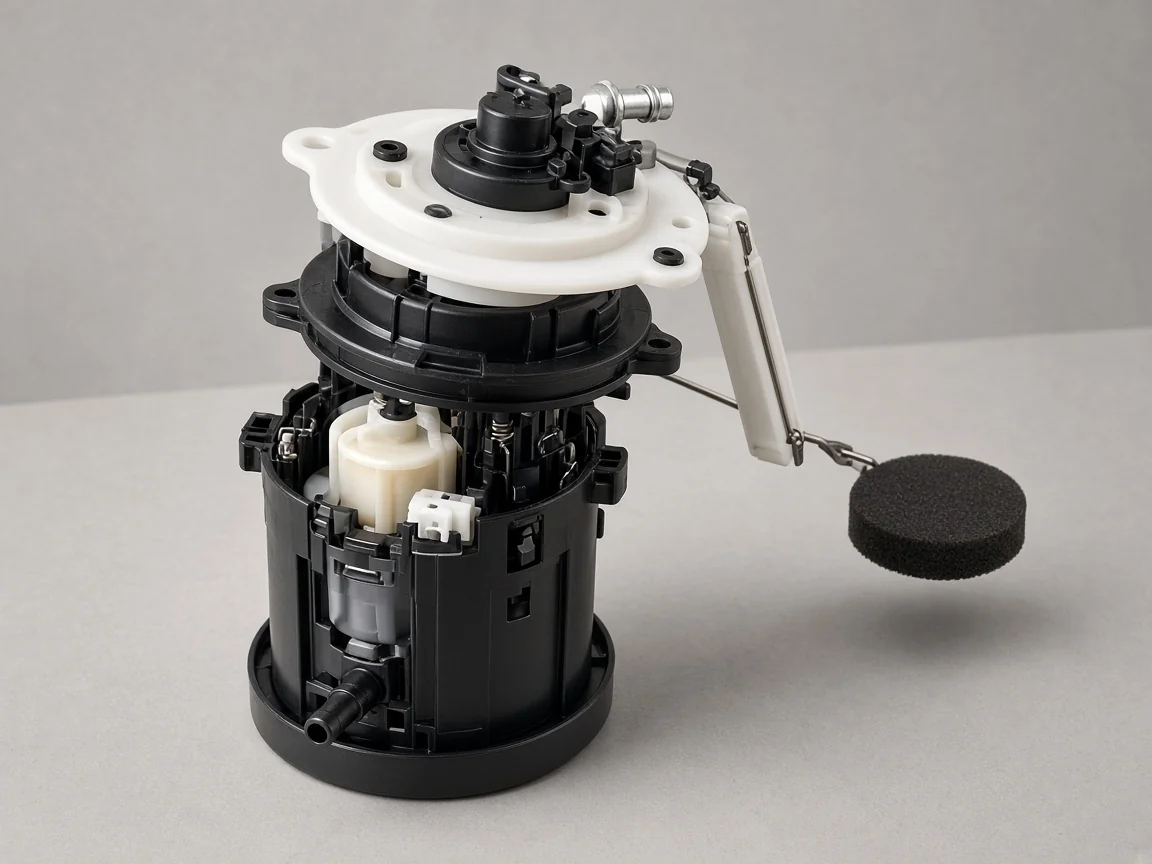
KS-360501 is the 1987-1995 C/K window, not a Carter SKU
KS-360501 prints a 1987-1995 C/K complete assembly, and that window is not a Carter fuel pump.
The KS-360501 title names the 1987-1995 C/K 1500/2500/3500 pickup window and the OE numbers 25168719 and E3902. On that kit the printed electrical and flow labels read DC 12V, a 2-pin connector, and 43.3-49.5 Gph.
Maximum Air Pressure 12-26 on that label is an air figure, and it is not Carter fuel pressure. The overview also calls the pack an electric gasoline fuel pump with installation kit under a 1-Year Limited Warranty.
None of those words say Carter. A ticket that actually names 1987-1995 C/K after the Carter fork can stay on this window. A ticket that still names a Carter mechanical or universal electric number cannot borrow the kit because both objects can say electric.
Which catalog line fits an unprinted Carter job
Unprinted Carter jobs stay on the category. The C/K kit opens only when the sheet is that truck window.
This catalog does not print a Carter SKU. Browse the catalog for unprinted Carter jobs when the sheet still names a Carter mechanical, universal electric, or assembly/module number.
Reach for the 1987-1995 C/K electric gasoline pump only when the sheet already lists 1987-1995 C/K 1500/2500/3500, 25168719, or E3902.
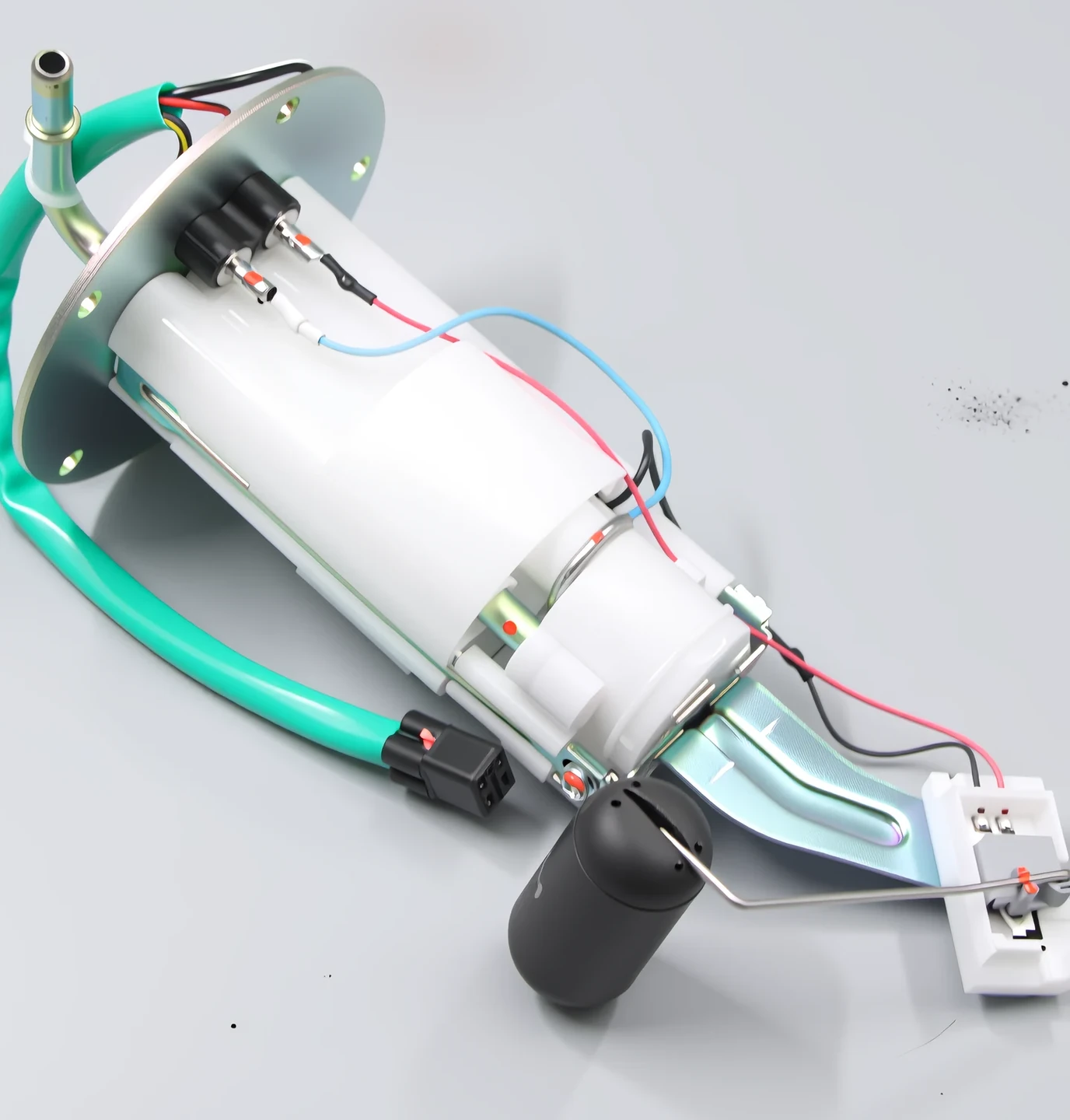
If the sheet already named a Carter mechanical, universal electric, or assembly/module number, keep that number on the sheet and stay on the category. If the sheet is the printed C/K window, the kit is the carton that can move.
FAQ
What does a carter fuel pump purchase line still have to name?
It has to name the mechanical, universal electric, or assembly/module object that sheet already prints, plus the printed shopping number when the sheet has one. GDI or brushless families join only when that sheet prints them.
Is every Carter fuel pump a mechanical pump?
No. Many sheets name a mechanical carton, but universal electric and in-tank assembly or module families are different printed Carter lines.
Is KS-360501 a Carter pump?
No. KS-360501 prints a 1987-1995 C/K complete assembly. That window is a pickup-truck kit, not a Carter SKU.
Does this catalog print M4891, P4070, or other Carter shopping numbers?
No. Those shopping-page objects stay on seller pages. This catalog does not print them as Kangsong SKUs.
Where does the mechanical-versus-electric drive explanation live?
On the mechanical fuel pump vs electric sister. Mechanical vs electric drive is only soft-linked here so this page can stay on the Carter sheet fork.
Can the C/K electric kit replace a Carter mechanical or universal electric pump?
No. The C/K kit is the 1987-1995 truck window. A Carter mechanical or universal electric carton stays on its own sheet.
Is a Carter in-tank assembly the same carton as a Carter mechanical pump?
No. An in-tank assembly or module is another printed Carter family. A mechanical M-series box is a different carton.
Is the C/K Maximum Air Pressure 12-26 label a Carter fuel pressure?
No. Maximum Air Pressure 12-26 is the air label on the C/K kit. It is not Carter fuel pressure.
References
- Wikipedia, on a fuel pump transferring fuel from the tank to the carburetor or injector
- How a Car Works, on the cam-driven pump and the electric pump used with injection
- Wikipedia, on fuel injection using an electric in-tank supply and a separate high-pressure pump for direct injection
- Classic Cougar Community thread, mechanical pump vs electric conversion on a carbureted classic