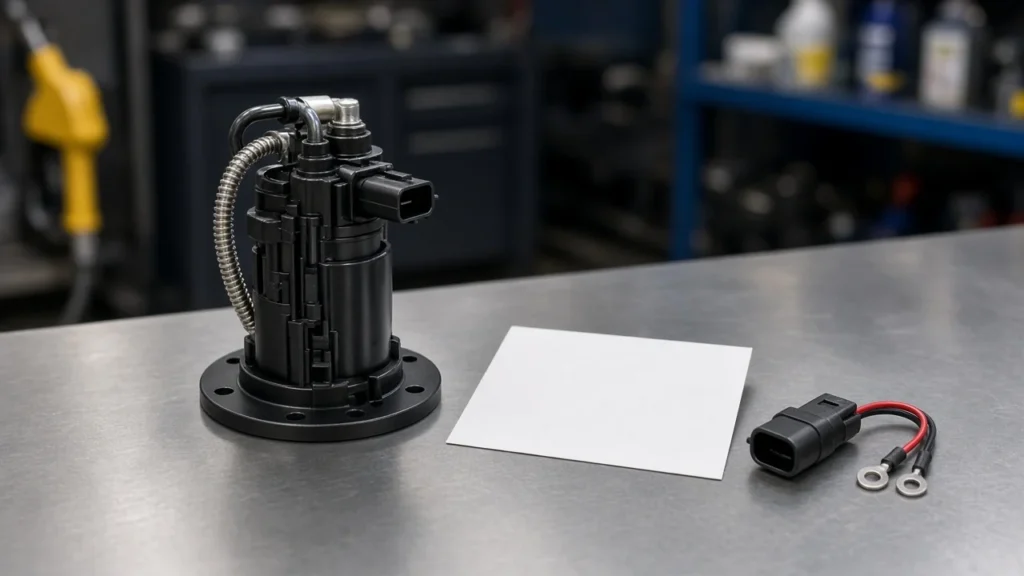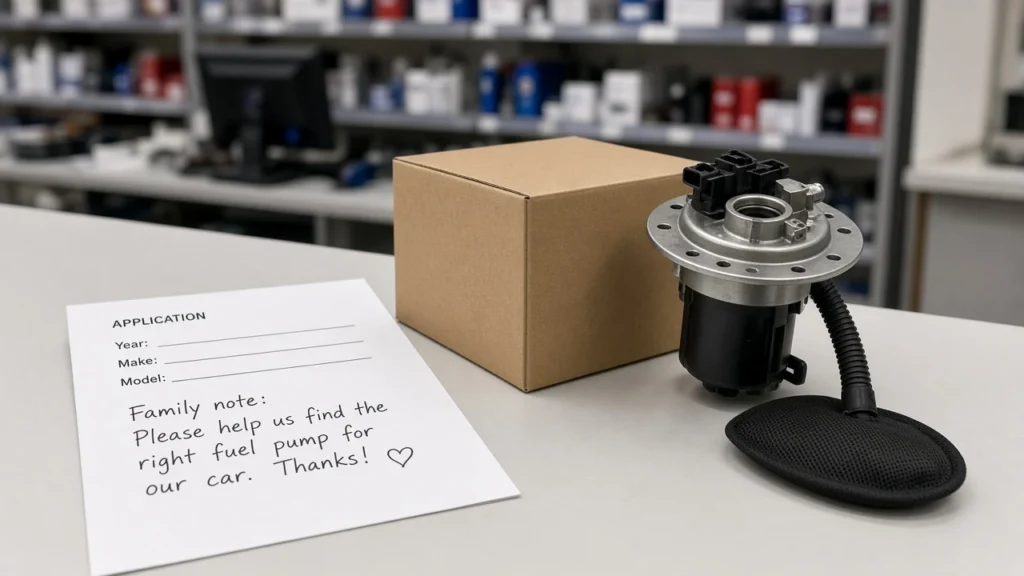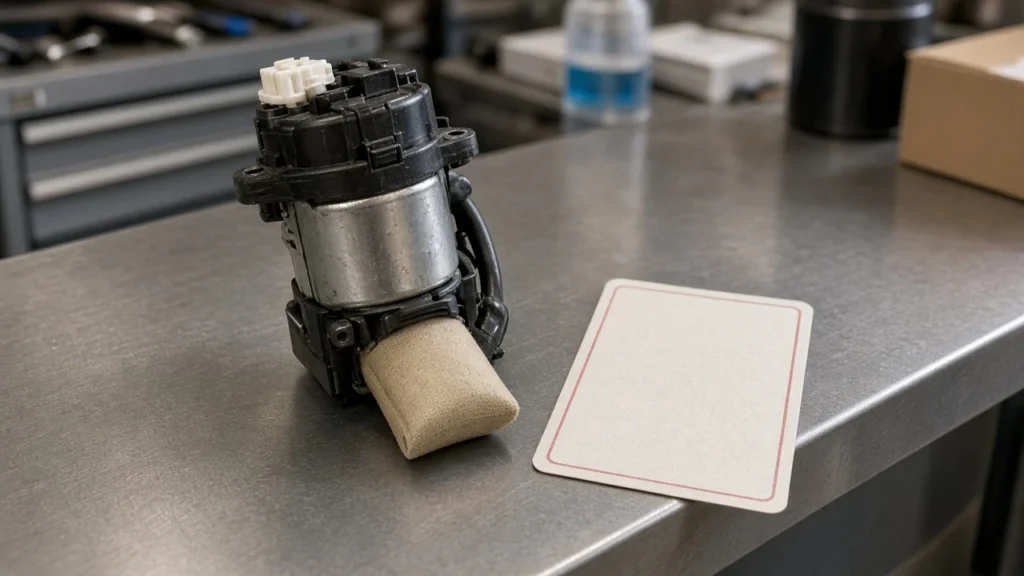
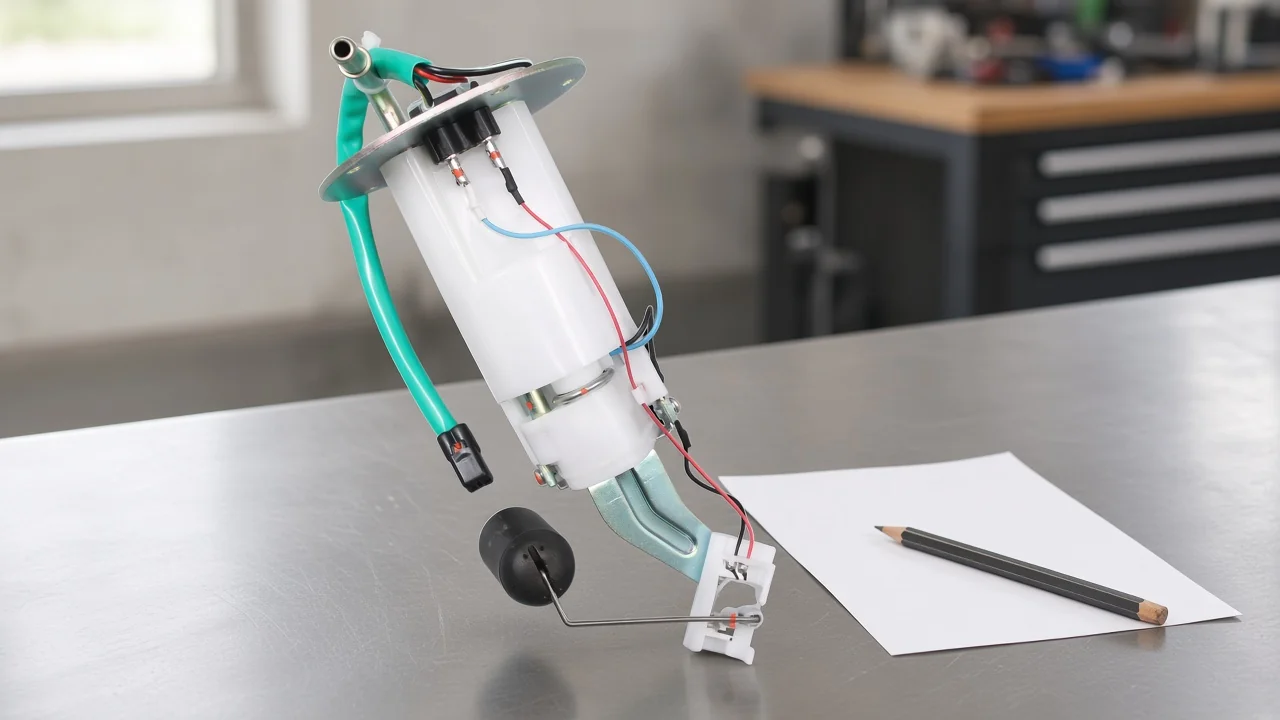
A fuel pump filter purchase line may name a sock strainer on an in-tank module, a separate in-line or chassis fuel filter, a transfer-pump filter carton, or another filter object the sheet already prints — and this catalog does not print a filter bottle SKU. Trade education already splits strainer from fine filter, and many systems carry both an in-tank sock and a line filter.
Transfer and portable pump-filter cartons are a different class. KS-360501 / product 2551 stays a 1987-1995 C/K complete assembly window, never a stand-in filter bottle.
What a fuel pump filter line is allowed to name
The line may name a sock strainer, a separate in-line filter, a transfer-pump filter, or another filter object the sheet already prints. Those three words on a United States parts ticket still need an object before anyone quotes a carton.
Live shopping results already mix sock cards labeled “fuel pump filter,” chassis fuel-filter category language, and transfer-pump filter accessories. A counter who grabs the nearest pump box without naming the object has skipped that fork.
A fuel filter screens foreign particles or liquids from fuel. Contaminants (dirt, rust) that stay in the stream can wear the pump or fuel injectors, and that still does not name which physical carton the ticket is buying today.
The purchase-line fork names four sheet-backed objects in plain counter language:
- Fuel pump strainer / sock — the mesh inlet screen on or with the module
- In-line / chassis fuel filter — the separate filter in the fuel line
- Transfer-pump / portable pump filter — a transfer or portable accessory carton
- Fuel pump assembly / module — a complete pack that may carry a captive screen, still not a standalone filter bottle
| Ticket reading | What the words may name | What the counter must match | What not to invent |
|---|---|---|---|
| Sock strainer | Mesh sock on the pump inlet | Sheet already prints sock / strainer / module inlet screen | A fine-filter bottle SKU for that sock job |
| In-line / chassis filter | Separate filter in the fuel line | Sheet already prints a line or chassis filter | Quoting a pump assembly as that bottle |
| Transfer / portable filter | Accessory filter on transfer equipment | Sheet already prints a transfer carton | An automotive module filter bottle on this catalog |
| Sheet-other | Another filter object already printed | Exact printed name on the sheet | A Kangsong filter SKU that is not printed |
| Not on this sheet | Filter job with no printed carton here | Category browse; soft-link sisters when needed | Fake filter bottle; KS-360501 as filter |
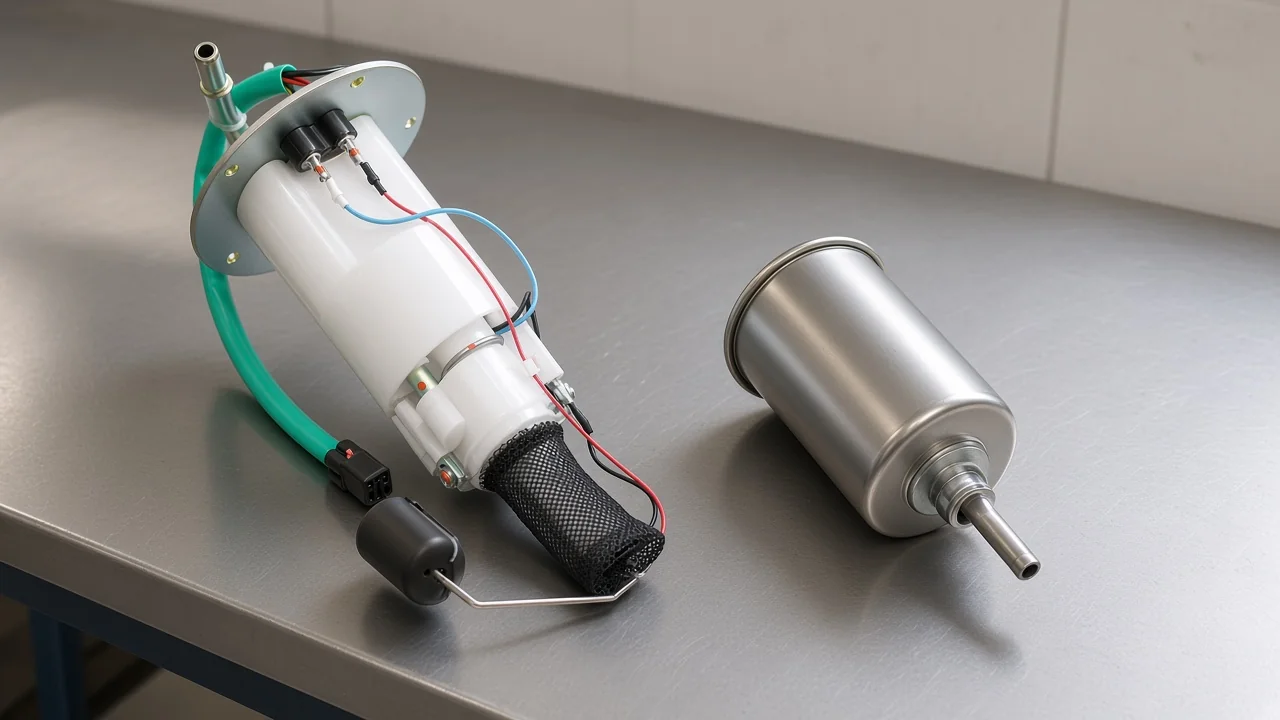
A sock strainer is not the same purchase line as a fine filter
A strainer blocks the largest debris only; a fine filter is a different purchase line — soft-link the strainer sister for sock depth. Buyers often say “filter” while pointing at the sock; the purchase line still has to rename the object before it quotes.
Important: A strainer is not a filter. A strainer will block the largest pieces of debris, but it will not protect a pump from a thoroughly contaminated fuel supply. — Auto Service World
In-tank electric pumps are often assembled with a fuel strainer and a fuel-level sensor. That module context explains why a sock can ride with the pump without becoming a standalone filter bottle on the shelf.
When the sheet means the sock, send the depth question to the fuel pump strainer page. The fork here stays sock language versus fine-filter language on the same three-word ticket.
One fuel system can carry both an in-tank sock and a line filter
Industry education treats an in-tank strainer plus an external inline filter as a normal two-object pattern. One ticket can therefore need two names when the vehicle already carries both.
Fuel is drawn through an inlet mesh sock that helps keep rust and dirt out of the pump. Fuel then moves through the line and a separate filter that traps particles that passed the pump so they do not clog injectors.
Trade technician material repeats the same pattern: an in-tank filter or strainer (often called a sock) restricts large contaminants, while external in-line filters protect the rest of the system. Fine particles can pass a strainer into the pump, which is why the line filter stays a different service object.
If the buyer points at the sock and the chassis canister in one breath, write both objects. Do not collapse them into one invented Kangsong filter SKU.
Transfer-pump and portable filters are a different carton class
A transfer or portable pump filter accessory is not an automotive module filter bottle on this catalog. Fuel-transfer accessories and portable pump-and-filter bundles answer a different machine.
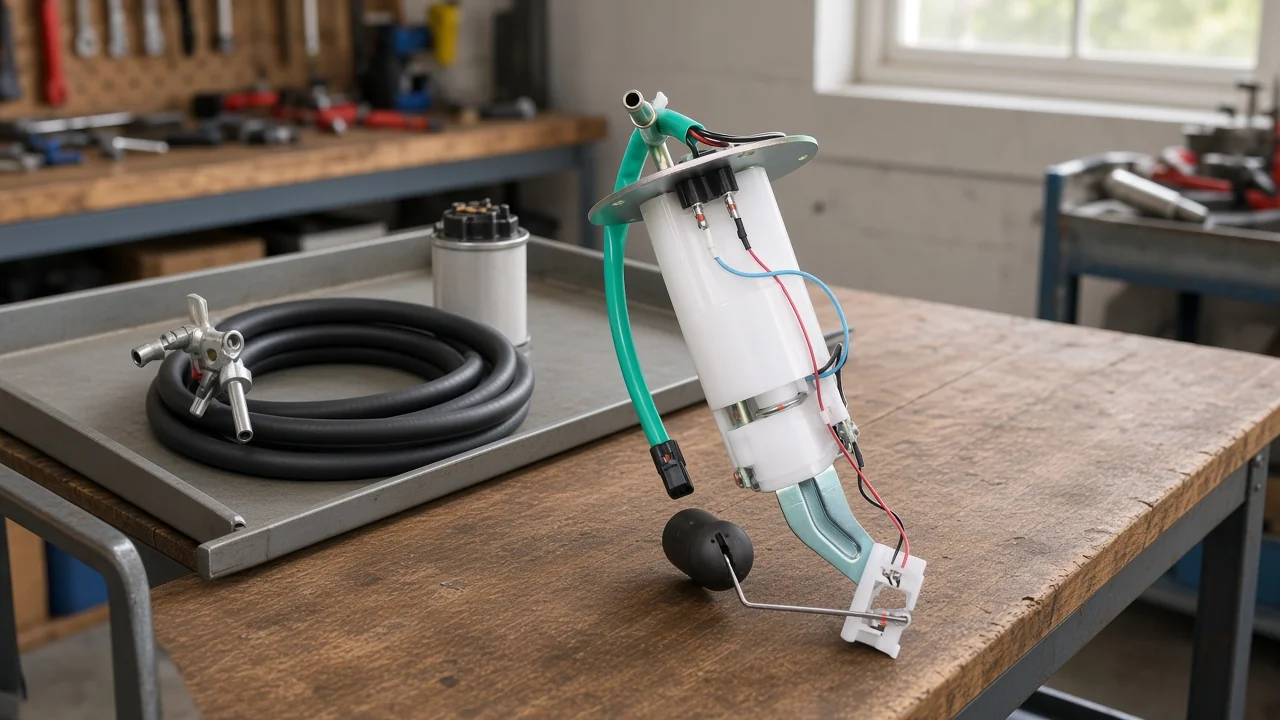
When the paste or screenshot shows a transfer carton’s filter, park that object outside the C/K assembly window. This catalog’s browse path still shows pump and assembly cards, not a transfer-filter aisle.
Lawn-mower or small-engine vacuum-filter shopping that lands on the same query belongs on its own brand sheet, not on this filter-object ticket.
This catalog prints no fuel-pump-filter bottle SKU
Public browse prints pump and assembly cards; KS-360501 does not print filter, strainer, sock, or micron. The honest boundary for this ticket is the missing filter carton, not a fake SKU invented to stand in for that bottle.
KS-360501 is the printed 1987-1995 C/K electric fuel pump complete assembly: pump, sending unit, and housing for that truck window. KS-360501 prints an electric fuel pump part, OE marks such as 25168719 and E3902, DC 12V, a 2-pin connector, 43.3-49.5 Gph, Accessories Included Yes, and a 1-Year Limited Warranty.
| Printed line on KS-360501 | What the label is | Filter-job misread |
|---|---|---|
| 1987-1995 C/K 1500/2500/3500 | Vehicle window for this kit | A filter bottle ticket does not use this window |
| OE 25168719; E3902 | Interchange on this assembly | A filter SKU is not printed here |
| DC 12V; 2Pins | Electrical labels | These marks stay electrical |
| 43.3-49.5 Gph | Printed flow on the assembly | Flow stays flow; it is not a filter rating |
| Maximum Air Pressure 12-26 | Air label only | Never a filter micron or fuel-pressure claim |
| Accessories Included Yes | Kit content flag | Never proof of a sellable filter bottle |
| pump + sender + housing | Complete assembly | Never a standalone filter carton |
| 1-Year Limited Warranty | Warranty on this kit | Never a warranty for an invented filter SKU |
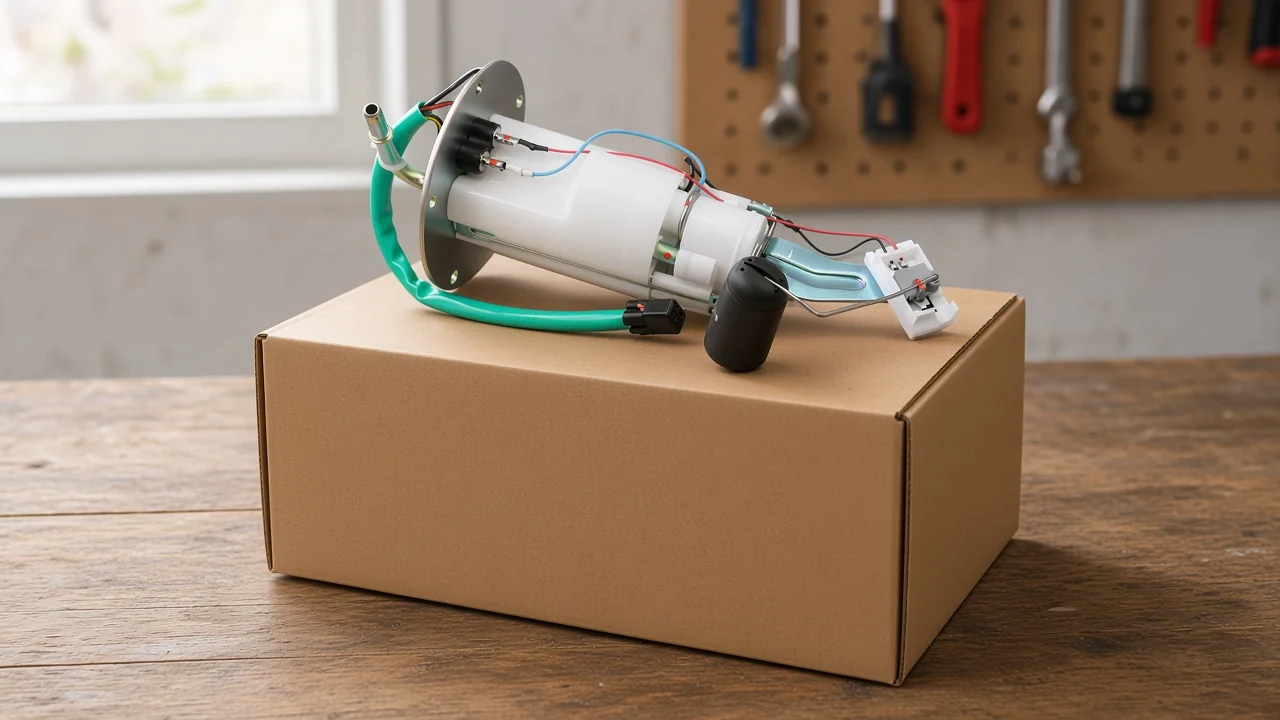
Maximum Air Pressure 12-26 is the air label only. Do not read it as a filter micron band or a fuel-pressure figure for a bottle that is not on the sheet.
Match the printed sheet before you quote the line
Name the object the sheet already prints; do not invent a Kangsong filter SKU. The same three words can still mean sock, line filter, transfer accessory, or “not on this sheet,” so the sheet is the first check.
Work the ticket in this order:
- Write the physical object the buyer is pointing at (sock, line filter, transfer filter, or sheet-other).
- Confirm the printed name on the sheet or OE line before you open a carton URL.
- Soft-link the strainer sister when the sheet means sock and needs sock depth.
- Keep cleaner chemistry and gasket sealing on their own pages when those objects appear.
- Browse the category when the filter job is unprinted here; open KS-360501 only for the printed C/K assembly window.
A seal or gasket residual stays on the fuel pump gasket page. A bottled cleaner residual stays on the fuel pump cleaner page. Neither object becomes a filter bottle on this catalog.
A complete pump assembly is not a standalone filter carton
An assembly with pump, sender, and housing is a different carton from a filter bottle. Many in-tank electric pumps already ship in a pack with a strainer and a level sensor, which is why the kit reads as a complete assembly.
Assembly-versus-element naming sits on fuel pump assembly vs fuel pump. Here the risk is narrower: quoting the complete assembly carton as the filter invents a card the sheet did not print.
If the ticket is only the sock on an otherwise correct module, that is still a strainer-line conversation. If the ticket is only the chassis canister, that is still a line-filter conversation. The complete assembly carton answers neither by itself.
Browse the product catalog for unprinted filter jobs; quote KS-360501 only for the C/K window
Unprinted filter jobs stay on category browse; open KS-360501 only when the ticket is the printed 1987-1995 C/K complete assembly.
Start unprinted filter tickets on the Kangsong product catalog. Those cards are pump and assembly listings, so they will not invent a filter bottle for you.
Use the KS-360501 1987-1995 C/K electric fuel pump assembly when the sheet already names that truck window, 25168719, E3902, or the same printed complete-assembly job. Do not open that URL as a filter bottle substitute.
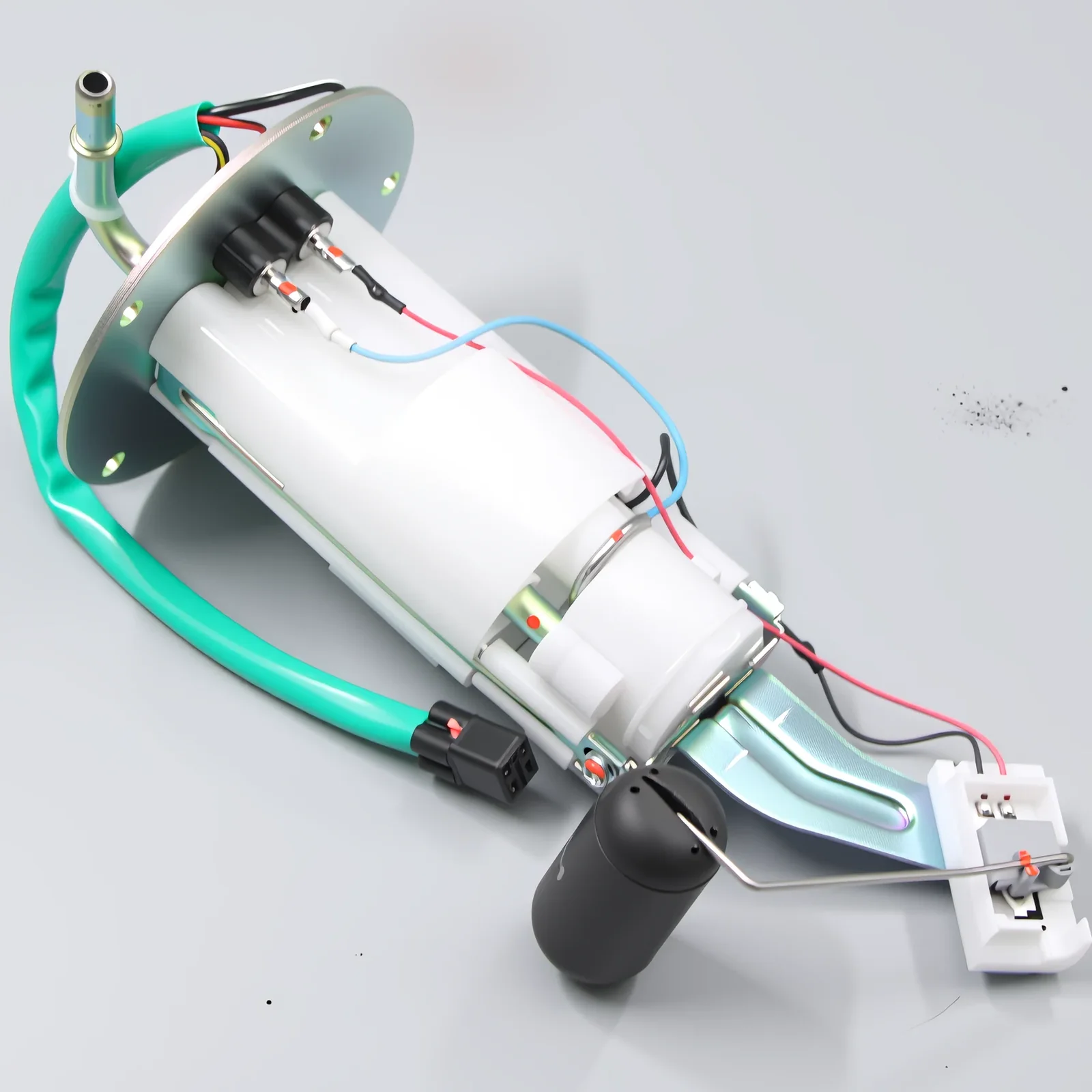
If the sheet still says sock, stay with the strainer soft-link. If it still says chassis filter or transfer filter, keep those cartons off this assembly URL. Maximum Air Pressure 12-26 remains the air label on the kit, never a reason to treat the kit as a filter SKU.
FAQ
Is a fuel pump strainer the same as a fuel filter?
No. Trade countertalk treats a strainer as a different purchase line from a fine filter: the strainer blocks the largest debris only. Soft-link the fuel pump strainer page when the sheet means the sock.
What does a “fuel pump filter” line usually mean on a parts ticket?
It usually still needs an object named first. On live United States shopping results, the same words can point at a sock strainer, a separate in-line or chassis filter, a transfer-pump filter accessory, or another filter object the sheet already prints.
Does kangsongcn.com sell a fuel pump filter bottle / SKU?
No. Public catalog browse shows pump and assembly cards, and KS-360501 does not print filter, strainer, sock, or micron as a sellable filter SKU. Unprinted filter jobs stay on category browse rather than on a fake filter card.
Can KS-360501 be quoted as the filter?
No. KS-360501 is the printed 1987-1995 C/K complete assembly with pump, sending unit, and housing. Quote that URL only when the ticket matches that assembly window, never as a filter bottle.
Should I clean or reuse the sock/filter on a pump swap?
Industry education says not to reuse old strainers or filters when a pump is replaced. On an AskMechanics outer-filter thread, owners call that sock a “filter,” but replies rename it a strainer or sock — the object is still a strainer line.
Does a fuel pump need a strainer?
Many in-tank electric pumps ride with an inlet screen, but whether your sheet prints a strainer is a sock-depth question. Soft-link the fuel pump strainer page for that object; the filter-line naming fork stays here.
References
- Fuel filter (Wikipedia)
- Fuel pump (Wikipedia)
- Countertalk: five easy pieces to reducing fuel pump warranty claims (Auto Service World)
- Electric fuel pumps (AA1Car)
- Fuel pump diagnosis (Airtex via AA1Car PDF)
- Guide to proper fuel pump replacement (Carter / Tomorrow’s Technician PDF)
- AskMechanics thread: can the outer filter of the fuel pump be removed?