A fuel pump cleaner line names a chemical additive bottle or a shop cleaning service, not the printed 1987-1995 C/K pump assembly and not a strainer carton. The same ticket still has to refuse a restoration claim, keep bay labor off this shelf, and open KS-360501 only when the sheet is that truck window.
Live shopping results already treat the query as a bottle. This catalog still prints an electric gasoline pump assembly, so the first job is to name the object before anyone quotes a carton.
Fuel pump cleaner on a ticket names a bottle or a shop clean
Those words name a chemical additive or a shop cleaning service, not an electric pump carton. A counter who hears “cleaner” and reaches for the nearest pump box has already skipped that fork.
On a United States shopping SERP, the same phrase is answered with bottled fuel-system products. Parts language also folds in fuel system cleaner and fuel injector cleaner as names for that bottle family, still not for a pump box.
In that reading, the chemical additive sits on a parts-store shelf as a pour-in detergent product. The ticket can also mean a bay job: a tank flush or injector service written as labor.
| Ticket reading | What the words name | What this catalog prints | What the counter must not invent |
|---|---|---|---|
| Bottled additive | A chemical additive or fuel system cleaner bottle | No cleaner SKU | Chemistry, treat rates, or a fake bottle card |
| Shop clean | Tank flush or injector service labor | No service card | A carton that stands in for bay work |
| Pump carton | An electric fuel pump assembly | KS-360501 only as the 1987-1995 C/K window | Quoting that kit as a cleaner |
Read that table as a naming scan. It does not become a three-way buy list, and it does not create a chemical SKU.
Send a sock or inlet-screen ticket to the fuel pump strainer page.
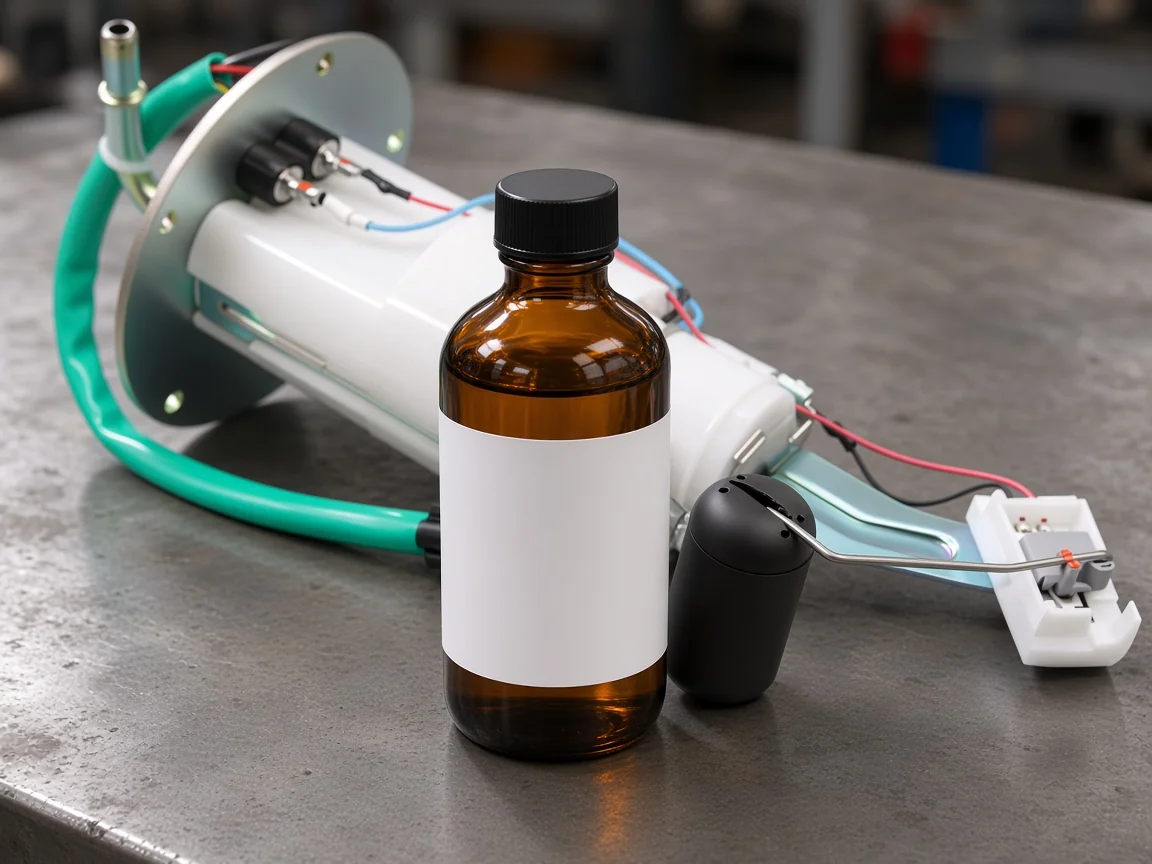
A bottled cleaner does not restore a failed electric pump
If the pump is failing or jammed, no bottle is bringing it back. That is the parts-counter limit, and this page will not add a shop recipe.
Important: If the fuel pump is failing, no bottle is bringing it back. — MotorBiscuit
Owners already ask whether a bottle can act like a mechanic in a bottle. A failed electric pump, a jammed injector, or a dead electrical path stays a hardware job.
Trade writing puts contamination first among pump failures, then electrical connection faults. Extra additive is called a bad idea there, which is another reason this page will not write a dose.
Dirt, dry-run heat, and loaded-voltage questions already live on what causes electric fuel pump failure. This page only needs the fork: a preventative detergent bottle is one object, and a dead pump is another.
People also ask whether a cleaner extends pump life when the tank runs low or rust is already in the fuel. Those threads still end on hardware and fill level, not on a restoration promise.
Pump gasoline already carries detergent; TOP TIER is still gasoline
US pump gasoline already carries a detergent floor, and TOP TIER is a gasoline program, not a cleaner SKU on this catalog. A buyer who says “the gas is dirty, so we need a bottle” is mixing two objects.
AAA’s fuel-quality work attributes a lowest additive concentration to the EPA in 1996. Wikipedia’s TOP TIER page places the EPA minimum detergent standard in 1995, so the floor is a mid-1990s pump-gasoline rule, never Kangsong chemistry.
Deposit-control detergent is the class already required in petrol. Wikipedia’s additive list names polybuteneamine (PBA), polyisobuteneamine (PIBA), and polyetheramine (PEA) inside that class.
TOP TIER Detergent Gasoline is an automaker program created in 2004. That page describes it as typically two to three times the EPA detergent amount.
AAA’s ASTM D6201 work found TOP TIER gasoline averaged 19 times fewer intake-valve deposits, 34.1 mg versus 660.6 mg. Those milligram figures are AAA’s gasoline result, never a Kangsong cleaner rating.
AAA also cites secondary research that long-term use of gasoline without an enhanced additive package can lead to 2-4% fuel-economy loss. That is still a pump-gasoline note, never a restoration claim for a bottle.
A live shopping overview can list PEA bottles and still say additives cannot fix a physically broken or electrically dead pump. The detergent already in the tank does not rewrite this catalog into a chemical aisle.
A shop tank or injector clean is labor, not a catalog card
A tank flush or injector service is a labor ticket, and this catalog does not print that card. The words on the sheet can mean work in a bay even when no bottle is sitting on the counter.
Wikipedia’s TOP TIER page notes that a mechanic may add a can of fuel-injector cleaner in milder deposit cases. Severe injector or intake-valve work can need replacement or walnut blasting, which is still labor, and still off this shelf.
Shop cleaning service language therefore stays on the repair order. It does not become KS-360501, and it does not become a fake chemical SKU on the category.
This catalog’s browse cards are pump listings. An unprinted cleaner or bay-clean job has no object to pick from those cards, so the counter keeps the labor conversation off the shelf.
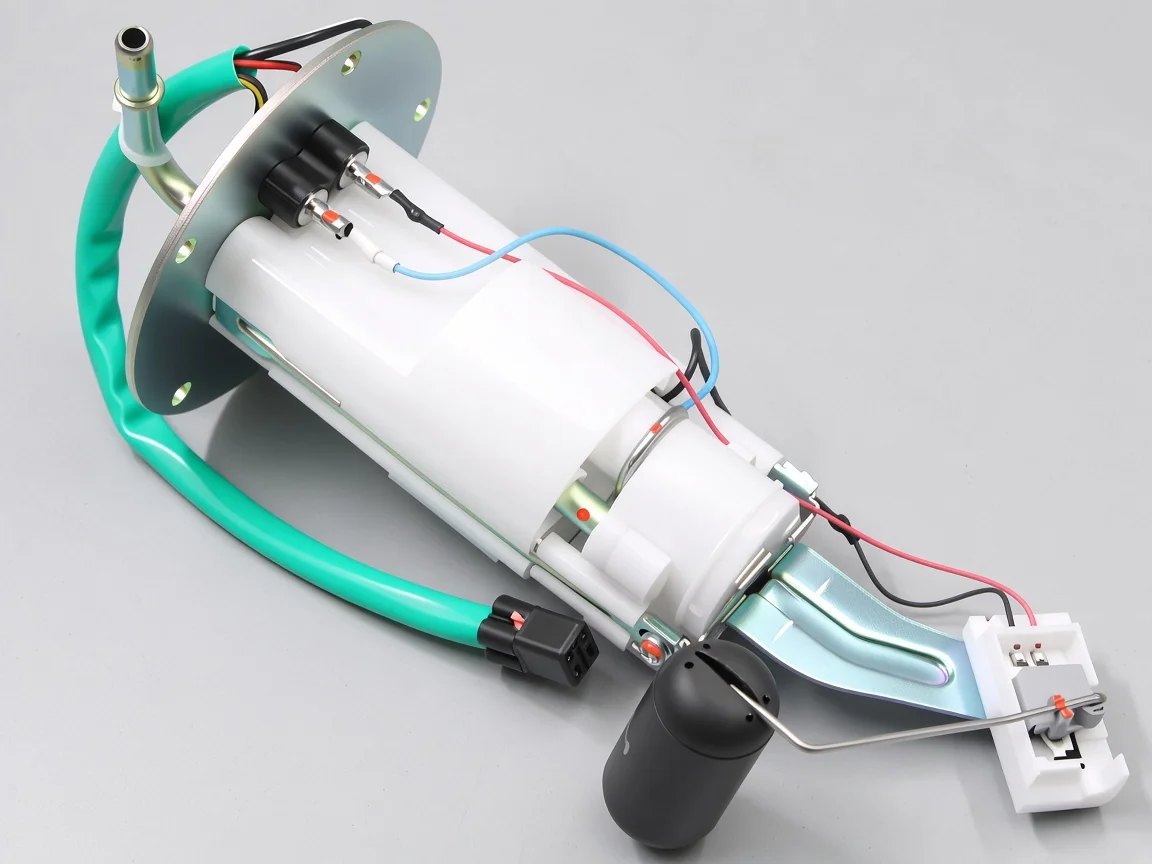
This catalog prints a 1987-1995 C/K pump assembly, not a cleaner
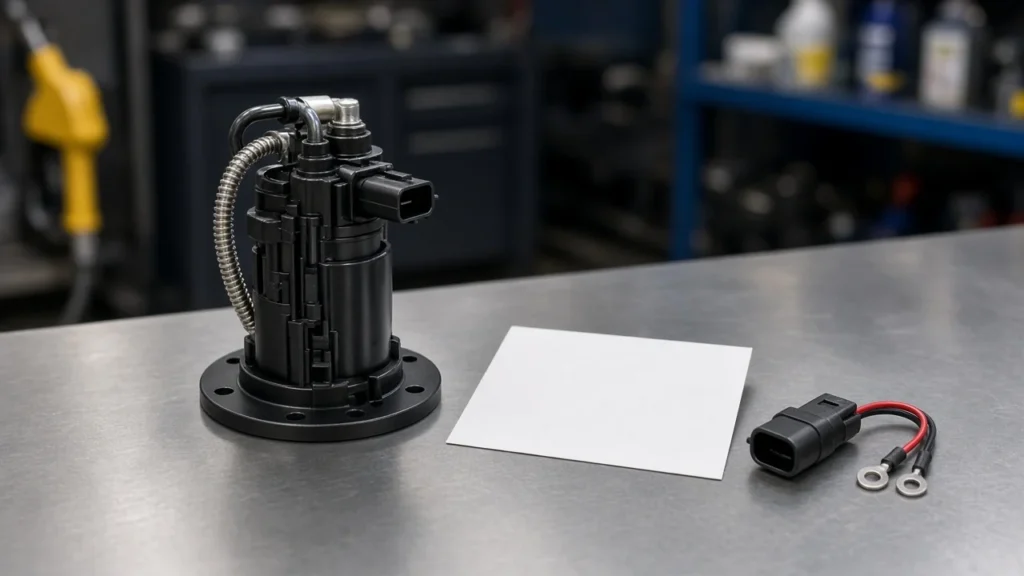
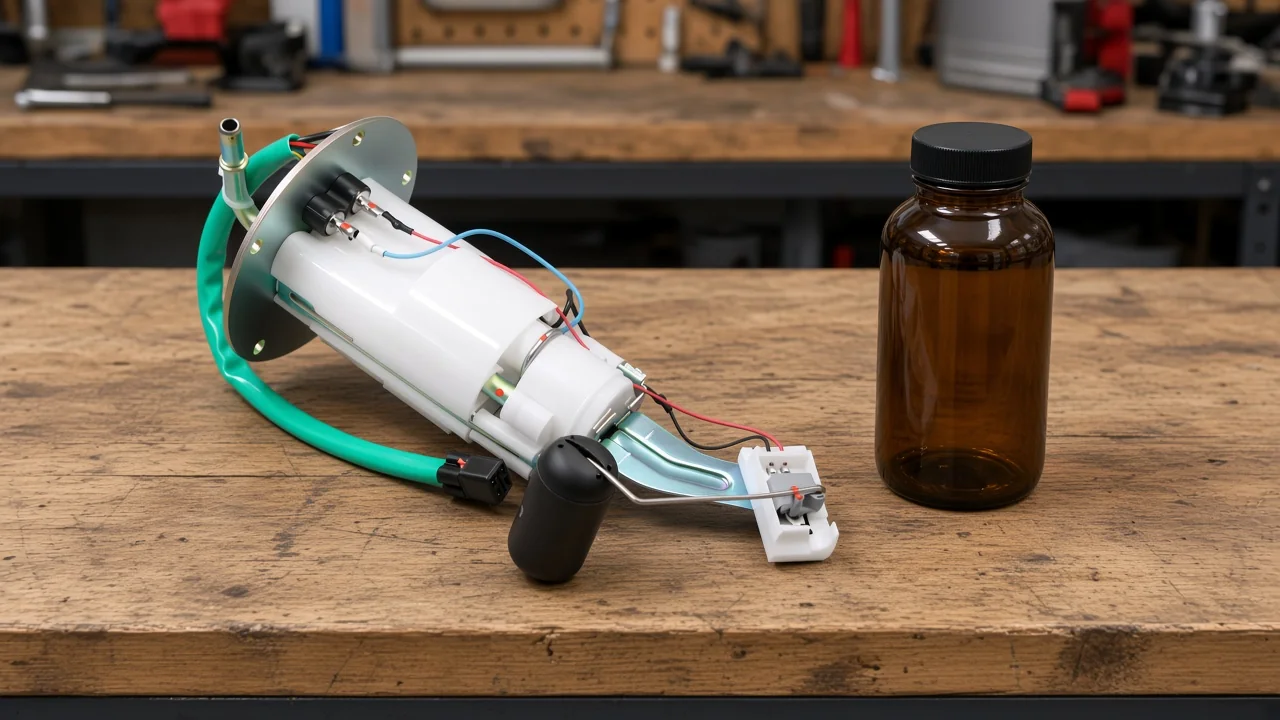
KS-360501 prints a 1987-1995 C/K pump+sender+housing kit with electrical labels and a 1-Year Limited Warranty, and it does not print a cleaner. The carton is an electric fuel pump assembly for that truck window.
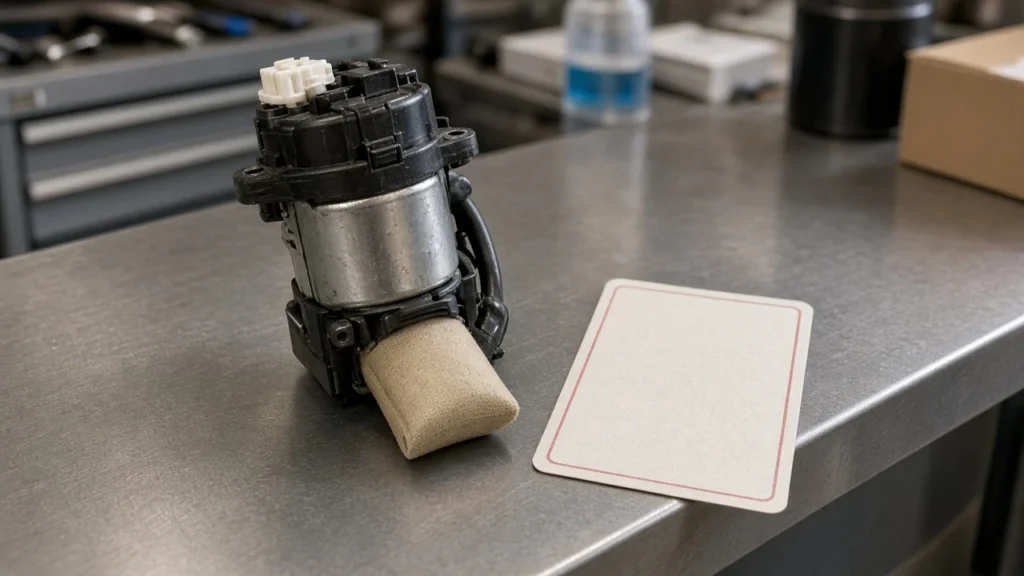
Wikipedia’s fuel-pump article describes the pump as the unit that transfers fuel from the tank to a carburetor or injector. In-tank electric packs often sit with a strainer and a level sensor, which is why this kit reads as pump, sending unit, and housing together.
| Printed line on KS-360501 | What the label is | Cleaner-job misread |
|---|---|---|
| 1987-1995 C/K 1500/2500/3500 | Vehicle window | A cleaner ticket does not use this window |
| OE 25168719; E3902 | Interchange on this kit | A bottle SKU is not printed here |
| DC 12V; 2-pin | Electrical labels | These marks stay electrical |
| 43.3-49.5 Gph | Printed flow | Flow stays flow; treat volume stays off this page |
| Maximum Air Pressure 12-26 | Air label only | Never a cleaner or fuel-pressure rating |
| 1-Year Limited Warranty | Warranty on this kit | Never a restoration promise |
| pump+sender+housing | Complete assembly | Never a pour-in chemical |
Kit labels print DC 12V, a 2-pin connector, and 43.3-49.5 Gph. Maximum Air Pressure 12-26 is the air label only.
Hanger-versus-element wording belongs on fuel pump assembly vs fuel pump. The useful fact here is the printed pack: pump, sending unit, and housing for that C/K window.
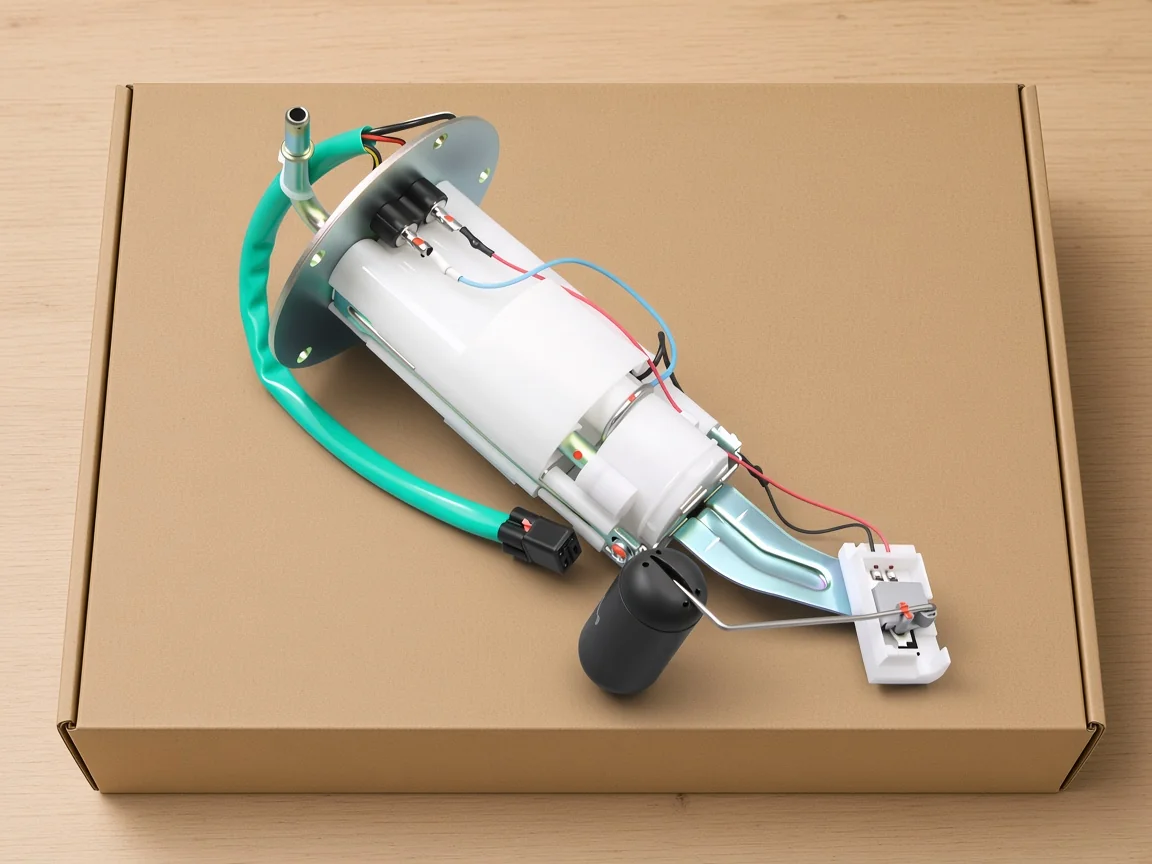
No cleaner word, PEA name, or shop-clean SKU appears on that product page. Quoting the kit as a bottle or a bay flush invents a card the catalog does not print.
Quote the C/K kit only when the ticket fits that printed pump window
Open KS-360501 only when the ticket is the printed 1987-1995 C/K window; an unprinted cleaner job stays on this article and the category browse. The kit is the carton for that truck assembly, never a stand-in for a bottle.
Use the 1987-1995 C/K electric gasoline pump when the sheet names 1987-1995 C/K 1500/2500/3500, 25168719, or E3902. Those printed marks are the only reason to open that URL.
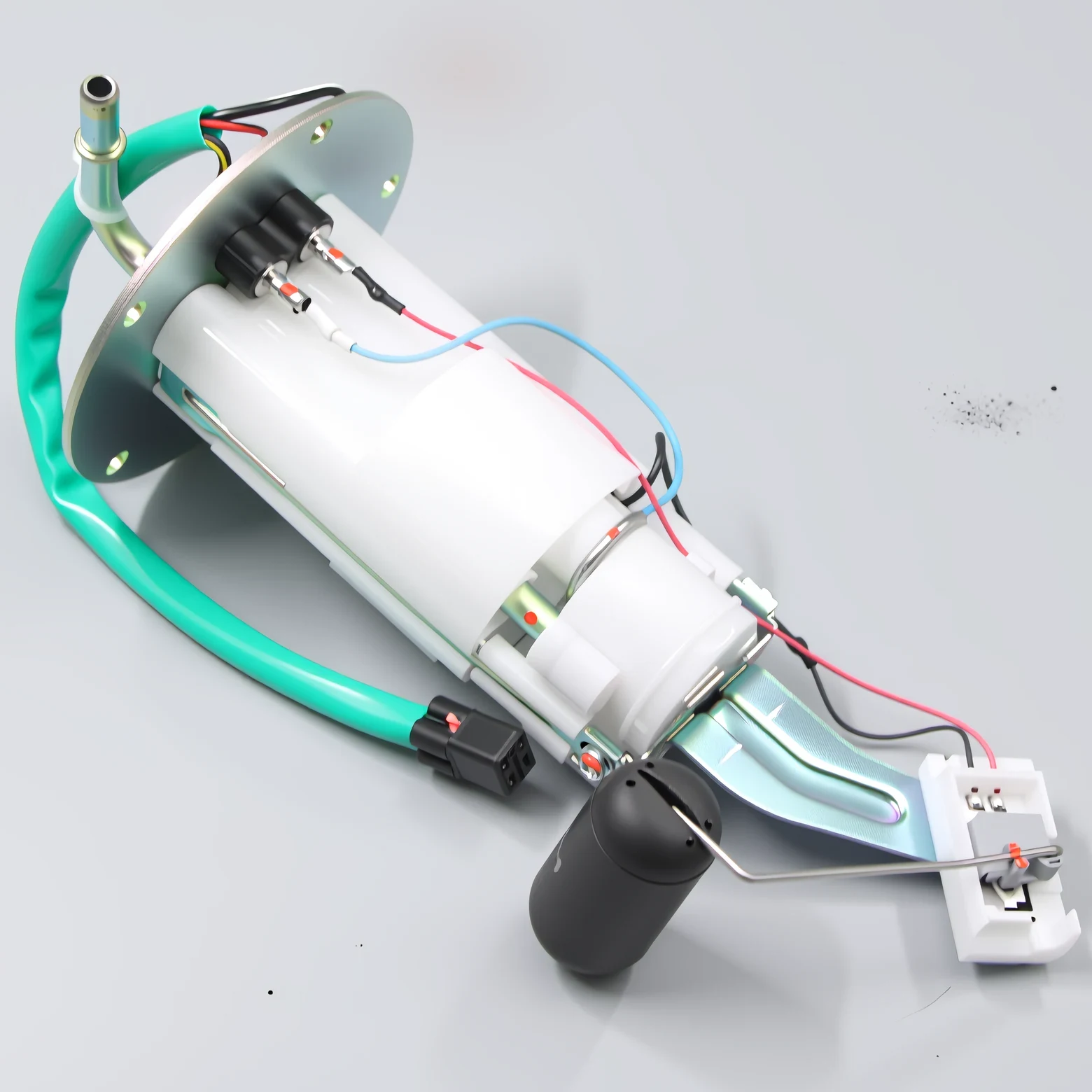
If the sheet still says cleaner, keep the bottle or bay conversation off this catalog and stay on the product category. Do not invent a chemical card, and do not treat Maximum Air Pressure 12-26 as a cleaner rating.
Duty window versus mile life already has a home on how long does a fuel pump last. This page only hands the printed C/K carton when the ticket is already that pump.
FAQ
Does a fuel pump cleaner line name a pump carton?
No. On the live shopping reading, those words name a bottle or a shop clean. This catalog’s printed carton is the 1987-1995 C/K assembly, and only that window turns the ticket into KS-360501.
Can a bottled cleaner restore a failed electric fuel pump?
No. If the pump is failing or jammed, no bottle is bringing it back. A broken injector or a dead electrical path is the same kind of hardware limit.
Does this catalog print a cleaner SKU?
No. KS-360501 prints pump, sending unit, housing, and electrical labels. Category cards are pump listings, so an unprinted cleaner job stays here and on the category browse.
Is US pump gasoline already required to carry detergents?
Yes. AAA attributes a lowest additive concentration to the EPA in 1996, and Wikipedia places the EPA minimum detergent standard in 1995. That floor is pump gasoline, not a Kangsong bottle.
Is TOP TIER gasoline the same object as a bottled cleaner?
No. TOP TIER Detergent Gasoline is an automaker gasoline program from 2004, typically described as two to three times the EPA detergent amount. It is still gasoline at the pump, not a cleaner card on this catalog.
Is a shop tank or injector clean the same as KS-360501?
No. A tank flush or injector service is labor. KS-360501 is the printed 1987-1995 C/K pump+sender+housing kit, and this catalog does not print a service card for that bay work.
Is the C/K Maximum Air Pressure 12-26 a cleaner rating?
No. Maximum Air Pressure 12-26 is the air label on KS-360501. It is never a cleaner rating and never fuel pressure.
Should this page retell strainer, life, or failure tickets?
No. Those tickets stay on their own pages: strainer versus chassis filter, assembly versus pump, electric-pump failure, and how long a pump lasts. This page only names the cleaner line and the printed C/K window.
References
- Fuel Quality — AAA Automotive Research
- List of gasoline additives (Wikipedia)
- TOP TIER Detergent Gasoline (Wikipedia)
- Expert take on fuel system cleaners (MotorBiscuit)
- It may not be the pump (Vehicle Service Pros)
- Fuel pump (Wikipedia)
- Do fuel injector cleaners actually work? (MechanicAdvice, Wayback)