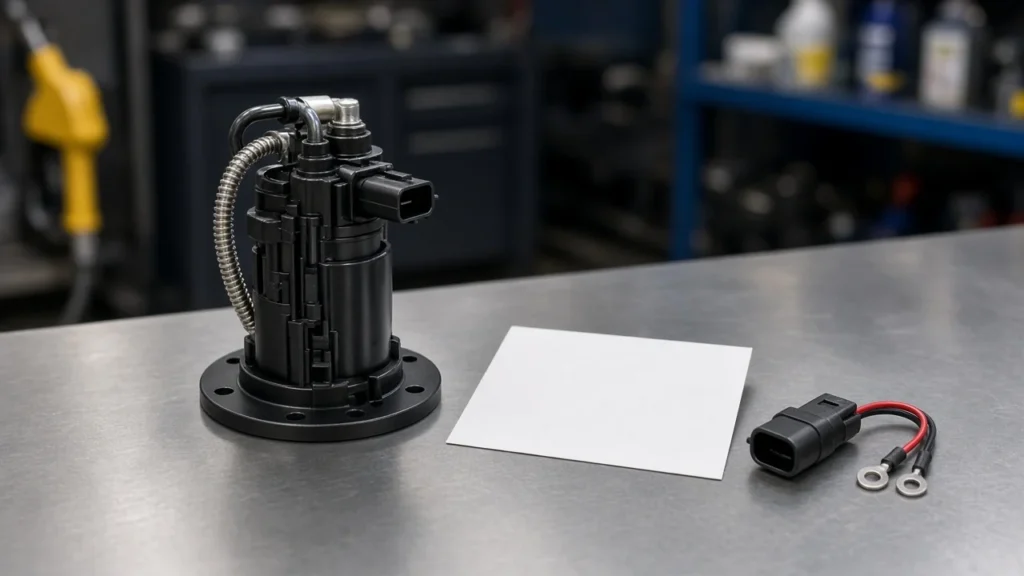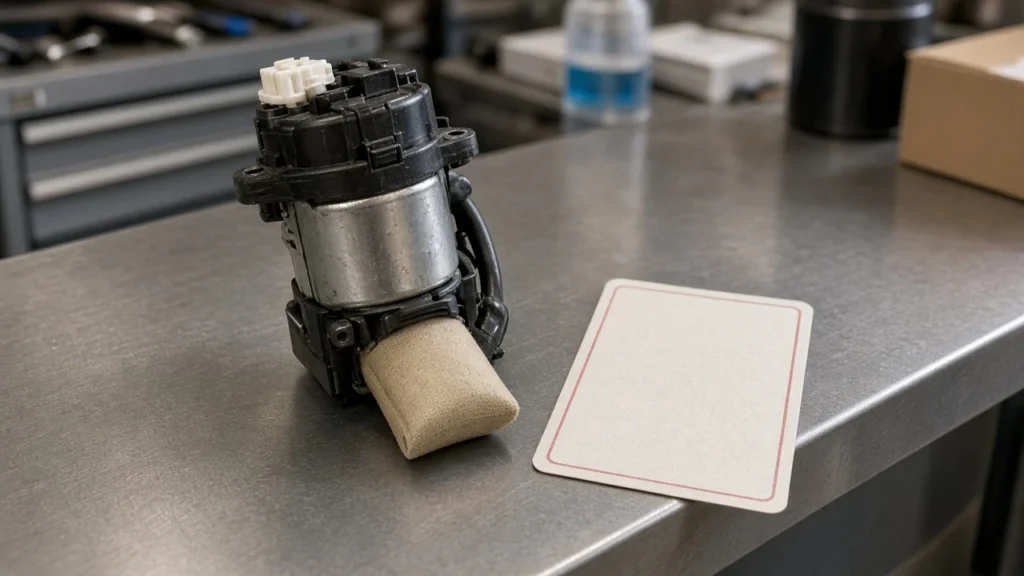
Electric fuel pump motors fail when the fuel stream stops cooling them, grit gets past the strainer onto the brushes, or supply voltage holds on an open connector and falls only while the motor draws current. US shops and importers can separate what causes electric fuel pump failure into a dirty fuel pump strainer, dry-run heat, voltage under load, and a worn brush and commutator before they print a replacement. The path below follows that order and ends on one gasoline kit for 1987–1995 C/K trucks.
Photograph the strainer and the tank before you blame the motor
A rusty sock or a tank full of fine debris is already a reason the motor was starved or grit-cut, so photograph that before the pump is called dead. The inlet screen is the first thing a counter can hold up to the light.
A shop teaching page puts the fuel strainer cutoff near 70 microns and says grit around 30 to 40 microns still reaches the carbon brush and the commutator. Moisture and fine rust walk through a sock that was only meant to stop chunks. That is why a brown sock and a clean-looking motor can still belong to the same failure.
From the field: On a ThirdGen that had sat since the early 1990s, a reply warned that fresh fuel loosens crud, clogs the pickup sock, and lets that crud into the pump, and that a pump which works cold and quits hot is already failing. — ThirdGen hot-stall thread
Another owner on that board pulled the pump and found it packed with fine rust. The sock did not look as if it had caught much, and the tank wall was rusty. For a US importer, that pair of photos is the evidence pack: sock and tank, not a guess about mileage.
Old gasoline that sat through a humid summer does the same job as road grit. Water sheds out, lime and rust form, and the inlet sieve packs shut. Motorservice cutaways of complaint pumps show that packed sieve again and again, with the rotating parts jammed or the pump left to spin without a fuel flush.
| Finding on the bench | What it says about the motor | What the counter does next |
|---|---|---|
| Brown sock, torn mesh, or rust flakes in the tank | Fine grit reached the brushes or the inlet was blocked | Clean the tank and fit a new sock with the pump |
| Pump noisy, pressure weak, sieve packed | Inlet flow is gone and the motor is running hot | Open the inlet path before another motor goes in |
| Sock looks new and the tank is clean | Grit is a weak story | Move on to heat marks, loaded voltage, and the brush face |
| Same pump dead twice, sock never changed | The new motor inherited the old debris | Treat the repeat as a tank job, then a motor job |
Importers buying for US truck counters should ask for the sock photo on the ticket. A part number alone does not show whether the tank still holds the grit that killed the last motor.
Dry-run heat shows up as melted plastic in the pump
When fuel stops moving through the motor, the same stream that should carry heat away is gone, and the plastic in the pump can melt. When inlet flow stops, dry running begins, and the fuel that should lubricate and cool the motor is gone.
Trade writing on brush motors puts the heat at the point where the brushes meet the copper bars, and it says fuel flowing through the pump is what carries that heat off. A kinked inlet hose, a silted sieve, or a tank run to empty all stop that flush.
The motor can still be powered. It just has nothing liquid taking the heat with it.
Owners on ThirdGen put the same idea in plainer words. One reply to a pump that died with only about 8,000 miles on the replacement blamed driving with very little gas in the tank, all the time, because the pump uses fuel to cool it and is no longer submerged.
That is owner talk about cooling, and it lines up with the shop point that a returnless layout is harsh. Run it out of fuel once and the damage can stick.
Cutaway complaint photos from a pump maker show the plastic parts friction-welded after a dry run, next to a sieve that is clogged on one sample and clean on another. You do not need their brand name on the purchase order. You need the same clue on your core: melted vanes, a scored ring, or a housing that cooked while the connector still looks intact.
Heat after a drive, then a restart once the truck sits, can be this mode or a brush that lost contact until things cooled. Split them with the next two checks.
If the inlet was blocked or the tank was dry, fix that path even if the brush face also looks tired. A fresh motor on a closed sieve repeats the cook.
Voltage that stays up until the motor is connected
Battery voltage on an open connector is not proof the motor is being fed. The drop shows up when the pump is plugged in and drawing current.
On a circuit that is supposed to see full charging voltage, a loaded drop larger than 0.5 V on either the feed or the ground is the wiring or the connector, not a worn motor. That ceiling comes from a technician article on high-current pump circuits.
It is the wrong yardstick for a system that lowers voltage on purpose to slow the pump. Those speed-control layouts are a different conversation.
A Lincoln owner watched this in the driveway. The connector showed battery voltage and a ground with the plug off. The moment a pump motor was connected, the voltage disappeared, on more than one motor.
The useful reply was electrical: a meter draws almost nothing, so a crusty joint still looks healthy until the motor asks for current. Write down the reading with the motor connected, under load, before anyone orders a pump.
Low voltage under load also heats the motor, because the pump draws more current to do the same work while less fuel may be moving through it. A Golf thread described repeat pump deaths in those two strokes: a dirty sock making the pump work harder and hotter, and low voltage doing the same by raising current.
The ticket line is simple. If voltage under load sags, the harness is the failed part you can see, and the brush face may still be fine.
How to probe the whole drop, back to the battery, lives on what causes low voltage to a fuel pump. This page stops at the evidence that changes the buy.
Brush and commutator wear is the motor evidence
Worn brushes and a filmed or open commutator bar are the motor’s own failure, visible as weak pressure, a whine, or a no-start that a tap sometimes frees. Worn carbon brush faces leave a burnt film on the commutator, and the motor gets too weak to hold pressure.
An electric fuel pump of this brush type has two jobs in one can: the motor and the pumping element. The brushes are the parts that wear in normal running. Each pass on the commutator makes a little heat.
Fuel usually takes it away. When the flush is poor, or grit has cut the brush face, carbon sticks to the bars, resistance climbs, and current falls. Pressure follows current down.
At some point the motor will not turn at all.
A worn commutator bar can leave the armature parked where the brush does not conduct, so the next start does nothing until the motor is nudged. Shops have known that tap-the-tank trick for years. It is a clue, not a repair.
A current trace with tall spikes or uneven humps points at the same brush and commutator pair, which a pressure gauge at idle can miss. AA1Car’s diagnose notes say the supply should sit within half a volt of system voltage before that waveform is blamed on the motor. If the loaded reading is already weak, go back one section.
Fine debris that wears the brush and commutator makes the motor pull more current, and that current is what burns the connector. AGCO’s shop page is blunt about the sequence: grit through the sock, worn brushes, higher amperage, then a connector that cooked.
Leave that plug in place and the next motor inherits the heat. A whine from the tank is the sound techs associate with tired brushes, including pumps that still move some fuel.
US counters should write the brush finding in words a buyer can file: whine plus weak pressure, tap-start, or a commutator that looks filmed, and a loaded voltage that still holds. That file is the replacement evidence. A humming shell with a healthy brush face is a different part, covered on what causes a fuel pump module to go bad.
When the evidence points away from a replacement pump
A driver module, a diesel supply pump, or a connector that fails the loaded-voltage check is a different part than this gasoline motor. Printing a C/K gasoline kit onto those jobs wastes the core and the freight.
| What you actually have | Why this gasoline motor is the wrong print | Read next |
|---|---|---|
| Feed or ground sags once the motor is connected | The harness is starving a motor that may still be fine | Low voltage to the fuel pump |
| A driver that never commands the pump | The motor may be waiting on the module | Fuel pump control module failure |
| Diesel injection or a diesel supply pump | Different fuel, different hardware | Diesel fuel pump failure causes |
| A whole-car no-start with spark, timing, and security still open | The motor is only one suspect | What causes a car fuel pump to fail |
| A hunt for the single most common cause | That ranking is a different article | Most common cause of fuel pump failure |
Portable transfer pumps and clip-on battery pumps are outside this ticket too. They are not the in-tank motor a C/K truck submerges in gasoline.
If the evidence is a melted driver or a diesel housing, stop. The catalog root is only a browse path, Kangsong products, and it does not pick the SKU for you.
Choose a printed electric pump only after the motor evidence is in
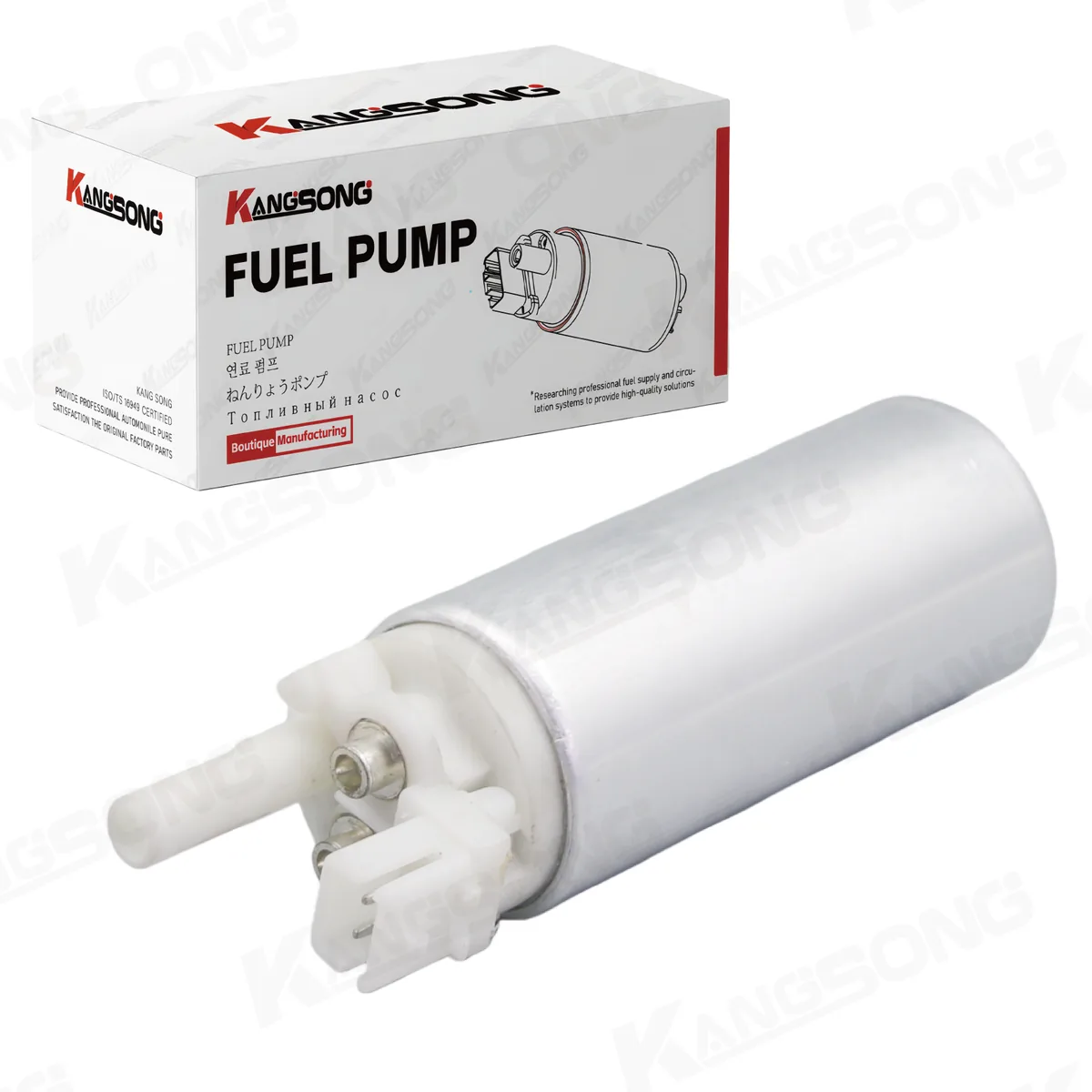
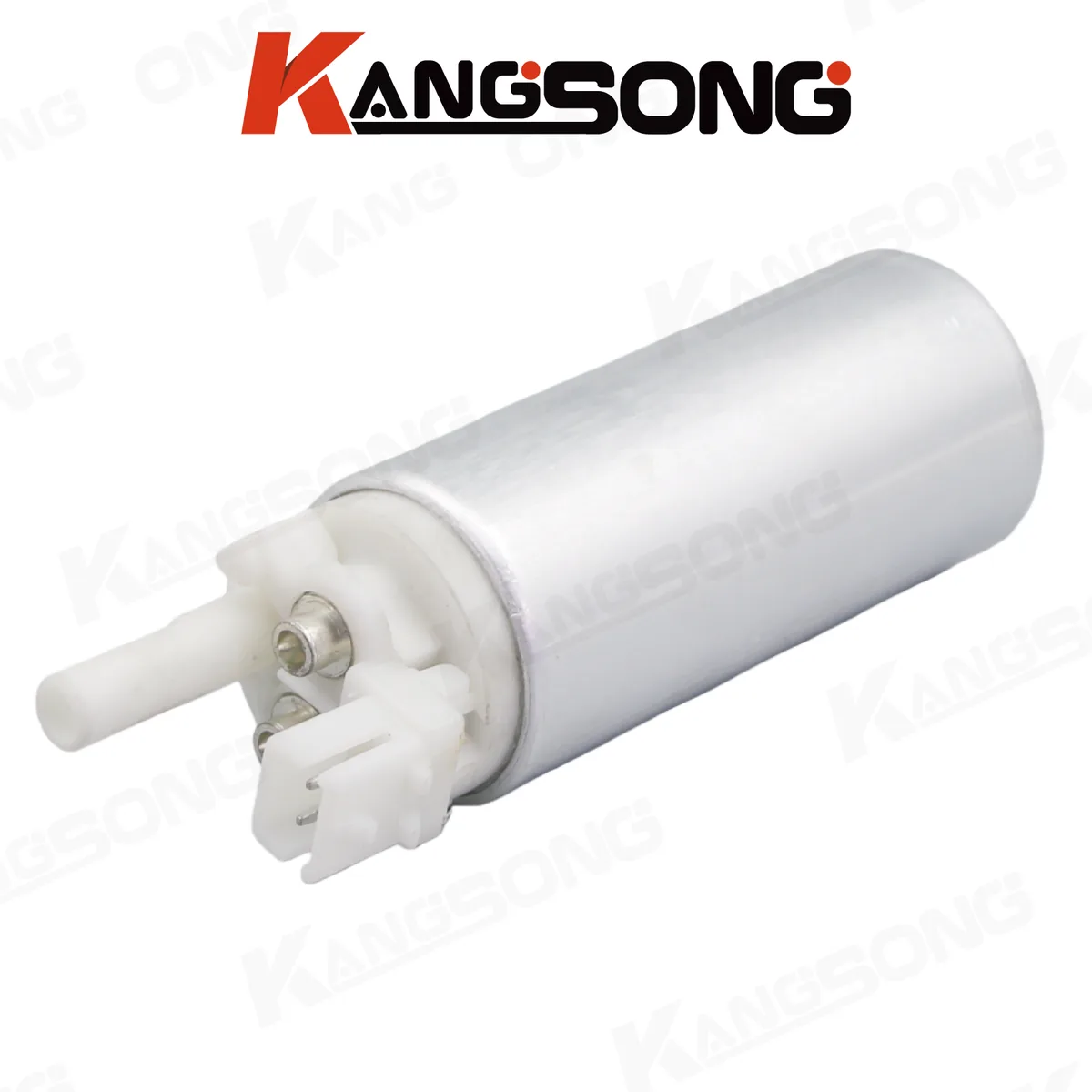
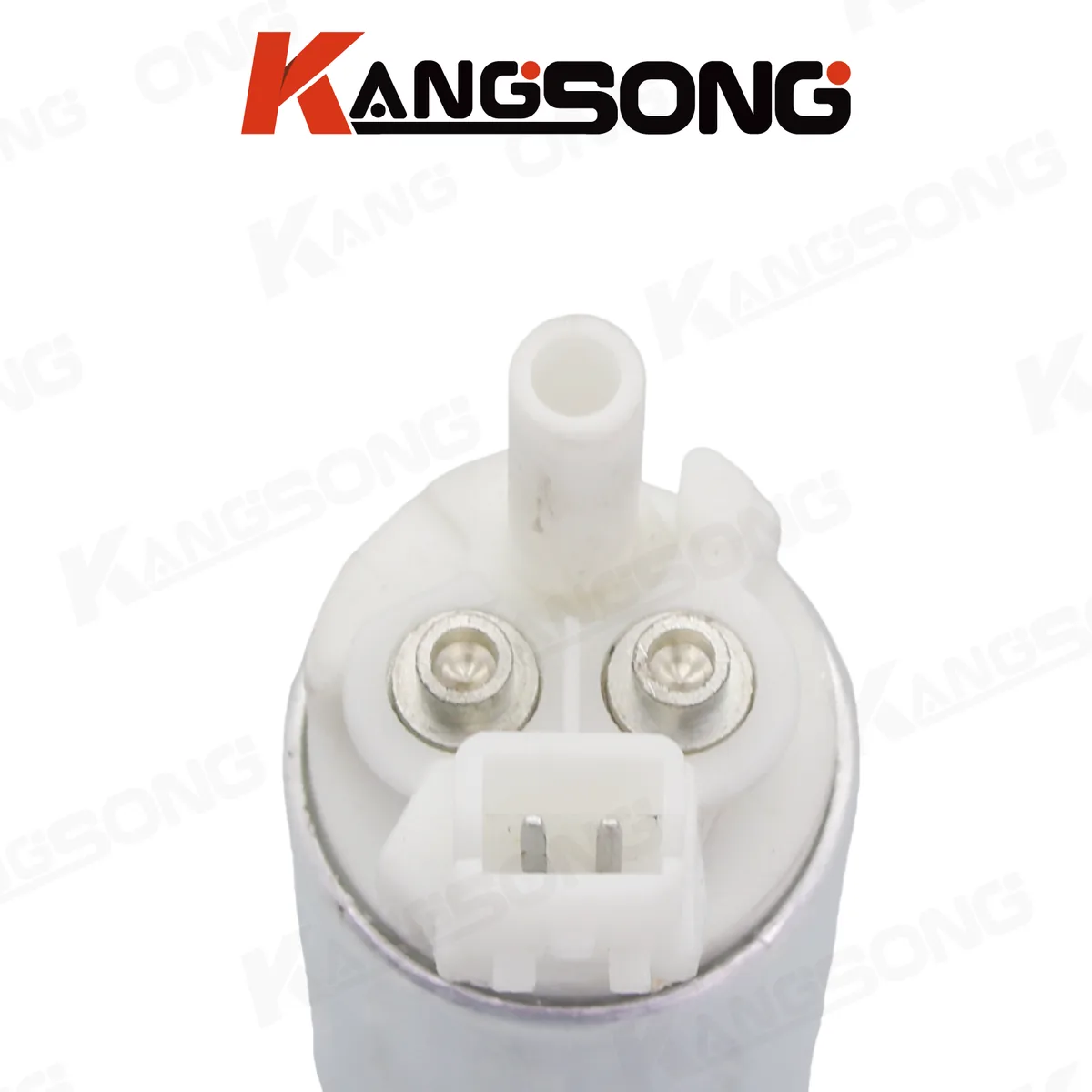
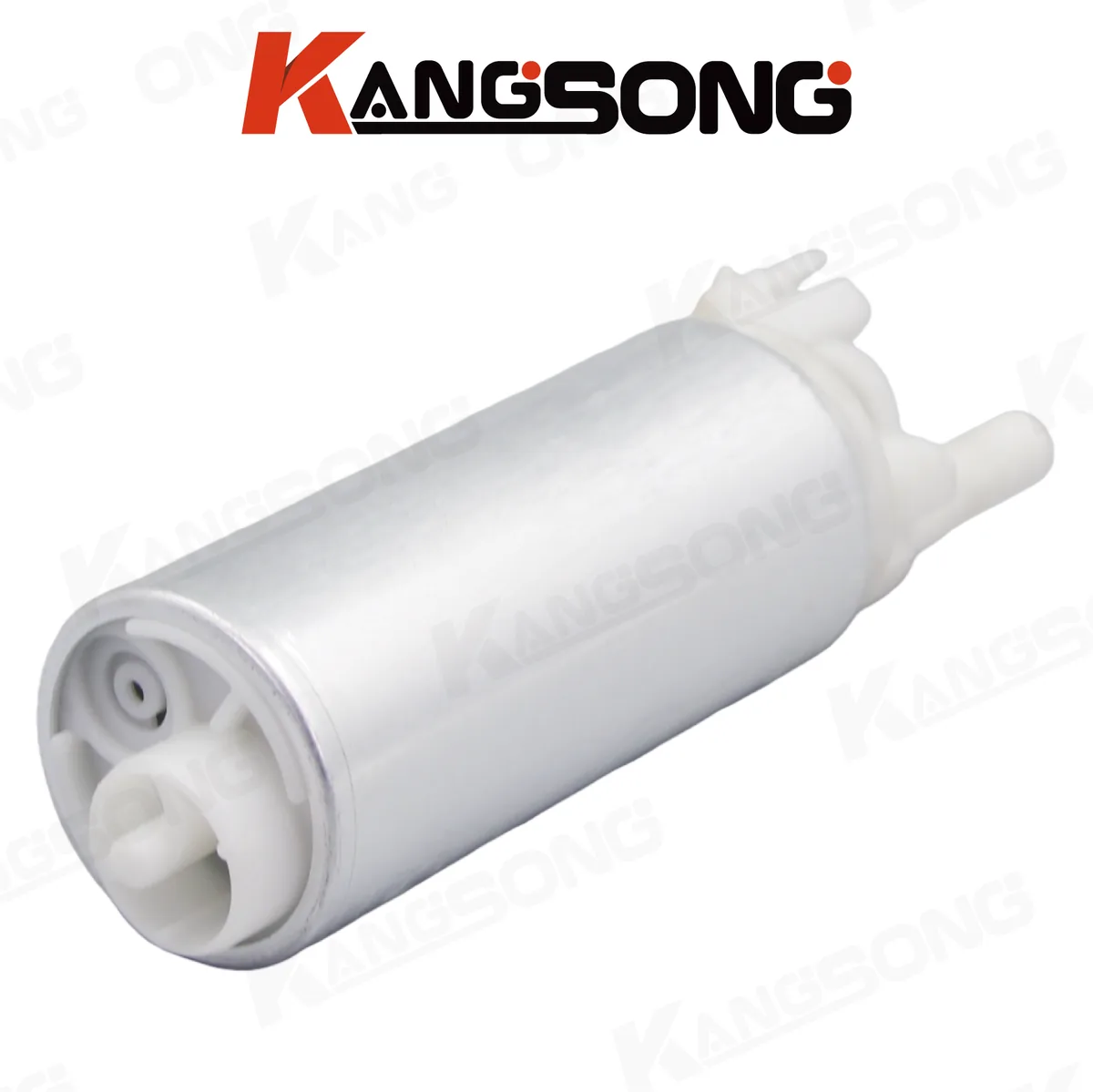
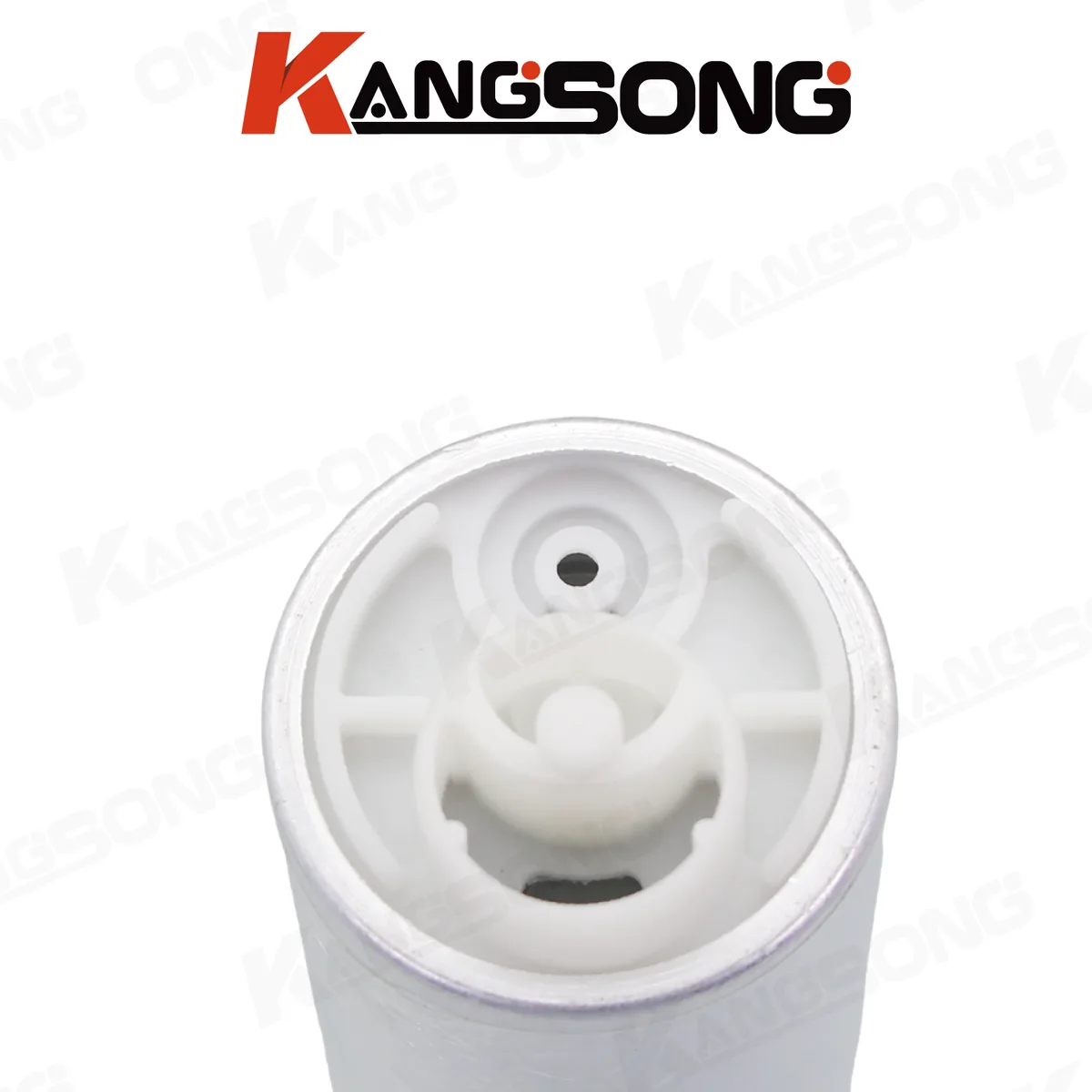
After the strainer, heat, loaded voltage, or brush finding is on the ticket, the matching buy for a 1987–1995 C/K gasoline truck is the printed installation-kit pump. The printed gasoline unit is an electric gasoline fuel pump with installation kit for 1987–1995 C/K 1500, 2500, and 3500 pickups, with interchange numbers that include 25168719 and E3902 and a two-pin connector.
That page states a gasoline working medium, accessories included, and an OE-comparable harness without a pigtail, plus mounting provisions for a drop-in on that window. It matches a motor replacement when the failure evidence is the motor: grit past the fuel strainer, dry running heat, or a brush and commutator that quit while voltage under load still held. It does not match a harness that collapses under load, a control module, or a diesel pump.
US importers can send the OE number with the photo set. Sock and tank, any melted plastic, the loaded voltage note, and the brush or whine note.
The kit page is the electric gasoline fuel pump with installation kit. No failure rate is printed into this explanation.
FAQ
Can old gasoline sitting in a tank ruin an electric pump motor?
Yes. Fuel that sits picks up water, then rust and lime, and those particles pack the inlet sieve or pass through it. The motor either runs dry behind a blocked sock or chews the brush face on fine grit.
Drain the old fuel. Pouring that same fuel back in after the pump is out puts the grit back in the tank.
Does a higher-pitch whine after a dry purge mean the pump is already damaged?
Often, yes. A Rabbit owner heard a new higher pitch while purging air from the rail, and the reply treated that as a pump that had run dry long enough to be hurt.
Unusual noise that shows up in that moment is a reason to plan a motor replacement, rather than waiting for the sound to fade. A tap-start or a filmed commutator says the same thing more clearly.
Why can a connector show battery voltage until the pump is plugged in?
A meter barely loads the circuit, so a resistive joint still displays battery voltage. Connect the motor and the current exposes the drop. If that loaded reading falls off, fix the plug, the ground, or the feed before you condemn the brushes.
Will a new sock stop fine rust from reaching the motor?
No. Teaching ranges put everyday sock mesh near the size that stops chunks, while grit fine enough to cut a commutator still passes. A new sock is still worth fitting, because a packed one causes dry running.
Rusty fuel stays rusty. The sock change does not turn it into clean fuel.
Should a shop order another pump when the same unit dies twice?
Only after the tank, the sock, and the connector are part of the second job. The first failure can leave debris in the inlet and a burned plug that overheats the next motor. Repeat deaths with an untouched sock are a tank story first.
Does a melted connector mean the motor itself is the only failed part?
No. A motor with worn brushes pulls extra current and cooks the plug, but a loose pin can also cook itself and starve a healthy motor. Look at both.
Replace a burned connector with the pump when the brush face is worn. Replace the connector instead of the pump when loaded voltage is the only failure.
References
- Fuel pumps and voltage drop — Andrew Markel, Tomorrow’s Technician, on loaded voltage drop in high-current pump circuits.
- Diagnose the fuel pump — AA1Car, on low supply voltage and brush or commutator patterns.
- What causes fuel pumps to fail — AGCO Automotive, on strainer mesh, brush wear, and burned connectors.
- What kills a fuel pump? — ThirdGen F-Body, owner language on low fuel and pump cooling.
- Fuel pump and vent problem — ThirdGen F-Body, owner language on a rusty tank, a sock, and a hot stall.