High pressure fuel pumps fail when the fuel film, the inlet supply, or the mechanical drive that supports them breaks down—not because the casting simply “gets old” on a calendar. In plain terms, what causes high pressure fuel pump failure is almost always a chain: contaminated or low-lubricity fuel, starvation or air in the feed, drive or oil/follower wear on cam-driven units, and install mistakes that leave debris or foam in the circuit.
This guide maps those common causes of high pressure fuel pump failure, separates diesel contamination and cavitation paths from gasoline direct-injection oil/follower wear, and shows what to fix before you stock a replacement. For the symptom checklist, working principle, CP4 sourcing, acceleration noise, or generic low-pressure pump causes, use the soft links at the end—this page stays on high pressure fuel pump failure causes and what causes HPFP failure.
What Actually Causes High Pressure Fuel Pump Failure
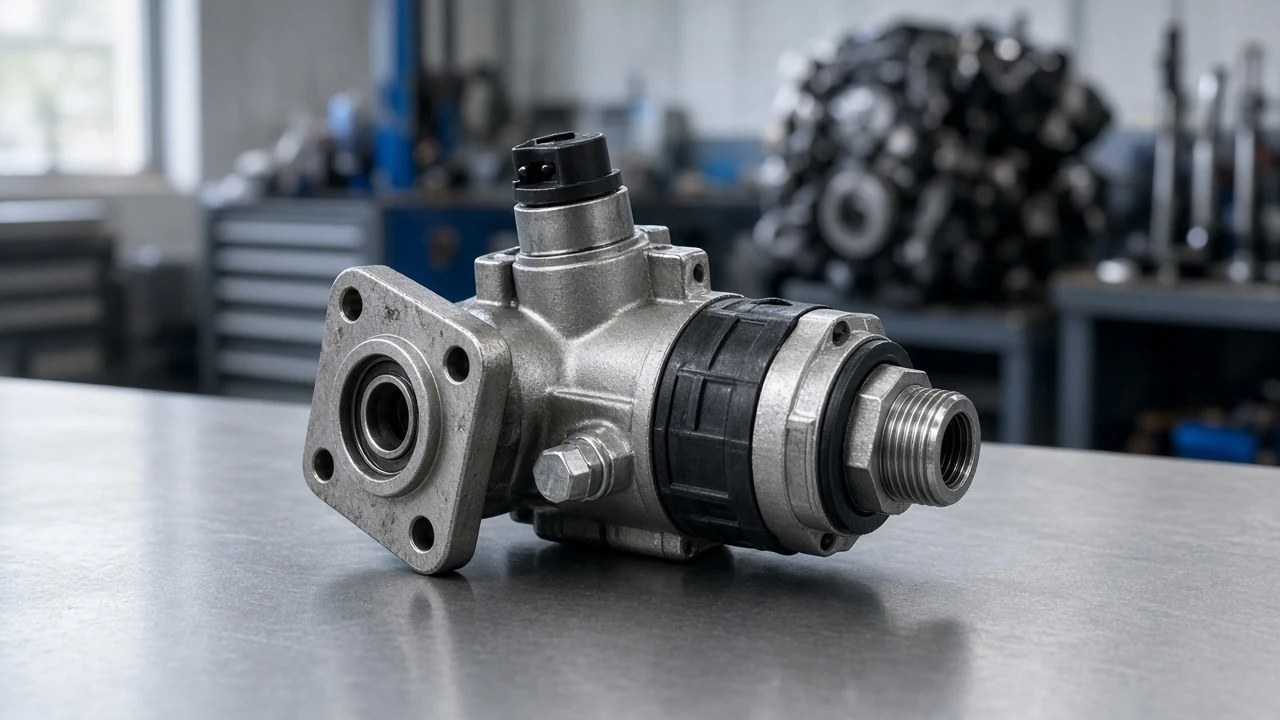
Failure usually follows a fuel–inlet–lubrication chain rather than a random one-part event. The High pressure fuel pump (HPFP) compresses fuel into a Common rail for direct injection; that stage needs clean liquid fuel as both working fluid and lubricant, plus a healthy drive interface.
Across workshop tech notes and heavy-duty diesel reporting, the same families keep showing up: contamination, lubricity loss, restricted or aerated inlet, drive/follower wear, sticking metering valves, and extreme rail-pressure stress that amplifies every small fault. Ranking language here is scoped to those sources—not a worldwide market-share claim.
When shops talk about what causes HPFP failure, they are usually asking which link in that chain broke first. Fix the root cause before you price only the pump.
Fuel Contamination and Abrasive Scoring
Contaminants score micron clearances and seed metal through the high-pressure circuit. Dirt, rust, water, and tank debris act like grinding compound on plungers, barrels, and valve seats that were machined for a thin fuel film.
Heavy-duty diesel reporting repeatedly frames contamination—especially water and particulate—as a leading premature-failure driver for high-pressure pumps. Water strips lubricity and drives corrosion; hard particles create longitudinal scoring and internal leakage so the pump cannot hold rail pressure.
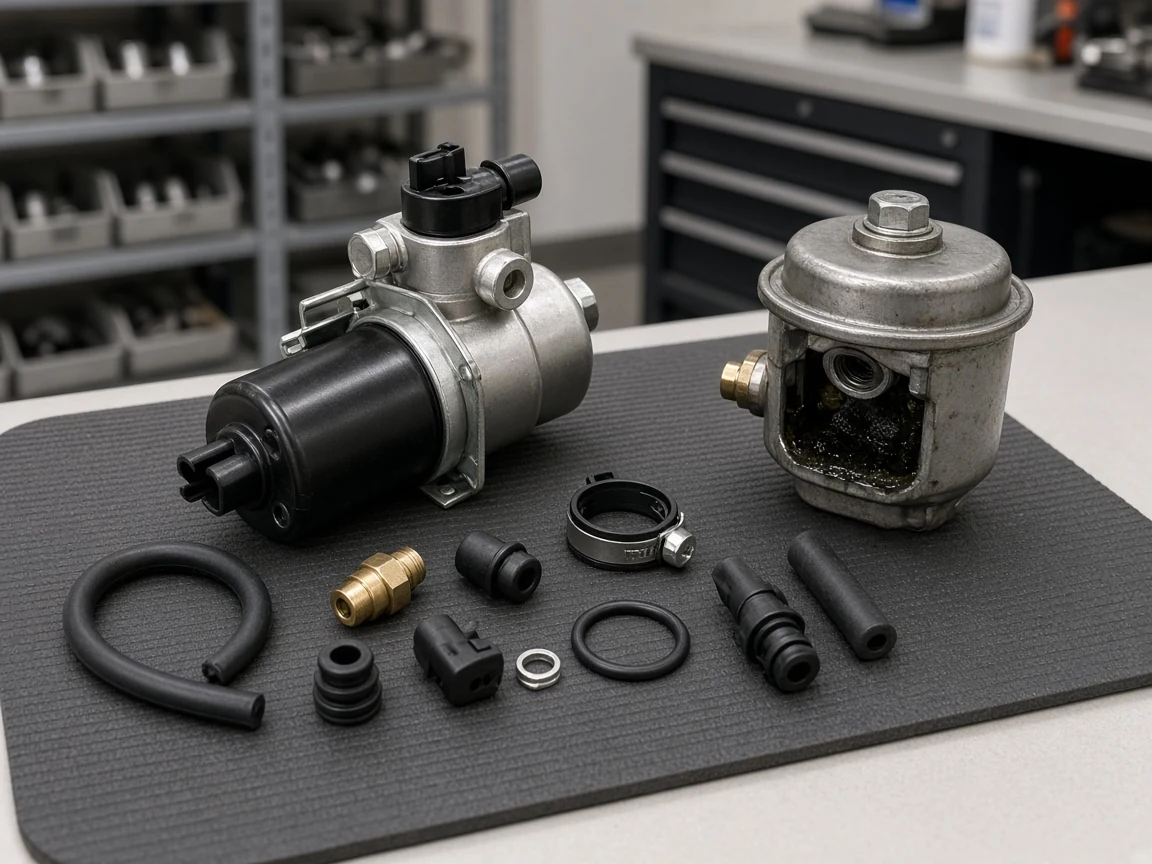
Wrong fluids make the same damage path worse. Service job aids for modern common-rail diesels warn that DEF, gasoline, ethanol, and alcohol-based additives can cut lubricity or push water past separators so metal debris forms inside the high-pressure stage.
If bright metal shows up in a filter bowl, treat the whole fuel circuit as contaminated. Replacing only the pump without flushing lines, rail, and injectors often schedules the next failure.
Lubricity Loss, ULSD, and the Fuel Film
The fuel film is the lubricant for many high-pressure pumping elements. When that film thins—low-lubricity diesel, water emulsion, or solvent dilution—metal surfaces scuff, gall, and shed particles.
Lubricity / HFRR is how shops measure that fuel film. U.S. diesel lubricity is commonly specified as an HFRR wear scar of 520 µm or less at 60°C under ASTM D975.
That limit was added as ultra-low sulfur diesel removed much of the natural lubricity sulfur compounds once provided, so injection equipment still had a measurable protection floor.
Diesel forums often debate North American lubricity versus European fuel and whether air or foam in the pump accelerates the same wear. Treat those threads as operator language: they do not replace OE fuel specs, but they explain why buyers keep asking about additives and finer filtration after an early pump death.
Keep the claim bounded. Meeting a 520 µm HFRR number does not make every pump immortal; it is a fuel-quality floor that still needs clean filtration and a solid inlet.
Starvation, Aeration, and Cavitation
Starvation / cavitation happens when restricted or aerated inlet conditions cavitate and score pumping elements. A clogged Fuel filter / water separator, collapsed hose, weak Lift / transfer / in-tank pump, or foam after a filter change drops inlet pressure so fuel vaporizes in the chamber; collapsing bubbles pit metal and destroy the hydraulic seal.
On some roller-tappet diesel architectures covered in trade reporting, aerated fuel from running the tank dry, installing filters incorrectly, or incomplete priming is cited as a primary killer for that pump family. That finding is architecture-scoped—it is not a universal ranking for every high-pressure pump on every platform.
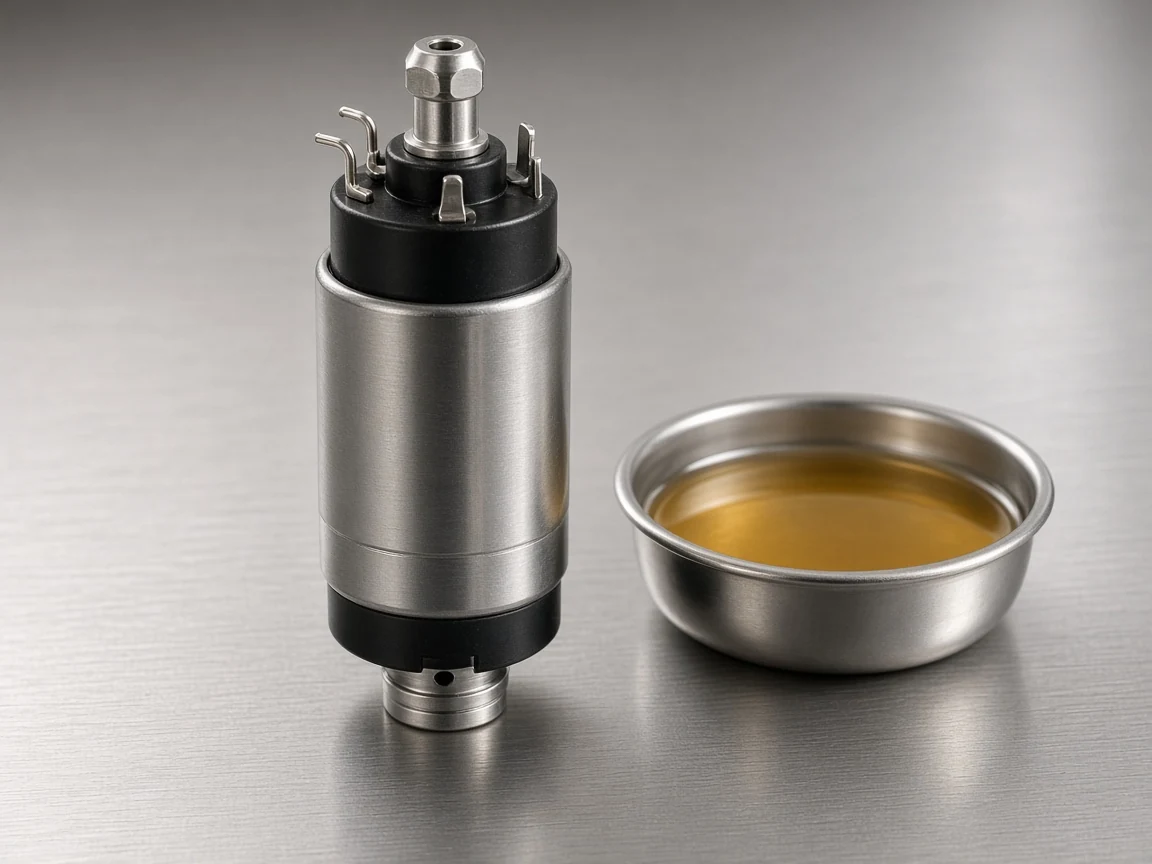
From the field: Diesel owners who describe failures after filter service often stress priming and water-separator drains—air, water, DEF, and gasoline all make poor lubricants inside a high-pressure stage. Bleed and idle per OE procedure before you load the engine.
If low-side pressure or volume fails under the same load that trips rail codes, stop blaming the high-pressure housing alone. Starvation turns the HPFP into the victim.
Drive Wear, Oil/Follower Issues, and Install Mistakes
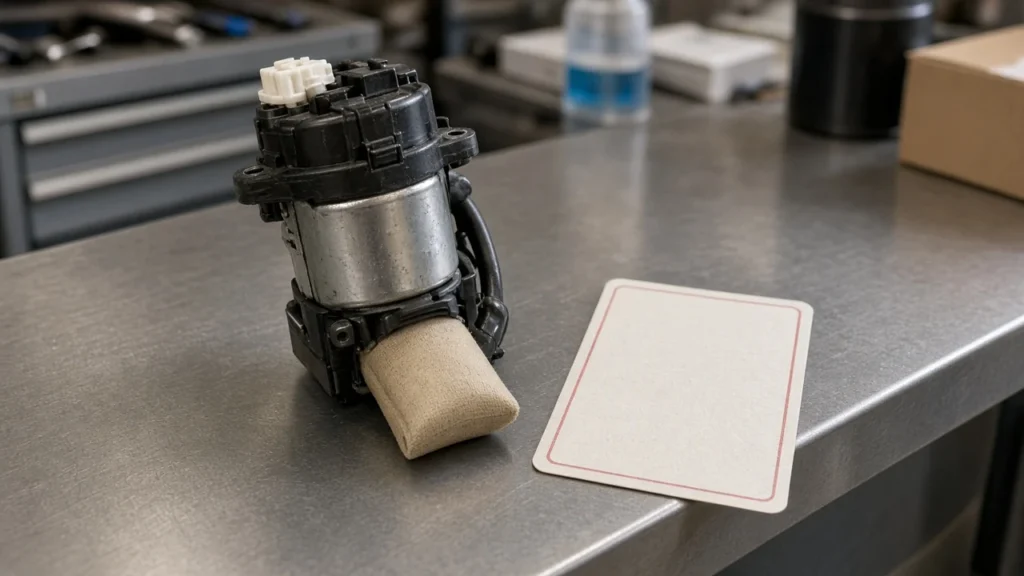
Cam-driven pumps also die when the mechanical drive or the install hygiene fails. On many gasoline direct-injection layouts, neglected oil changes and off-spec oil let the Cam lobe / roller tappet / follower wear so the plunger no longer strokes far enough to build rail pressure.
Workshop education lists related failure paths as well: external or internal mechanical damage to the drive, roller tappet, or pump element; leaks; missed service intervals; and poor lubrication from oil dilution or wrong oil quality. Before a new pump goes on, inspect the drive, tappets, and cam; flush the circuit; and renew filters.
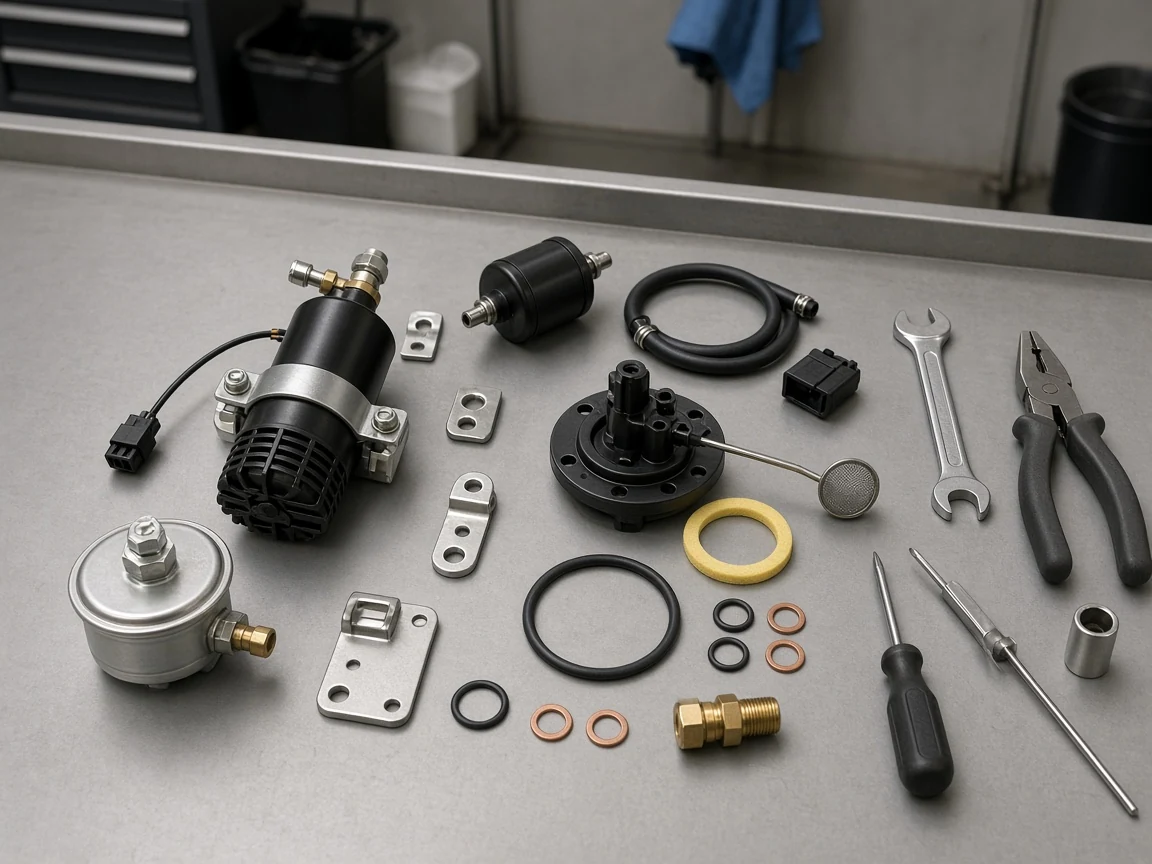
Install mistakes repeat failures even when the replacement part is sound. Foam left after a rushed prime, debris left in lines, or a drive interface that was already spalled will destroy the next unit. Diesel contamination wear and GDI oil/follower wear can both end at a dead HPFP, but they are not the same dominant path—scope the platform before you stock parts.
Metering Valves and Rail-Pressure Stress
A sticking metering valve can look like pump failure. An IMV / PCV / metering solenoid regulates how much fuel enters the high-pressure elements; varnish or particles can stick the spool so rail pressure swings while the plungers still move.
High rail pressure amplifies small lubrication and dirt problems. Gasoline DI education cites rail pressures on the order of about 2,500 psi on many systems, with some platforms higher; heavy-duty common-rail diesels commonly work in the tens of thousands of psi class. Those bands are architecture context—always compare to the OE target for the VIN on the ticket.
When commanded and actual rail pressure diverge, verify the metering path and sensors before condemning the entire pump assembly. Soft-link the working-principle article if the team needs a cam–plunger–metering refresher; keep this page on failure causes.
Cause-to-Action Checklist Before You Replace the Pump
Fix the root cause, flush the circuit, renew filters, and inspect the drive—then replace the pump. A parts-only swap into a dirty or aerated system is how shops buy the same failure twice.
| Cause family | What breaks inside | Buyer / shop action before HPFP parts |
|---|---|---|
| Contamination (dirt, rust, water) | Scoring, corrosion, metal debris | Sample fuel; cut filters open; flush tank/lines/rail as needed |
| Low lubricity / wrong fluids | Scuffing, galling, particle generation | Confirm on-spec fuel; stop alcohol/DEF/gasoline contamination paths |
| Starvation / aeration | Cavitation pitting, unstable pressure | Verify lift/transfer pressure & volume; prime correctly after filter service |
| Drive / oil / follower (esp. GDI) | Lost plunger stroke, metallic debris at cam | Inspect cam lobe & follower; correct oil spec/interval |
| Metering valve / sensor faults | Erratic rail pressure without full mechanical seizure | Scan desired vs actual; check IMV/PCV path before full pump condemn |
| Path | Dominant trigger (scoped) | Typical first checks |
|---|---|---|
| Diesel common-rail HP stage | Contamination, lubricity loss, inlet cavitation/aeration | Filters, water separator, lift pressure, metal in fuel |
| Cam-driven GDI HPFP | Oil film / follower & cam lobe wear; install/prime hygiene | Oil history, cam/follower inspection, low-side feed, prime |
Use the diesel high-pressure fuel pump failure symptoms page when you need a symptom counter-check, not when you are still mapping causes.
Recommended OE-Scoped Fuel Pump and Kit Pages
After root-cause checks, browse OE-scoped pump and kit pages rather than guessing a brand swap. Each Kangsong OE-scoped SKU is title-scoped under the products catalog; match the OE strings on the ticket before you order.
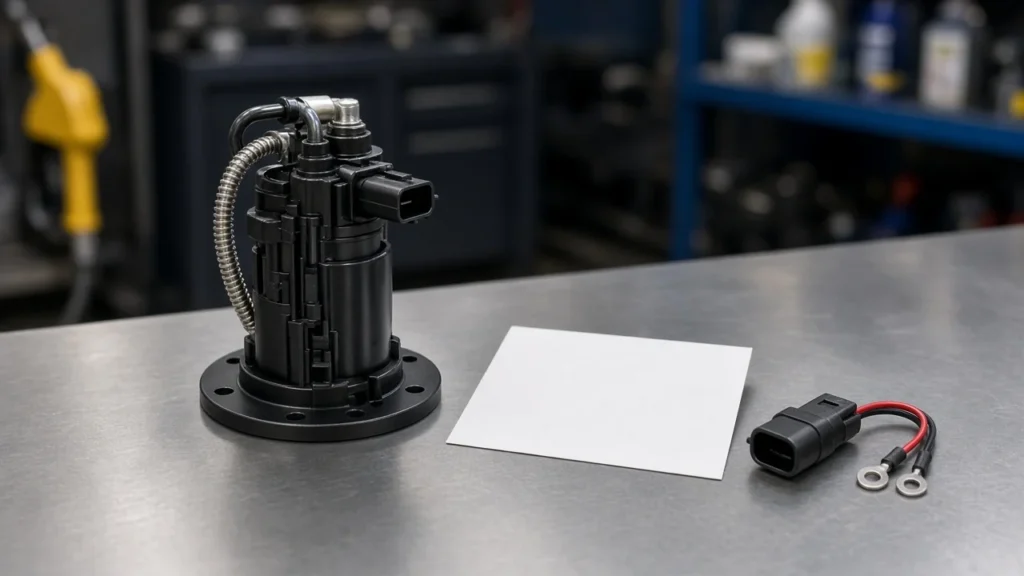
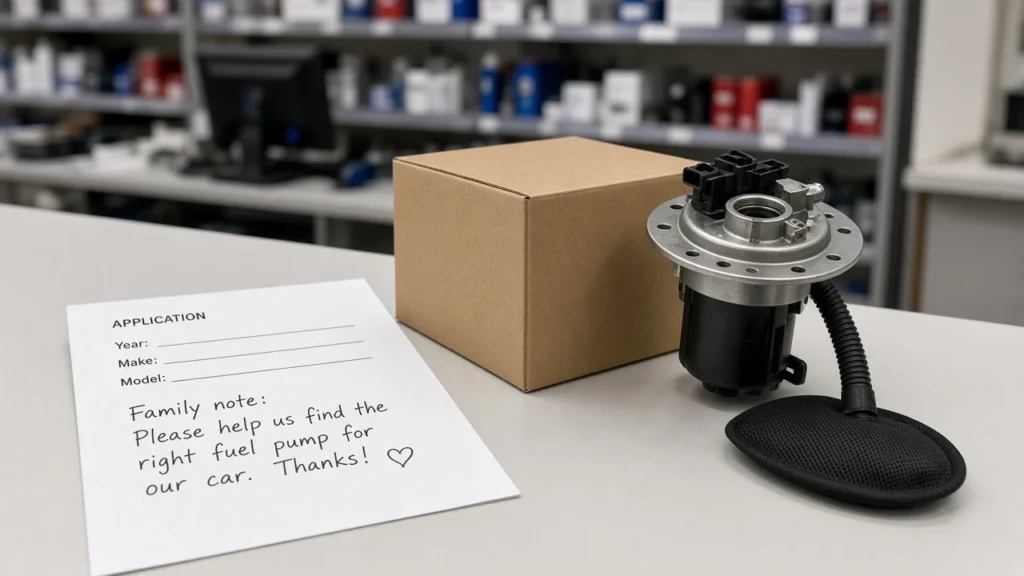
For a concrete catalog example after supply-side and filtration review, see the electronic fuel injection pump (OE-scoped cartridge) (product 2554). Related electric pump and kit pages in the same first-party upload family include product 2551, 2552, and 2553 when the application needs a low-side or kit form factor.
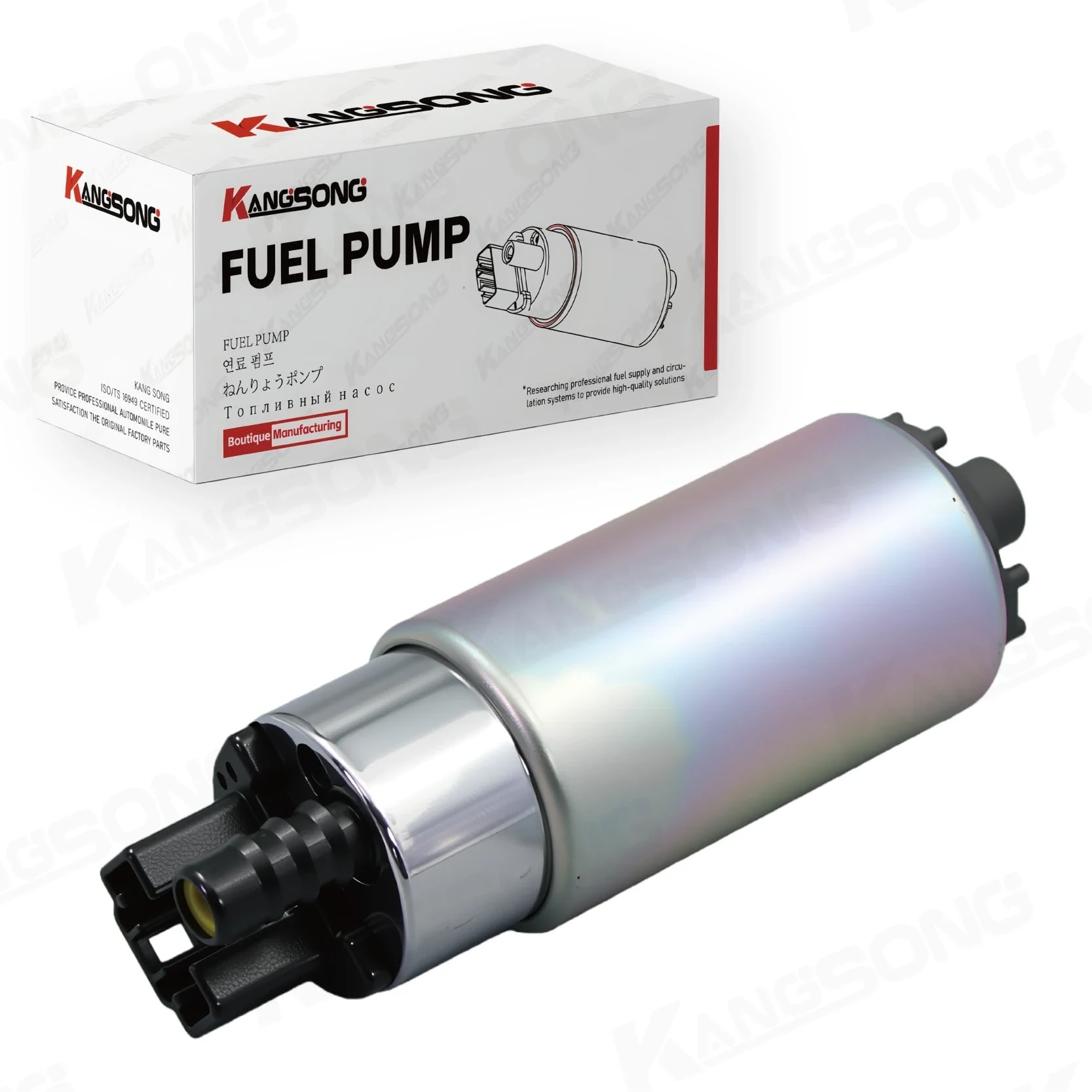
For high-pressure stage hardware visuals and OE browsing, start at Kangsongpower Products and confirm title OE numbers against the vehicle or engine on the order. These pages are not third-party brand equivalents, and they do not replace flushing a contaminated circuit.
Residual cluster links (different intents): how a high pressure diesel fuel pump works, CP4 failures and sourcing options, high pressure fuel pump noise when accelerating, and what is the most common cause of fuel pump failure for generic / low-pressure pump framing.
FAQ
What causes high pressure fuel pump failure in one sentence?
Contaminated or low-lubricity fuel, inlet starvation or air, and drive or install faults that destroy the lubricating film and score precision parts.
What are common causes of high pressure fuel pump failure?
Contamination, lubricity loss, starvation/aeration/cavitation, cam/follower or oil-related drive wear on GDI units, sticking metering valves, and install mistakes that leave debris or foam in the circuit—ranked with source scope, not as a fake global #1.
Does low lubricity diesel (ULSD) contribute to HPFP wear?
Yes, because many high-pressure stages rely on the fuel film as lubricant; U.S. diesel lubricity is commonly specified at an HFRR wear scar of 520 µm or less under ASTM D975, and off-spec or water-cut fuel accelerates scuffing.
Can air in the fuel or a bad filter change destroy the pump?
Yes. Aerated or restricted inlet conditions cavitate and score elements; incomplete priming after filter service is a repeatedly reported trigger on aeration-sensitive diesel pump families.
Are GDI oil/follower failures the same as diesel contamination failures?
No. Both can kill an HPFP, but cam-driven GDI units often fail from oil/follower wear, while diesel common-rail stages more often die from contamination, lubricity loss, and inlet cavitation—diagnose the platform path you actually have.
Should I replace only the HPFP after metal debris is found?
Usually not. Inspect the drive, flush the fuel circuit, renew filters, and correct the root cause first; installing a new pump into metal-laden fuel recreates the failure.
How is this different from the most common cause of (generic) fuel pump failure?
This page covers the high-pressure stage. The generic most common cause of fuel pump failure article addresses broader / low-pressure pump contexts—soft-link it instead of merging the intents.
Where can buyers browse OE-scoped pumps and kits after root-cause checks?
Start with the products catalog and OE-titled pages such as product 2554; match OE numbers to the application and do not treat listings as third-party brand swaps.
References
- HELLA Tech World — Checking a high-pressure fuel pump
- DieselNet — USA diesel fuel / ASTM D975 lubricity summary
- Heavy Duty Journal — High-pressure fuel pump failure / diesel fuel pump problems
- Diesel World — CP4.2 high-pressure fuel pump (aeration-scoped reporting)
- TractorByNet — Fuel system / metering unit discussion
- TractorByNet — Common-rail codes / suction control notes