CP4 fuel pump failures create wholesale demand spikes because shops need high-pressure diesel replacements and adjacent cleanup parts—not because a search phrase is already a purchase order. Neutral sourcing starts with OE references, symptom capture, and a clear OEM-equivalent RFQ path.
This guide helps United States and global English B2B importers and distributors plan inventory and quotations without brand-bashing and without pretending every diesel uses the same pump family.
Important: A cp4 fuel pump search is not proof of coverage for a specific VIN. Confirm OE/platform data, and use NHTSA recall lookup when a safety campaign may apply, before stocking or promising remedy parts. — NHTSA Recalls
Part 1. Why do CP4 fuel pump failures matter for wholesale sourcing plans?
Aftermarket demand for cp4 fuel pump lines rises when field failure discussions, shop backlog, and owner anxiety hit the same platforms at once. Distributors feel three signals:
- repair shops ask for high-pressure diesel pumps before OE paperwork is complete;
- fleets request dual quotes for OEM and OEM-equivalent tiers;
- returns climb when debris-related injector or filter work was never scoped.
Treat failure headlines as a planning trigger. Stock depth still follows documented platforms and OE maps. When campaign language appears alongside HPFP failures, use the same verification discipline described in the fuel pump recall alerts guide.
Part 2. Which failure patterns and symptom fields belong on the work order?
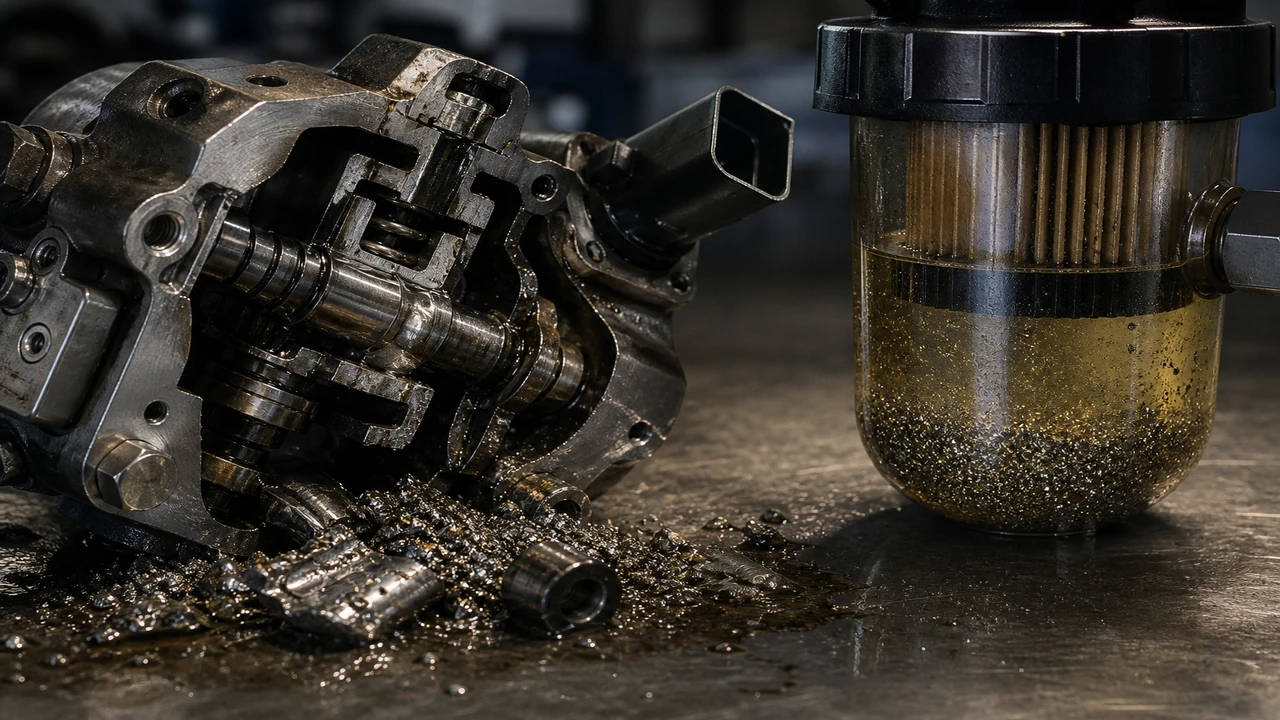
Industry forum and Q&A threads commonly associate CP4-class failures with hard starts, extended crank, rail-pressure or fuel-system fault codes, unusual pump noise, power loss, and concerns about metallic particles after a hard failure. Capture those notes on the work order—they guide adjacent-parts planning—but do not treat forum language as a diagnosis for every VIN.
| Work-order field | Why wholesalers need it | Send with quote |
|---|---|---|
| OE / interchange number | locks pump family | yes |
| Engine family and model years | prevents wrong-platform stock | yes |
| Symptom pattern | separates software/campaign checks from hard failure | yes |
| Filter inspection notes | flags possible debris scope | conditional |
| Destination market | affects compliance packaging | yes |
Common-rail architecture context from DieselNet helps explain why high-pressure stage failures can affect injectors and filters—without turning this page into a workshop manual.
Part 3. How should distributors treat debris contamination and adjacent parts?
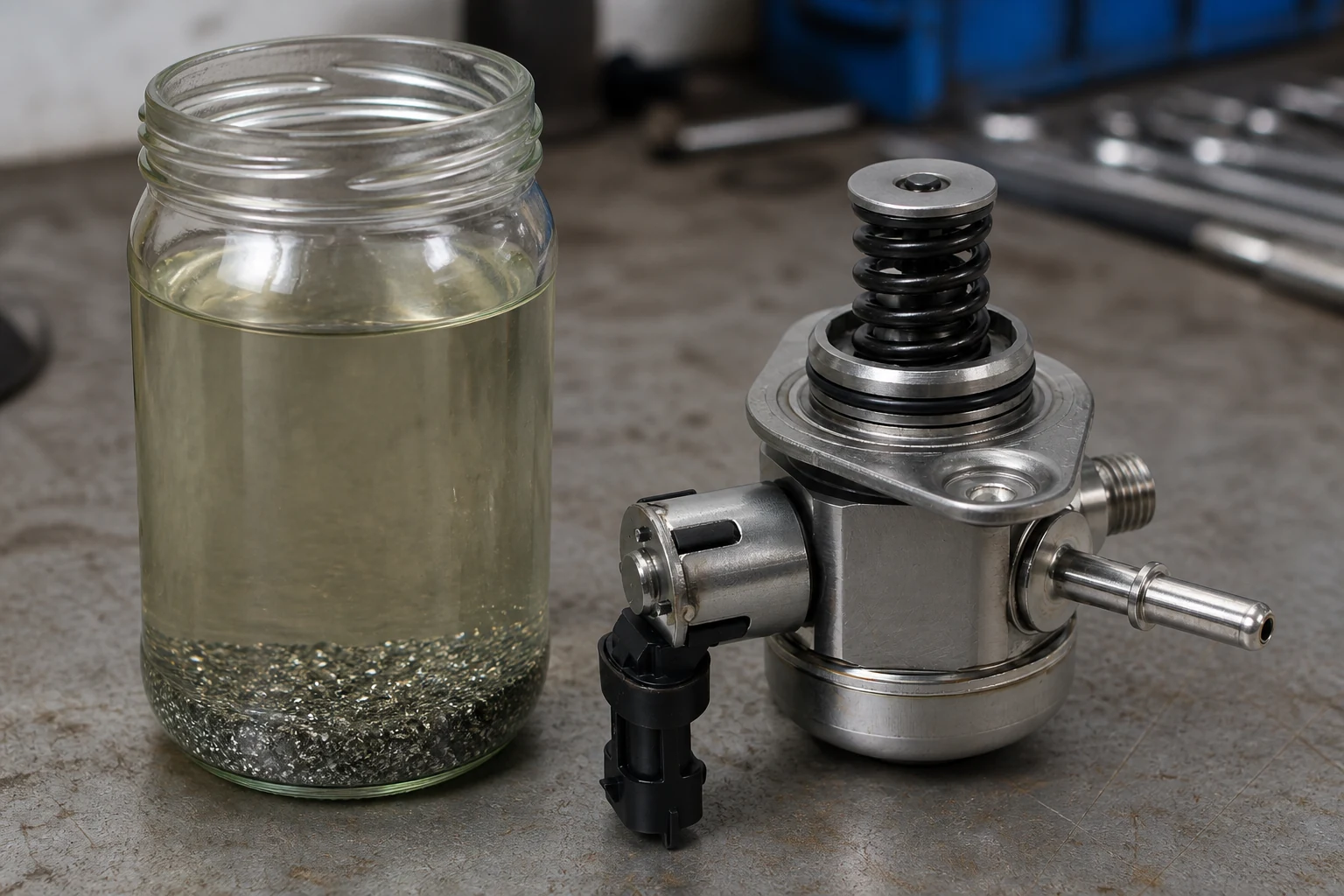
Field discussions frequently warn that a catastrophic high-pressure pump failure can circulate debris through the fuel system. Wholesale programs should decide scope, not slogans:
| Scope decision | Neutral wholesale action |
|—|—|—|
| Confirmed hard failure with metallic evidence | Quote HPFP plus agreed filter/cleanup kit fields |
| Intermittent codes without debris evidence | Separate diagnostic path; do not force a full kit |
| Campaign or software remedy may apply | Verify before promising hardware |
Do not use debris concerns to attack other brands. Keep the conversation on documentation, kit contents, and customer policy. Labor and assembly-tier cost structure still belongs in the fuel pump replacement cost wholesale guide.
Part 4. Which sourcing options stay neutral for OEM-equivalent RFQs?
| Sourcing tier | Distributor trade-off | Send with quote |
|---|---|---|
| OEM dealer part | highest shelf certainty for warranty-sensitive accounts | yes |
| OES / same-supplier tier | continuity when the buyer wants familiar branding | yes |
| Aftermarket OEM-equivalent HPFP | margin opportunity when OE map and tests are solid | yes |
| Incomplete “universal diesel pump” listing | high return risk | no |
Stay neutral: compare documentation quality, lead time, and test evidence—not marketing insults. The goal of this page is to guide buyers toward a complete OEM-equivalent RFQ, not to rank brands.
Part 5. What Fit Boundary keeps CP4 replacement quotes defensible?
Fit Boundary: this workflow supports aftermarket and OEM-equivalent high-pressure diesel pump sourcing when OE references, symptom notes, and cleanup scope are explicit. It is not legal advice, not a competitor teardown review, and not authorization to fulfill OEM recall remedies without written program approval.
Do not quote when the buyer only sends the phrase “CP4 fuel pump,” when the OE map is missing, or when the request demands a guaranteed outcome for an unverified VIN.
Part 6. How do Kangsong routes support high-pressure diesel pump RFQs?
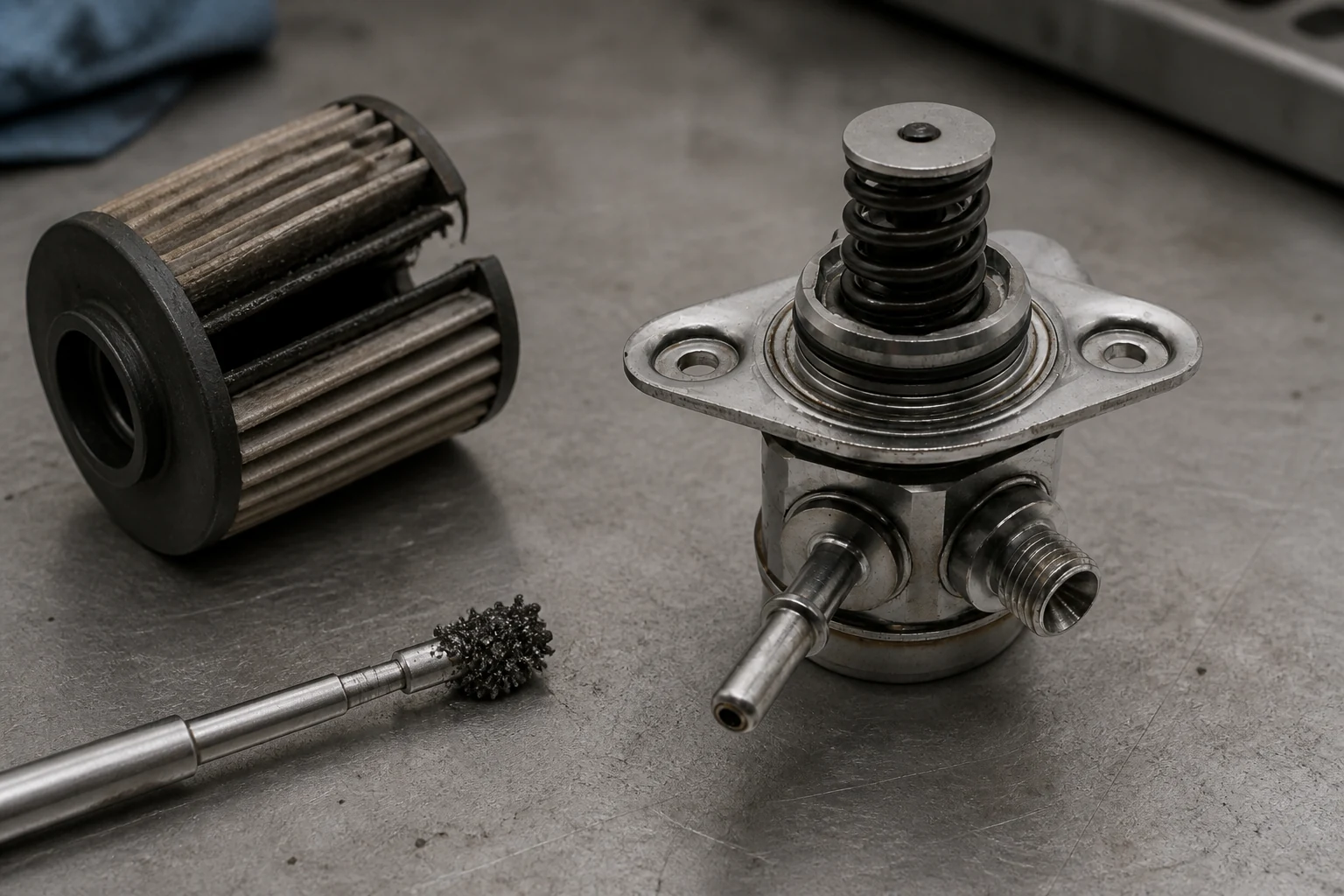
Kangsong manufactures fuel pump assemblies, electric pumps, and related modules for global aftermarket and OEM/ODM buyers. For CP4-class and other high-pressure diesel inquiries:
- Open Kangsong products only after OE references are ready for mapping.
- Submit OEM-equivalent RFQs through Contact Kangsong with platform data, symptom notes, quantity bands, and required documents.
- Include About Kangsong links in importer vendor packs when quality teams ask for manufacturer background on HPFP programs.
Never describe Kangsong parts as OEM recall service parts unless the specific package includes written authorization evidence.
Part 7. Which procurement checks prevent overselling unverified HPFP lines?
Require a one-page RFQ worksheet before purchase orders: OE number, platform, symptoms, debris-clean scope, destination market, and document list. Score quotations on identical fields. A cheaper line that changes pump family or omits cleanup scope is a different offer—record it as a deviation, not a win.
FAQ
What failure modes do buyers associate with a CP4 fuel pump?
Field discussions commonly cite hard starts, rail-pressure faults, noise, power loss, and debris concerns after hard failures. Confirm OE/platform data before treating those notes as a stocking plan.
Which symptoms show up before a high-pressure diesel pump replacement?
Extended crank, fault codes, unusual pump noise, and reduced power are frequent work-order entries. Capture them, then verify whether hardware, software, or campaign checks apply.
Should metal debris always force a full fuel-system clean?
Not automatically. Use inspection evidence and customer policy to decide kit scope; do not upsell cleanup without notes.
How do OEM, OES, and OEM-equivalent options differ for distributors?
They differ mainly in documentation expectations, price tier, and warranty positioning. Compare those fields neutrally instead of attacking brands.
What RFQ fields protect importers on CP4-class HPFP programs?
OE/interchange, platform, symptoms, debris-clean scope, destination market, quantities, and required test documents.
When should a CP4 inquiry route to Kangsong for OEM-equivalent supply?
When the buyer has documented OE references and wants OEM-equivalent or ODM assembly supply—send those references through Kangsong products and contact channels.


