
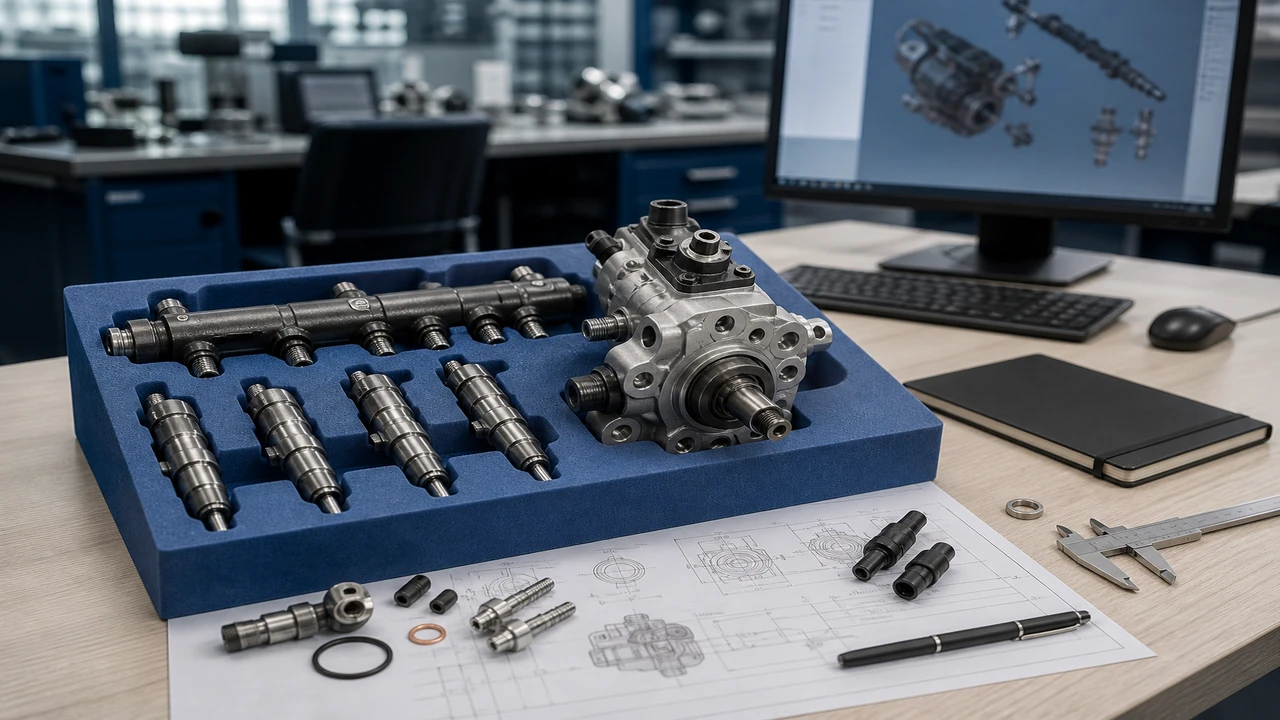
A dcr fuel pump inquiry usually means a diesel common-rail high-pressure pump program—not a transfer pump and not a gasoline in-tank module. Aftermarket buyers should lock OE or interchange references, interface fields, and duty notes first, then verify flow, pressure, and displacement against manufacturer data before comparing quotations.
This selection guide is for United States and global English B2B importers, jobbers, and fleet parts programs that need a specification checklist—not a fabricated performance table.
Important: Do not invent or republish flow, rail pressure, or displacement figures for a dcr fuel pump RFQ. Pause quoting until OE references are present and values are verified against manufacturer data or OE service literature. — DieselNet — Common Rail Fuel Injection
Part 1. What does a DCR fuel pump search mean for aftermarket buyers?
Search traffic for dcr fuel pump clusters around diesel common-rail (DCR) high-pressure pump language. Retail pages and forums often shorten “diesel common rail” into DCR, then ask suppliers to “send a pump” without an OE number.
For wholesale planning, treat the phrase as a program label:
- high-pressure diesel common-rail pump family (most RFQs);
- adjacent filter, seal, and supply-side parts that travel with HPFP jobs;
- occasional mislabeled requests that actually need a lift/transfer pump or gasoline module.
If the inbound note only says “DCR pump for truck,” route it through OE verification before allocating warehouse space. Parallel stocking logic for campaign-driven diesel demand appears in the fuel pump recall alerts guide for importers.
Part 2. Which specification fields belong on every diesel common-rail RFQ?
| RFQ field | Why it matters | Send with quote |
|---|---|---|
| OE or interchange number | fixes pump family and BOM | yes |
| Engine family and model years | prevents platform drift | yes |
| Pump stage (HPFP vs lift/transfer) | stops wrong-bin shipments | yes |
| Connector, flange, or drive notes | catches interface mismatches | yes |
| Destination market and emissions context | affects compliant supply packaging | yes |
| Quantity bands and sample plan | drives MOQ and validation | yes |
| Required tests or traceability docs | supports distributor QA | yes |
Buyers comparing landed cost should also read the fuel pump replacement cost wholesale guide so labor and assembly-tier assumptions stay separate from factory unit pricing.
Part 3. How should buyers verify flow pressure and interface data safely?
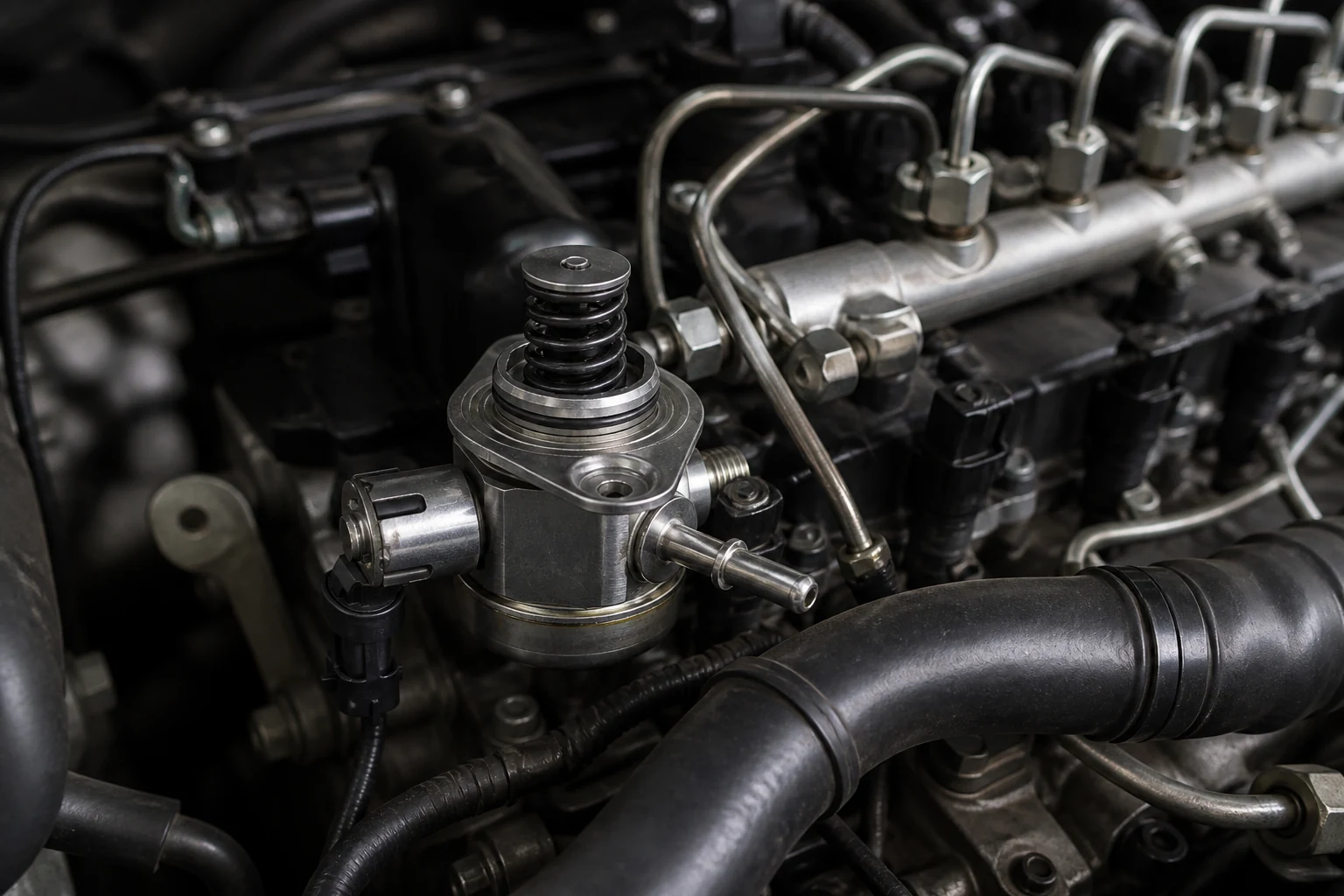
Common-rail architecture discussions (see DieselNet common-rail overview) explain why rail pressure, pump displacement, and injector demand are system properties—not marketing slogans. That does not authorize inventing numbers in an article or a quotation.
Safe verification sequence:
- Capture the OE number and supersession trail from the buyer or dealer channel.
- Ask the supplier to quote against that OE reference with stated inclusions/exclusions.
- Verify against manufacturer data any flow, pressure, or electrical values that appear in the offer.
- Reject offers that only say “DCR compatible” without a documented reference path.
Industry forum threads repeatedly show return spikes when buyers accept “same as OEM” language without a matching OE line and test record.
Part 4. Where do DCR programs differ from lift transfer and module lines?
| Line type | Typical role | Wholesale risk if mixed |
|---|---|---|
| DCR / common-rail HPFP | high-pressure diesel rail supply | wrong stage shipped to diesel shops |
| Lift / transfer pump | low-pressure supply to the HPFP | under-pressure complaints misdiagnosed as HPFP |
| Gasoline in-tank module | sender + pump assembly | bin contamination and warranty disputes |
Keep diesel common-rail HPFP inventory on a separate plan from gasoline modules. Counter staff should capture engine fuel type and pump stage before suggesting a replacement line.
Part 5. What Fit Boundary keeps diesel aftermarket quotes honest?
Fit Boundary: this guide supports aftermarket and OEM-equivalent diesel pump sourcing when the buyer supplies documented OE references and accepts manufacturer-data verification. It is not a VIN decoder, not an OEM-authorized recall desk, and not a place to publish unverified flow or rail-pressure tables.
Do not quote when:
- the OE number is missing or conflicts across sources;
- the buyer cannot state HPFP versus lift/transfer;
- the destination market requires documents the supplier cannot provide;
- the request asks for guaranteed fit from a search phrase alone.
Part 6. How should Kangsong product routes support documented DCR RFQs?
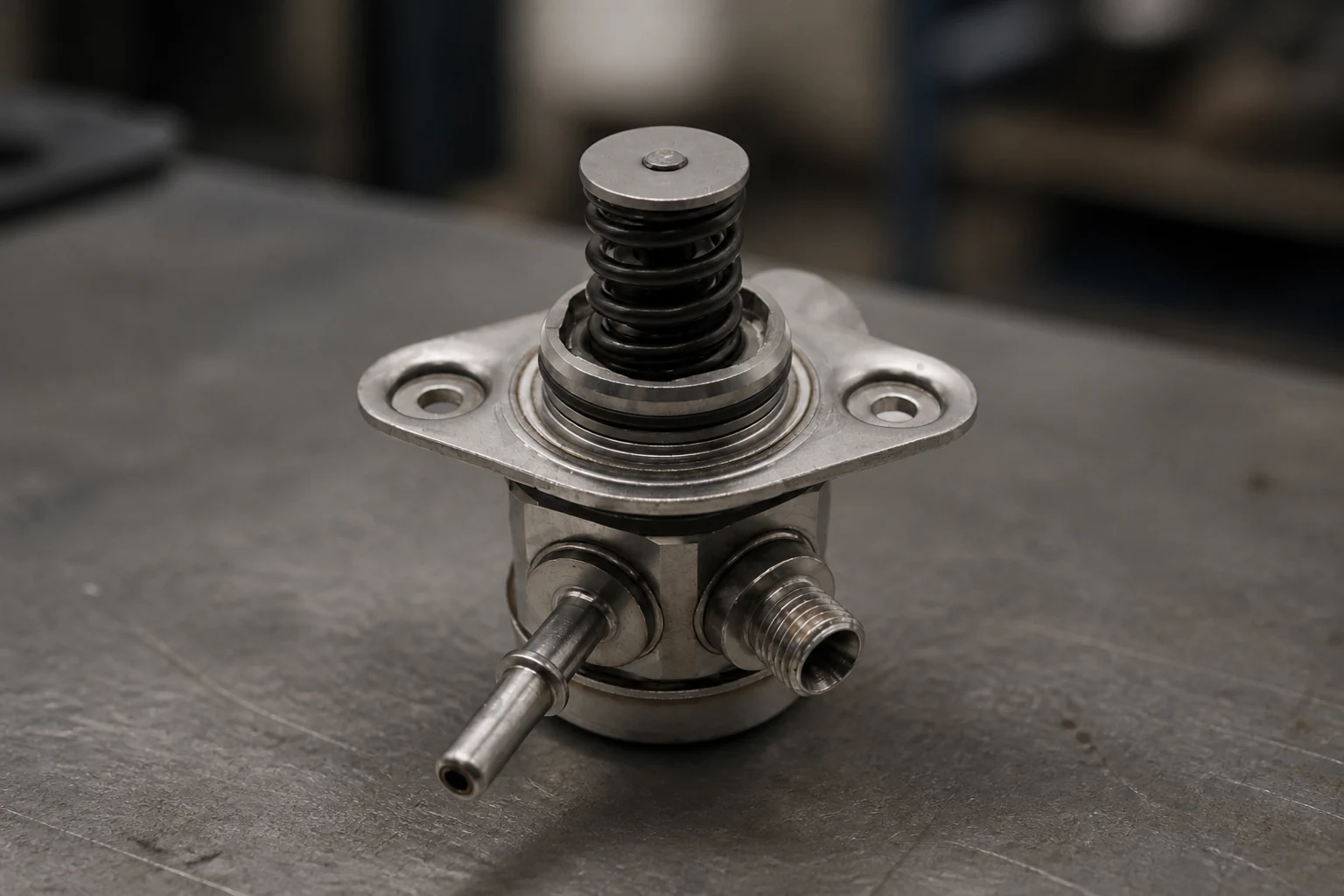
Kangsong develops and manufactures fuel pump assemblies, electric fuel pumps, and related modules for automotive aftermarket and OEM/ODM programs. For documented diesel common-rail inquiries:
- Review candidate families on Kangsong products after OE references are ready.
- Send the RFQ worksheet through Contact Kangsong with OE numbers, quantity bands, and required test documents attached.
- Share About Kangsong inside supplier qualification packets when importers request factory background for diesel programs.
Do not present a Kangsong listing as an automatic DCR VIN match without OE documentation and manufacturer-data verification.
Part 7. Which procurement checks reduce wrong-family diesel pump returns?
Before issuing a purchase order, require a one-page worksheet: OE/interchange, engine family, pump stage, connector notes, destination market, and document list. Compare supplier quotations on identical fields in a deviation register. A lower unit price with a different pump family or missing interface notes is a different product, not a discount.
FAQ
What does DCR mean on a diesel fuel pump RFQ?
In aftermarket search language, DCR usually points to diesel common-rail high-pressure pump programs. Still confirm the OE number and pump stage before quoting.
Which specification fields matter before quoting a DCR fuel pump?
OE/interchange number, engine family and years, pump stage, interface notes, destination market, quantities, and required documents.
Can buyers reuse catalog pressure or flow figures without OE data?
No. Treat published figures as unverified until they are checked against manufacturer data tied to the OE reference.
How do common-rail pumps differ from transfer or lift pumps?
Common-rail HPFP units supply high-pressure rail demand; lift/transfer pumps feed the high-pressure stage. Mixing them creates wrong-bin and misdiagnosis risk.
What documents should importers attach to a diesel aftermarket RFQ?
OE references, supersession notes where available, quantity bands, destination market, and any required test or traceability documents.
When should a DCR inquiry stop and return to OE verification?
Stop when the request is only a search phrase, when pump stage is unknown, or when the supplier cannot map to a documented OE line.


