
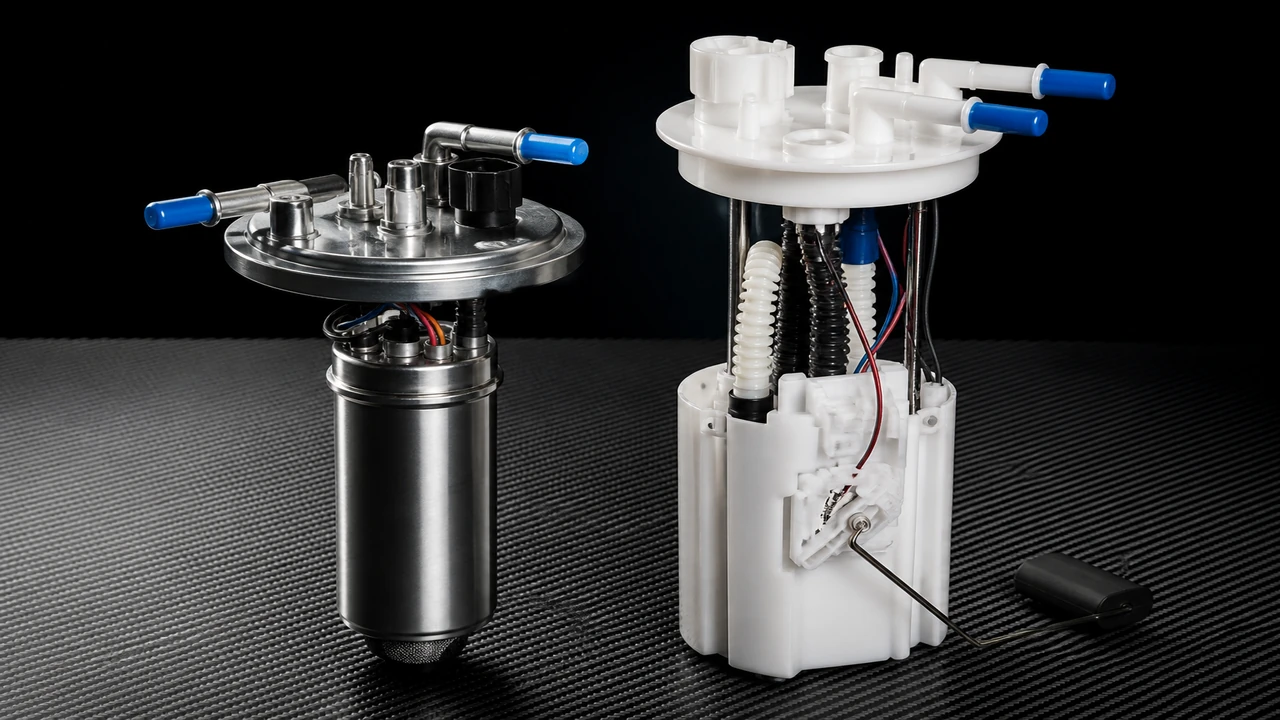
An Aeromotive fuel-pump request is a comparison starting point, not proof that a specific performance pump matches an OEM assembly. Architecture, documented operating points, interfaces, and application evidence must be aligned before quoting.
- FAQs
Part 1. What does an Aeromotive request actually specify?
It identifies a performance-oriented brand or product family, but not the complete order specification. The exact model, fuel type, mounting route, control method, and required operating point still need evidence.
Part 2. Which architecture details control the comparison?
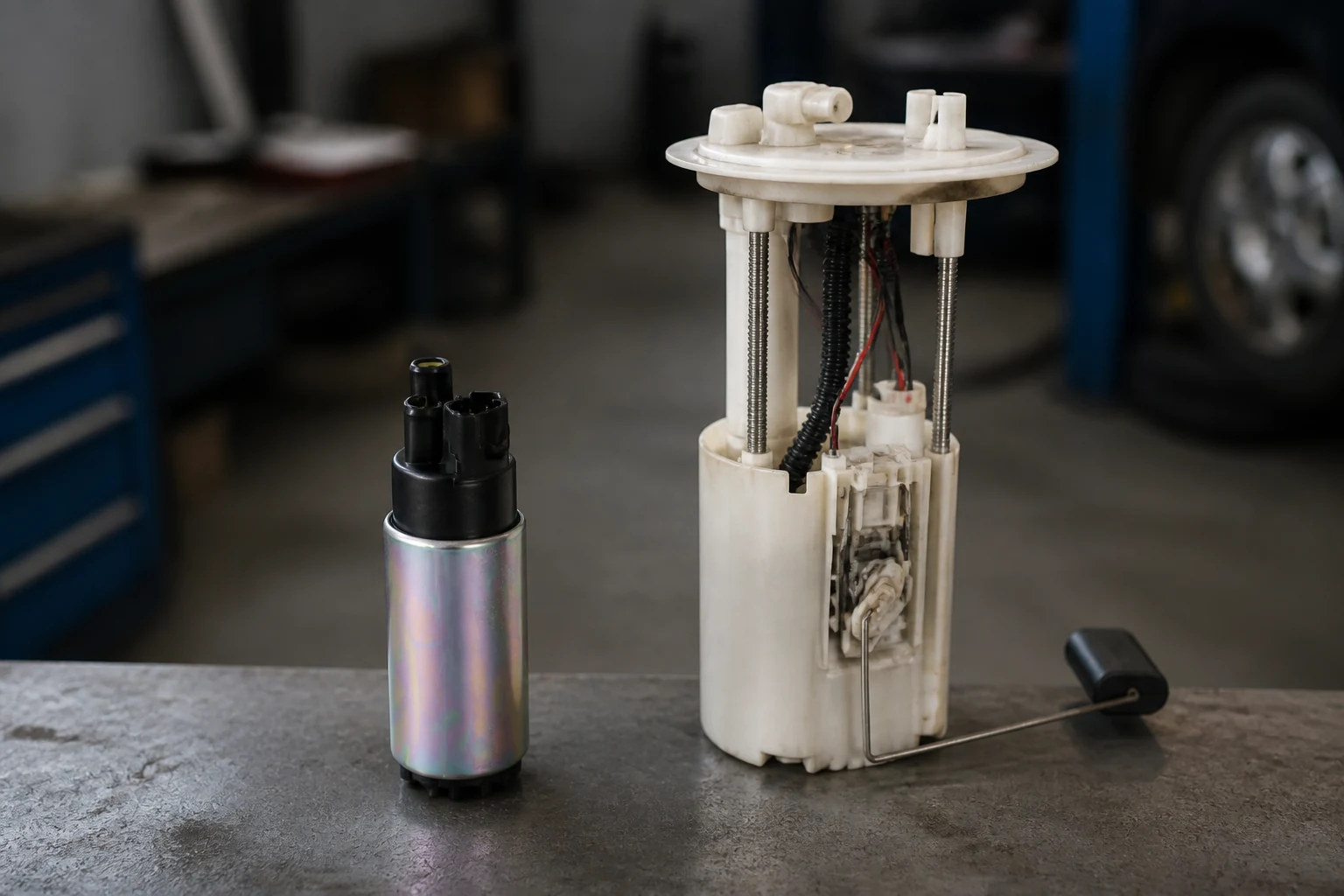
In-tank, inline, and externally mounted pumps can have different mounting, electrical, line, and control requirements. The automotive fuel-pump types guide provides an architecture overview; use the actual system record for a purchasing decision.
| Comparison input | Evidence to collect | Do not infer |
|---|---|---|
| Pump architecture | model sheet and installation boundary | that external and in-tank units interchange |
| Electrical interface | connector, voltage, control record | a universal wiring match |
| Fuel-system role | lift, feed, or module function | that a high-flow label defines the role |
Part 3. How should buyers compare performance language?
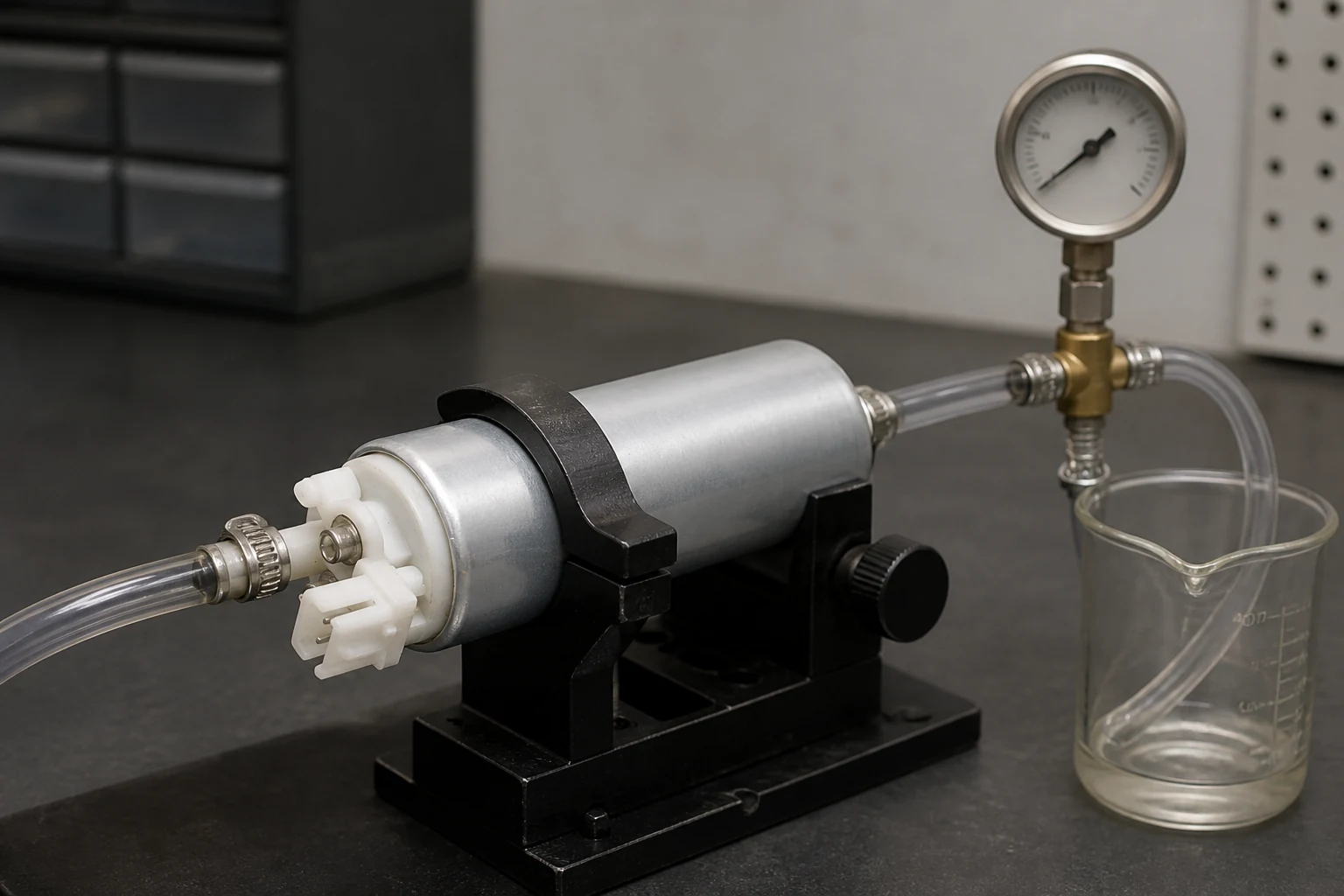
Words such as high-flow, racing, or performance describe a market position, not a guaranteed result in every application. Compare the same test conditions, fuel, pressure point, control mode, and measurement basis when the supplier publishes them.
| Performance field | Buyer question | Quote status |
|---|---|---|
| Flow or delivery point | Is the test condition documented? | review only until matched |
| Pressure / operating point | Does it correspond to the target system? | do not substitute a headline number |
| Control and fuel context | Are voltage, fuel, and control mode stated? | request the missing record |
Part 4. What interfaces and safety boundaries must be checked?
Mounting, seals, hose interfaces, connectors, polarity, power protection, and tank or line boundaries should be checked against platform documentation.
Important: A performance-brand comparison cannot authorize a retrofit; confirm fuel-system integrity and installation boundaries against the applicable vehicle and regulatory record. (Fuel-system integrity reference).
Part 5. When does an OEM-equivalent route make sense?
An OEM-equivalent route is useful when the buyer needs repeatable interfaces, documented assembly scope, and a replacement program rather than a performance upgrade. Kangsong’s fuel pump product families can be used as the product-review entry point, but equivalence still depends on supplied OE or drawing evidence.
Part 6. Which RFQ evidence is ready for review?
Attach the model reference and system evidence with the request. Missing fields should keep the inquiry in review status rather than trigger an assumed substitute.
| Buyer should provide | Why it matters | Send with quote |
|---|---|---|
| Brand/model reference and photos | identifies the comparison target | Yes |
| Architecture and installation boundary | screens interface mismatch | Yes |
| Documented operating point | makes performance comparison meaningful | Yes |
| Connector, line, and control details | defines assembly scope | Yes |
| Quantity and required documents | defines procurement review | Yes |
Part 7. How should Kangsong receive the inquiry?
Start with Kangsong fuel pump products for a family-level review, then use Contact Kangsong to send the model, application, interface record, quantity, and required documentation.
FAQs
Is Aeromotive automatically higher output?
No. A performance label does not establish a matched operating point or a result in the buyer’s system.
Can a Kangsong pump replace any Aeromotive model?
No. Any replacement discussion requires model, architecture, interfaces, and application evidence.
What performance data is required?
Provide the documented pressure or operating point, test context, fuel context, voltage, and control mode when available.
Is in-tank or external better?
Neither is universally better; the documented system boundary and service requirement determine the relevant route.
What should a distributor attach?
Attach the reference model, photos or drawings, connector and line details, quantity, and required commercial or technical documents.
When should a quote pause?
Pause when the model, architecture, interfaces, or operating evidence is missing or contradictory.


