

A fuel-pump shut-off switch reset location must be verified for the exact platform, not guessed from a generic list. Some fuel systems use different safety and electrical arrangements, while others may not have a resettable device at all. Before ordering a pump or trying to restart a vehicle, confirm the applicable documentation and rule out fuel-system hazards and circuit lookalikes.
- FAQs
Part 1. What does a fuel-pump shut-off switch request mean?
A reset-location search usually follows a no-start, a sudden loss of fuel delivery, or an event that makes the driver suspect a fuel-system safety device. The phrase is useful for triage, but it does not identify the exact component, its presence on the platform, or the correct procedure.
Treat the request as a documentation problem first. The service record needs the platform, engine, event history, warning signs, and applicable owner or service information before anyone decides whether a resettable device is involved.
Part 2. Why is a reset location never a universal answer?
Fuel-system architecture is platform-specific. A vehicle may use a resettable shut-off arrangement, a different control strategy, or no device matching the search phrase. Location lists copied between vehicle families can therefore send a technician or buyer to a component that is not present.
| Question | Safe evidence source | Unsafe shortcut |
|---|---|---|
| Does a resettable device exist? | Exact owner/service documentation for the platform | Assuming every vehicle has an inertia-style switch |
| Where is it located? | The platform-specific procedure and diagram | Reusing a location from another model or year |
| What should happen after a reset? | OEM conditions and diagnostic sequence | Treating a restart as proof that the fault is fixed |
| Is a pump assembly required? | Confirmed electrical and fuel-system diagnosis | Quoting a pump from the reset search term |
The relevant safety context is broader than one component. Fuel-system integrity requirements show why fuel-system risks are handled in defined vehicle safety contexts; that regulation is not a reset-location guide, so it should not be used to invent a location or repair step.
Part 3. What safety checks come before any reset attempt?
First, stop and inspect when there is a fuel leak, fuel odor, visible damage, or an impact-related concern. Do not turn a reset search into a repeated restart attempt while the applicable platform procedure has not cleared the fuel-system risk.
Important: Do not reset or bypass a suspected fuel shut-off function when a fuel leak, impact damage, or unexplained fuel odor is present. Follow the exact platform safety procedure and have the vehicle assessed before continuing. (Cornell Legal Information Institute fuel-system integrity reference)
After the immediate risk is controlled, record what happened before the no-start, whether any warning indicators appeared, and whether the platform documentation calls for a specific inspection. That record is more useful than a generic component-location guess.
Part 4. Which documents establish the correct platform procedure?
Use the owner’s information and service documentation that matches the vehicle or engineered system. Check the model, model year, engine or fuel-system configuration, and document revision before relying on a device name, diagram, or reset sequence.
The document should answer four practical questions: whether a relevant device exists, what condition triggers it, what safety checks precede any reset, and which follow-up diagnosis is required. Manufacturer support and manual libraries are the right route for that platform-specific answer; aftermarket product documentation should not be promoted to an OEM procedure.
Part 5. How do relay, fuse, and pump faults create lookalikes?
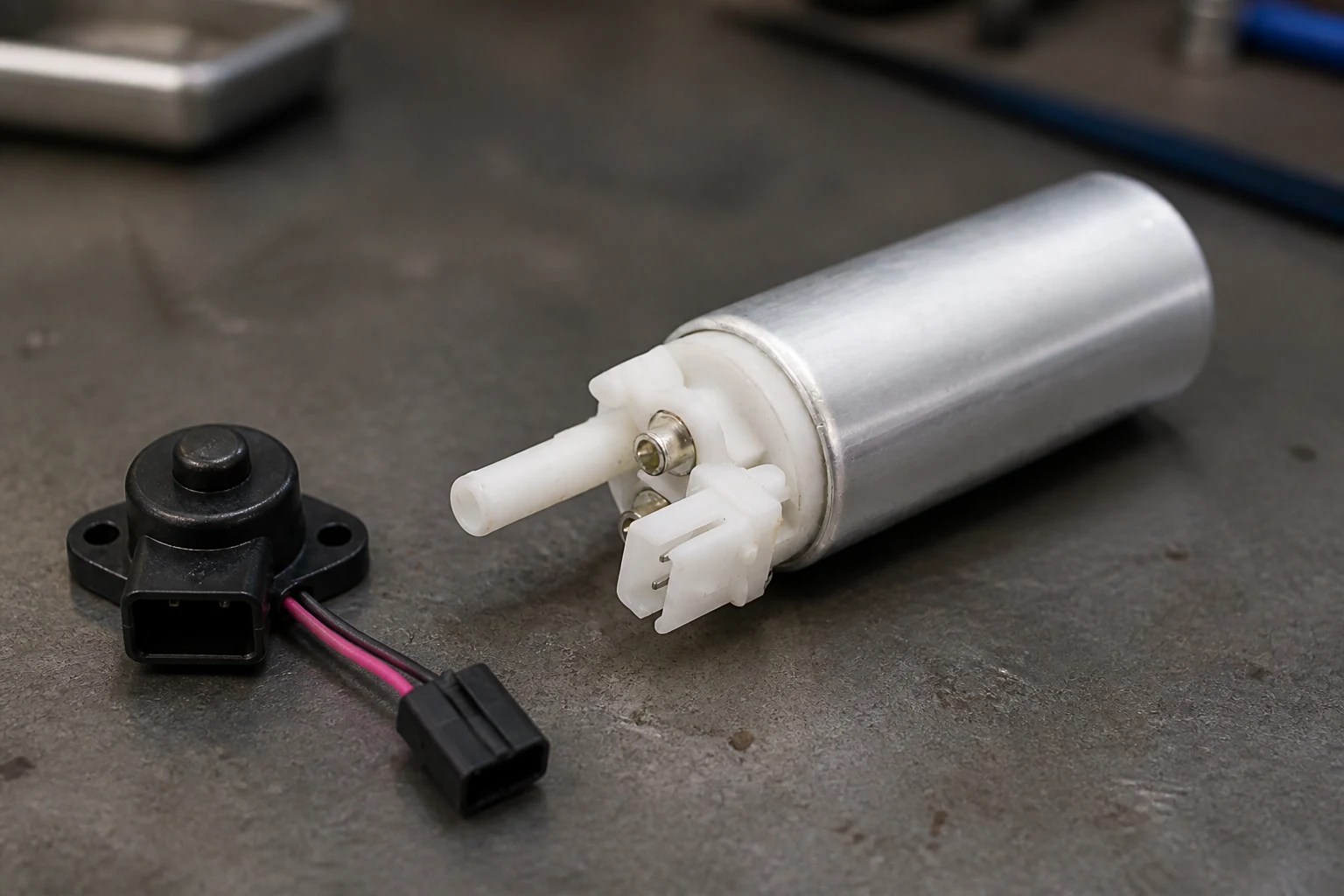
A no-start or missing prime can be reported using the words “switch,” “relay,” “fuse,” or “fuel pump,” even when the underlying diagnostic path has not been separated. That is why the next check is the documented circuit and pump diagnosis for the exact platform, not an automatic replacement decision.
The fuel-pump relay guide explains the distinction between a controlled circuit switch and pump-side demand. Use it to structure the diagnostic record, while keeping the OEM manual as the authority for the actual platform.
| Reported condition | What to document | What not to conclude |
|---|---|---|
| No-start after an event | Event details, safety inspection, OEM procedure reference | That a resettable switch is definitely present |
| No prime or pump sound | Relevant relay, fuse, and circuit checks | That the pump has failed without diagnosis |
| Repeated no-start | Fault codes and platform-specific diagnostic result if available | That a reset is a permanent repair |
| Confirmed pump-side fault | OE/interchange and assembly-interface record | That any generic pump will fit |
Part 6. What should a service channel record after the safe checks?
The work order should become a concise evidence package. It helps a service channel decide whether the next step is OEM repair information, electrical diagnosis, or a documented fuel-pump inquiry.
| Record field | Why it matters | Send with quote |
|---|---|---|
| Exact platform and engine/fuel-system record | Establishes the relevant procedure | Yes |
| Event and symptom timeline | Separates impact context from a routine fault | Yes |
| Fuel-leak and damage inspection result | Establishes whether work can proceed | Yes |
| Owner/service document reference | Makes the platform procedure traceable | Yes |
| Relay, fuse, and circuit-check result | Avoids a false pump diagnosis | Yes |
| Confirmed pump-side finding and OE record | Defines a valid assembly inquiry | Yes |
| Quantity and destination documentation need | Defines the sourcing review | Yes |
For broader symptom sorting, use the fuel-pump symptoms field guide. It should support, not replace, the platform-specific procedure when safety or a shut-off event is involved.
Part 7. When does the case become a documented pump inquiry?
Only move to product sourcing after the platform procedure is established and the record supports a pump-side or assembly requirement. At that point, the buyer can use Kangsong fuel pump products for a product-family review rather than treating Kangsong as a shut-off-switch catalog.
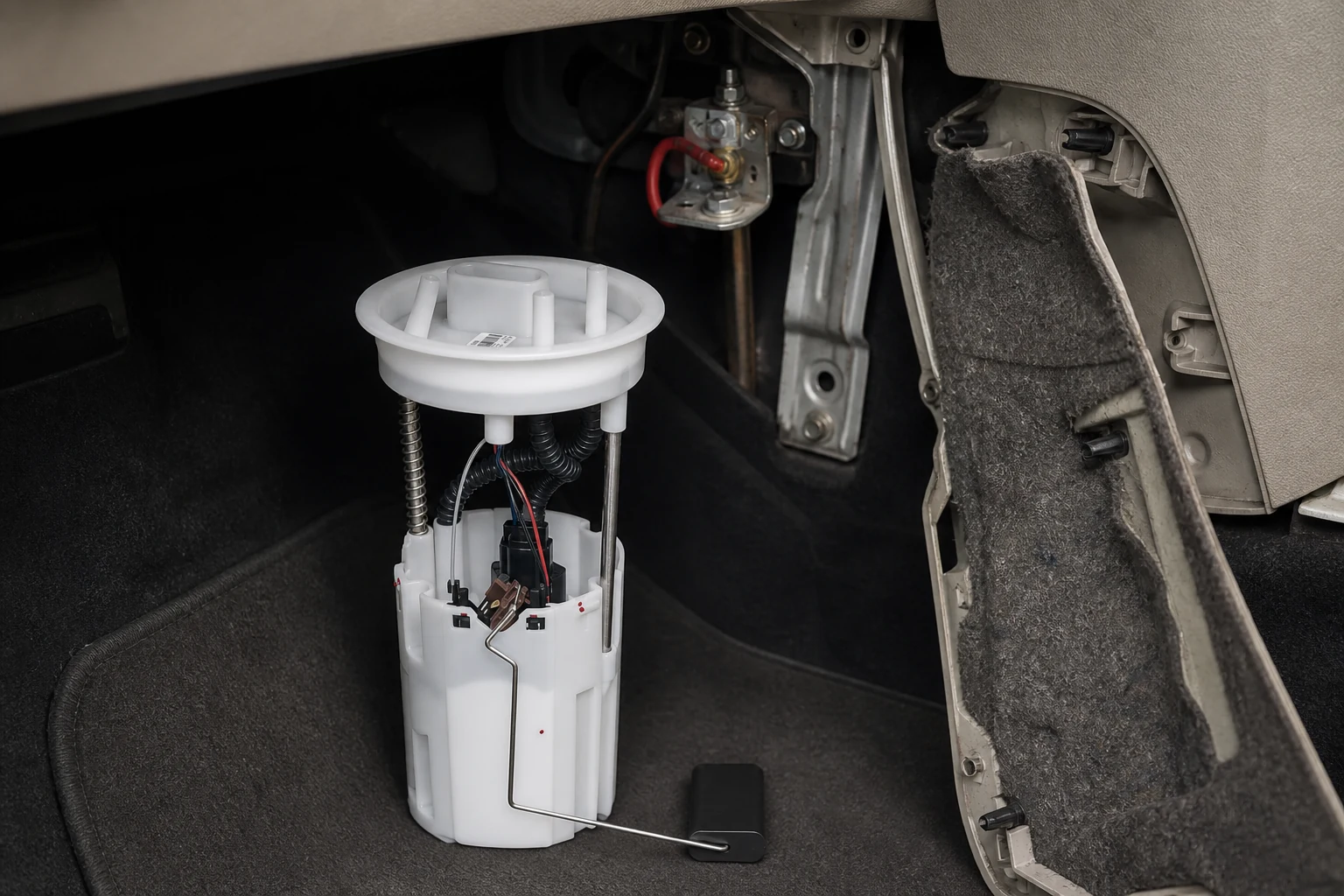
Send the documented request through Contact Kangsong with the OE/interchange record, required assembly scope, connector and interface details, quantity, and requested documents. The temporary-start service-bay notes provide another controlled diagnostic boundary: a restart outcome never removes the need to identify the actual fault.
FAQs
Does every vehicle have a fuel-pump shut-off switch?
No universal assumption is safe. Confirm whether a relevant resettable device exists in the exact platform’s owner or service information before looking for a location or attempting a reset.
Where should a buyer look for the reset location?
Use the applicable platform documentation. A location from another model, year, or fuel-system configuration can be wrong even when the vehicles appear similar.
What must be checked before a reset attempt?
Check for fuel leaks, fuel odor, visible damage, and any impact-related concern first. Then follow the exact platform procedure rather than bypassing a safety function or repeatedly attempting a restart.
Can a shut-off device cause a no-start?
A fuel-system safety or control event can be part of a no-start investigation, but the exact platform documentation and circuit diagnosis are required to identify the cause. Relay, fuse, wiring, and pump faults can present with similar reports.
Is a shut-off switch the same as a fuel-pump relay?
Not necessarily. A relay is part of an electrical control path, while a fuel shut-off arrangement may have a different safety purpose and platform-specific behavior. Do not use the terms as interchangeable diagnostic conclusions.
What should be included in a pump inquiry after diagnosis?
Include the exact platform and fuel-system record, OEM procedure reference, confirmed pump-side finding, OE/interchange evidence, assembly scope, connector/interface notes, quantity, destination documentation requirements, and requested test information.


