
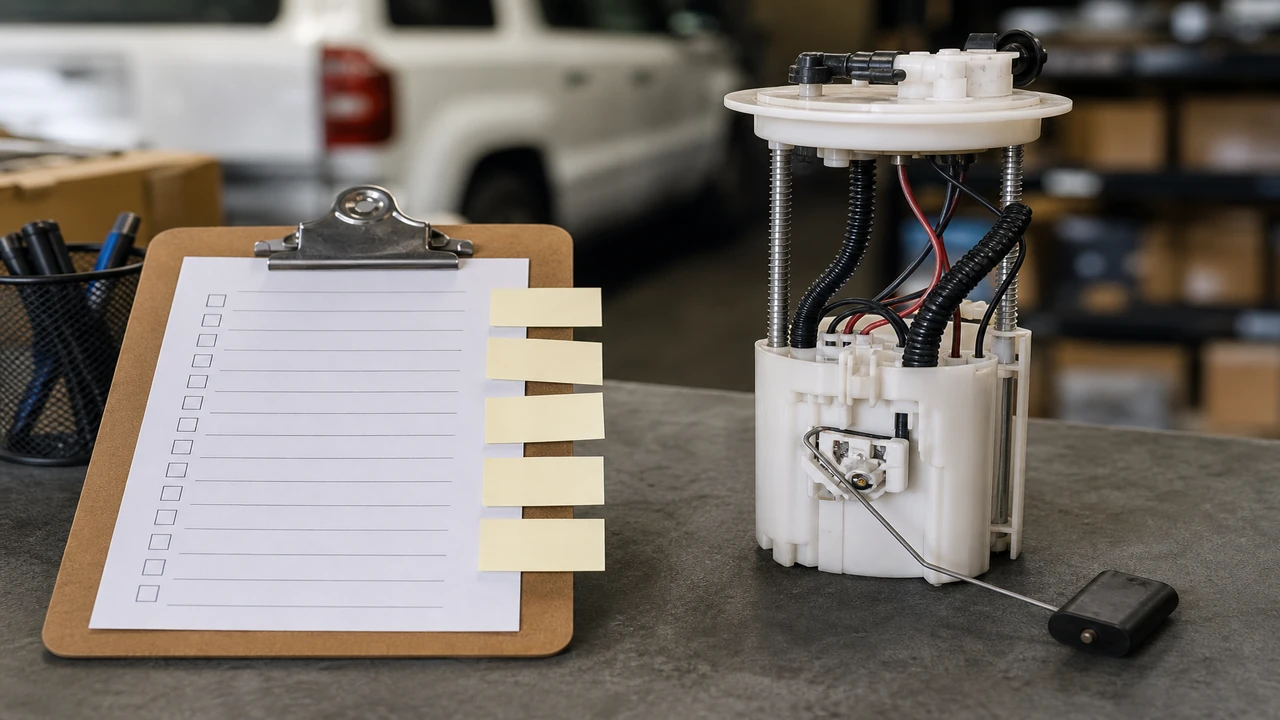
Bad fuel pump symptoms that hit distributor counters—hard or no start, stalling, power loss under load, and tank-area whine—often overlap with relay, fuse, filter, and wiring faults, so parts channels should verify electrical supply and fuel pressure before stocking or quoting a pump assembly. This guide is a diagnostic and service-planning aid for importers, jobbers, and fleet channels. It is not a substitute for OEM TSBs or vehicle-specific diagnosis.
- FAQ
Part 1. Symptom Patterns Distributors Hear First
Wholesale phones light up when shops describe bad fuel pump symptoms without a completed electrical check. The complaint language is consistent across platforms even when the root cause is not.
| Counter complaint | What it may indicate | Do not assume |
|---|---|---|
| Long crank / hard start | Low residual pressure or weak pump output | Instant pump sale |
| Cranks, no start | No fuel delivery or no pump power | Module is dead without voltage proof |
| Stalls hot or under load | Intermittent pump, relay, or restriction | Always the in-tank unit |
| Power loss / surge | Pressure drop under demand | Ignition or exhaust first without fuel data |
| Whine from tank area | Pump wear, dry-run history, or strainer load | Noise alone equals failure |
Capture the symptom pattern, when it occurs (cold, hot, after fill), and whether the shop heard a prime pulse. That triage data later supports both diagnosis and fuel pump replacement cost discussions for fleet buyers.
Part 2. Lookalikes That Mimic Bad Fuel Pump Symptoms
Relay, fuse, ground, connector, clogged filter, and high inlet restriction failures produce the same no-fuel story as a failed pump. Industry shop threads and Q&A boards repeatedly describe “pump replaced, still dead” after a stuck-open relay or blown fuse was the first fault.
Before allocating a high-value assembly SKU:
- Confirm fuse integrity and correct relay seat.
- Listen for the key-on prime (where the platform provides one).
- Check for recent filter service and contamination notes.
- Separate diesel HPFP campaigns from gasoline in-tank module demand when recall alerts are in play.
Important: Treat undiagnosed “no-start / no fuel” as an electrical and restriction checklist first—not an automatic pump purchase order. (Source: trade diagnosis practice summarized in Brake & Frontend — scan-tool fuel pump diagnosis.)
Part 3. Field Diagnosis Sequence Before Replacing the Pump
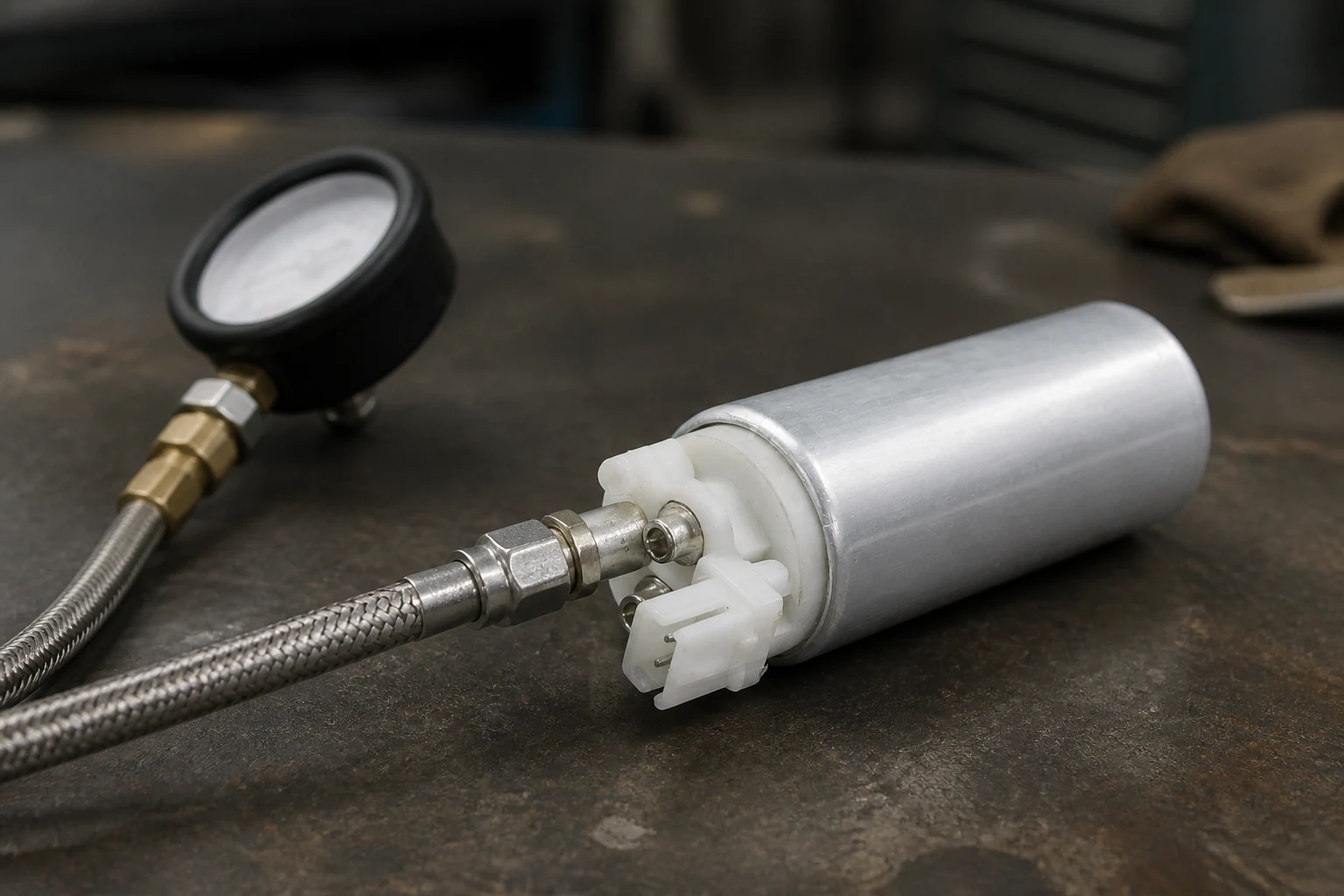
Service channels should follow a verify-then-replace path aligned with OEM service information for the exact vehicle:
- Verify the complaint and pull DTCs with a capable scan tool; resolve communication faults before condemning the pump.
- Monitor fuel pressure / fuel trim parameters where available, then confirm with a mechanical gauge per the service manual.
- Confirm voltage and ground at the pump connector during commanded operation.
- Inspect strainer, filter, and lines for restriction before quoting a replacement assembly.
Public OEM technical materials illustrate why pressure confirmation matters. For example, some Toyota service bulletins discuss hard start / MIL conditions with fuel-rail pressure too low or lean codes (such as P0087 / P0171 / P0174 families) and require pressure verification against the repair manual—see the public NHTSA-hosted Toyota fuel pump pressure bulletin PDF. Use that pattern as a process cue, not as a universal parts list.
Part 4. Counter and RFQ Inputs That Cut Wrong-Pump Returns
| RFQ / work-order field | Why it matters | Send with quote |
|---|---|---|
| VIN / platform / engine | Prevents wrong family (module vs HPFP) | yes |
| Symptom pattern and when it occurs | Separates intermittent electrical from mechanical | yes |
| Fuse / relay / filter checks done | Blocks lookalike returns | yes |
| Measured pressure vs OEM spec | Confirms delivery fault | yes |
| OE number or documented cross | Fixes SKU identity | yes |
| Quantity band and channel (shop / fleet) | Aligns MOQ and packaging | yes |
Reject “year-make-model only” pump requests when the buyer cannot state pump type or OE reference. Wrong-bin shipments destroy margin faster than a delayed quote.
Part 5. Adjacent Stocking After Confirmed Pump Failure
Once pressure and electrical checks confirm pump-side failure, jobbers usually protect the repair with adjacent lines:
| Line item | Why it travels with the pump | Stock note |
|---|---|---|
| Fuel filter / kit | Contamination after distress | yes |
| Strainer / sock where serviceable | Inlet restriction recurrence | conditional |
| Seals / lock ring / hardware | Labor one-and-done expectation | yes |
| Relay (if heat-related intermittents) | Prevents repeat no-start | conditional |
| Sender/module assembly vs bare pump | Platform packaging reality | match OE form |
Keep gasoline modules and diesel high-pressure pumps on separate planning boards. Mixing those bins is a common wholesale error after symptom-only buying.
Part 6. Where Kangsong Assembly Routes Fit After Diagnosis
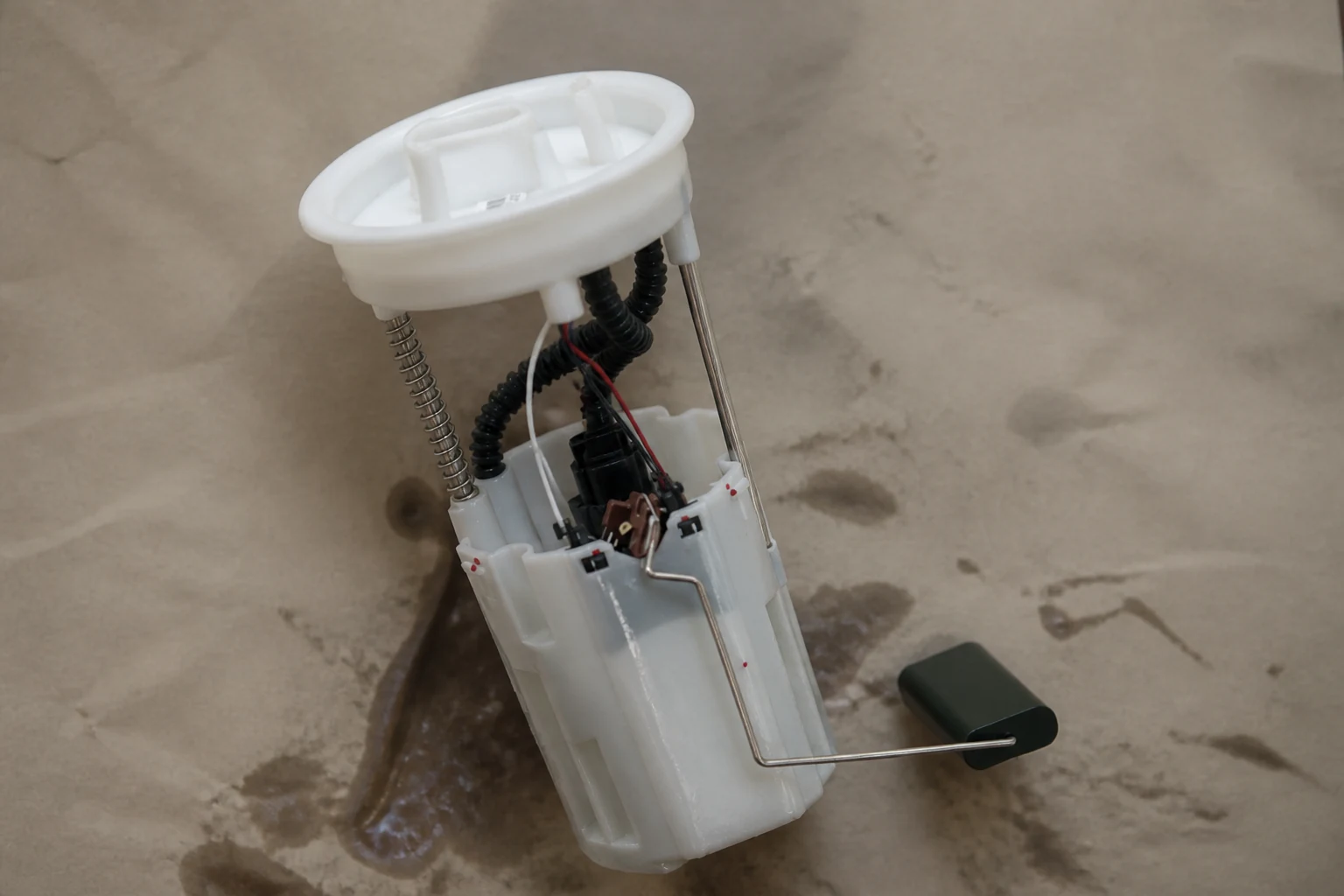
Kangsong (Zhejiang Kangsong) develops and manufactures fuel pump assemblies, electric fuel pumps, and module-level components for aftermarket and OEM/ODM programs. Kangsong public materials list 300+ fuel pump models and 1,700+ assembly models for aftermarket and OEM/ODM programs serving North America, Europe, and Australia.
Product recommendation for confirmed demand:
- Start at Kangsong products when OE references and pump type are documented.
- Send diagnosis notes, quantity bands, and required test/traceability documents through Contact Kangsong.
- Use About Kangsong when buyers need supplier qualification background.
Fit Boundary: this article supports diagnostic triage and aftermarket/OEM-equivalent sourcing conversations. It does not authorize vehicle-specific repair conclusions, invent OE numbers or prices, or replace OEM TSBs. Do not present Kangsong parts as authorized recall service parts without written authorization for the specific program.
FAQ
What are the most common bad fuel pump symptoms at the counter?
Hard or no start, stalling (especially hot), power loss under load, and a whine from the tank area. Treat them as a triage list, not an automatic pump sale.
Can a bad fuel pump relay cause the same symptoms as a bad pump?
Yes. A failed relay or fuse can cut pump power and produce cranks-no-start or intermittent stall that looks identical to pump failure until voltage is checked.
Should shops replace the pump before checking fuel pressure?
No. Confirm electrical supply and measure pressure against OEM service data for that platform before condemning the pump.
Which work-order fields should distributors capture?
VIN/platform/engine, symptom timing, fuse/relay/filter checks, measured pressure, OE number or documented cross, and quantity/channel needs.
What adjacent parts belong with a confirmed pump failure?
Filter kits, serviceable strainers, seals/hardware, and sometimes a relay when intermittents point to the control side—matched to the OE packaging form.
When should a jobber route buyers to Kangsong for assemblies?
When diagnosis supports pump/module replacement and the buyer can supply documented OE references for OEM-equivalent or ODM assembly supply via products and contact routes.


