
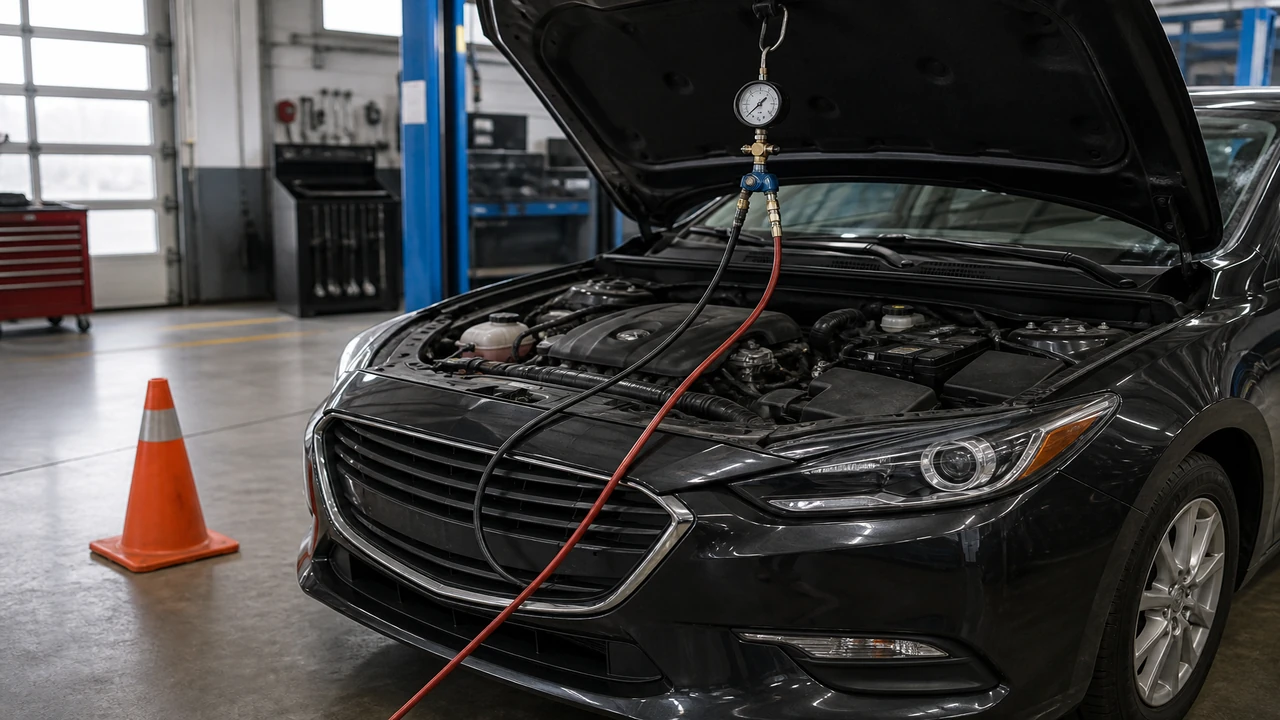
How to start a car with a bad fuel pump is a diagnostic question, not a universal driving workaround. In a controlled service setting, a short recovery attempt may help move a vehicle for testing after electrical lookalikes are checked; it does not establish that the pump is safe to use or that a vehicle should remain in service.
- FAQs
Part 1. What a temporary start means in a service bay
A temporary start is a limited recovery or diagnostic event: it helps the technician observe prime behavior, electrical supply, or symptom timing before an assembly is condemned. It is not a promise that the vehicle can be driven normally after it starts.
The first question is whether the no-start is actually a pump-side fault. A relay, fuse, connector, wiring fault, restricted filter, or platform-specific control condition can produce similar symptoms. Use the fuel pump relay guide and the bad fuel pump symptoms guide to separate the symptom from the replacement decision.
Part 2. Controlled recovery steps and methods to refuse
Begin with the vehicle maker’s service information and normal shop safety controls. If a technician elects to perform a limited recovery check, document the key-on prime response, electrical checks, and the outcome rather than treating a successful start as proof of repair.
| Action | Diagnostic value | Boundary |
|---|---|---|
| Key-on prime observation | Records whether the system attempts to prime | Follow the platform procedure; sound alone is not a diagnosis |
| Voltage and ground check at the connector | Separates supply faults from pump-side faults | Use approved test points and service information |
| Pressure or delivery test | Confirms delivery against the platform reference | Do not publish or invent a universal pressure target |
| Controlled movement for testing | May position a vehicle for diagnosis | Stop if there is a leak, vapor risk, warning condition, or unsafe operation |
Do not pour fuel into an intake, bypass protective circuits, improvise exposed wiring, or treat striking a fuel tank as a repair method. Those actions add fire, injury, or component-damage risk and do not create a defensible service record.
Important: Fuel-system work involves fuel vapor, pressurized fuel, and electrical energy. A temporary start attempt must stop when there is a fuel leak, a fire hazard, or an unknown electrical condition; use the vehicle manufacturer’s safety procedure before opening a fuel-system circuit. (NHTSA vehicle safety resources)
Part 3. Relay and electrical lookalikes to screen first
Before a pump quote is issued, record whether the relevant fuse, relay command, connector condition, and ground path have been checked. A no-prime complaint can be caused by an interrupted command or supply path even when the pump itself is serviceable.
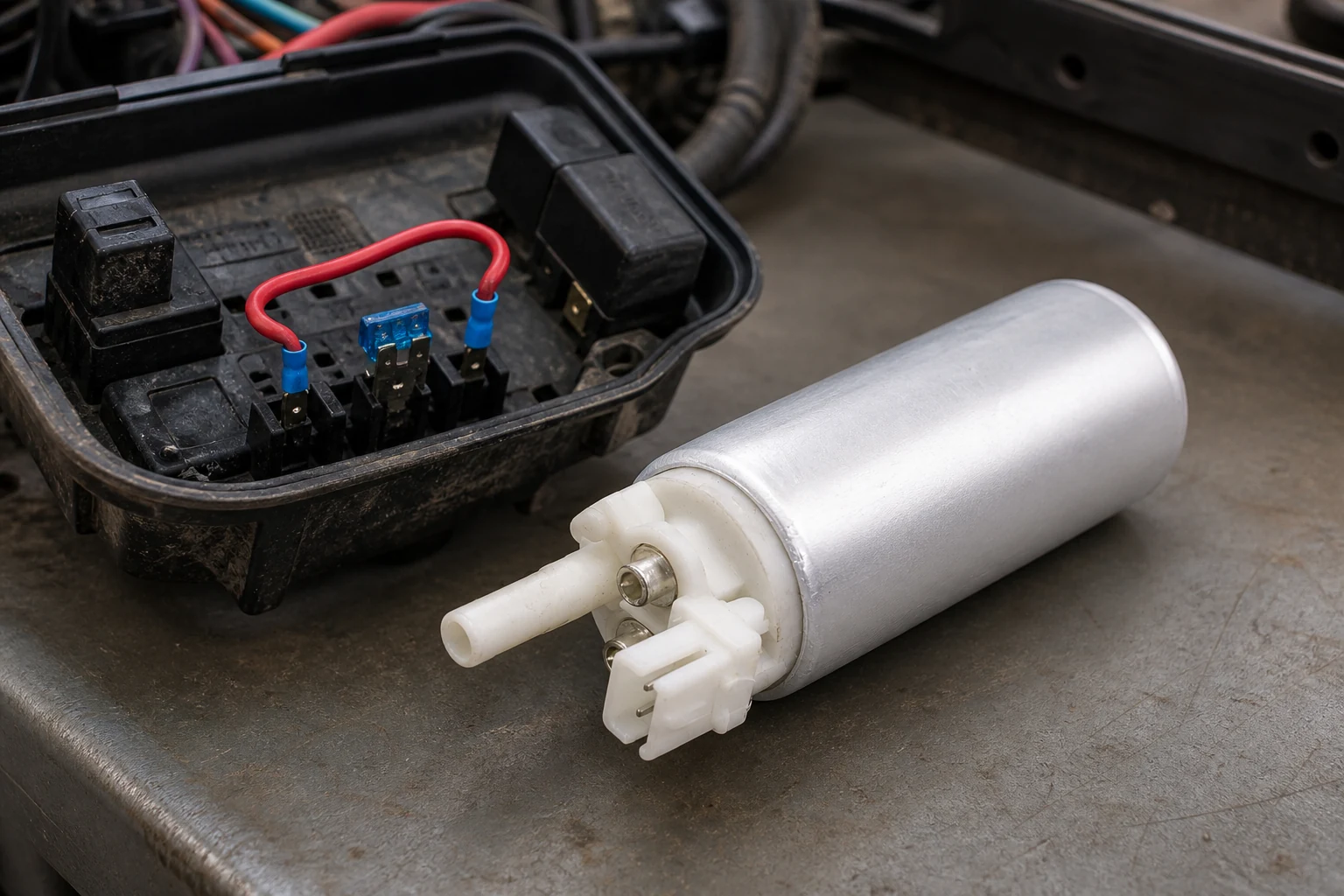
Use a scan tool and the OEM diagnostic sequence where the platform supports them. The scan-tool fuel-pump diagnosis overview from Brake & Frontend is useful background for checking the electrical and delivery sides of the fault separately.
Part 4. Turning a no-start event into usable work-order data
The record matters because a buyer asking for a replacement assembly needs an identifiable pump family, not only the phrase “bad fuel pump.” Capture the fields below before a counterperson or sourcing team maps a request.
| Work-order field | Why it matters | Send with quote |
|---|---|---|
| Platform, engine, and OE reference | Identifies the correct product family | Yes |
| Symptom timing and prime observation | Distinguishes intermittent from constant faults | Yes |
| Fuse, relay, and connector results | Reduces false-pump returns | Yes |
| Pressure/delivery test result with OEM reference | Gives the finding context | When available |
| Temporary action attempted and outcome | Prevents a verbal workaround becoming a “repair” claim | Yes |
| Quantity and destination market | Sets the commercial request scope | Yes |
This table is a work-order aid, not an authorization to quote a vehicle-specific part from symptom text alone.
Part 5. Where the safety boundary belongs
Temporary-start guidance is suitable for service channels that need to control a recovery and document a next diagnostic step. It is not suitable for drivers seeking permission to continue using a vehicle with a confirmed delivery fault, for untrained fuel handling, or for any situation with a leak or fire risk.
Campaign or recall questions require VIN and manufacturer-program verification. A parts supplier should not describe an aftermarket inquiry as authorized campaign fulfillment without written evidence for that program.
Part 6. Sourcing after a pump-side fault is documented
When the diagnostic record supports a pump or module replacement, route the inquiry to Kangsong fuel pump products with documented OE references and interface notes. Kangsong’s public site describes fuel pump assemblies, electric pumps, high-pressure pumps, low-pressure pumps, and module-related product lines; the exact fit, flow, pressure, and OE relationship still require the relevant product documentation.
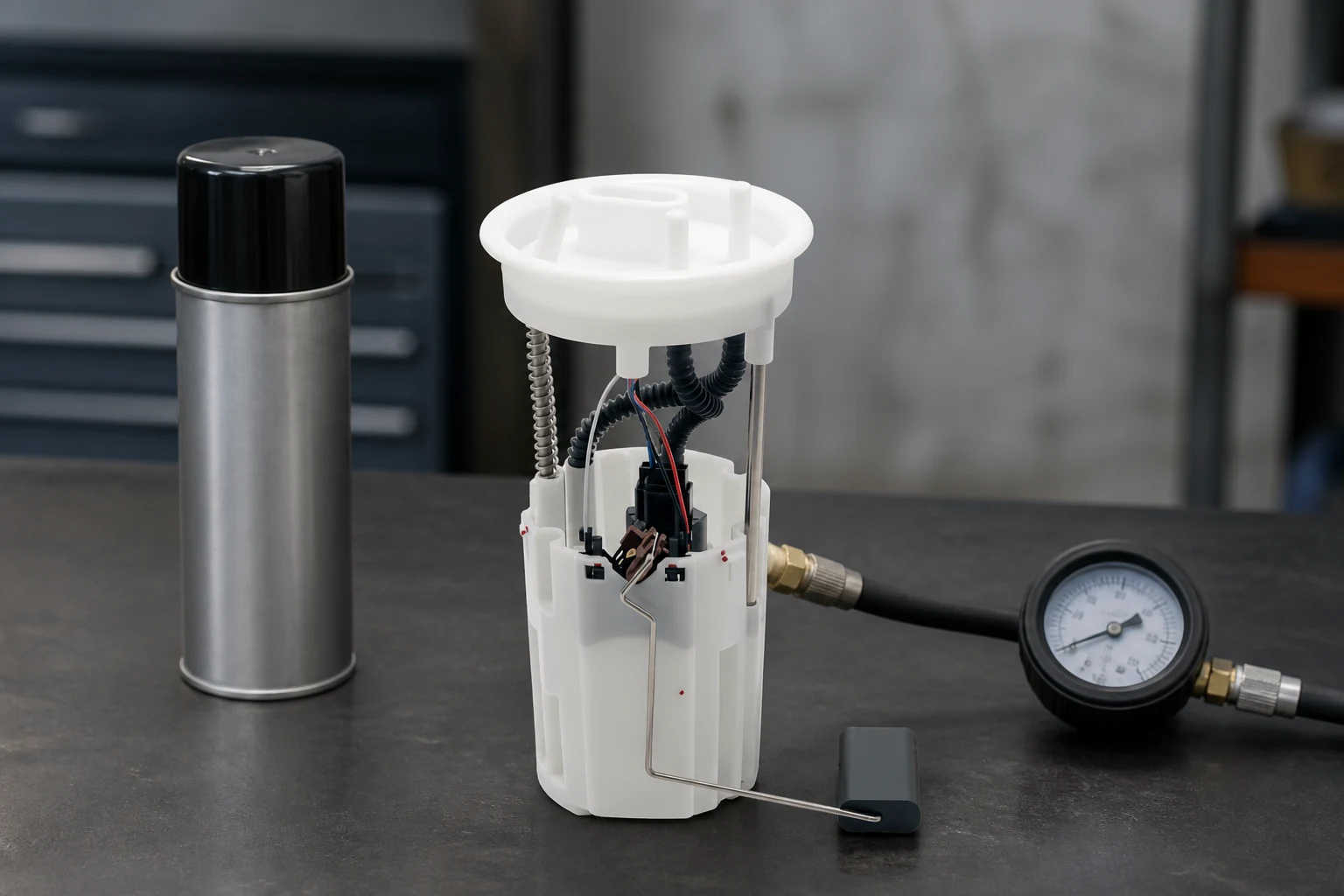
Use Contact Kangsong to send the OE reference, platform notes, diagnostic record, quantity band, and documentation requested by the buyer. Do not select a random SKU solely because a vehicle started after a temporary action.
Part 7. Avoiding repeat no-start returns
Close the service event by recording what was verified, what remains unverified, and whether the vehicle was released under the manufacturer’s instructions. A return is more likely when a relay or ground fault is not recorded, the assembly scope is unclear, or a temporary recovery is presented as a lasting repair.
For a deeper test sequence after a recovery event, see How to Test a Fuel Pump. That article owns the bench and in-vehicle test workflow; this page owns the temporary-start boundary and work-order record.
FAQs
How do shops temporarily start a car with a bad fuel pump?
Shops use controlled diagnostic procedures and OEM service information to check prime behavior, power, ground, and delivery. A brief recovery attempt is only for diagnosis or controlled movement; it is not a universal start method or a long-term repair.
Is pouring fuel into the intake a safe temporary start method?
No. It introduces fuel-handling and fire risk and bypasses the diagnostic process. Stop and use the manufacturer procedure when the fuel system is not operating normally.
Can cycling the key restore fuel-pump prime temporarily?
Some platforms command a prime cycle, but the response does not prove that the pump, wiring, relay, or fuel delivery system is healthy. Record the result and continue with the platform-specific electrical and delivery checks.
When should a temporary-start attempt stop?
Stop immediately for fuel leakage, vapor odor, smoke, abnormal electrical condition, unsafe vehicle behavior, or any condition outside the OEM procedure. A confirmed no-delivery fault needs diagnosis rather than repeated attempts.
How can a relay fault mimic a failed fuel pump?
A faulty relay or its command circuit can prevent the pump from receiving the expected power during a start event. Check the relevant fuse, relay, wiring, and ground path before identifying the pump as the failed component.
What information should a buyer provide for an OEM-equivalent fuel-pump RFQ?
Provide the OE or interchange reference, platform data, connector/interface notes, diagnostic context, required documentation, destination market, and quantity band. Those details allow the supplier to review scope without making an unsupported fit claim.


