
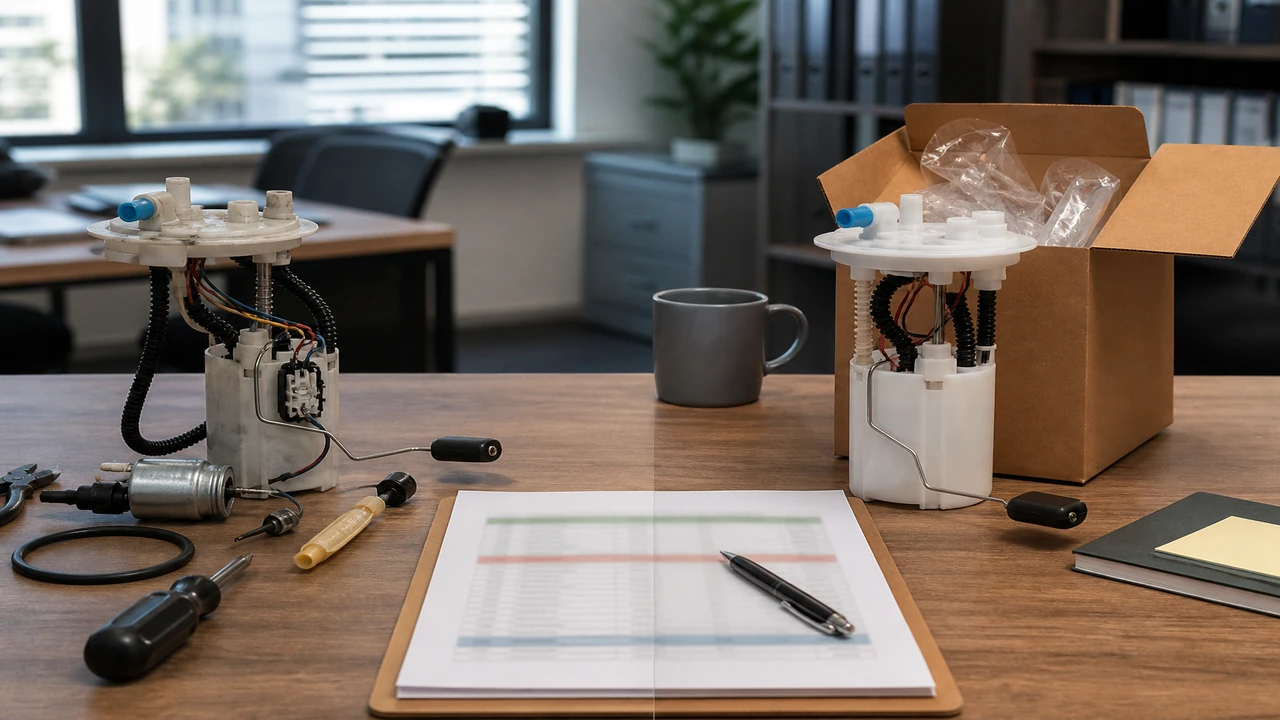
Fuel pump repair cost for fleet procurement is a repair-versus-replace decision driven by labor access, module serviceability, downtime risk, and residual failure probability—not a single public dollar table. Capture those drivers on an RFQ sheet first. When replacement wins, use the sibling fuel pump replacement cost guide for wholesale parts-and-labor structure.
This guide helps United States and global English B2B fleet buyers, jobbers, and importers compare repair versus replace scope without inventing price lists or OEM part-number conclusions.
Important: A fuel pump repair cost search is not a purchase order and not a guaranteed shop rate. Confirm platform, access labor, and diagnosis before committing spend. Use NHTSA recall lookup when a safety campaign may apply. — NHTSA Recalls
Part 1. Why does fuel pump repair cost matter as a fleet decision, not a price table?
Fleet phones light up when shops quote a pump job with incomplete scope. Consumer SERP pages often publish wide dollar ranges; those ranges are not transferable RFQs for wholesale or fleet programs. Procurement teams need a decision frame:
- Is the unit serviceable as a bare pump, or only as a module assembly?
- Will tank-drop or bed-removal labor dominate the job either way?
- Does downtime risk outweigh a short-term repair attempt?
- Has diagnosis ruled out relay, fuse, filter, and wiring lookalikes?
Treat public cost bands as conversation starters only. Document scope, then quote. Symptom triage still belongs with the bad fuel pump symptoms guide before any repair-cost negotiation.
Part 2. Which cost drivers separate repair from replacement quotes?
| Cost driver | Repair-path effect | Replace-path effect | Send with quote |
|---|---|---|---|
| Module vs bare pump form | May allow pump-only service where OE design supports it | Often full assembly SKU | yes |
| Tank / bed access labor | Paid once for either path if access is required | Same labor floor when access is mandatory | yes |
| Diagnosis completeness | Avoids repairing a healthy pump after electrical faults | Avoids wrong-family assembly | yes |
| Downtime priority | Temporary repair may extend outage risk | New assembly reduces repeat-bay risk | yes |
| Contamination / strainer notes | Partial clean may leave residual risk | Assembly + filter kit often preferred | conditional |
| Warranty / account policy | Some fleets ban pump-only repairs | Assembly path matches policy | yes |
Industry forum and Q&A threads commonly describe intermittent pumps that run after cool-down, then fail on the next hot restart. That pattern raises residual-risk cost even when a short repair looks cheaper on paper.
Part 3. When do labor and access factors tip fleets toward replacement?
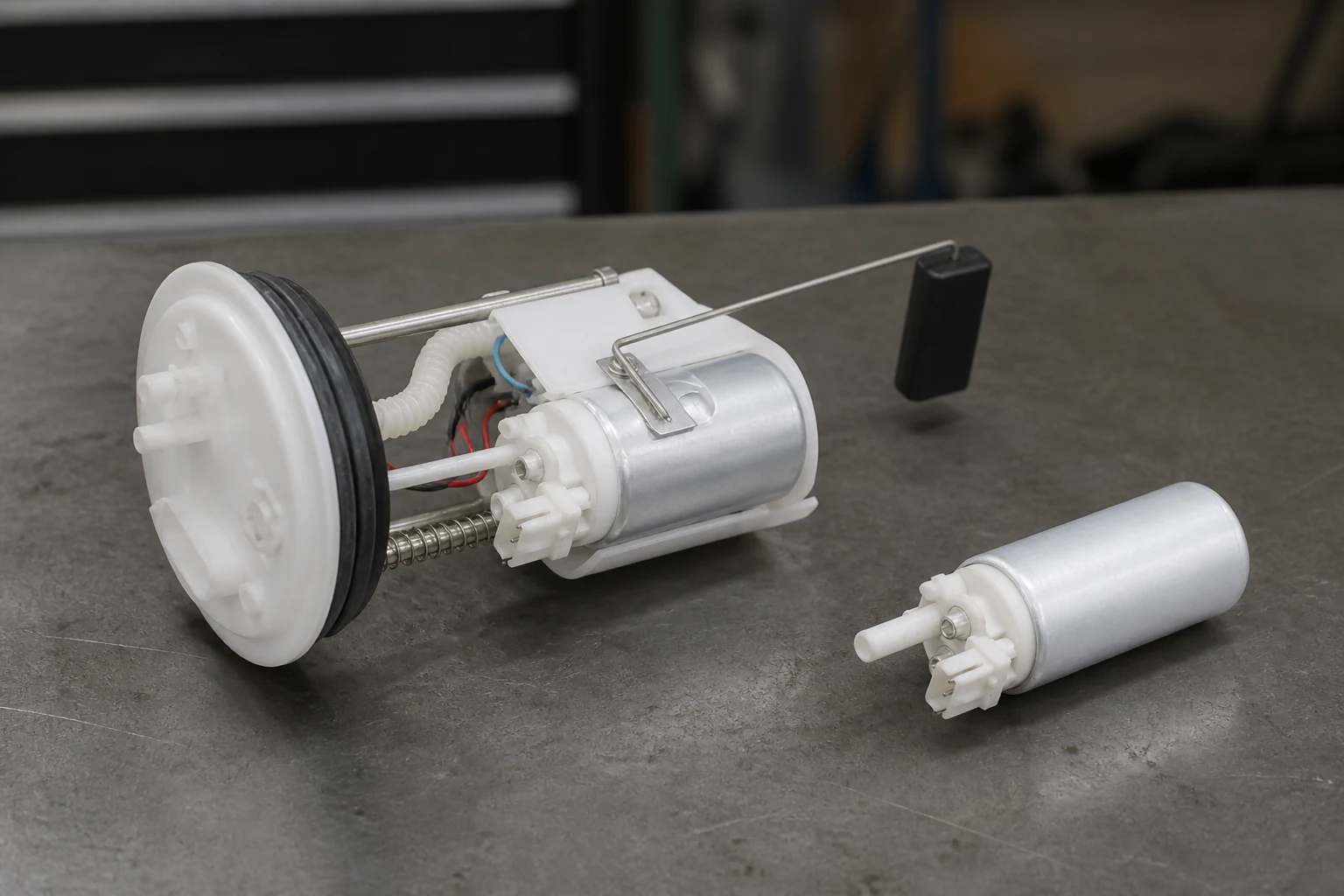
When tank drop, bed removal, or cabin-access labor already dominates the work order, fleets often prefer replacement over a limited repair that still requires the same access later. Decision cues:
- Access labor is fixed whether the shop services a bare pump or installs a module.
- Platform packaging is module-only—bare-pump repair is not an OE-supported path.
- Diagnosis confirms weak pressure or failed delivery after electrical checks (see Brake & Frontend scan-tool fuel pump diagnosis).
- The vehicle is high-utilization and a second bay visit costs more than the parts delta.
Do not invent a universal break-even dollar figure. Record access hours, utilization class, and residual-risk tolerance on the RFQ instead.
Part 4. How should RFQ sheets capture repair-versus-replace scope?
| RFQ / decision field | Why fleets need it | Send with quote |
|---|---|---|
| OE / interchange number | locks pump family | yes |
| Platform / engine / model years | prevents wrong-bin stock | yes |
| Symptom pattern and when it occurs | separates intermittent electrical from mechanical | yes |
| Fuse / relay / filter checks done | blocks lookalike spend | yes |
| Repair vs replace preference | scopes offer type | yes |
| Tank-drop / access notes | sets labor floor | yes |
| Downtime priority (hours/day class) | weights residual risk | yes |
| Destination market and quantity band | packaging and MOQ | yes |
Reject give-me-the-repair-cost requests that omit OE references and access assumptions. Those are incomplete RFQs, not competitive bids.
Part 5. What Fit Boundary keeps repair-cost guidance defensible?
Fit Boundary: this workflow supports fleet and wholesale repair-versus-replace planning when platform data, diagnosis notes, and labor-access assumptions are explicit. It is not a consumer price list, not legal advice, and not authorization to fulfill OEM recall remedies without written program approval.
Do not quote when the buyer only sends the phrase fuel pump repair cost, when the OE map is missing, or when the request demands a guaranteed USD outcome for an unverified VIN.
Part 6. How do Kangsong routes support documented assembly RFQs after the decision?
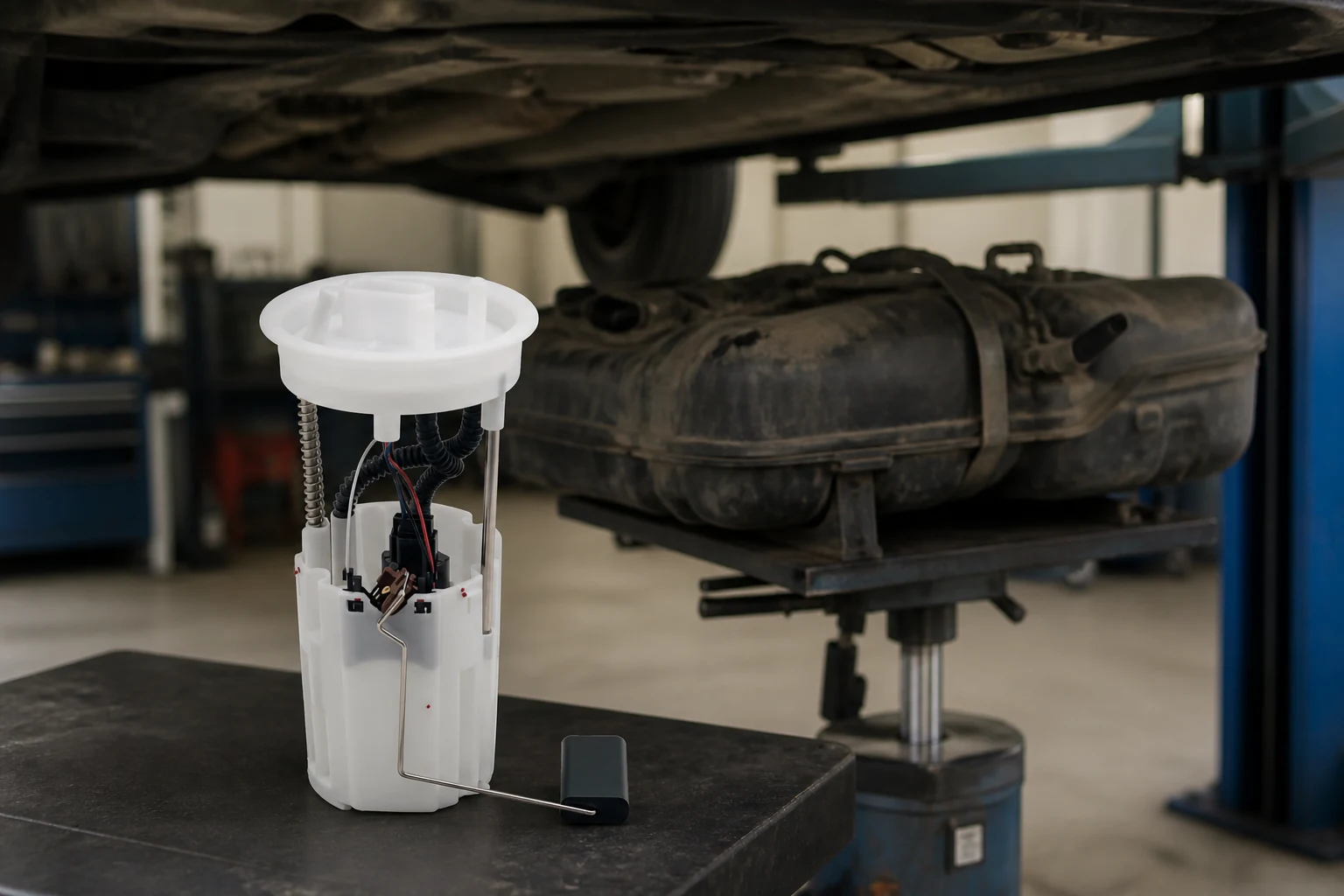
Kangsong manufactures fuel pump assemblies, electric pumps, and related modules for global aftermarket and OEM/ODM buyers. After the repair-versus-replace decision favors replacement:
- Open Kangsong products only after OE references are ready for mapping.
- For an OEM-equivalent assembly inquiry, use Contact Kangsong to provide the platform record, diagnostic context, purchasing volume, and required documentation.
- Include About Kangsong links in importer vendor packs when quality teams ask for manufacturer background.
An aftermarket assembly RFQ is not evidence of participation in an OEM safety campaign; any campaign-related fulfillment requires program-specific written authorization. For parts-and-labor driver detail on the replacement path, return to the replacement cost wholesale guide.
Part 7. Which procurement checks prevent false price-list buying?
Require a one-page decision sheet before purchase orders: OE number, platform, diagnosis checks, repair-vs-replace preference, access assumptions, downtime class, and document list. Score quotations on identical fields. A cheaper line that changes pump family or omits access labor is a different offer—record it as a deviation, not a win.
FAQ
What drives fuel pump repair cost for fleet procurement teams?
Labor access, module versus bare-pump serviceability, downtime risk, diagnosis completeness, and account warranty policy—not a single public price table.
When is repair cheaper than replacement for a fuel pump program?
Only when the platform supports a limited service path, access labor is already sunk or minimal, and residual failure risk is acceptable. Otherwise replacement often wins on total program cost.
Which labor and access factors change repair versus replace quotes?
Tank drop, bed removal, cabin access, and seal/hardware kits can dominate either path. If access is mandatory twice for a failed repair attempt, fleets usually prefer one complete replacement visit.
Should fleets repair intermittent pumps or replace the assembly?
Intermittent hot-fail patterns often carry high residual risk. Capture cool-down restore notes on the work order, complete electrical checks, then decide with downtime class in view—do not treat intermittents as automatic cheap repairs.
What RFQ fields belong on a repair-vs-replace fuel pump decision sheet?
OE/interchange, platform, symptoms, electrical/filter checks, repair-vs-replace preference, access notes, downtime priority, destination market, quantities, and required documents.
When should a repair-cost inquiry route to Kangsong for OEM-equivalent supply?
When the decision favors replacement and the buyer has documented OE references for OEM-equivalent or ODM assembly supply—send those references through Kangsong products and contact channels.


