A click during fuel pump relay clicking shows the coil pulled in, and it does not prove the pump is dead. Silence is a separate split, because the coil never moved and the year sheet still has to name the next part. One click, rapid chatter, and a quiet relay each leave a different order line open.
What one click proves about the coil
The coil pulled an iron armature in, and the pump is still unproven. Contacts are a second set of parts, and they can fail while the click still happens.
The coil pulls an iron armature and the contacts change state. That is the whole mechanical story behind a single click: electromagnet, moving iron, then the load faces.
A fuel-pump relay uses a small coil current to move those faces, which then feed the pump. The click is the armature arriving. Current at the pump motor is a later question.
The contacts may still be burned or unable to carry the pump current. A loose, corroded, or heat-stained socket can leave the same no-prime result while the click still sounds clean.
From the field: On a 1972 Type 3 the pump hum sits between two clicks, and the second click is the relay opening when the engine is not running — Type 3 list, January 2002.
Treat that pair as a field picture of a prime window, not as a timer for every truck. Some layouts click once and hold. Some click when the key turns on and again when the controller drops the pump because the engine is still stopped.
On a counter ticket, one click plus a short prime hum means the coil was commanded and the pump motor turned. One click and no hum means the coil moved and the pump circuit is still an open question.
Why a rapid chatter is not a prime click
Rapid chatter means the coil is pulling in and letting go, over and over. That pattern is not the single prime click.
Fuel pump relay symptoms that matter on this ticket are one click, rapid chatter, or silence, plus whether a prime hum shows up. The clock time of the sound matters as much as the part number someone wants to type.
| Sound at key-on | What moved | What stays open |
|---|---|---|
| One click, then quiet | Coil pulled the armature in | Pump health and the contact faces |
| Rapid chatter | Coil pulling in and dropping out | Voltage, socket, ground, or a pump load cycling the coil |
| Silence | Coil did not pull in | Whether the year sheet expected a click at all |
Low system voltage is a common reason the coil cannot hold. Dim lamps or a lazy crank during the chatter put the battery cables and grounds ahead of any pump.
A worn relay can chatter on its own. A socket with spread terminals, or a ground that drops out over bumps, can do the same.
Readers on a Thirdgen thread described rapid clicking on a cranking no-start and still asked why the pump took many tries to come on. The complaint pairs the sound with a pump that is late, which is a different order problem from a single clean click.
If the engine cuts out while the relay chatters, or the chatter shows up only over bumps, the socket and the harness are in the conversation. Leaving that relay in the car for a road test keeps a cycling coil on a fuel pump that may already be seeing pulsed power.
A pump that draws heavy current can pull the feed down until the coil drops out, which then looks like a relay fault. The sound alone does not award the blame. Note what else happened in the same second: lamps, crank speed, stall, or a hum that starts and stops with the clicks.
How silence splits from a click
Silence means the coil did not pull in during that key cycle. Fuel pump relay diagnosis on this page is only the click versus no-click split.
A quiet relay can be a coil that never got power or ground. It can also be a relay that is tired. It can also be normal, if the year sheet says this pump relay waits for crank and stays quiet at key-on.
The engine control module (ECM) is often the box that grounds or feeds the coil for that prime. No click, where the sheet expected one, can be a missing command, a security lockout, or a crank-speed signal that never arrived. Those are controller-side questions.
Fuse identity, when the sheet points there, lives on the fuel pump fuses page. When the controller never commands the coil, start from fuel pump control module failure rather than from the click you did not hear.
Do not spend the ticket on a pump while the coil never moved and the sheet says it should have. The pump is the load. It cannot click the relay by itself.
How the year sheet assigns the next part
The year sheet says whether key-on silence is a fault. Two trucks can share a relay shape and still disagree.
On the Suzuki Sidekick notes, the 1989-1990 Sidekick sheet expects no fuel-pump relay click at key-on, while the same notes call two clicks normal on the later pattern. Copying the later pattern onto the earlier truck would condemn a relay that was never supposed to speak at key-on.
Read the sheet for the truck on the ticket before the counter picks a part. Three questions sort the listen:
- Did this year promise a key-on click?
- Did it promise a click only while cranking?
- Did it promise a second click when the prime ends?
If the sheet expected a click and the relay stayed quiet, the next part is whatever that sheet names: command, fuse, relay, or socket. If the sheet expected silence at key-on, a quiet relay is not the failure. Crank the pattern the sheet describes and listen again.
A main relay and a fuel-pump relay can sit in the same box and click at different moments. Name the one the sheet assigns to the pump before anyone orders against the wrong click.
The pump relay is the one whose load terminal feeds the pump. Other cubes in the same box can tick for other loads.
How a dead pump separates from a live click
A live click with no prime still has electrical causes in front of a dead pump. Burned contacts and a damaged socket sit in that gap.
Separate the cases on the bench ticket, not by the loudness of the click.
- The coil clicked once, and a prime hum followed. The pump motor turned. Look elsewhere if the engine still will not catch.
- The coil clicked once, and no hum followed. Contacts, socket, and the feed onward are still open. The pump is possible, not proven.
- The coil chattered, and the hum chopped in time with it. Pulsed power reached the motor. Fix the cycling before condemning the pump.
- The coil stayed silent where the sheet expected a click. The pump has not been asked to run.
Motor and hydraulic causes that remain after this split are on what causes electric fuel pump failure. That page owns the pump once the relay sound has stopped explaining the no-prime.
A new pump on a socket that still cannot pass current will sit there and click the same way. The click will return, and the counter will see a repeat complaint that was never a pump.
When the printed C/K pump kit fits the downstream job
The printed C/K kit fits only after the sound split says the pump itself failed, and only inside the years printed on the listing. Kangsong does not publish a fuel-pump relay for this job.
| After the split | Next hardware | What this catalog can supply |
|---|---|---|
| Chatter, or silence the sheet says should have clicked | The part the year sheet names | No relay on this site |
| One click, no prime, and the feed to the pump is intact | The pump downstream of the relay | KS-360501 for the printed 1987-1995 C/K window |
| Truck outside that printed window | A different pump listing | Catalog root, not this kit |
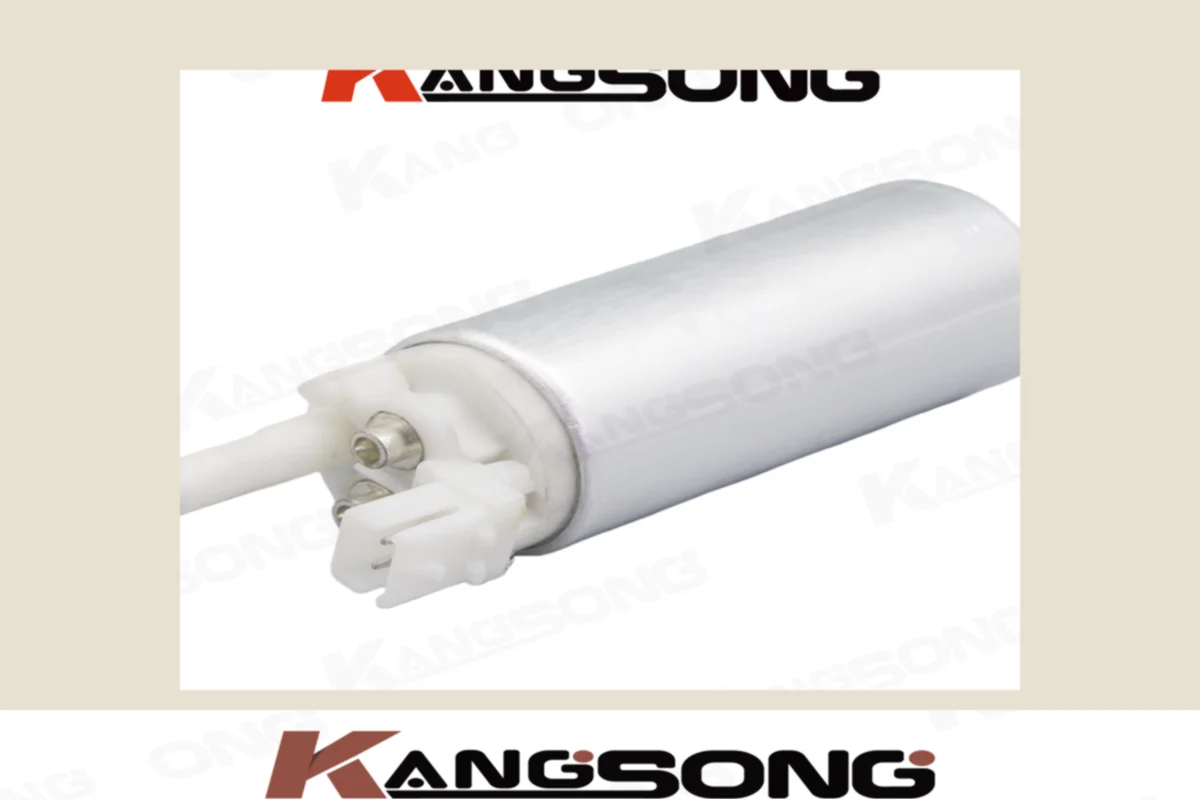
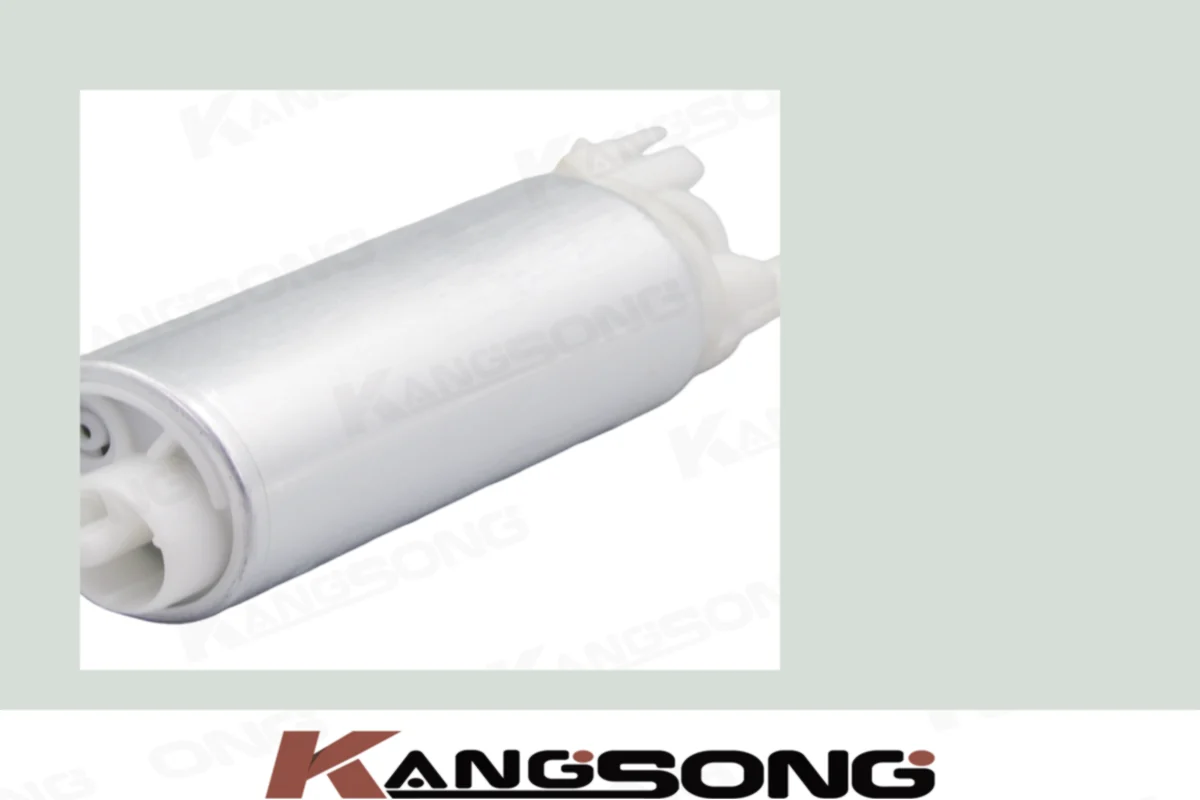
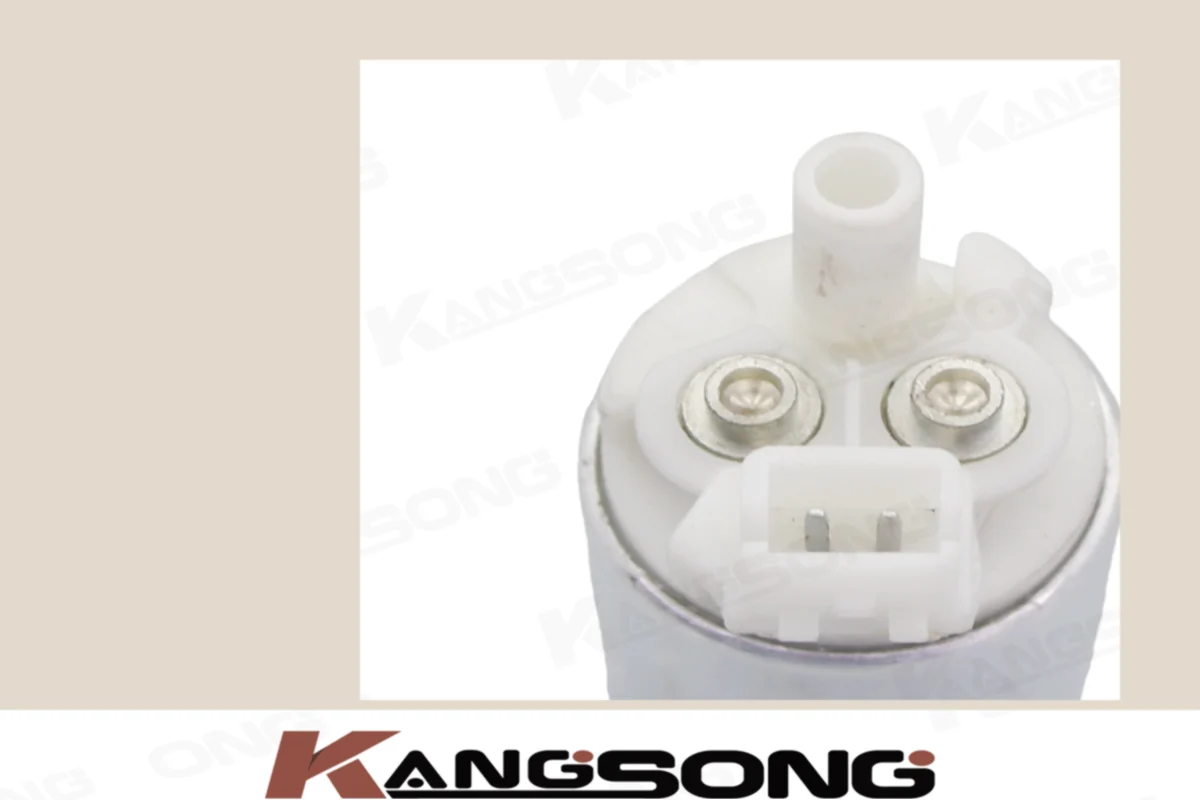
The electric gasoline fuel pump with installation kit is brand KS-360501, printed for 1987-1995 C/K 1500, 2500, and 3500. OE marks on that title are 25168719 and E3902.
The working voltage printed for KS-360501 is DC 12V. The main connector on that kit is 2 pins. Free-flow on the same listing is 43.3-49.5 Gph.
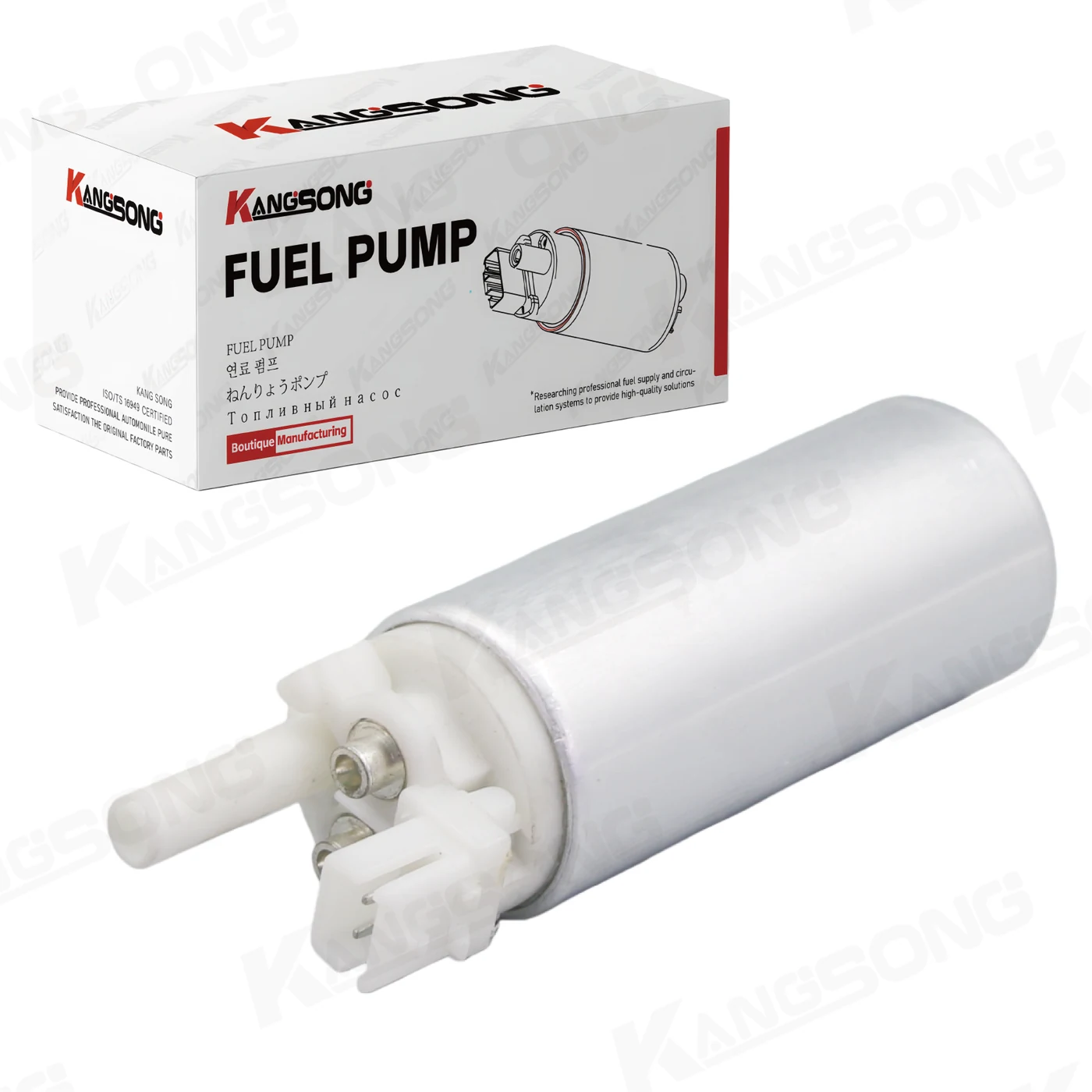
Use this kit when the ticket is a 1987-1995 C/K in that tonnage range and the pump, not the clicking relay, is the failed part. A 1992 C/K that clicked once, never hummed, and then showed an intact feed at the pump connector is the shape of that order. A chatter complaint is not.
Coil and contact ratings for buying a relay sit on How to Choose a 12V Fuel Pump Relay and the electric fuel pump relay page. The buying work stays on those pages. Other pumps, when the year window misses, are on the fuel pump catalog.
FAQ
Is a single key-on click a normal prime sound?
On many vehicles, yes. One click as the key turns on can be the pump prime, and a later click can be the relay opening if the engine is still stopped.
Can burned contacts still make a click?
Yes. The click is the armature moving. Burned faces can click and still fail to carry pump current.
Does silence always mean the relay coil failed?
No. Silence means the coil did not pull in. The year sheet may have expected that quiet, or the command, fuse, or socket may have failed to energize a good coil.
Why can one model year click at key-on while another stays quiet?
The sheet changed. The 1989-1990 Sidekick notes expect no fuel-pump relay click at key-on, and a later pattern on the same notes expects two clicks.
Should a chattering relay stay installed for a road test?
No. Chatter is the coil dropping in and out, and a road test leaves that cycling feed on the pump. Sort voltage, socket, and grounds while the truck is still in the bay.
After the click split, when is the C/K electric pump the order?
When the truck is a printed 1987-1995 C/K 1500, 2500, or 3500, and the pump itself is what failed after the click was separated from a dead pump. KS-360501 is that pump kit, not a relay.
References
- Relay — coil, armature, and contacts
- How to Test a Fuel Pump Relay, Wiring, and Ground — a click versus contact health
- ECU relays clicking — year-sheet click counts on the Sidekick
- Type 3 fastback fuel-pump clicks — two clicks around the prime hum
- Fuel pump relay rapid clicking — rapid clicking with a crank no-start