The fuel pump gasket on a purchase order is the block-flange gasket, the tank-unit seal, or the lock-ring seal that must ship with that pump. The counter still reads the kit page before treating the carton as if the seal were already inside. The sections below separate those joints, then look at one small-block Chevy case and the printed C/K electric kit.
Fuel pump gaskets are easy to collapse into a single catalog word. A mechanical pump on the block, a module in the tank, and a metal locking ring do not share one seal. The rest of this page follows that split, then shows what the live electric kit actually prints.
Name the seal that ships with the pump
The order names the block-flange gasket, the tank-unit seal, or the lock-ring seal that must ship with the pump. A one-word line that only says gasket leaves the counter guessing which joint is open.
Write the joint in the same breath as the pump. If the pump bolts to the engine, the line is the flange gasket. If the pump drops into the tank, the line is the tank-unit seal or the lock-ring gasket that closes that opening.
A gasket fills the space between mating surfaces so the joint does not leak while the parts are clamped. That job is local to the joint you named. It does not travel from a block flange to a tank ring just because both parts sit near fuel.
| Order line | Joint it closes | What the counter looks for |
|---|---|---|
| Block-flange gasket | Mechanical pump flange on the engine | A flange gasket on the pump line, or a kit page that prints one |
| Tank-unit seal | Opening where the in-tank module meets the tank | A tank seal on the line, separate from the strainer |
| Lock-ring gasket | Tank opening held by a metal locking ring | A lock-ring seal, not a block gasket with a similar name |
| Heat-shield seal | Oil heat around some engine-mounted pumps | A shield title, kept off the tank-seal line |
Keep fuel pump gaskets as separate lines when one purchase order covers more than one pump style. A mixed order for a mechanical job and an in-tank job needs both names, or the warehouse will pick whichever gasket is on the shelf.
Put the block-flange gasket on a mechanical pump line
A mechanical pump on the engine needs the gasket at the flange, and that line is separate from a tank seal. Carbureted engines often carry a mechanical pump on the engine, while many injected gasoline engines carry an electric pump inside the tank.
The flange gasket is the flat seal under the pump foot. When the pump comes off for a rebuild or a replacement, that gasket comes off with it. A mechanical-pump maker tells buyers to fit a new gasket at every removal because the old one tears, squeezes out, or weeps after it has been compressed once.
On that same maker’s page, small-block Chevy and big-block Chevy jobs use one gasket under the flange. A small-block Ford job that uses a spacer uses one gasket on each side of the spacer. The count follows the engine and the spacer, so the order has to say which engine it is.
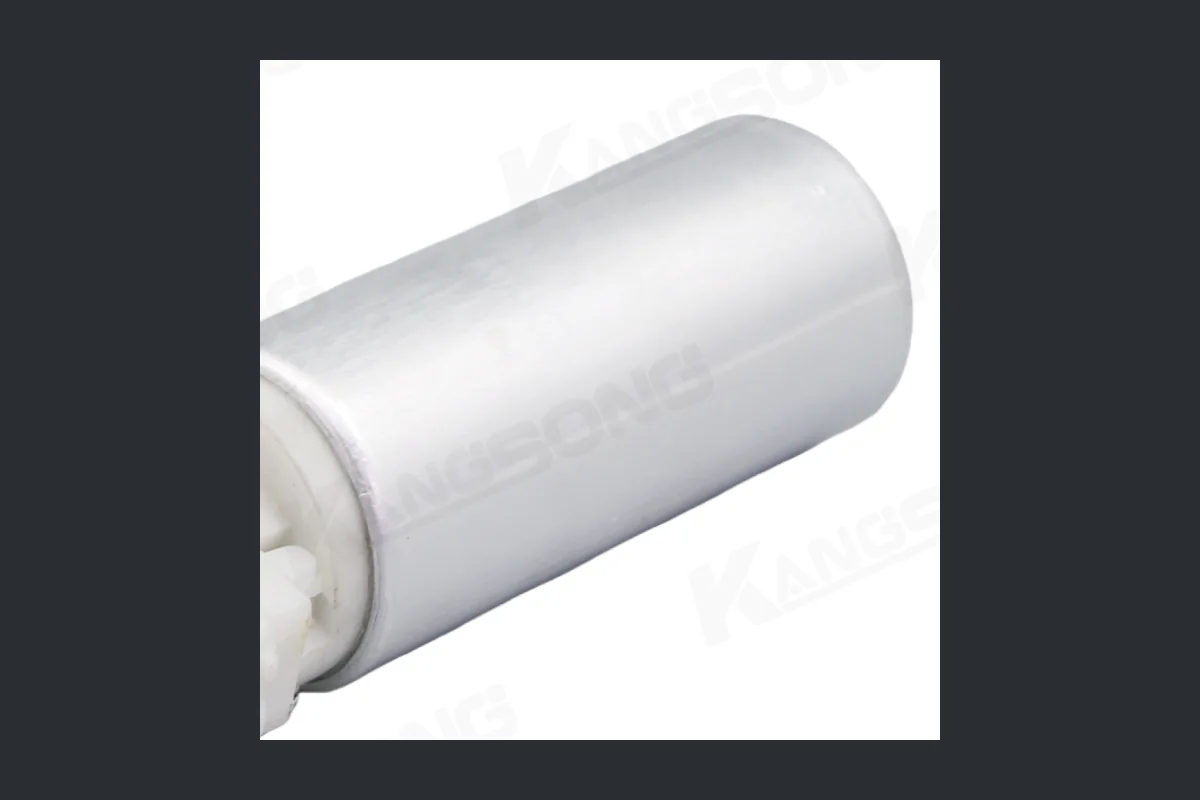
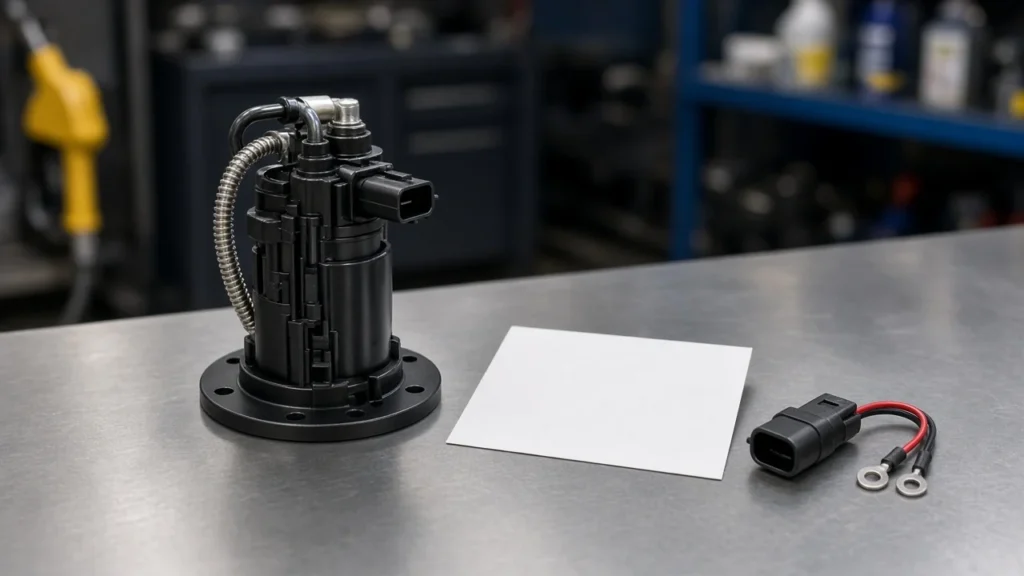
The photo above is an electric pump body, not a mechanical flange. It is here so the block joint stays visual: the seal belongs at the mounting face the pump uses, and this canister is not that face. For the drive difference between a cam-driven pump and an electric pump, see the mechanical fuel pump and electric fuel pump comparison.
Low-pressure mechanical pumps are a different buying question from the seal under the flange. The low-pressure fuel pump page covers feed duty. It does not choose the gasket.
Separate the tank-unit seal from the lock-ring gasket
The tank-unit seal and the lock-ring gasket close the tank opening, and a heat-shield seal does not. Many injected gasoline pumps live in the tank as part of a module that also carries a strainer and a level sensor.
The tank-unit seal is the ring at that opening. The lock-ring gasket is the same class of part when a metal locking ring holds the module down.
One aftermarket tank page describes its O-ring as the seal between the tank and the sending-unit assembly on tanks that use that ring. The dimensions on that page stay with that tank, so this order does not borrow them as a size.
Heat-shield wording shows up on a different product that still gets titled like a fuel pump seal. One seller describes a rubber shield that deflects hot oil away from the pump, sold with gasket and bolts for named engine kits. If the title says seal and the description says heat, it does not fill a tank opening.
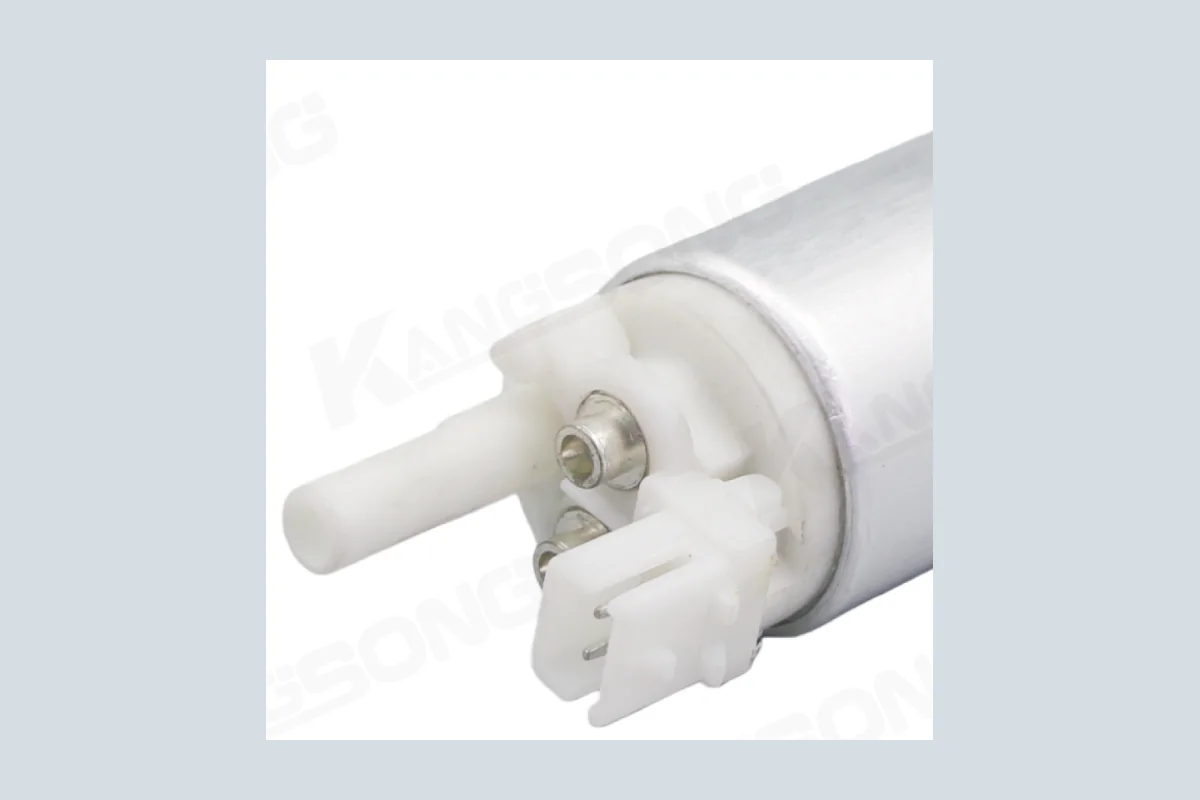
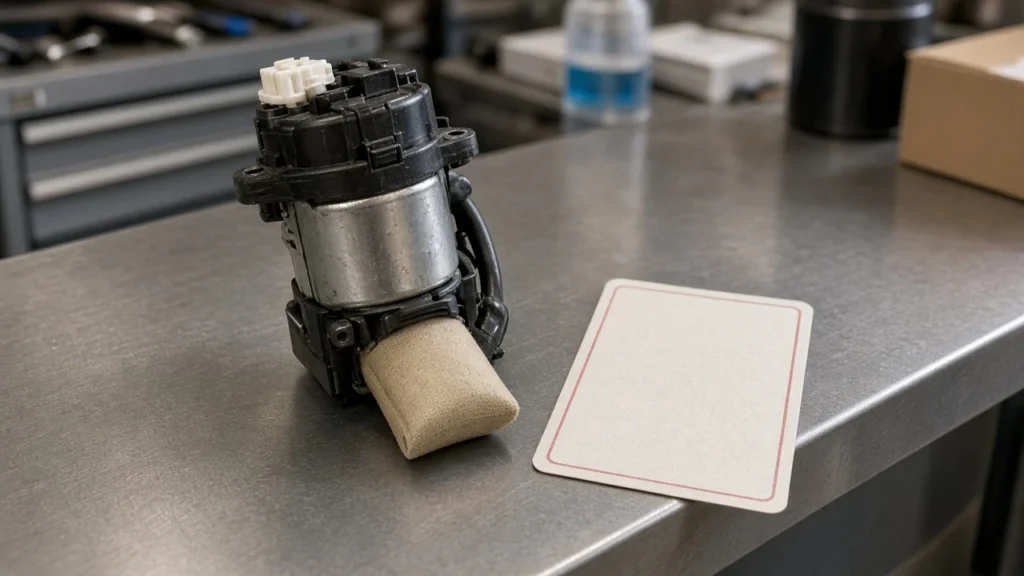
Look at the inlet end in that photo. It belongs to the pump element, separate from the lock-ring.
Staff who are sorting the sock, the wires, and the seal can use the electric fuel pump parts page for the module layout, and the fuel pump strainer page when the sock is the line they still need. Those pages leave the seal name on this order.
One owner asked whether a disintegrated in-tank pump gasket could be cut from rubber or cork. The question shows the pressure at the counter when the seal is missing.
This page does not turn that question into a cutting method. The order names a replacement seal for the opening that failed.
Treat an SBC fuel pump gasket as one engine family
An SBC fuel pump gasket is the flange gasket for a small-block Chevy mechanical pump, including the spacer count on that family. It is one engine-family scenario, not a brand page and not a blanket gasket for every Chevy pump.
Shopping results for that phrase are flange gaskets and, on a separate listing, a block-off plate gasket for a pump location that is being closed. A block-off plate is a cover for an unused pad, while a running pump still has to feed the engine.
Running-pump orders stay on a flange gasket. Cover orders say block-off.
Small-block Chevy listings on the mechanical gasket page use one gasket under the flange. They do not automatically pick up the small-block Ford pattern of a gasket on each side of a spacer. Write SBC on the line when that is the engine, and write the spacer only when the job actually has one.
A forum card that mentions a Mr. Gasket pump is talking about a pump brand in that complaint. The card does not turn this page into a guide to that brand.
The secondary phrase stays an engine family: small-block Chevy, mechanical flange, one gasket under the pump unless the job is a block-off cover.
Read the carton before you count a seal as included
The C/K electric kit page prints accessories and does not print gasket or seal, so the carton is not counted as a seal kit. Accessories included is a yes on that page. Those two words are not the word gasket.
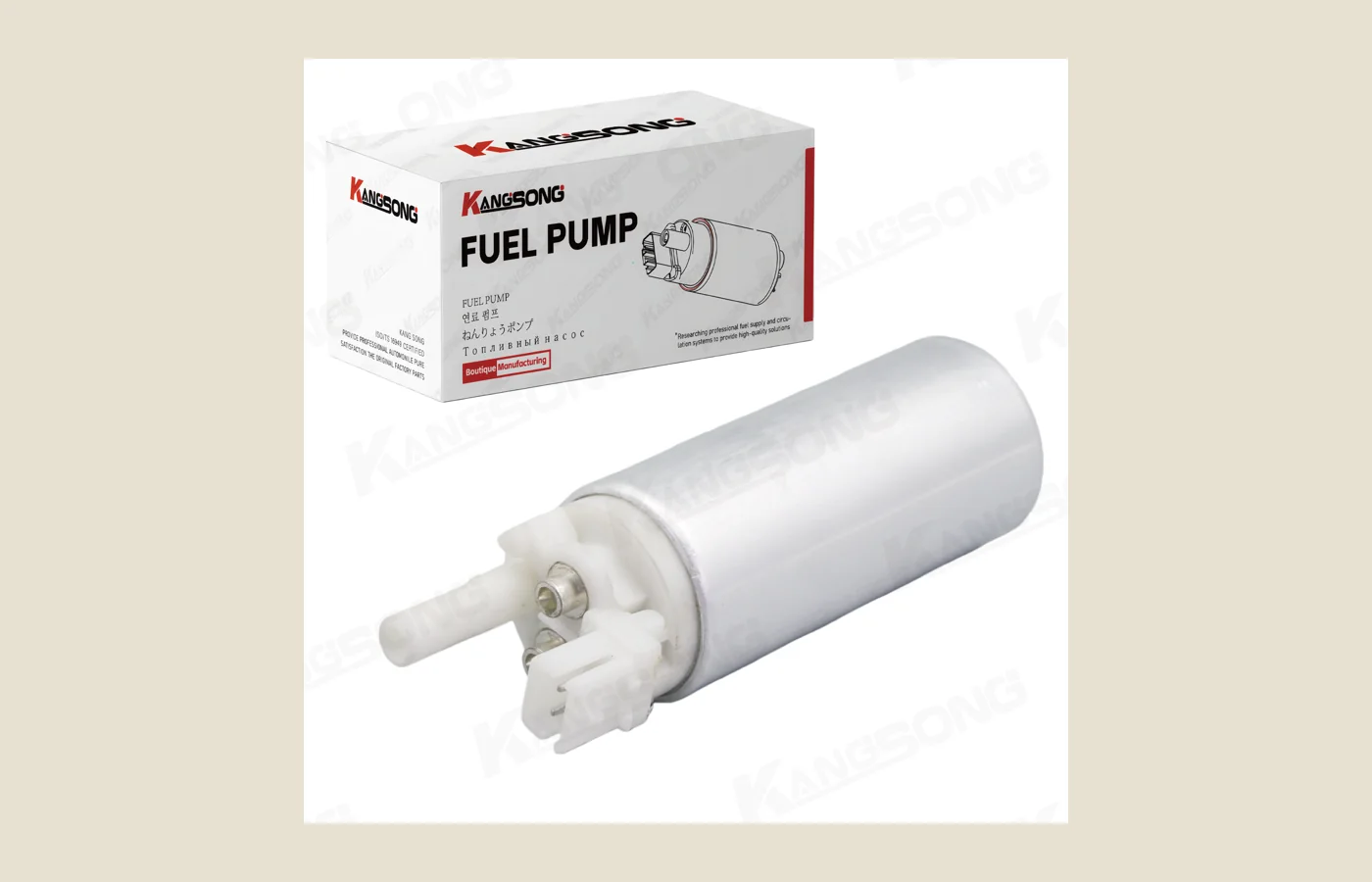
The live page for KS-360501 names a 1987-1995 C/K 1500, 2500, and 3500 electric gasoline pump, OE 25168719 and E3902, a 2-pin connector, DC 12V, and 43.3-49.5 Gph.
The same page prints Maximum Air Pressure 12-26 as an air label. That air label is an air test mark on the pump page. It is an air mark, rather than gasket thickness or a fuel-pressure rating.
| Printed field on the C/K kit | What it tells the counter | What it does not settle |
|---|---|---|
| 1987-1995 C/K 1500, 2500, 3500 | The vehicle window on this kit | Any other truck or car |
| KS-360501, OE 25168719, E3902 | The pump identity on the page | A gasket part number |
| 2-pin connector, DC 12V, 43.3-49.5 Gph | Electrical and flow fields as printed | A seal compound or a clamp load |
| Accessories Included: Yes | The page says accessories are included | Which seal, if any, is in the carton |
| Assembly text: fuel pump, sending unit, and housing | Those three pieces are named | A gasket or a lock-ring |
| Maximum Air Pressure 12-26 | An air label on the pump | Gasket thickness or fuel pressure |
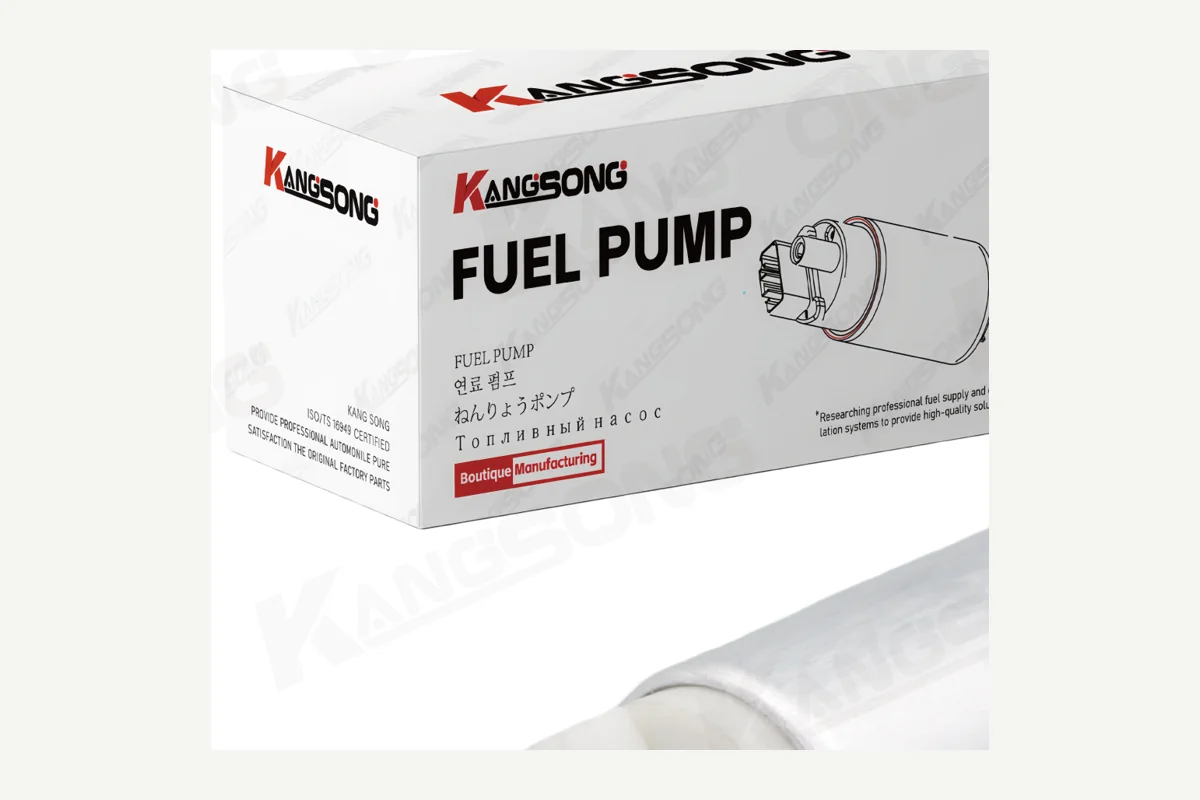
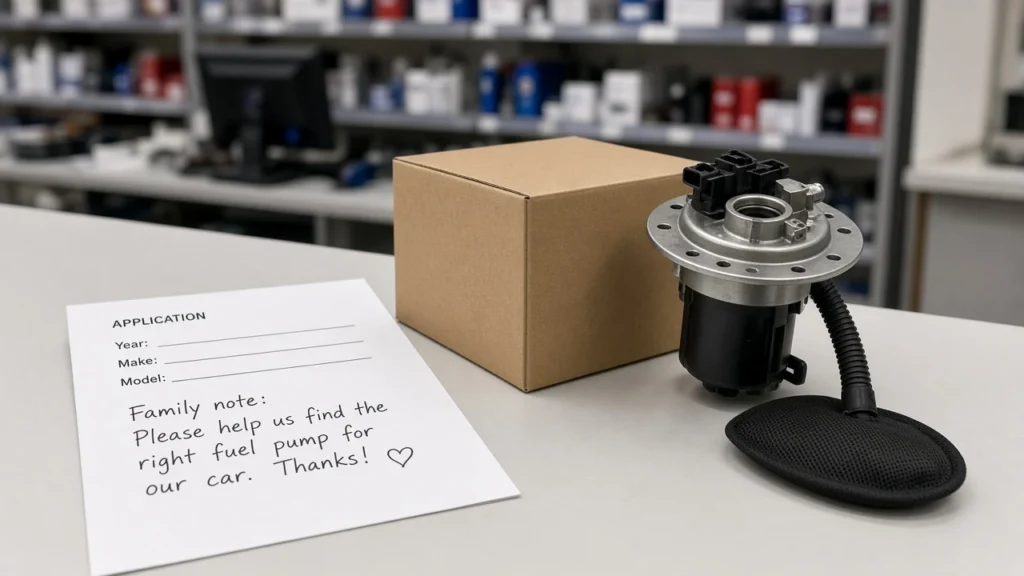
The carton in the photo is marked as a fuel pump. The picture does not show a loose gasket, and the page text does not name one. Counting a seal into this kit would add a part the listing never printed.
A gasoline car, in the Energy Department description, uses a spark-ignited engine. Fuel still has to reach that engine, so the pump joint matters.
The kit page tells you the pump window. It leaves the seal unnamed.
Keep the counter check on the printed kit
The counter matches the order line to the words printed on the kit page before the carton leaves. If the line says lock-ring gasket and the page says accessories included, the seal is still an open line until the page or the pack list prints that seal.
From the field: A 1990 Bronco owner reused the old tank gasket, then smelled fuel at a bed access panel — source: a July 2020 MechanicAdvice discussion.
That report is a user complaint, not a lab result. It matches the practical advice on a mechanical-pump gasket page: when the pump comes off, the gasket comes off the reuse pile.
Another owner on an E46 thread said to have a new gasket and to note which side faces up. Side and compound still come from the seal bought for that opening.
Use a short shelf check:
- Read the joint on the order: block flange, tank-unit seal, or lock-ring gasket.
- Read the kit page for the words gasket or seal. If they are absent, do not add them from the word accessories.
- If the engine is a small-block Chevy mechanical job, keep the SBC flange line, and add the spacer only when the job has one.
- If the title is a heat shield, keep it off the tank line.
- If the search for a gasket product comes back empty, send that line to the catalog instead of borrowing this pump kit.
Select the C/K electric pump inside its printed window
The live KS-360501 page is an electric gasoline pump kit for the printed C/K window, and other seal jobs go to the catalog root. Use it when the order is that pump. Keep the seal as its own line, because the page never prints gasket or seal.
The overview calls this product a complete assembly including the fuel pump, the sending unit, and the housing. It also lists an OE-comparable harness with no pigtail connector, plus mounting provisions.
Those details belong to the pump kit. They leave the lock-ring and the block gasket off the printed list.
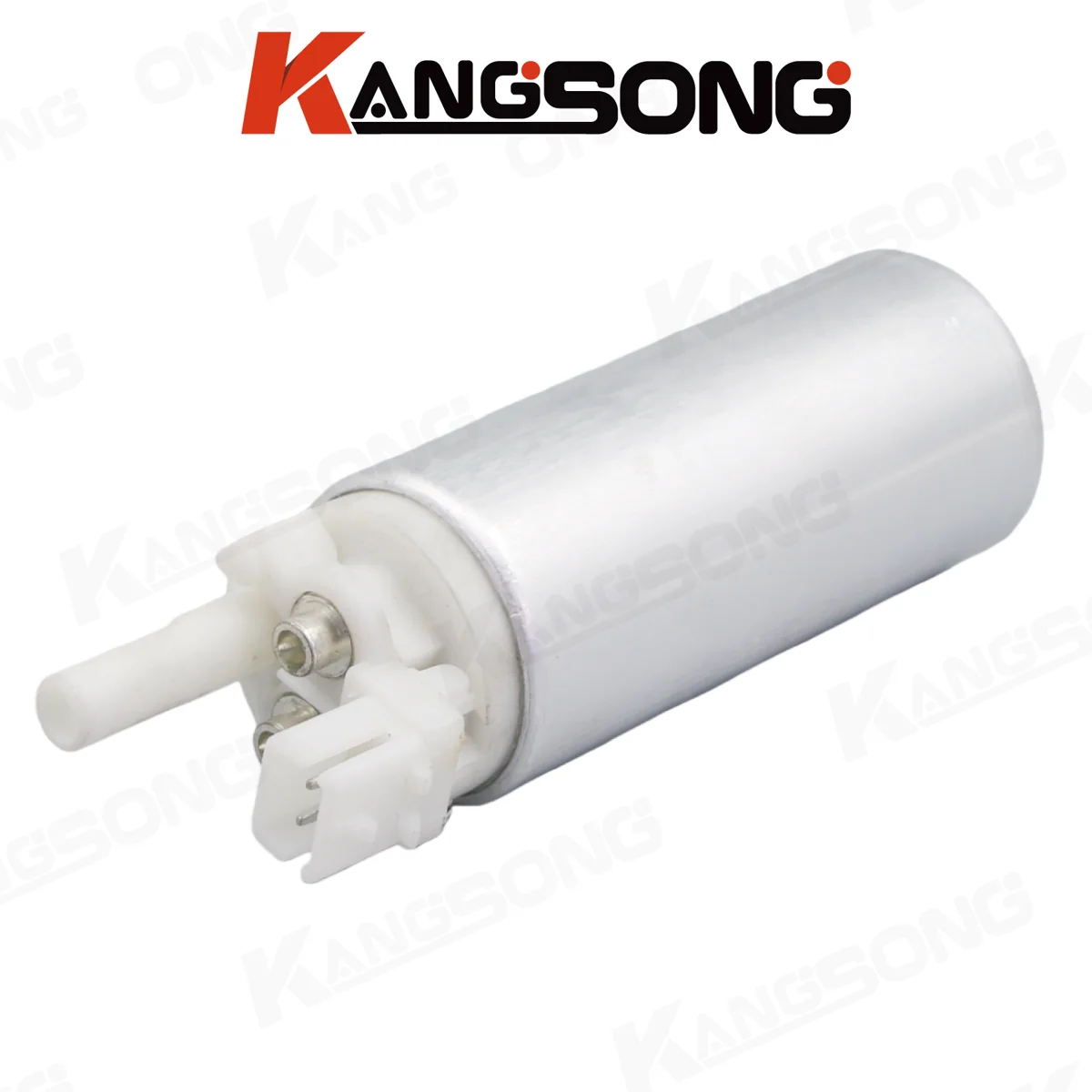
Open the KS-360501 electric gasoline fuel pump with installation kit when the vehicle is a 1987-1995 C/K 1500, 2500, or 3500 and the printed flow, voltage, and 2-pin connector match the job. A gasket-only line, a lock-ring for another tank, a mechanical SBC flange gasket, or a vehicle outside that window does not use this page as the seal.
A catalog search for gasket returned no product row. For a seal the kit page does not name, start at the fuel pump catalog and keep the joint written on the order. The factory overview page is not used here as proof that a pump fits.
FAQ
Can the old fuel pump gasket go back on after the pump is removed?
Put a new seal on the order when the pump comes off. Owners who reused a tank gasket reported fuel smell afterward, and a mechanical-pump gasket page tells buyers to replace the gasket at every removal because the old one tears or weeps.
Does a fuel pump flange need sealer as well as a gasket?
The order still names the gasket. Sealer shows up in search questions, and this page does not add a sealer brand, a film thickness, or a clamp sequence.
What job does a fuel pump gasket do at the joint?
It fills the mating faces so fuel stays in the joint you named, whether that joint is the block flange or the tank opening. The job ends at that joint.
Can a counter cut a tank seal from a rubber sheet?
An owner asked that after an in-tank gasket fell apart. The answer body was not available, and this page does not offer a cutting method. Order the seal that matches the opening.
Does accessories included mean the gasket is in the box?
On the KS-360501 page, accessories included is printed and gasket is not. Treat the seal as missing from the claim until a pack list prints it.
Where does an SBC fuel pump gasket sit if a spacer is present?
On the mechanical gasket page, a small-block Chevy job uses one gasket under the flange. A spacer with a gasket on each side is the small-block Ford pattern on that page, so write the spacer only when this Chevy job actually has one.
How does a lock-ring seal differ from a block gasket on the order?
The lock-ring seal closes a tank opening held by a metal ring. The block gasket closes a mechanical pump flange on the engine. They are different lines even when a catalog uses the word gasket for both.
References
- Fuel pump — engine-mounted mechanical pumps and in-tank electric modules.
- Gasket — a seal that fills mating surfaces under compression.
- How Do Gasoline Cars Work? — spark-ignited gasoline vehicles in the U.S. Department of Energy description.
- Fuel pump gasket questions on Mechanics Stack Exchange — an owner describing a disintegrated in-tank gasket.