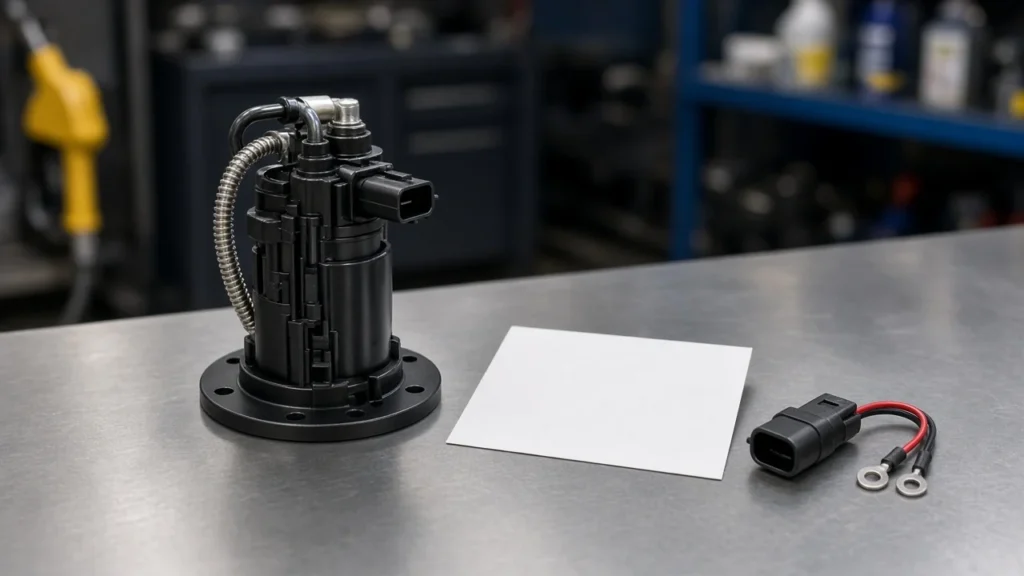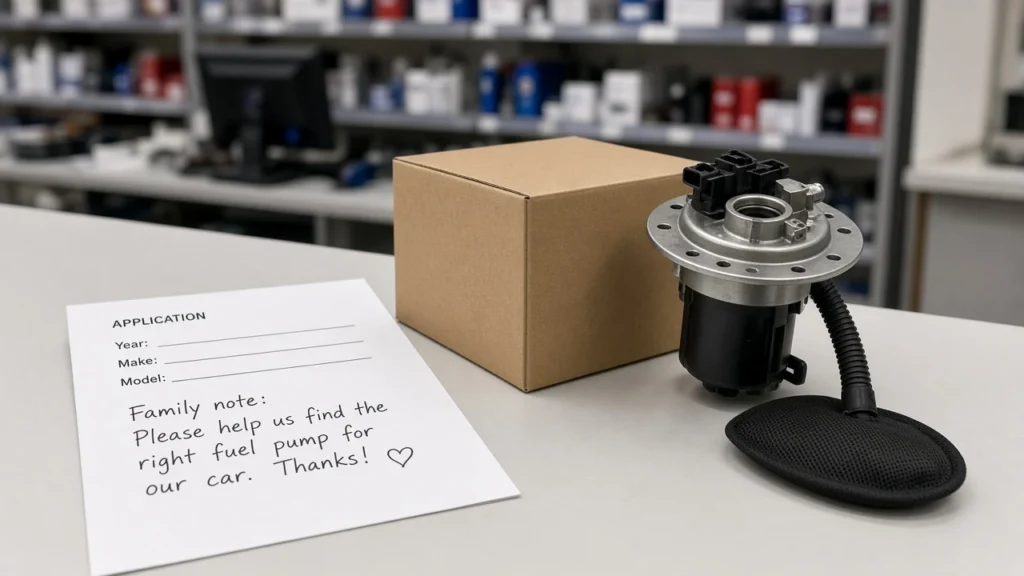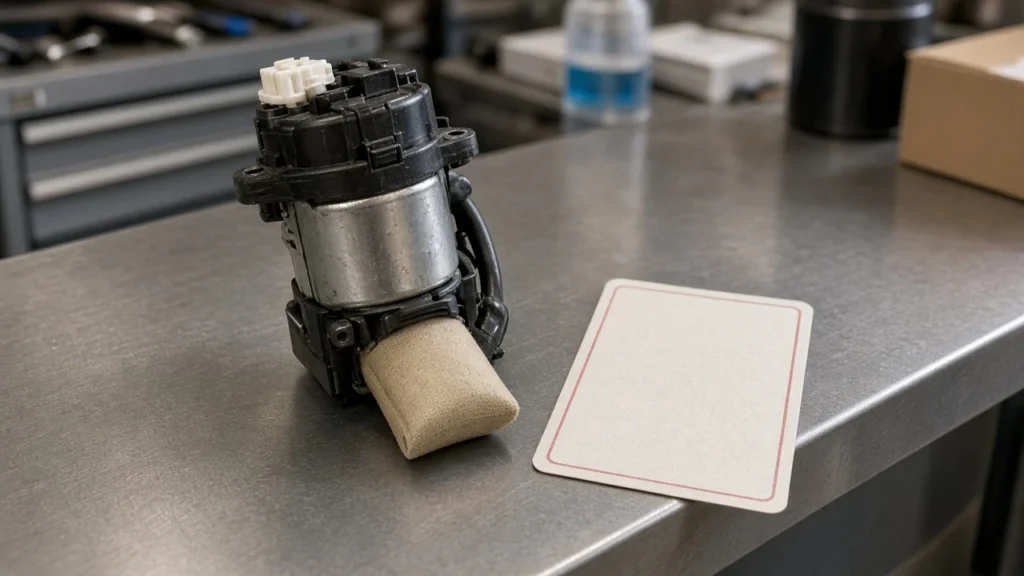
A fuel pump assembly vs fuel pump decision is a carton decision. The assembly, often called the module, is the complete in-tank unit. The fuel pump line can be only the bare element that sits inside it.
US counters hit this split when one quote says assembly and the next says pump, or when a buyer asks for a module and means the hanger. The sections below separate those cartons, show when the cylinder is enough, and point at one printed in-tank assembly.
When the counter should order the complete assembly
Order the complete assembly when the tank unit must include the pump, the inlet strainer, the fuel level sending unit, and the flange together.
That hanger is what comes out through the tank opening on most late-model gasoline vehicles. The electric pump moves fuel. The flange closes the tank.
The float and sender tell the gauge how full the tank is. The sock on the pickup is the first screen, not the filter out on the line.
Independent repair education treats that package as one service unit. You can buy the motor by itself on some vehicles. You still ordered the assembly if the box has to include the sender, the sock, and the seals that came out with the old hanger.
| Carton | What the counter is buying | What stays behind if you skip it |
|---|---|---|
| Complete assembly or in-tank module | Pump, flange, fuel level sending unit, inlet strainer, and the seals that belong with that opening | Nothing from that hanger, if the packing list matches the old unit |
| Bare fuel pump | Motor and pumping section, usually a metal cylinder with its own ports and terminals | Old flange, float, sock, and seals |
| Pump-with-kit title | Whatever that page’s list and photo actually show | Anything the title implied and the box omitted |
A Nissan tank job with a tired float is an assembly order. A cylinder that happens to spin will not move the gauge. The same logic holds when the sock is collapsed or the flange seal is chalky: those parts ride with the hanger, so the PO should name the assembly.
If the printed vehicles and the OE number do not match the unit on the bench, the complete-assembly choice is still right and the SKU is still wrong. Fitment stays on the product title. This page only decides which kind of carton.
When the carton should be only the pump element
Order only the bare fuel pump when that hanger is staying in the tank and the design allows the motor to be swapped.
The element is the sealed cylinder: motor, pumping section, inlet, outlet, and terminals. Catalogs sometimes sell it alone because the plastic hanger is still straight, the float still travels, and the sock is not packed with rust. That is a real order, not a lesser version of the assembly.
It is the harder carton to live with. Someone has to open the module, move the motor across, and fit new clamps.
Owners who have done it describe brittle internal hoses and plastic clips that crack while they are off the car. If those pieces fail in the bay, the cheap cylinder becomes a second parts order and a second opening.
Pump-only also fits a shop that already inspected the hanger and only the motor is dead. It does not fit a guess. A hum from the tank does not prove the sender, the sock, or the seal is worth keeping.
From the field: Once the hanger is open, the pump and the fuel level sending unit are on the same frame, so shops replace the whole unit instead of reusing the old seals. – Rick’s Free Auto Repair Advice
Keep that as shop practice, not a rule for every chassis. Older layouts and a few service designs still publish a motor that drops into a sound hanger. The counter’s job is to know which of those two stories the vehicle uses before the box ships.
Why module language still means that complete unit
On an in-tank listing, fuel pump module and fuel pump assembly are two names for the same complete unit.
US catalogs say fuel pump vs fuel pump module when the buyer is staring at that split. Module, in that sentence, means the hanger: pump, sender, strainer, and the hardware that hangs in the tank.
Fuel pump module assembly is the long form of the same name. It is not a third SKU sitting between “pump” and “assembly.”
A shop explainer says the module is often called the fuel pump assembly. A fuel-system catalog says the module assembly is just another name for the assembly.
Use either label on the PO when you mean the full in-tank unit. Do not open a second item for the word module unless that supplier line shows a different part number.
What the word does not do is describe every box that says pump. A bare fuel pump can be the cylinder only. If the quote says module and the photo is a canister with two ports, ask which name the supplier is using before you treat them as the same shipment.
The definition of what sits in a typical hanger, and the passenger-car match steps, already live on the sister pages what is a fuel pump assembly, car fuel pump assembly, and electric fuel pump assembly. This page stays on which name belongs on the order line.
What the packing list decides after the title
The packing list and the photo decide the carton. The word pump in a title does not.
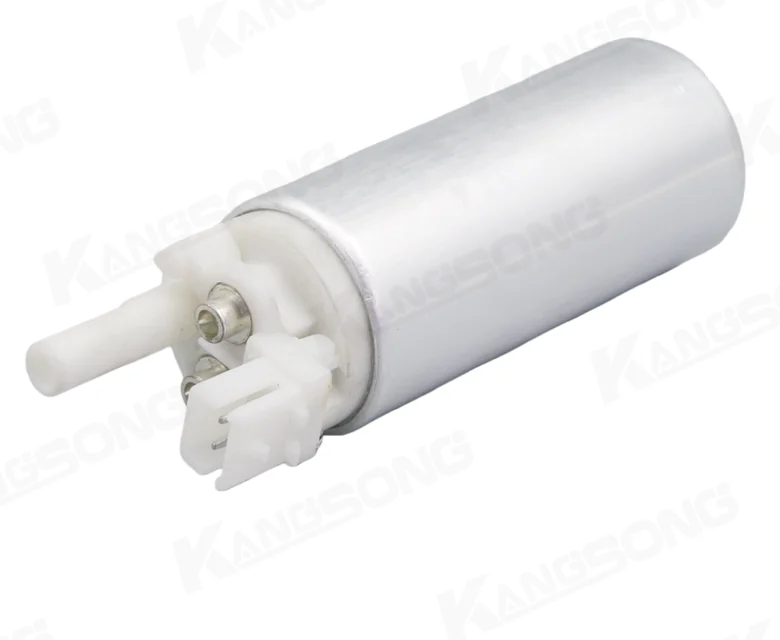
A live contrast sits on the C/K electric gasoline fuel pump with installation kit. The title is an electric gasoline fuel pump with an installation kit for 1987-1995 C/K 1500, 2500, and 3500 trucks, with interchange numbers that include 25168719 and E3902.
The printed flow band is 43.3-49.5 GPH, and the connector attribute says 2 pins. The overview sentence also calls the product a complete assembly that includes the pump, a sending unit, and housing.
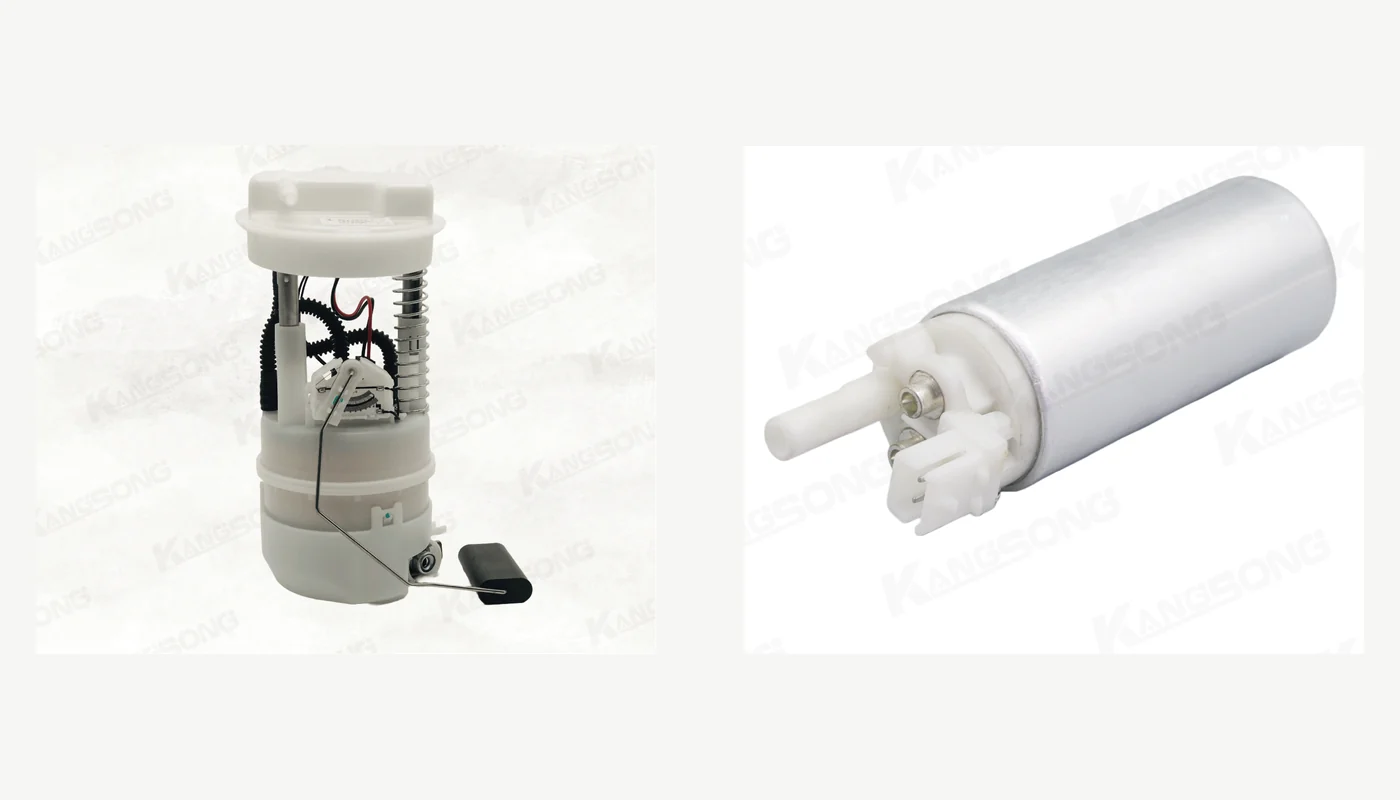
The gallery on that same page shows a cylindrical element, with a plastic end and a connector, not a flange and a float arm. A counter who trusts only the title will call it a bare pump. A counter who trusts only the overview sentence will call it a hanger.
Neither reading is safe until the packing list and the picture are read together. Fitment stays inside that printed C/K title. It is not a stand-in for every pump-only job, and it is not the NV200 assembly.
Read three lines on any similar kit before the PO goes out.
- Does the attribute list say the fuel level sending unit is included?
- Is the inlet strainer in the box, or is the sock staying on the old hanger?
- Does a regulator travel with this module, or does this vehicle keep regulation at the rail?
Returnless tanks often put the regulator in the in-tank module. A pump-only carton will not grow a regulator because the title said kit. If the old unit has a regulator on the hanger and the new box does not, the truck will not quietly adapt.
| Clue on the bench or the page | Lean toward the complete unit | Lean toward the element only |
|---|---|---|
| Gauge wrong, float bent, or sender arm loose | Yes | No |
| Sock packed, torn, or missing from the quote | Yes | Only if a new sock is a separate line you are actually buying |
| Overview says sender and housing, photo shows a cylinder | Stop and read both | Stop and read both |
| Hanger straight, gauge honest, sock clean, motor dead | Only if you want the whole hanger anyway | Yes, when the design allows the swap |
| Regulator lives on this hanger | Yes, unless the new element includes that regulator | No, if the regulator would be left behind |
How a wrong gauge or tired sock changes the order
A lying fuel gauge is a reason to order the complete hanger, because the fuel level sending unit shares that unit.
Haynes describes the assembly as the pump plus the sending unit, the float arm, and the strainer or sock. When the sender fails, the gauge can sit on full, sit on empty, or swing.
The motor can still be audible. Replacing only the cylinder leaves the bad sender in the tank, and the tank opening was the expensive part of the job.
The inlet strainer is the mesh sock on the pickup, not the inline fuel filter. A packed sock makes the pump work hot. Some assemblies include a new sock.
Some pump cartons do not. If the old sock is brown and the quote does not mention a strainer, the complete unit is the cleaner order.
Look at the flange ring in the same glance. The ring under the flange is what keeps fuel and vapor in the tank. Shops dislike reusing it because the ring is as old as the hanger.
Look for a flattened ring on the bench, without a lab report. If it is flat, order the assembly that brings a new one, or put a new seal on the PO as its own line. A cylinder carton often leaves that ring out.
Tank debris is the other half of that glance. Rust and varnish in the tank will wreck a new motor whether the box was an assembly or an element.
Cleaning the tank is part of the job story. A dirty tank does not make the smaller carton a better buy.
Keep the frame-rail driver module off this order
A fuel pump driver module on the frame is not the in-tank assembly, even when both get called a module.
A live query for fuel pump versus fuel pump module pulled questions about a control module going bad, about bypassing it, and about another name for it. Those questions describe an electronic driver.
An F-150 forum thread uses “fuel pump module” for the Fuel Pump Driver Module that sends a duty-cycle signal and controls the pump. Replies talk about a unit mounted at the axle, not a hanger in the tank.
That part can fail while the in-tank pump is fine, and the in-tank pump can fail while the driver is fine. Ordering a flange assembly will not repair a corroded driver on the frame. Ordering a driver will not replace a dead sender in the tank.
If the buyer says “module” and the complaint is a gauge or a sock, stay on the assembly. If the words are driver, control module, or a box on the rail, this order line is the wrong one.
No duty-cycle test belongs here. The only decision is which object the PO names.
Choose a printed in-tank assembly for the complete unit
Choose the NV200 in-tank fuel pump assembly 17040-JX30A when the printed title matches the job.
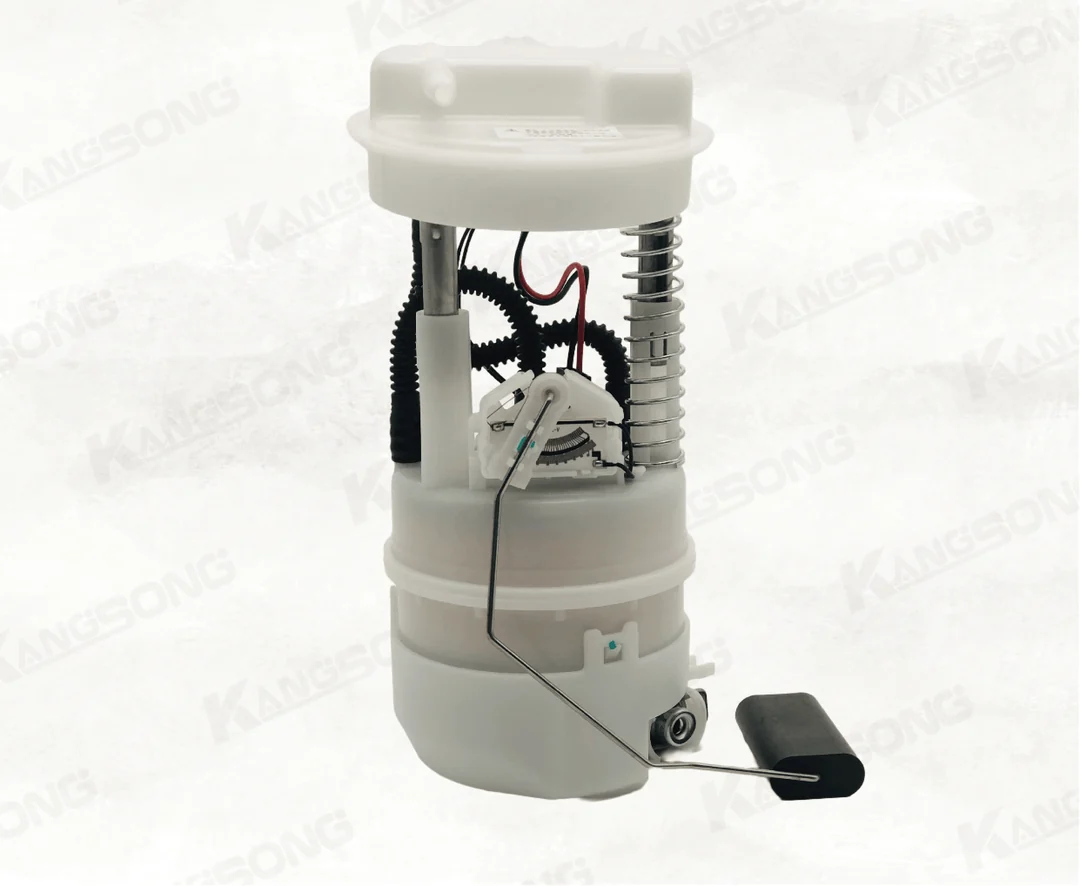
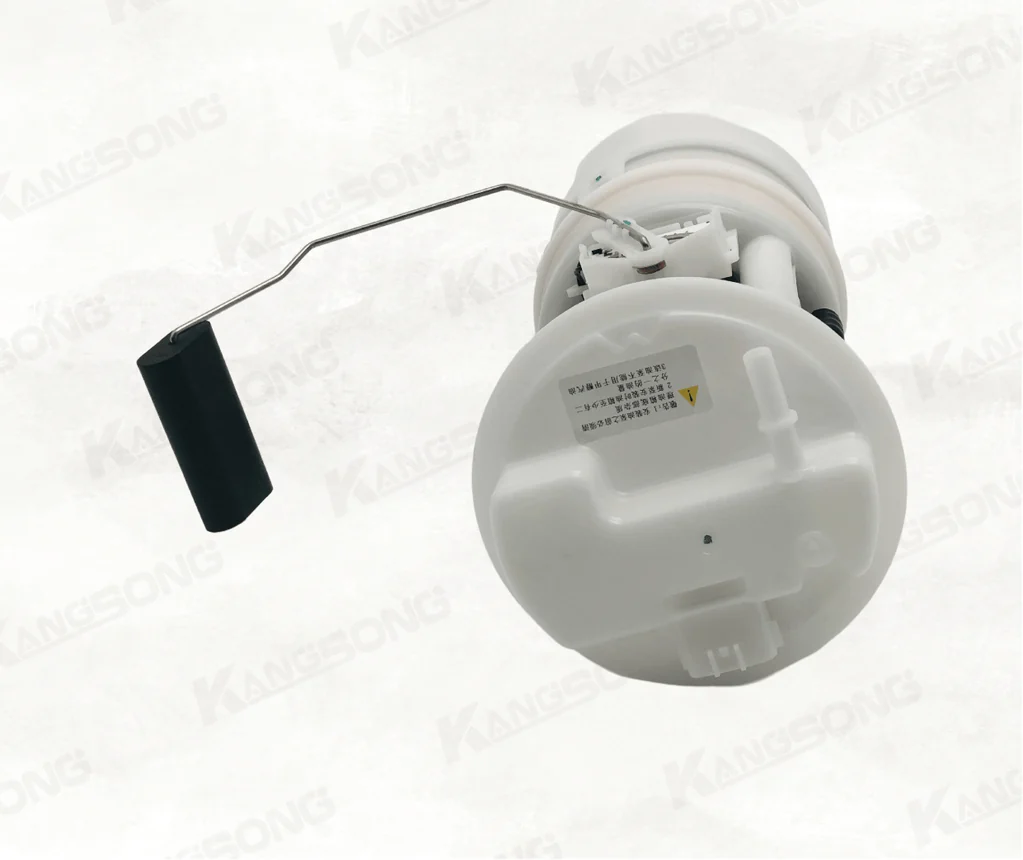
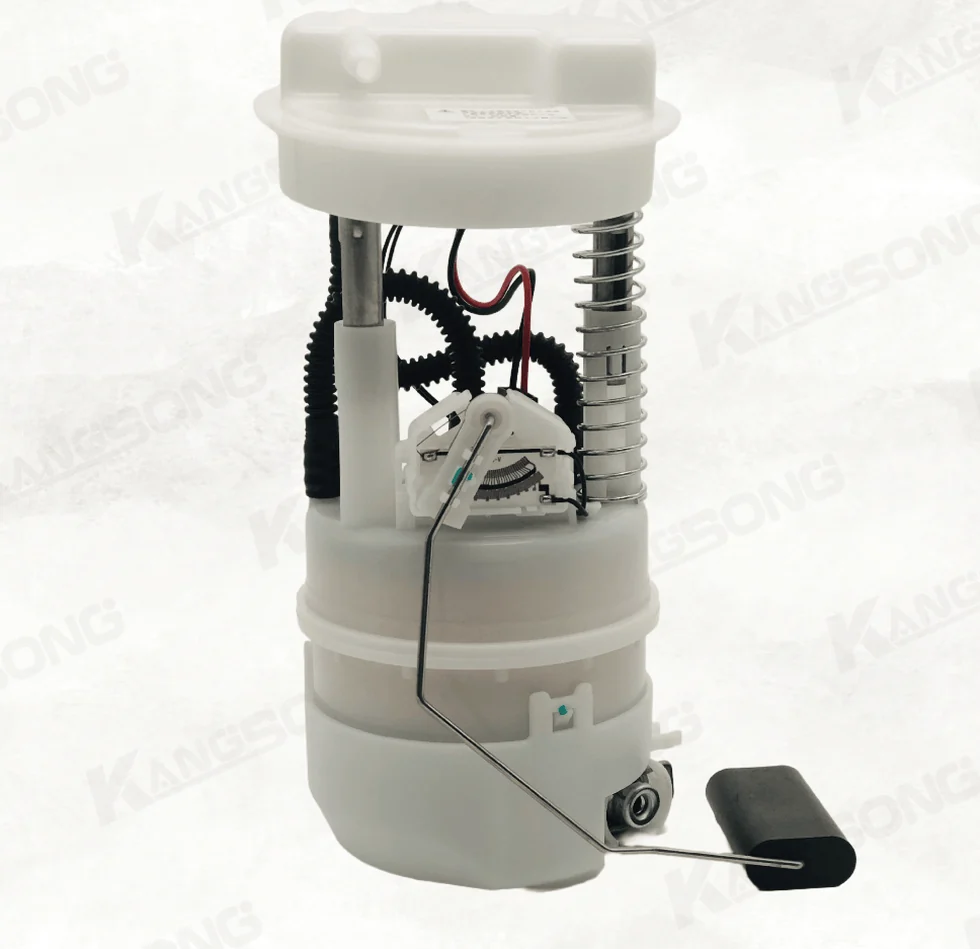
The page NV200 in-tank fuel pump assembly 17040-JX30A is titled as a gasoline in-tank fuel pump assembly for Nissan NV200 applications in the printed year window, with OE 17040-JX30A. The gallery shows the hanger: flange, springs, wiring, float arm, and float.
The gallery hanger matches the complete in-tank unit. Use it when those printed vehicles and that OE number are the ones on the order. Do not stretch it to the C/K truck, and do not treat it as proof for any other chassis.
If the job is the 1987-1995 C/K kit instead, stay on that kit’s own title and read the overview against the cylinder photo before anyone calls it either a bare element or a full hanger. If neither printed title matches, browse the fuel pump catalog and keep the same carton test: hanger with sender and sock, or cylinder only.
The natural next step is the product whose title matches the unit in your hand. A quote request is useful after that match, not before the carton type is named.
FAQ
Does a fuel pump assembly include the fuel pump?
Yes. The electric pump is inside the assembly, along with the flange, the sender, and usually the sock. Saying “pump” on a PO can still mean only the cylinder, so the line should say assembly or module when the hanger is what you need.
Should I replace just the fuel pump or the whole assembly?
Buy the whole assembly when the sender, sock, or seals are already doubtful, or when the tank design does not offer a motor-only service part. Buy just the pump when the hanger has been looked at and only the motor is dead.
What is the difference between a fuel pump and a fuel pump module assembly?
The fuel pump module assembly is the complete in-tank unit. Fuel pump, said alone, can mean only the bare element. The longer name is not a different architecture.
Is a fuel pump module the same carton as a fuel pump assembly?
Yes, when both names mean the in-tank hanger. No, when module means the electronic driver on the frame. Ask which object the speaker can point at.
Can the pump motor be fine while the hanger still needs replacing?
Yes. The motor can move fuel while a restricted housing, a dead sender, or a ruined sock is the real fault. Owners have pulled a working cylinder out of a housing that would not deliver, then replaced the preassembled unit.
Why can a pump-with-kit title still hide a sender and housing?
Because a title, an overview sentence, and a gallery can disagree. The C/K kit page names a sending unit and housing in the overview and shows a cylindrical element in the photos. Read both before the carton type is locked.
Is a fuel pump control module the same part as an in-tank module?
No. The control module, or driver module, switches power to the pump. The in-tank module is the hanger in the fuel.
They fail separately and they ship as different parts.
References
- Electric Fuel Pumps: How They Work, Why They Fail – element versus complete module, inlet sock, and returnless regulator in the tank unit.
- Fuel Pump And Assembly: What You Should Know Before Replacement – sender, float, and sock as part of the assembly, including gauge faults.
- The Right Way to Handle Fuel Pump Replacement – pump and sender on one frame, and why old seals get replaced with the unit.
- Question on purpose of Fuel Pump Module – forum use of “fuel pump module” for the frame-mounted driver, not the in-tank hanger.