Fuel pump capacity is the flow you can count on at the pressure, voltage, fluid, and duty the engine actually sees, written as LPH or GPH.
A free-flow headline is always higher than the same pump in a pressurized rail. The sections below compare rating methods, lock units, list the documents to demand, and show where Kangsong already prints a GPH band on an electric gasoline fuel pump with installation kit.
How should a buyer write a fuel pump capacity spec?
Write the capacity line as a flow number at the pressure the fuel system actually runs, plus the voltage and fluid used in the test.
OEM and aftermarket packs fail when the RFQ says only “255 LPH” and the plant later measures that flow with the hose open. Summit Racing’s help center is blunt: pumps are sized by gallons per hour or liters per hour, and the number that matters is the flow at operating pressure, because advertised figures are usually free flow.
A workable line names the fuel, the rail pressure, the terminal voltage, and whether the duty is continuous or intermittent. Horsepower charts can hint at demand, but they are not the spec. A plant that later flow-tests the open hose is checking a different job than the engine will see on the road.
If you still think in “what size electric fuel pump do i need,” keep that horsepower math on the sister sizing page and keep this print limited to flow at pressure.
How do LPH and GPH sit on the same purchase print?
Put both units on the same line only after you name the gallon you used, because a United States gallon and an Imperial gallon are not the same volume.
NIST lists the United States gallon-to-liter factor as 3.785 412, so liters per hour = gallons per hour × 3.785 412 when GPH uses that gallon. A buyer in liters and a buyer in gallons can then argue about pressure and voltage instead of arguing about unit mix-ups.
Do not convert a free-flow GPH into an “at pressure” LPH and call the job done. The conversion only translates volume; it does not add a missing pressure point.
Why do pressure, voltage, and duty change usable flow?
Usable flow falls as back pressure rises, and an electric pump also moves less fuel when the voltage at its terminals drops.
Summit Racing’s help center places typical carburetor operating pressure between 4-7.5 psi and typical fuel-injection pressure between 35-65 psi. The same hardware that looks generous on a carburetor bowl can look thin on a returnless EFI rail because the pump is pushing against a much higher head.
OnAllCylinders’ fuel-pump primer makes the electrical half explicit: volume is taken at the pump terminals, not at the battery sticker, and a twelve-to-thirteen-and-a-half-volt swing can move a double-digit share of flow on a high-pressure electric pump. Duty matters in the same breath. A pump that meets a five-minute dyno pull may heat the tank on a loaded highway pull if the return path recirculates most of the extra volume.
Those help-center gasoline ranges are the reason one LPH label cannot travel from a carburetor bowl to an EFI rail without a new curve.
| System class | Typical pressure band (help-center gasoline ranges) | What it does to a capacity line |
|---|---|---|
| Carbureted | 4-7.5 psi | High free-flow GPH can still be usable if pressure is regulated at the bowl |
| Port / TBI injection | 35-65 psi | Quote flow on the curve at that rail, not at zero head |
| GDI high-pressure stage | Far above in-tank supply | Treat as a different pump class; do not reuse in-tank GPH |
What evidence pack should OEM and aftermarket buyers demand?
Ask for a flow-versus-pressure curve at a stated voltage and fluid, plus the notes that say how the curve was taken.
SAE J2714 is the public recommended practice for gasoline direct-injection high-pressure pumps on the bench. Its abstract limits the work to those GDI pumps, records results on individual parts under recommended conditions, and tells anyone publishing a population statistic to state sample size, selection method, and the statistical technique. That is the pattern to copy even when the SKU is an in-tank electric pump rather than a GDI head: one curve, named fluid, named volts, named sample rule.
Kangsong’s OEM fuel pump manufacturer page already tells buyers to request the test scope that matches the program—functional checks, appearance, packaging—during RFQ. Pair that process ask with the capacity curve so the factory and the print are talking about the same hour of fuel.
| Spec line | What the buyer is deciding | Minimum evidence |
|---|---|---|
| LPH or GPH | Volume the engine can burn | Curve, not a box slogan |
| Pressure point | Whether free flow was used | psi or bar on the same line as the flow |
| Terminal voltage | Motor speed in the vehicle | Volts at the pump, not at the battery |
| Fluid | Density and lubricity | Gasoline, diesel, or alcohol named |
| Duty | Heat and life | Continuous vs intermittent, return vs returnless |
| Sample rule | Whether one golden sample is being sold as a lot | Count and method, as SAE J2714 requires for population claims |
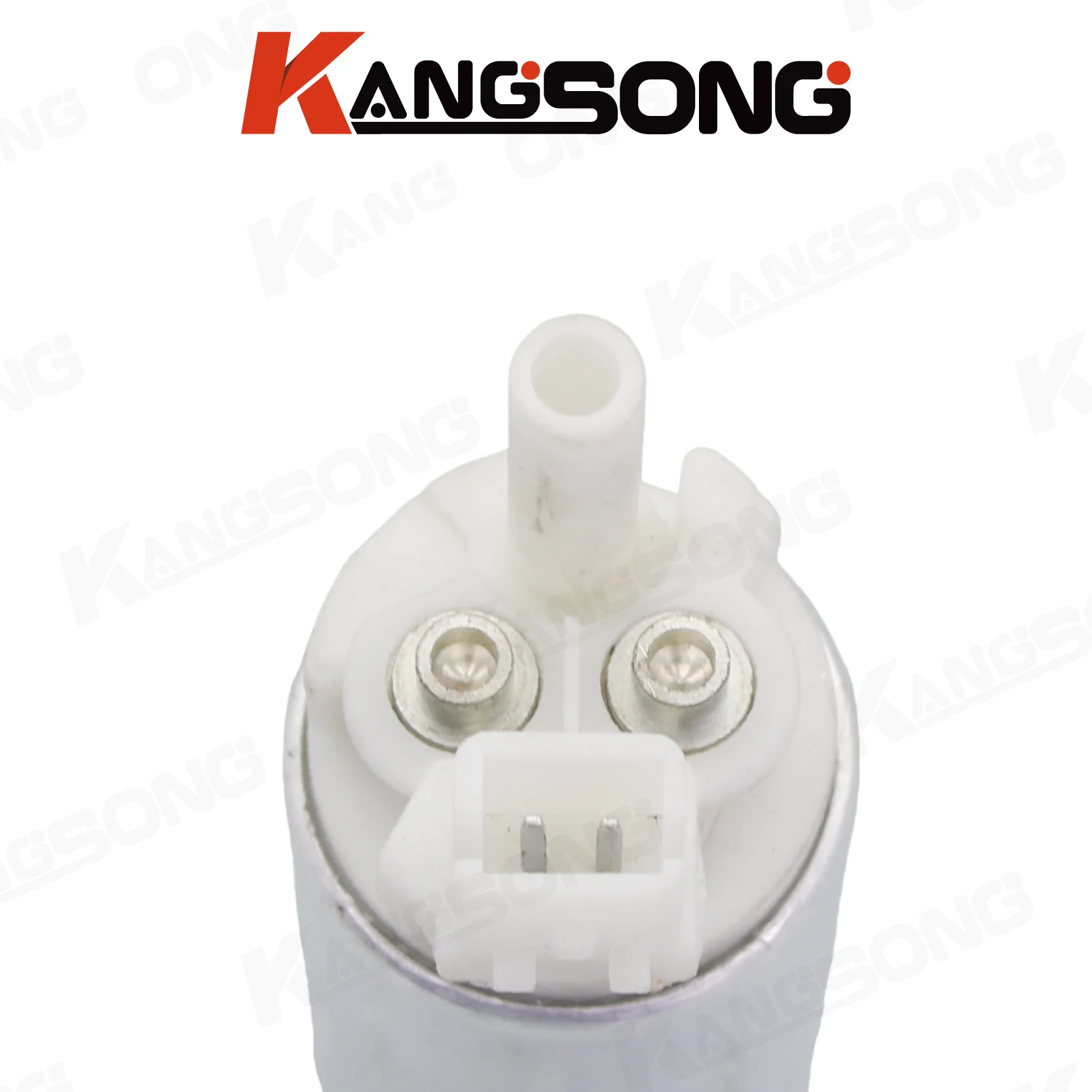
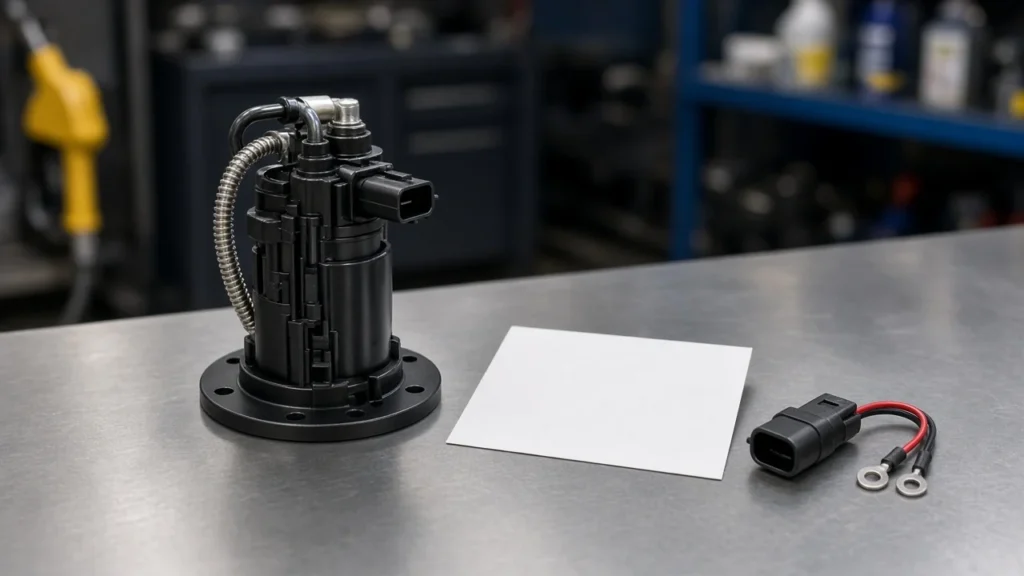
The same kit photo is a reminder that connectors, filters, and mounting hardware belong next to the flow number on a capacity-matched award.
When is a headline capacity number not enough?
A headline LPH or GPH is not enough when the pressure on the label is deadhead, the voltage is missing, the fluid changed, or the pump class is wrong.
From the field: On a Diesel-forum thread, buyers compared two electric pumps that mixed “working pressure” and “max pressure,” and replies treated max as deadhead—zero flow that can stall the motor. A bar number with no liters at that bar is not capacity.
Wikipedia’s fuel-pump overview keeps the class split honest: in-tank electrics for port injection typically sit around 40-60 psi, while gasoline direct injection adds a separate high-pressure fuel pump on the engine. SAE J2714 governs that high-pressure gasoline stage on the bench. It does not bless an in-tank GPH sticker.
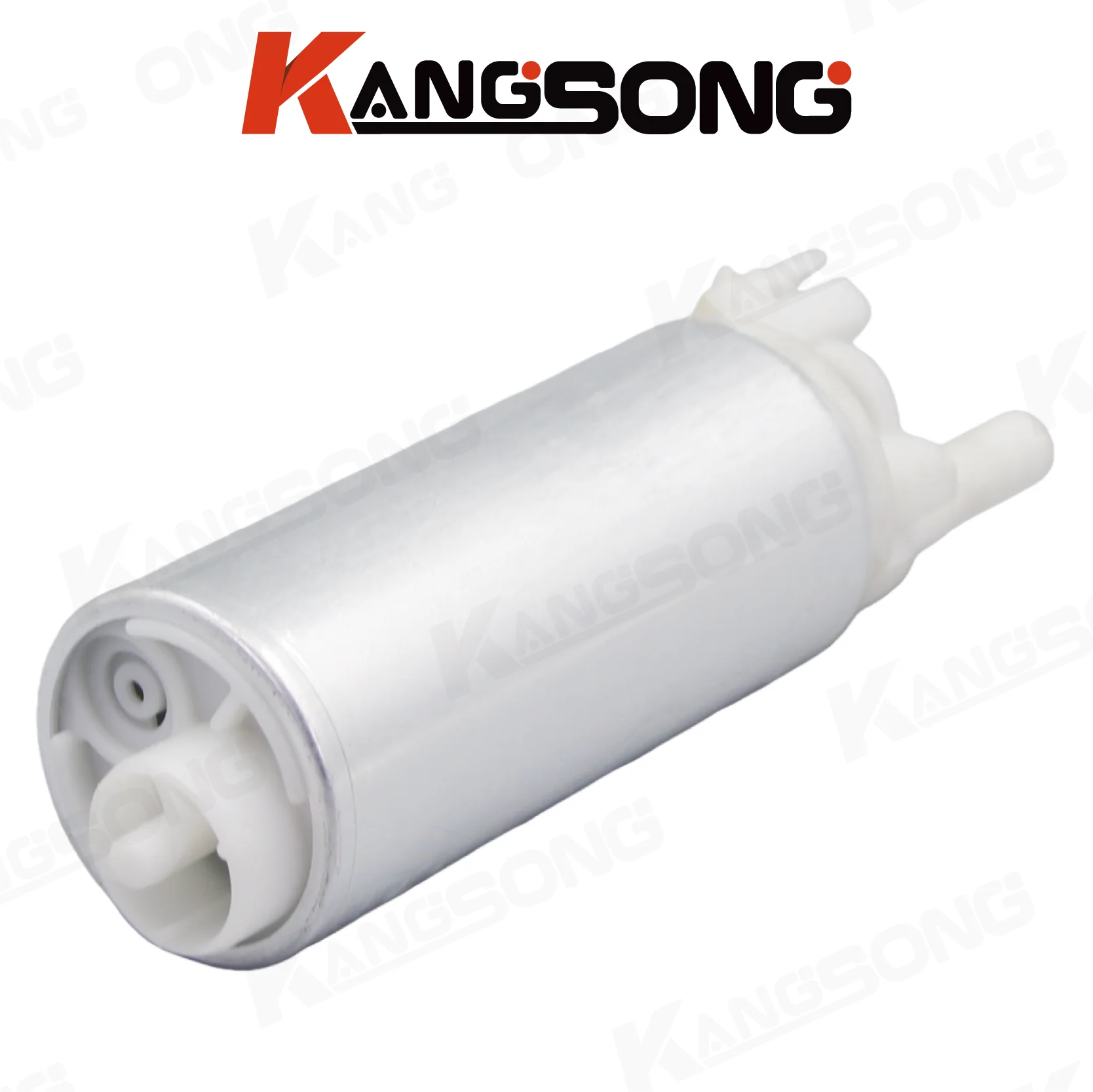
For diesel assemblies and GDI hardware, start at Kangsong’s high-pressure diesel fuel pump hub instead of copying a gasoline electric GPH band across platforms. Fitment still lives on the SKU page, not on the hub.
Printed GPH Product Listings for Capacity-Matched Pumps
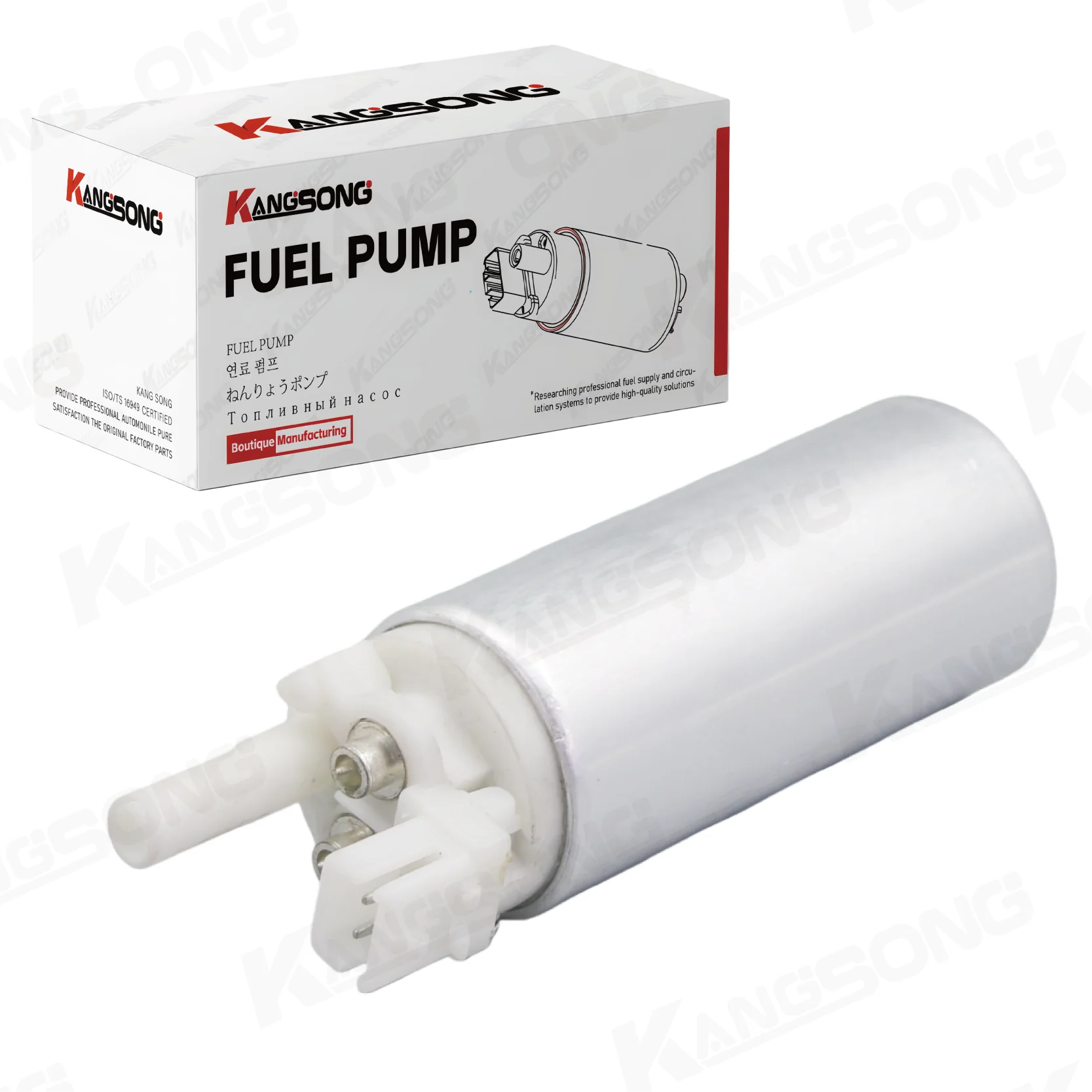
The live KS-360501 electric gasoline fuel pump with installation kit is the catalog example that already prints a GPH band for capacity-matched sourcing.
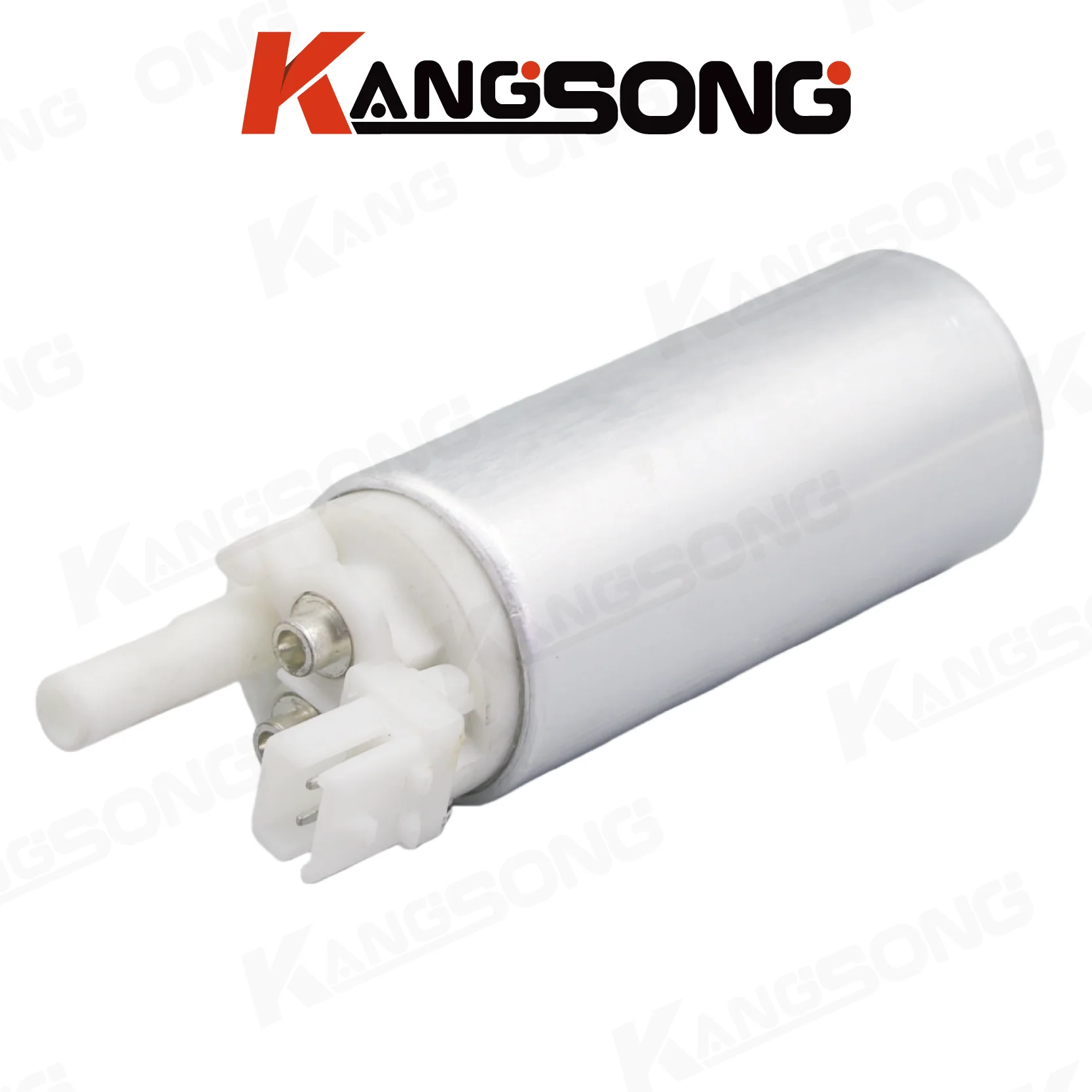
The KS-360501 product page prints Gph (Gallons Per Hour Flow) as 43.3-49.5 and Maximum Air Pressure as 12-26.
The same page sets working voltage as DC 12V for the 1987-1995 C/K 1500/2500/3500 interchange (25168719 / E3902 family) and names gasoline-grade fuel.
Those bands are useful because they are public. They are not a 40 psi EFI rail curve, and they are not a horsepower rating. A buyer who needs a high-pressure gasoline curve still has to attach that curve to the RFQ rather than infer it from the GPH print.
Use this SKU when the print matches that C/K interchange and you still need to add pressure, voltage, and fluid notes to the RFQ. Skip it for GDI high-pressure or diesel module programs; those stay on the hub. Do not treat it as a stand-in for unrelated assemblies.
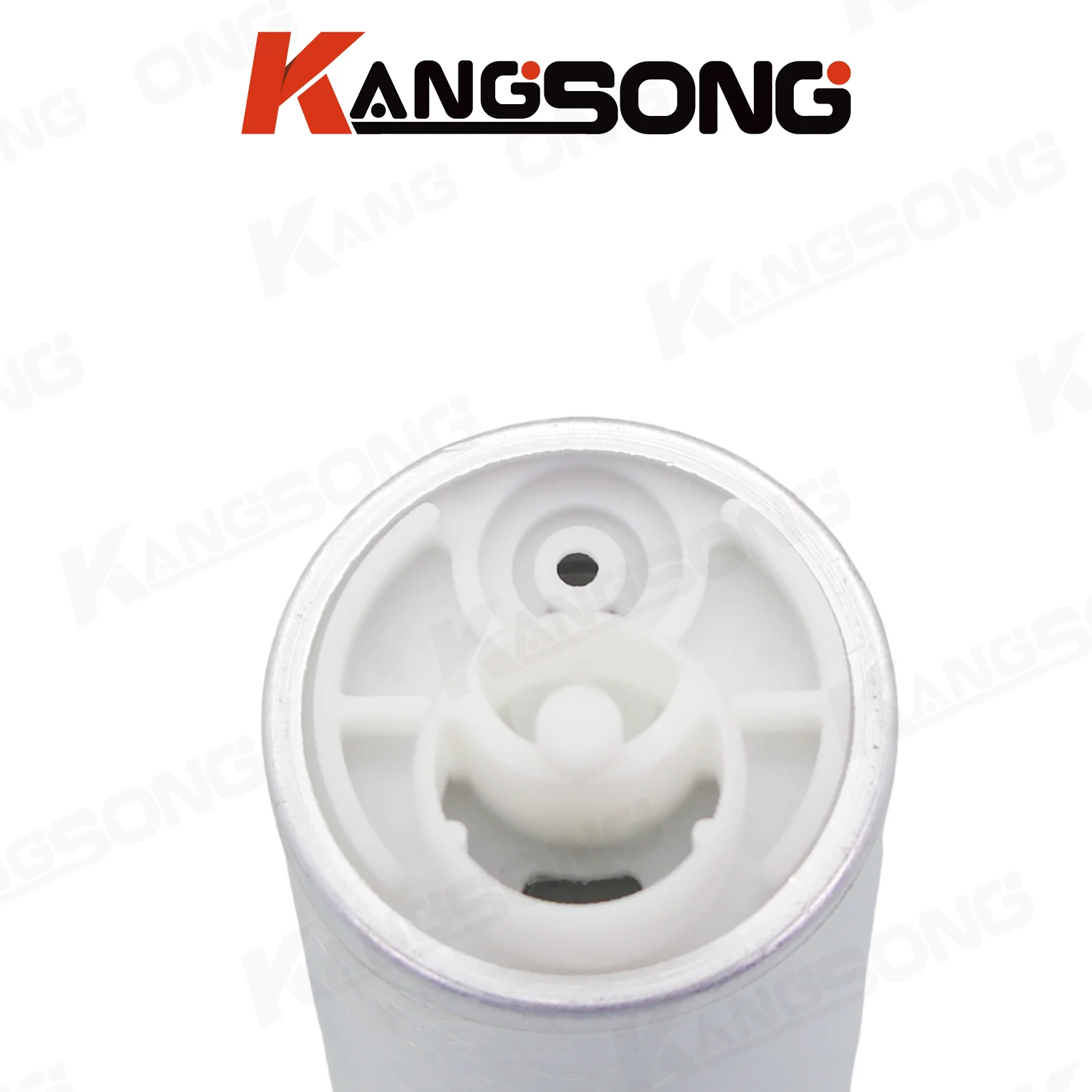
OEM process, branding, and test-scope language live on the OEM fuel pump manufacturer landing. Broader catalog browsing uses Kangsongpower Products. Gasoline electric positioning continues on the gasoline electric fuel pump sister, and horsepower-first sizing stays on what size electric fuel pump do i need.
FAQs
What does fuel pump capacity mean in LPH or GPH?
It is volumetric delivery in liters per hour or gallons per hour. The useful number is the one taken at the pressure, voltage, and fluid the engine will see, not the open-hose figure.
Is a free-flow rating enough for fuel injection?
No. Free flow is measured with almost no back pressure, and injection rails do not run that way. Size and buy on the curve at rail pressure.
How do I convert GPH to LPH on a purchase spec?
For United States gallons, multiply GPH by 3.785 412 to get LPH. Name the gallon on the print so nobody applies an Imperial factor.
Does voltage at the pump terminals change flow?
Yes. Electric pump motors speed up with voltage. Ask for the curve at the voltage the harness will actually deliver.
Can I award a pump from a horsepower chart alone?
No. A horsepower table is a demand estimate. Award the pump on flow at pressure plus the curve, fluid, duty, and sample notes.
Should a GDI high-pressure pump use the same capacity test as an in-tank electric pump?
No. SAE J2714 is written for gasoline GDI high-pressure pumps on the bench. In-tank supply pumps are a different pressure class and need their own curve.
What if a listing prints GPH without test pressure?
Treat the GPH as a starting print, then add the missing pressure, voltage, and fluid before you award the part. KS-360501 is an example of a public GPH band that still needs those extras.
References
- NIST Guide to the SI, Appendix B.8 — gallon (United States) to liter
- SAE J2714_202301 — Gasoline Direct Injection Pump
- r/Diesel: working pressure vs max pressure
Humanizer audit: PASS
Second self-pass: no new fact, name, number, date, quote, or citation entered beyond Research and Brief.