Selecting a 12 volt high pressure fuel pump starts by deciding whether you need a cam-driven High-pressure fuel pump (HPFP) stage or a 12-volt electric feed/EFI pump—then matching the OE number match on the 12 volt vehicle electrical system you actually run.
Buyers also search gasoline direct injection (GDI) and diesel common-rail jobs under the same phrase, so the sections below separate pump classes, list pressure bands, run a checklist, explain a 24 volt high pressure fuel pump electrical-class question, flag low-side traps, and show one OE-scoped high pressure fuel pump page plus sister links.
What a 12 Volt High Pressure Fuel Pump Search Usually Mixes Up
Two different pump classes share the same shopping phrase, and that mix-up is why carts go wrong.
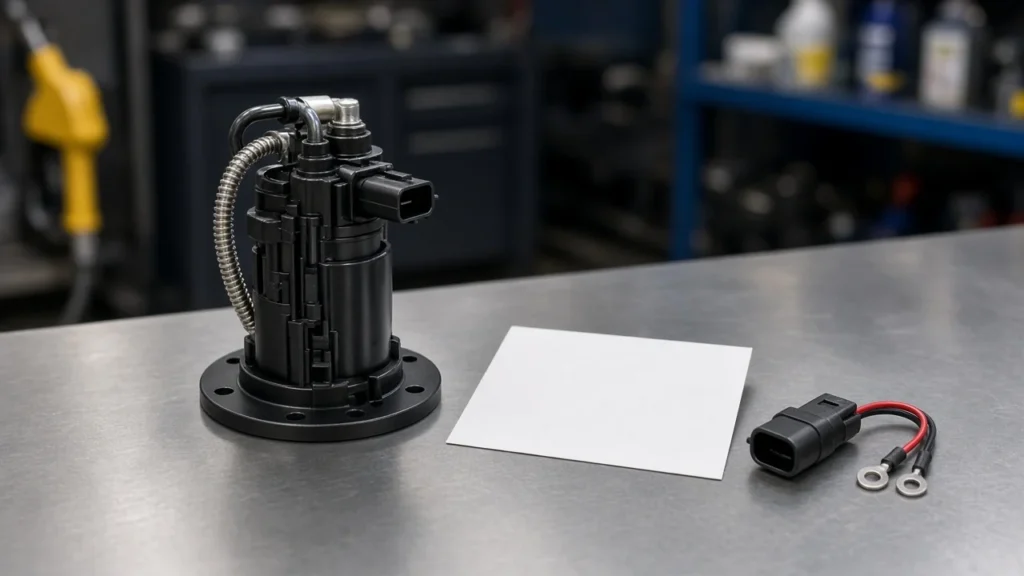
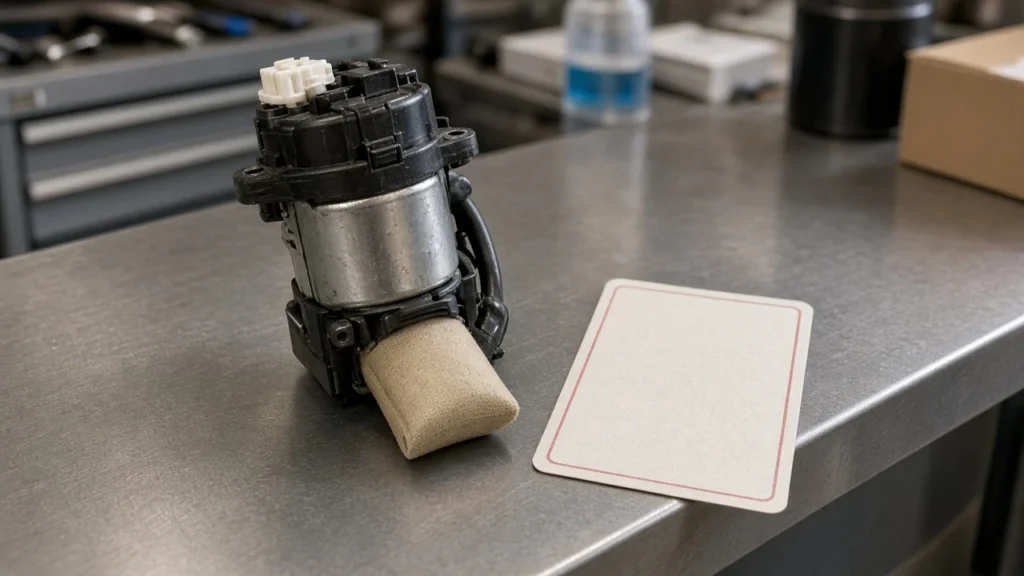
Online listings often brand 12-volt electric in-tank or inline pumps as “high pressure” when they are sized for port EFI or transfer duty in the tens of psi. Those units are real products, but they are not the cam-driven HPFP that charges a gasoline direct injection (GDI) rail or a diesel common rail.
A modern direct-injection or common-rail system uses a high-pressure mechanical pump stage that is separate from the electric in-tank or feed pump. The Low-pressure / lift / in-tank electric pump moves fuel from the tank; the HPFP raises that fuel into injection-class pressure on the engine.
Shop language from cam-driven applications is blunt: switching the key on does not “prime” an HPFP the way it primes a 12-volt electric pump, because the high-pressure stage is mechanically driven. If the buying brief is really about wiring a 12-volt gasoline electric pump, stop—this page is for HPFP-class selection, not that job.
Pressure Classes: Electric Feed vs GDI HPFP vs Diesel Common-Rail
Use architecture-bound ranges, not one universal psi number pulled from a marketplace title.
| Pump class | Typical pressure language (sourced bands) | What “12 volt” usually refers to |
|---|---|---|
| Electric feed / port-injection style pump | Encyclopedia notes typical in-tank electric pumps around 40–60 psi (3–4 bar) | The pump motor itself on a 12-volt vehicle |
| Gasoline DI HPFP (example families) | One manufacturer GDI note cites about 0.6 MPa supply raised to about 20 MPa; an independent Gen-V writeup cites HPFP peaks as high as about 2,900 psi on that engine family | Vehicle electrics plus Fuel metering unit / FCA parts—not a claim the plunger is a 12-volt motor |
| Diesel common-rail HPFP | One common-rail pump family is published at 1,800–2,700 bar; encyclopedia summaries place modern DI mechanical pumps up to about 30,000 psi (2,100 bar) | Lift-pump and actuator voltage on the chassis electrical system |
Typical electric port-injection in-tank pumps operate around 40–60 psi (3–4 bar). That band is useful for feed/EFI shopping and useless as an HPFP interchange rating.
Encyclopedia summaries place modern direct-injection high-pressure mechanical pumps up to about 30,000 psi (2,100 bar). Treat that as an upper-band scale marker, not a Kangsong SKU specification.
An independent Gen-V direct-injection article cites mechanical HPFP pressure as high as about 2,900 psi for that engine family, with the author noting the figure is engine-specific. Keep Gen-V numbers inside Gen-V conversations.
One GDI high-pressure pump technical note describes fuel supplied at about 0.6 MPa (about 87 psi) from the low-pressure pump, then raised to about 20 MPa (about 2,901 psi) for the rail, with the pump actuated by cam rather than by an electrical plunger drive. That is a concrete GDI architecture example, not a universal gasoline HPFP rating.
A published common-rail high-pressure pump family lists pressure levels from 1,800 to 2,700 bar and describes camshaft drive with an electrically connected metering unit. Use that as diesel architecture context; do not read it as brand equivalence for any aftermarket listing.
Diesel common-rail community writeups also talk about high-pressure pumps feeding rails at pressures described as upwards of 24,000 psi while listing the electric lift pump as a separate component. That user-language split matches the two-stage model buyers need at the counter.
Selection Checklist for HPFP-Class Orders on 12-Volt Platforms
Match OE identity, drive type, system stage, and electrical class before you approve a purchase order.
| Checklist field | What to capture | Fail if… |
|---|---|---|
| System stage | HPFP / high-pressure stage vs electric feed / lift | The RFQ only says “12-volt high pressure” with no stage |
| Drive type | Cam/gear-driven HPFP vs electric motor pump | The listing is only LPH at 40–60 psi with hose barbs |
| OE number match | Exact printed interchange on the donor pump or catalog | “Fits many 12-volt cars” with no OE |
| Fuel and architecture | GDI gasoline vs diesel common-rail vs port EFI | Architecture is guessed from voltage alone |
| Electrical class | 12-volt vs 24-volt chassis for feed pumps and Fuel metering unit / FCA actuators | A 24-volt truck is assumed to need a “24-volt HPFP SKU” that was never verified |
| Printed PDP scope | Vehicle/OE text on the live product page | Fitment is extrapolated past the printed list |
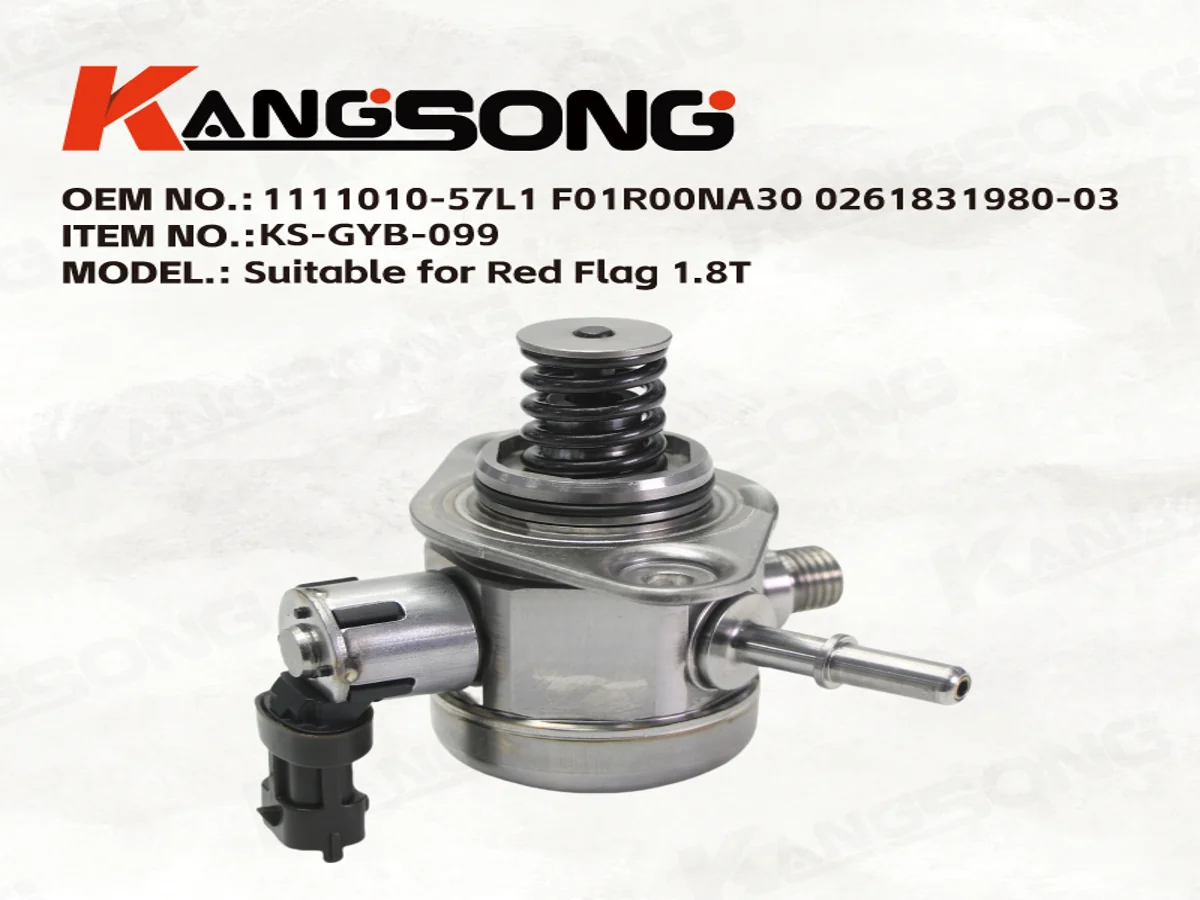
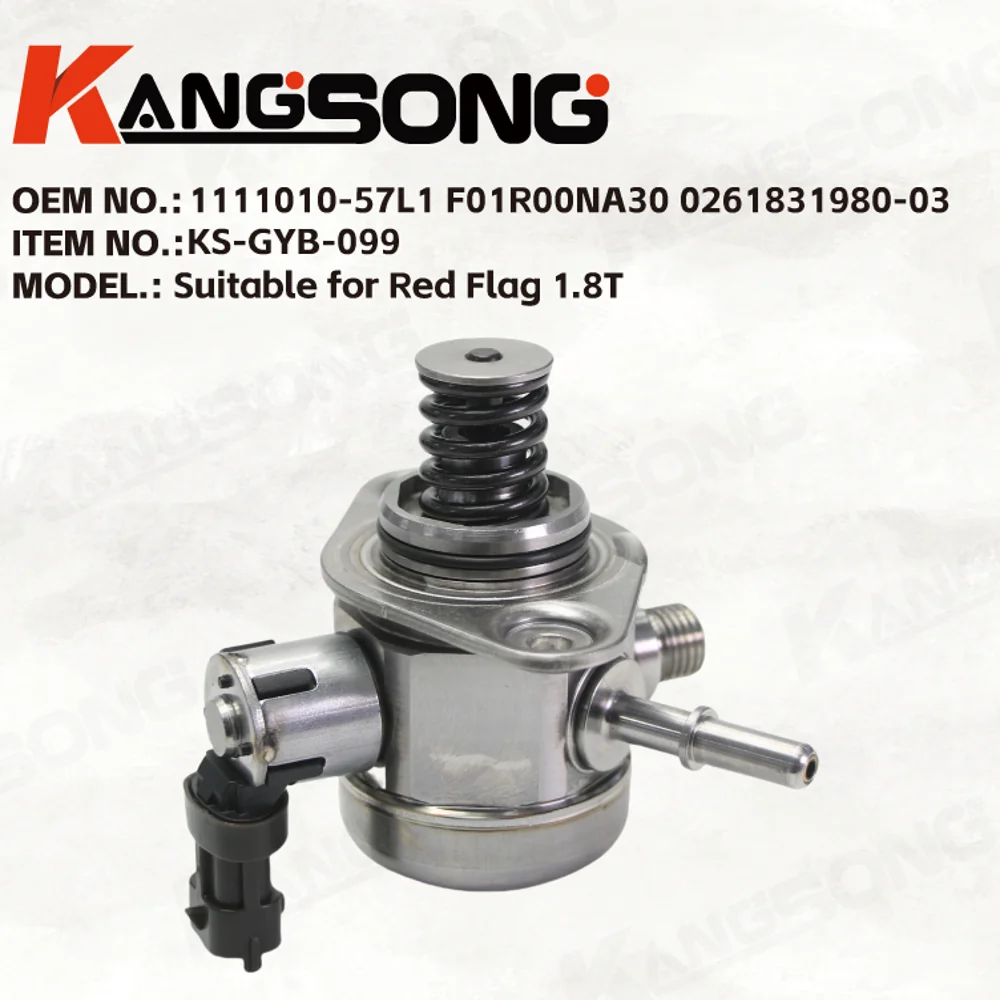
Write the OE number match first, then the stage. A buyer who already holds OE references such as 1111010-57L1, F01R00NA30, or 0261831980-03 can compare those strings to a printed PDP instead of shopping by voltage slogans.
If the cart item is a 255 LPH or 300 LPH 12-volt electric pump marketed as high pressure, treat it as feed/EFI hardware unless the printed title and architecture honestly describe an HPFP. Those LPH ratings belong to electric pump marketing, not to cam-plunger HPFP interchange.
12-Volt vs 24-Volt Electrical Class (Without Inventing a 24-Volt HPFP SKU)
Voltage names the vehicle electrical platform around feed pumps and metering actuators more than it invents a second HPFP catalog fantasy.
A search for a 24 volt high pressure fuel pump is a legitimate secondary question for fleets on 24-volt chassis. It still does not authorize inventing a Kangsong 24-volt HPFP SKU that was not live-verified for this package.
On many common-rail and DI systems the high-pressure plunger stage is mechanically driven, while the electrical pieces—lift/feed pump motors, Fuel metering unit / FCA valves, sensors, and harnesses—must match the chassis voltage class. Order the mechanical HPFP by OE and architecture; order electrical accessories by the printed 12-volt or 24-volt rating on those parts.
If a supplier only offers a 12-volt electric transfer pump and a separate OE-coded HPFP, keep those lines separate on the RFQ. Do not merge them into one invented “24-volt high pressure” part number.
Low-Side Supply Problems That Mimic HPFP Failure
Starved high-pressure stages can look like failed HPFPs when the feed side is the real culprit.
Independent direct-injection system writing explains that the mechanical HPFP needs a filled inlet; inadequate low-side pressure or volume can cause cavitation that damages the pump in a short time. That is why a rail-pressure complaint should include a low-side supply check before the high-pressure unit is automatically condemned.
Diesel community system maps reinforce the same split: an electric lift pump supplies the high-pressure injection pump, and weak supply shows up as a fueling problem even when the HPFP hardware is still mechanically intact. Confirm printed test values for the platform you service rather than inventing one universal psi gate.
Important: Before you replace an expensive HPFP, verify that the low-pressure feed stage can actually fill it under load. A partially filled high-pressure pump can cavitate and fail even when the “12 volt” electric pump still spins. — source: EngineLabs Gen-V DI fuel system
OE-Scoped HPFP Sourcing Example and Catalog Path
Use printed PDP OE lists for HPFP-class sourcing, then browse the verified Products-root catalog for additional matches.
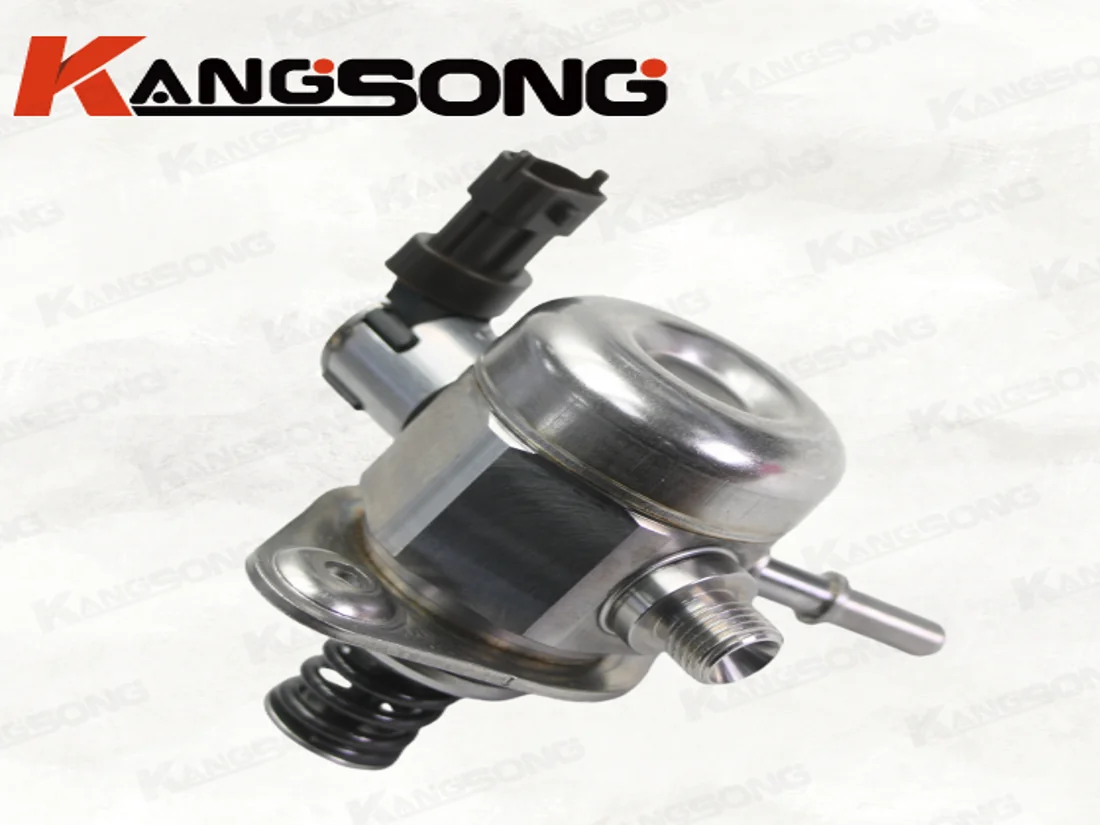
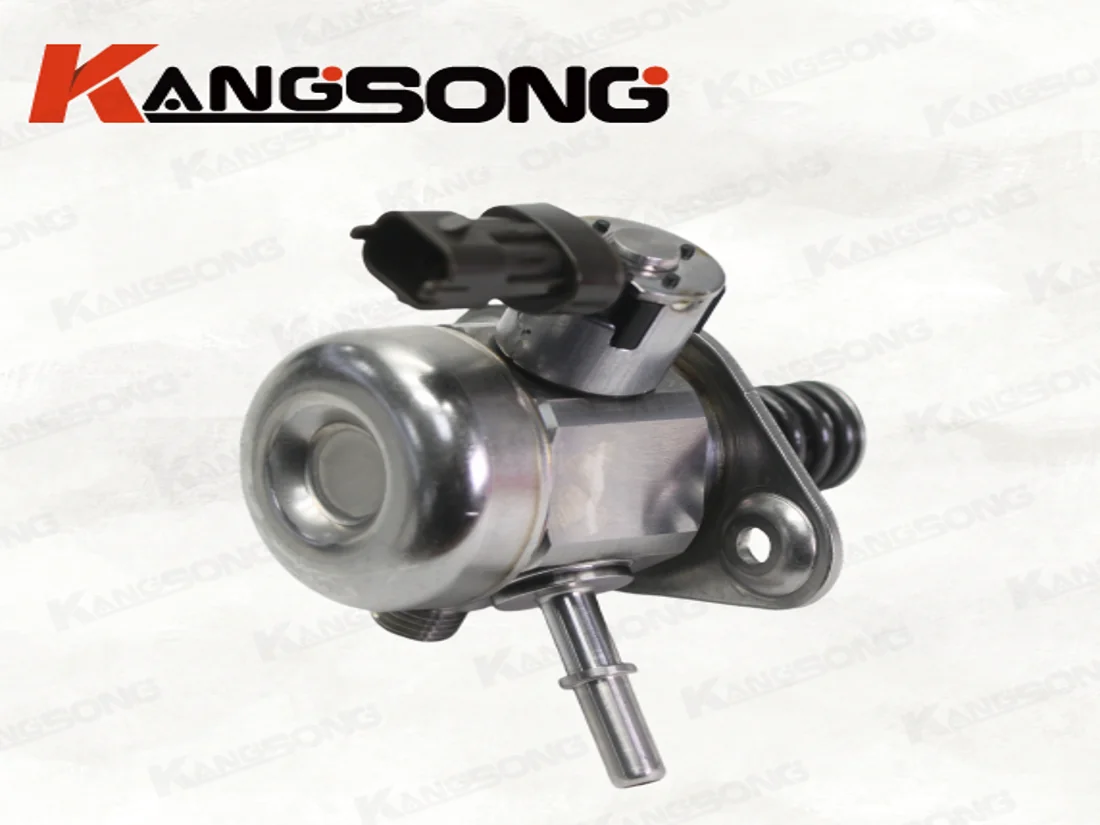
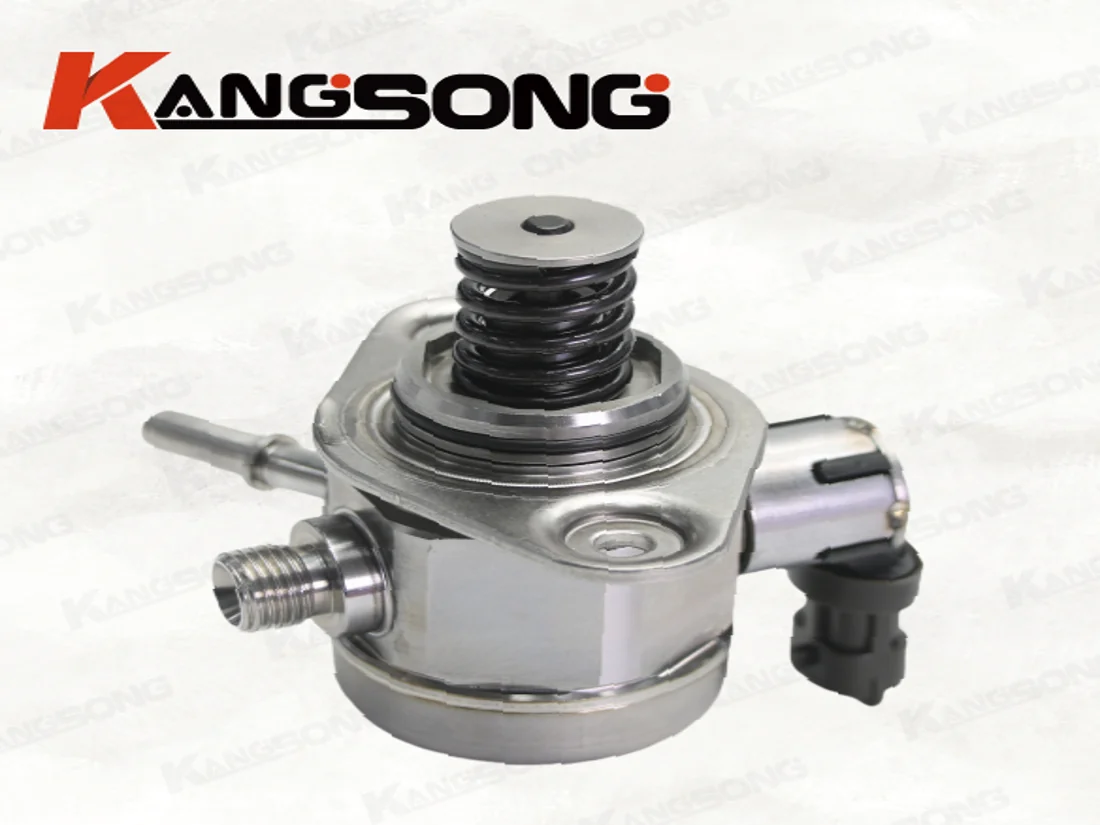
Kangsong publishes an OE-scoped unit titled as a HIGH PRESSURE FUEL PUMP for Red Flag 1.8T applications, with printed OE references including 1111010-57L1, F01R00NA30, and 0261831980-03. Use that page only when those printed identifiers match the pump you are replacing.
Review the live product here: Red Flag 1.8T high-pressure fuel pump (OE-scoped). Fitment stops at the printed PDP text—do not extend it to unrelated engines, brands, or voltage slogans.
For broader browsing of fuel-system hardware, use the verified catalog root at products-root rather than broken /products/ or /shop/ paths. Catalog navigation is not fitment proof; every candidate still needs its own printed OE check.
Gasoline electric pump kits are not HPFP answers, and brand-name lift systems are not treated here as equivalent replacements for a factory high-pressure stage.
Related Reading: How HPFP Works and What Causes Failure
Principle and failure pages cover adjacent jobs without replaying this selection checklist.
If you need the operating sequence of a high-pressure diesel stage, read How Does a High Pressure Diesel Fuel Pump Work?. If symptoms and failure causes are the active ticket, continue with What Causes High Pressure Fuel Pump Failure?. Keep this page for class selection and OE sourcing on 12-volt platforms.
FAQ
Is there a difference between a fuel pump and a high pressure fuel pump?
Yes. In modern DI and common-rail systems, “fuel pump” often means the electric feed or in-tank stage, while a high pressure fuel pump (HPFP) is the separate high-pressure stage that raises fuel for injection.
Mixing the two names is the most common ordering error behind a “12 volt high pressure” search.
How much psi should a high pressure fuel pump have?
There is no single correct psi for every HPFP. Typical electric port-injection in-tank pumps operate around 40–60 psi (3–4 bar). GDI and diesel common-rail high-pressure stages operate in much higher, architecture-specific bands.
Match the printed specification for the engine family instead of a marketplace headline number.
Does 12 volt mean the HPFP is an electric motor pump?
Not necessarily. “12 volt” usually describes the vehicle electrical system that powers feed pumps and control solenoids. Many HPFP units are cam-driven; the electrical pieces around them still have to match the 12-volt platform.
How is a 24 volt high pressure fuel pump different from a 12-volt one?
A 24 volt high pressure fuel pump search usually points to a 24-volt chassis electrical class for feed pumps, actuators, or harness design. It is not automatic proof that a different mechanical HPFP SKU exists, and this page does not invent an unverified 24-volt HPFP product.
Can a 255 LPH 12-volt electric pump replace an HPFP?
No. A 255 LPH 12-volt electric pump is feed/EFI-class hardware marketed with flow ratings.
An HPFP is a different stage with different drive, sealing, and pressure duties. Use the electric pump only when the printed job is electric feed—not when the OE calls for an HPFP.
Should I test the low-pressure supply before replacing an HPFP?
Yes. Weak low-side supply can starve and cavitate an HPFP, producing rail-pressure symptoms that look like a failed high-pressure unit. Confirm feed pressure and volume against the platform procedure before you authorize an HPFP purchase.
What OE information do I need before ordering?
Capture the OE/OEM numbers from the pump being replaced, plus engine and fuel-system architecture. Then compare those strings to the printed PDP list—for example OE references such as 1111010-57L1 on an OE-scoped HPFP page—without extending fitment past that print.
Will key-on prime a cam-driven HPFP?
Usually no. Cam-driven HPFP units are not primed by key-on the way a 12-volt electric in-tank pump is. Key-on may run the feed pump; the high-pressure stage still depends on engine rotation and correct mechanical drive.