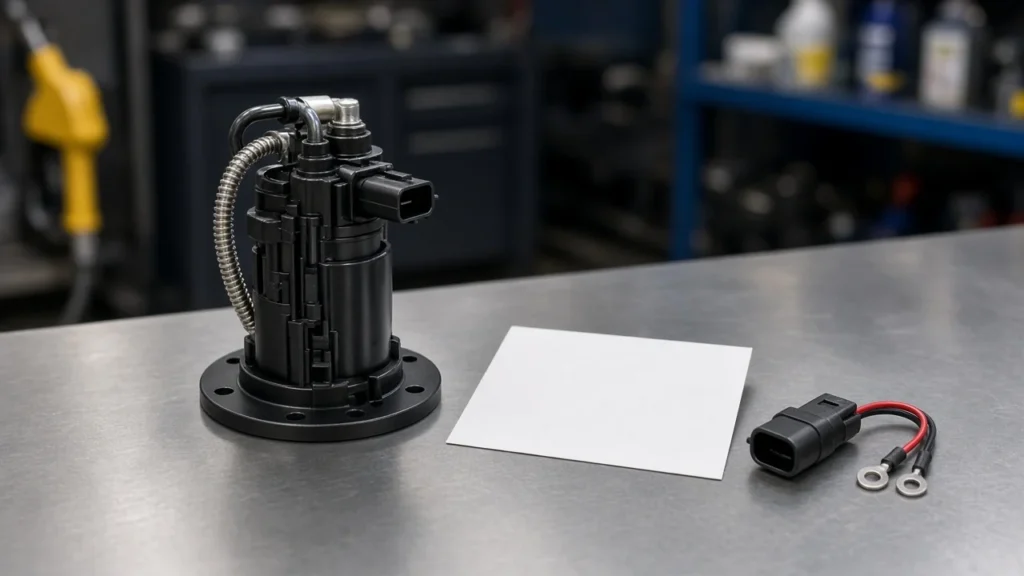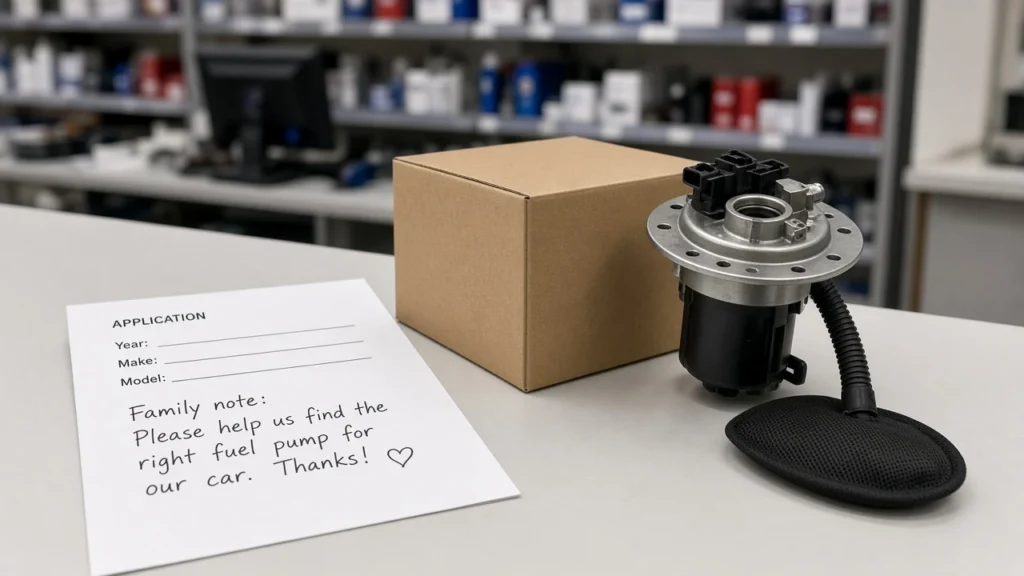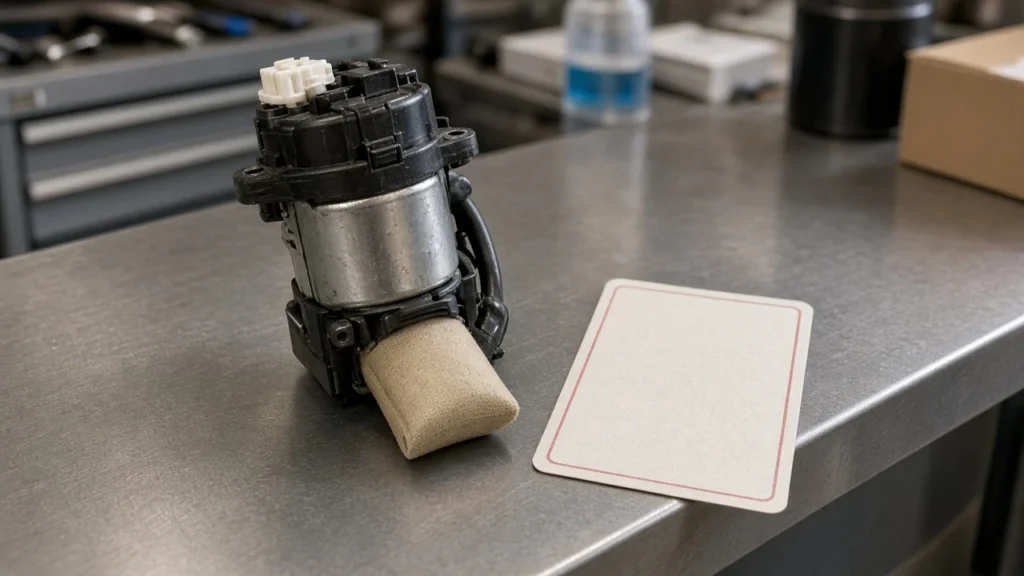
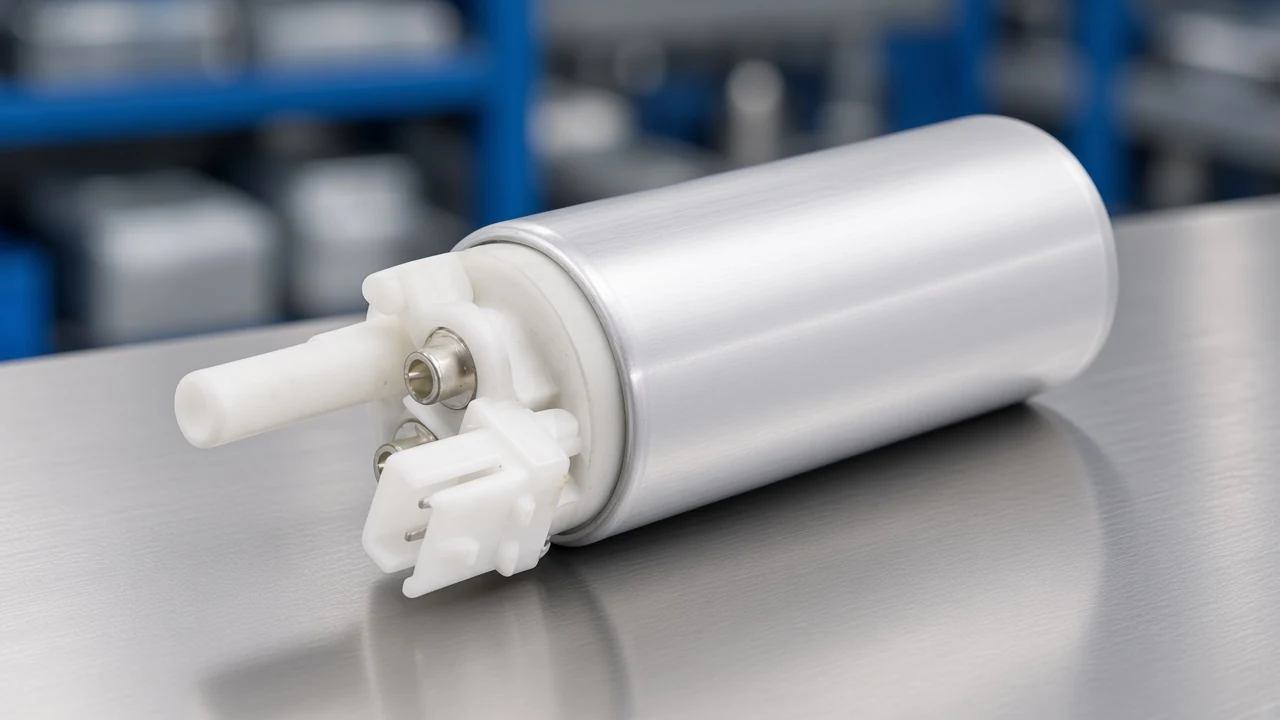
An in line fuel pump order names an external mount on the frame line, not the printed C/K in-tank assembly on the shelf. The sections below separate that external mount, the submerged in-tank form, and the one truck window this catalog actually prints.
A counter who only sees the words fuel and pump still has two shelves. One shelf holds a pump that hangs outside the tank. The other holds a pump that lives in the fuel, often inside a complete assembly.
An in line fuel pump line names a mount before a carton
An in line fuel pump line names a mount before a carton, and the mount is either external or in-tank. Trade writing already splits electric pumps that way. A motorsports magazine survey puts electric pumps into inline and in-tank categories by where the pump sits.
Shopping pages blur the same words into one kit list. The purchase order cannot. Write the mount in the same ink as the part name before anyone opens a box.
Inline, in-line fuel pump, and external fuel pump are spelling variants of that outside-the-tank mount. They are not a license to pull every electric canister on the shelf.
External inline means the pump sits outside the tank
External inline means the pump sits outside the tank on the frame line. In that magazine wording, an inline pump is mounted outside the fuel tank. The carton is a chassis pump, not a tank module.
Buyers pick that mount when they want the pump where a hand can reach it. The sheet still has to say external or in-line. A blank after the word pump is how the wrong assembly leaves the dock.
This page does not turn that mount into a height recipe, a hose recipe, or a wiring recipe. Those jobs belong to the vehicle sheet and the shop, not to a shopping phrase.
A diesel injection-pump result can also crowd the same search words. That object is a different purchase. Soft-link only if the sheet is diesel injection language: diesel inline fuel pump.
An in-tank pump sits in the fuel, often as an assembly
An in-tank pump sits in the fuel, often as a pump-and-sender assembly. Wikipedia’s fuel-pump article places the electric pump inside the tank on many fuel-injected petrol layouts. Cooling by surrounding fuel and a submerged first run are the reasons that page names.
The in-tank shelf is still a mount decision. It is not proof that every electric canister on a bench is that assembly.
Connector language for an in-tank harness is a separate page. Soft-link only when the sheet is about the plug: in-tank fuel pump connector.
| Mount the sheet can print | Where the pump sits | What the order still names |
|---|---|---|
| External / in-line | Outside the tank on the frame line | External mount, not a tank module |
| In-tank | Inside the tank, often with sender hardware | In-tank mount or assembly window |
| Printed C/K assembly | The 1987-1995 C/K complete pack | That truck window only |
Noise, heat, and tank access are field objections, not install steps
Noise, heat, and tank access are field objections, and they are not wiring or tank-cut steps. On LS1Tech, builders argue external versus internal in those exact terms.
From the field: One reply says an external pump is loud and annoying. Another says external is easier to swap after a failure, while internal is quieter and less prone to overheating, but you may have to drop the tank. https://ls1tech.com/forums/conversions-swaps/501139-fuel-pump-external-internal-pros-cons.html
Those lines are buyer language. They are not a Kangsong durability test, and they are not a shop procedure. This page will not walk through a tank cut, a hotwire, or a bypass.
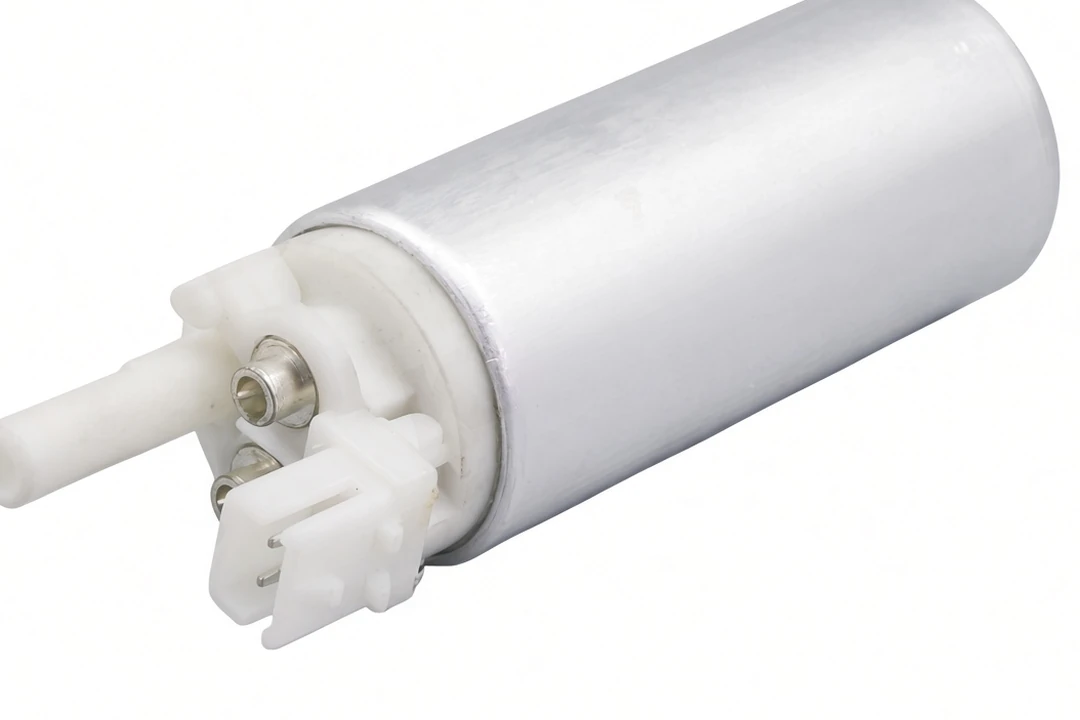
Swap threads ask the same mount question before they name a carton. Cooler fuel and less noise show up as reasons people prefer in-tank when the tank can hold the module. Prefer is still not a universal ranking.
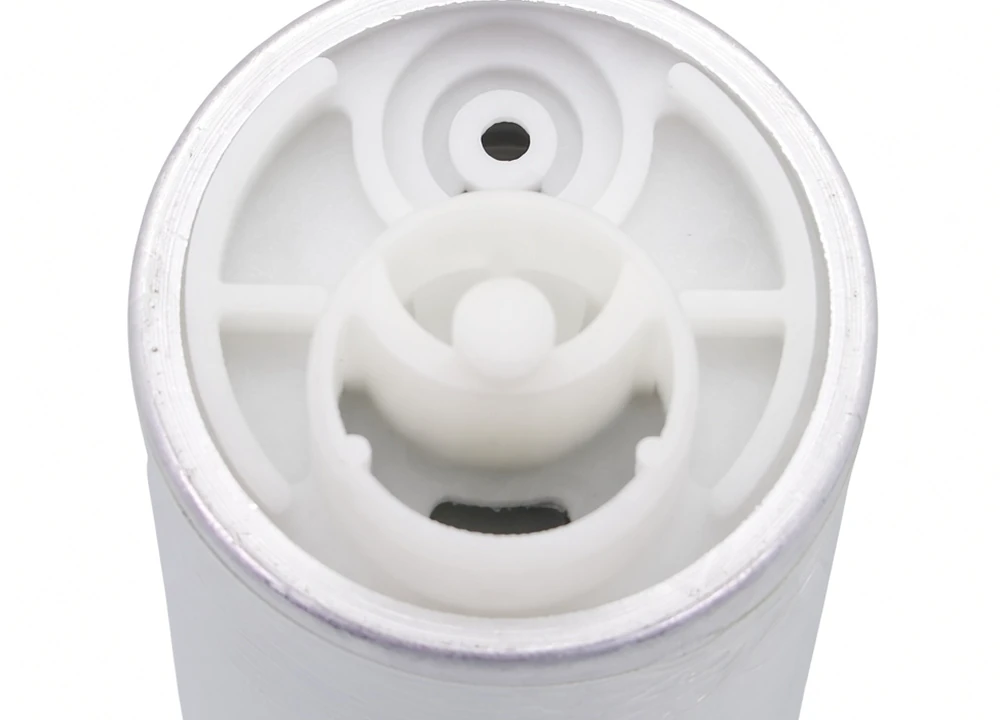
One purchase line cannot buy both mounts
One purchase line cannot buy both mounts, so the sheet has to pick. “In line fuel pump” and “in-tank fuel pump” share the word pump. The warehouse still has two jobs.
Write external or in-tank in the same place you write the vehicle. A universal shopping title is not that vehicle window. Soft-link only when the sheet is truly a universal electric hunt; do not retell that sister page here.
Mechanical versus electric is a drive question, not this mount question. Soft-link only when the sheet is about cam drive versus electric: mechanical fuel pump vs electric.
Gasoline on both shelves does not make the mounts interchangeable. The fuel name is not the fitment. The mount on the sheet is the fitment.
A 1987-1995 C/K assembly is not an external in-line SKU
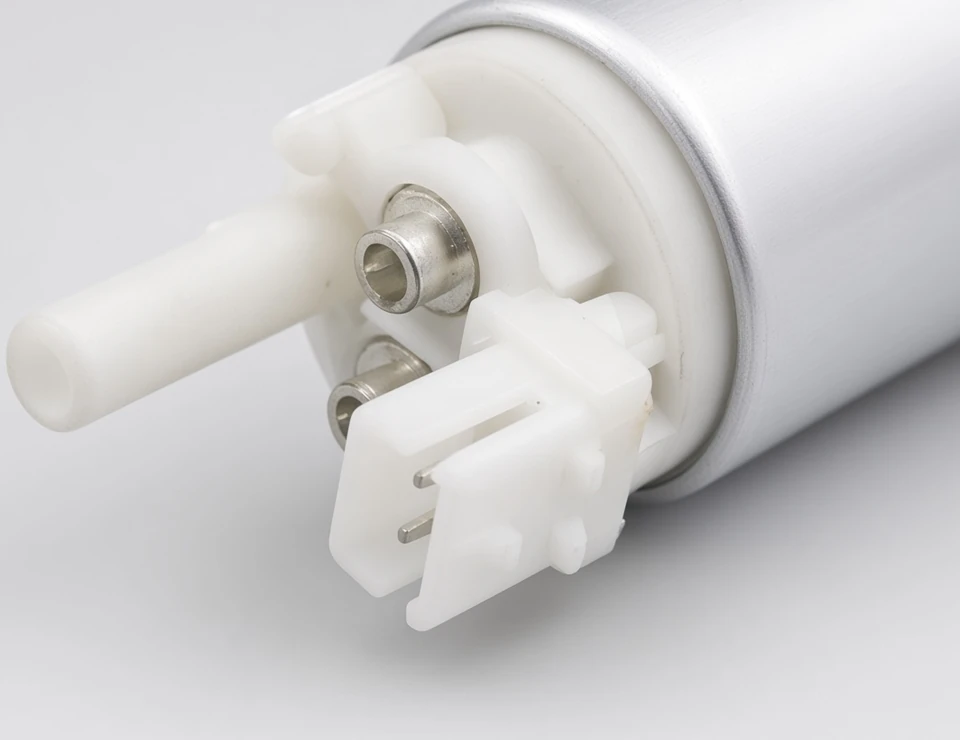
KS-360501 prints a 1987-1995 C/K complete assembly, and that window is not an external in-line SKU. The title on that page locks the 1987 through 1995 C/K 1500, 2500, and 3500 pickups, and it lists OE 25168719 with E3902.
Kit labels on that page read DC 12V, a 2-pin main connector, and 43.3-49.5 Gph. Maximum Air Pressure 12-26 on that label is an air figure, and it is not fuel pressure.
The overview lists the fuel pump, the sending unit, and housing together as one ready pack. Gallery photos show an electric canister. Neither the overview nor the photos rewrite the title into an external in-line SKU.
| Printed line | KS-360501 C/K assembly | External in-line line |
|---|---|---|
| Machine / window | 1987-1995 C/K 1500, 2500, and 3500 | The vehicle and external mount the sheet prints |
| Mount story | Complete assembly with pump, sending unit, and housing | Pump outside the tank on the frame line |
| Connector | 2-pin main plug | The plug the external sheet prints, if it prints one |
| Flow label | 43.3-49.5 Gph on this kit | Not copied from this kit |
| Air label | Maximum Air Pressure 12-26 | Not a fuel-pressure rating |
| Catalog role | Carton for that C/K window | A job this catalog does not print as KS-360501 |
An in line fuel pump can share the words electric and canister with that kit and still be the wrong line. The window in the title is the test. If the sheet does not say 1987-1995 C/K, the kit stays on its truck shelf.
Which catalog line fits a printed C/K window
The catalog line that fits is the printed C/K kit, and an unprinted external job is not that line. Use the 1987-1995 C/K electric gasoline pump assembly only when the purchase line names that truck assembly window. When the sheet is an external in-line mount without that window, do not treat KS-360501 as the inline SKU.
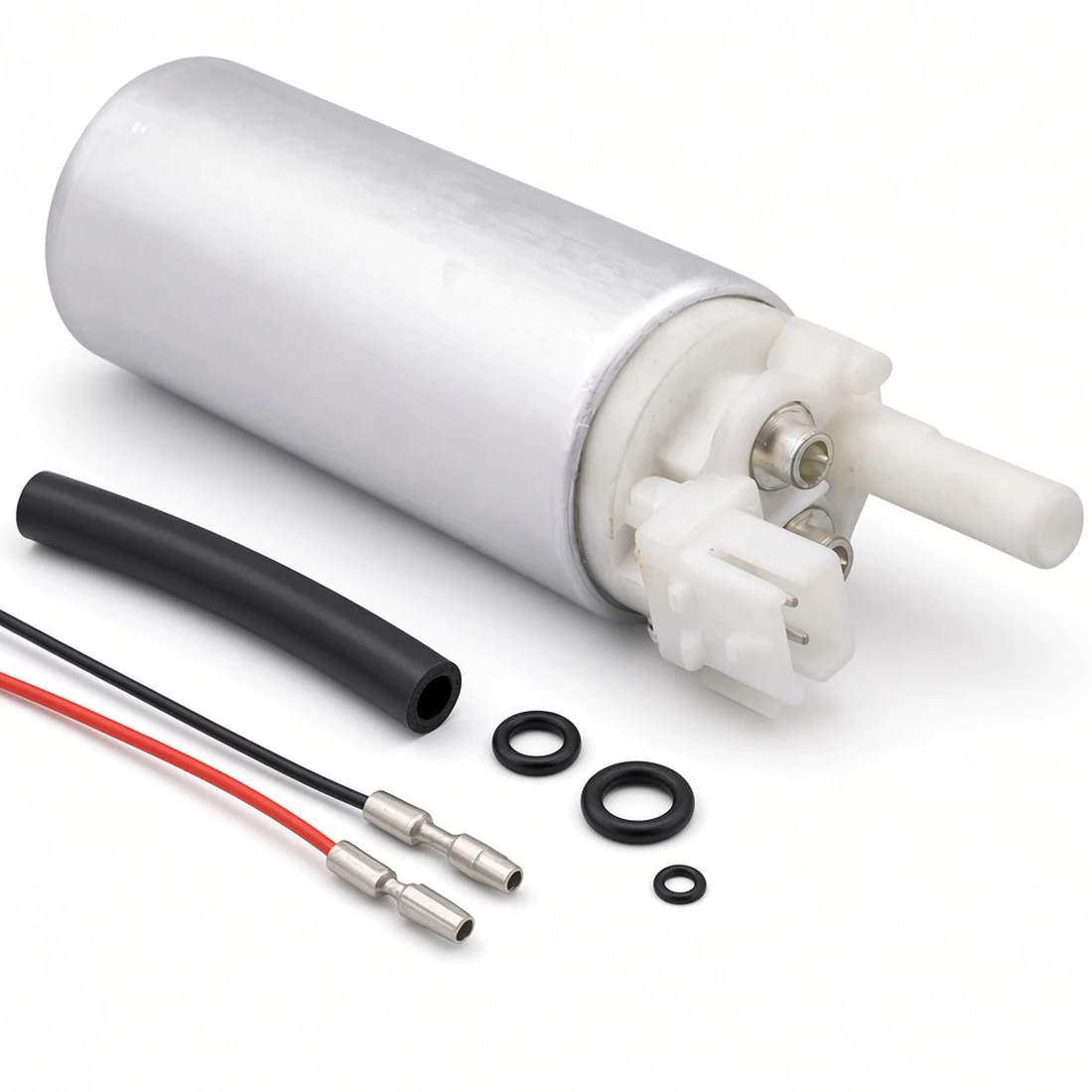
Other jobs, including an external in-line mount this catalog does not print as that SKU, stay on the product category. A factory overview is not used as fitment, because a factory page does not name this mount.
Ship the C/K kit only with the C/K title on the purchase line. Ship nothing labeled as a universal external in-line pump from this catalog until a printed SKU exists. Until then the useful sentence is the mount the sheet already shows: external, or in-tank.
FAQ
What is the difference between an inline and an in-tank fuel pump?
Inline, in that trade split, means the pump sits outside the tank. In-tank means the pump sits in the fuel, often inside an assembly. The difference is the mount the sheet prints, not a ranking.
Are inline fuel pumps good, or does the answer depend on the mount the sheet prints?
The answer depends on the mount the sheet prints. “Good” is not a catalog grade. Match external or in-tank first, then open the carton that carries that window.
What is the best inline fuel pump for fuel injection if the sheet has not named a mount?
There is no best pump on this page. Without a mount on the sheet, the purchase line is incomplete. Name external or in-tank before anyone shops a kit list.
Where should an inline fuel pump be mounted when this page refuses install steps?
This page refuses height, hose, and wiring steps. The only mount rule here is the one on the sheet: external means outside the tank. Shop instructions stay with the vehicle documentation.
Can you run an inline fuel pump with an in-tank pump as one purchase line here?
Not as one vague line. A dual-pump layout, if a vehicle sheet truly prints one, still has to name each mount. This catalog will not invent that layout from the shopping phrase alone.
Is KS-360501 an in-line external pump SKU?
No. KS-360501 is the printed 1987-1995 C/K complete assembly window, so recommend it only when the sheet is that assembly and otherwise stay on the category for the unprinted external job.
What should the purchase order say when no external in-line part number is printed?
Write the vehicle and the mount, external or in-tank, in plain language. Send the unprinted external job to the product category instead of forcing the C/K assembly into the wrong line.
Why do forum threads keep talking about pump noise and dropping the tank?
Because those are the field trade-offs buyers already use: external is easier to reach and often louder, while in-tank is quieter when the tank can hold it and service may mean dropping the tank. None of that becomes a tank-cut or hotwire procedure here.