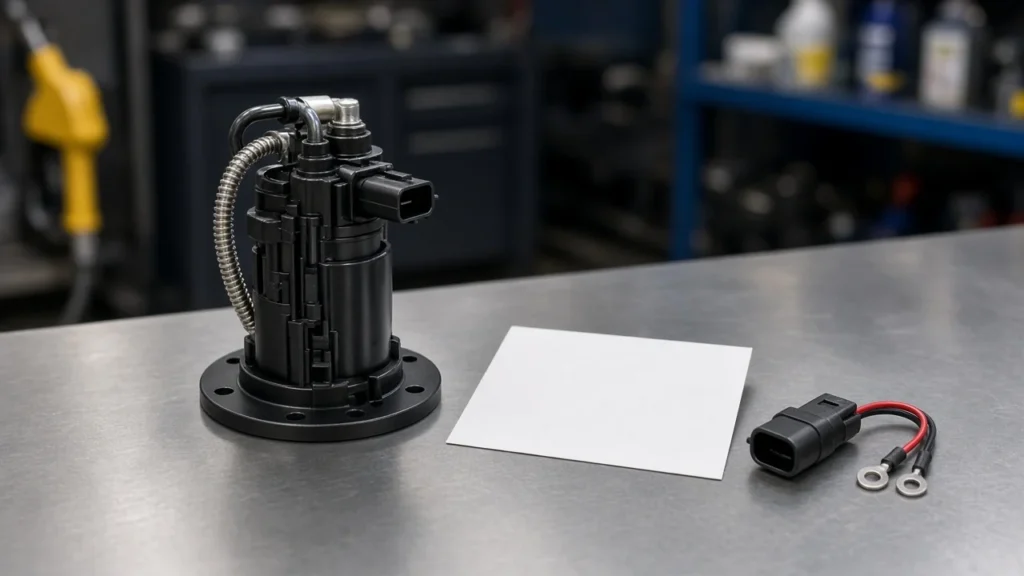
A fuel pump driver module connector is the harness plug that mates to the fuel pump driver module — not the in-tank pump assembly itself.
US shops and importers should photograph both connector faces, count pins, note corrosion, and check power, chassis ground, and command integrity before any RFQ. This pre-check separates a cheap pigtail repair from a wasted module buy or an early tank drop.
What a Fuel Pump Driver Module Connector Is — and Is Not
Shops meet this part as the harness plug on the fuel pump driver module (FPDM), also called a fuel pump control module connector when service literature uses FPCM naming.
The fuel pump control module (FPCM) is the same class of electronic driver under another service name. Module power, chassis ground, and PCM fuel pump command (FPC) or monitor circuits ride through that plug so the driver can run the electric fuel pump load.
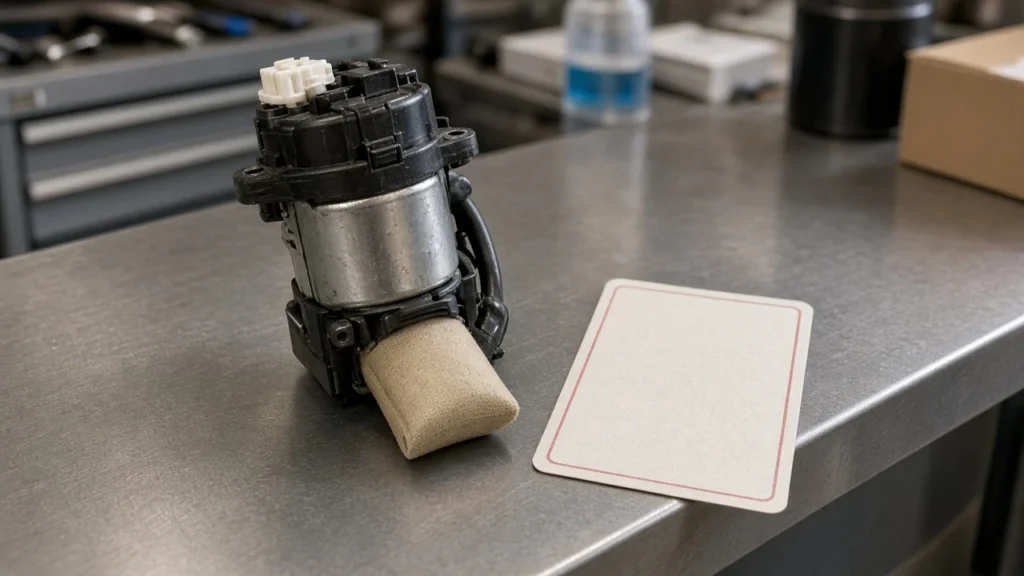
Counters still confuse the plug with the in-tank pump, strainer, or sender package you pull from the tank. That naming mix is how the wrong family gets ordered.
Ford Explorer service procedures disconnect the fuel pump driver module electrical connector as a controlled removal step. That step proves you found the plug — not that the plug is healthy.
For failure symptoms after the connector path looks clean, use the sister note on fuel pump control module failure. For safe unplug technique on pump-side plugs, see how to disconnect a fuel pump electrical connector.
Connector Evidence to Capture Before Any Parts Order
Photograph both faces of the plug, count the cavities, write the corrosion state, and save DTCs before anyone quotes a pigtail, module, or pump.
Shops that skip that pack often buy a driver box while the open is still in the harness. Importers who RFQ from a code list alone get the same dead end.
| Evidence item | What to record | Why it matters |
|---|---|---|
| Connector faces | Both harness side and module side photos | Shows bent pins, pushed terminals, melted plastic |
| Pin / lead count | Actual cavity count on the vehicle | Six-wire FPDM tutorials and eight-lead catalog pigtails are not interchangeable guesses |
| Corrosion / moisture | Green or white deposits, water, damaged weather-pack seal | Connector faults mimic module failure |
| Location notes | Frame rail, underbody, cabin panel — as found | Explains salt and chafe risk without inventing a universal map |
| Codes + freeze frame | FPDM/FPCM and related U-codes | Separates communication loss from a mechanical pump complaint |
Important: On weather-sealed FPDM connectors, rubber grommets keep moisture out of the terminals. Pushing a back probe through those seals opens a corrosion path that is hard to undo. Prefer a wire-piercing probe on the conductor, then restore the insulation — or you may need a fuel pump connector pigtail later for a probe mistake, not for the original fault.
Keep the evidence pack with the vehicle ID and any printed OE numbers you already have. That is the packet a counter or overseas buyer can act on without guessing.
Power, Ground, and Command Checks at the Connector
Confirm module power and ground integrity at the plug before condemning the driver — and treat pinouts as vehicle-specific.
On documented 2004–2010 Ford F-150/F-250/F-350 FPDM tutorials, the six-wire connector’s VPWR Fuel circuit on pin 5 should show about 10–12 V with the key in RUN or START. The dedicated chassis ground on pin 3 should show a low voltage drop under load — under about 1 V on that tutorial’s pass case.
A high ground voltage drop from a corroded chassis ground path can mimic a dead module. Those Ford numbers are examples for that family, not a universal meter recipe.
Always match the wire colors and pin map to the vehicle’s service information. Command and monitor circuits also run through the same plug.
Field threads describe no continuity between an FPDM command pin and the PCM — an open that looks like a module fault until someone meters the harness along the frame rail. If power and ground are solid and the driver still will not produce a fuel-pump monitor signal after inertia-switch checks, the module itself becomes more plausible.
When Corrosion Points to a Pigtail — Not a New Module
Replace the fuel pump connector pigtail when the housing, terminals, or seals are damaged — after you rule out upstream opens.
Salt, road debris, and underbody splash attack frame-rail modules. Green or white corrosion, bent pins, and melted locks are connector jobs.
Cleaning, dielectric grease, and a firm latch can restore a marginal face. When the plastic is cooked or pins are pushed out, a specified Connector pigtail (short leads plus butt connectors on many aftermarket packages) is the usual repair path — and that package still is not a full vehicle harness.
A pigtail does not fix an open PCM command wire buried in the loom. Community cases show shops replacing modules while the real break sat between the PCM and the FPCM.
Meter continuity and inspect chafe points before the RFQ assumes “new box.” Kangsong does not publish a dedicated FPDM connector PDP in the current catalog.
Treat aftermarket pigtail catalogs as application-specific tools, not as brand equivalents to a Kangsong pump listing. Electrical problems such as wiring faults can mimic a failed pump, so confirm the connector path before ordering a load.
Project Evidence Pack for US Shops and Importers
Attach connector photos, pin count, voltage notes, DTCs, and printed OE or platform data before any cross-border or counter RFQ.
| Decision | Connector evidence says… | Next buy / action |
|---|---|---|
| Connector / pigtail | Housing or pins damaged; power path otherwise intact | Specified pigtail or terminal repair |
| Driver / control module | Power and chassis ground good; command present; no monitor / no drive | Module path per service info (see sister failure article) |
| Pump load | Module outputs good; pump still dead with power and ground at the load | In-tank electric fuel pump or assembly within printed fitment |
| Incomplete pack | Codes only, no photos or meter notes | Stop — finish the evidence pack first |
US B2B shops should keep the pack with the RO. Importers should send the same pack with platform, volume, and branding needs when they use the OEM fuel pump manufacturer landing after electrical evidence is complete.
That page is a manufacturing conversation — not a substitute for connector diagnosis. For pump-side wiring context after the driver path is cleared, soft-link the in-tank fuel pump wiring diagram note without treating it as an FPDM pinout.
Printed-Fitment Electric Pumps After the Pump Load Is Confirmed
Review a printed electric fuel pump installation kit only after the pump load fails diagnosis and the vehicle matches the printed title.
If the connector and driver path check out, and the pump still will not run with power and ground at the load, the mechanical load is in play.
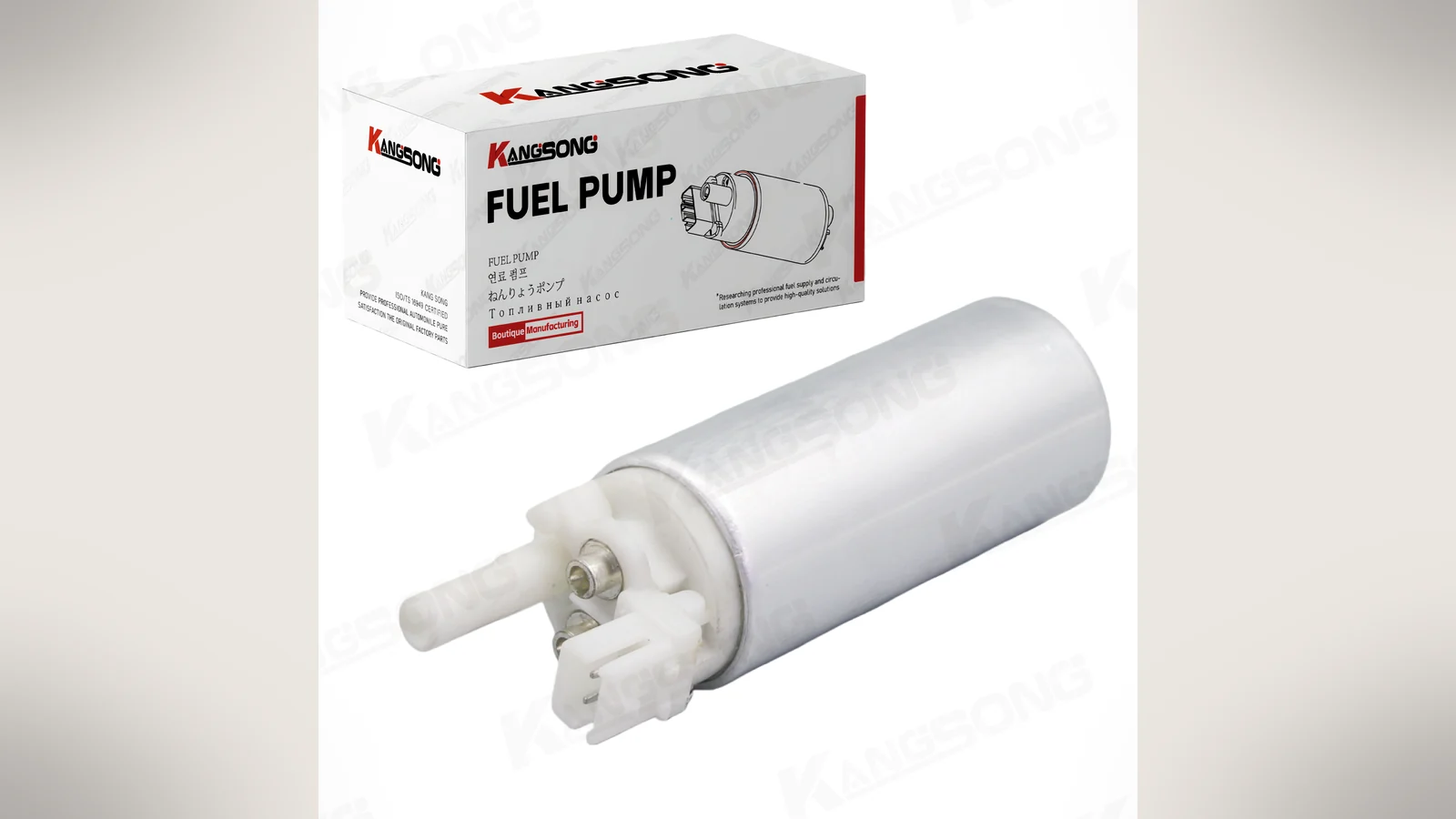
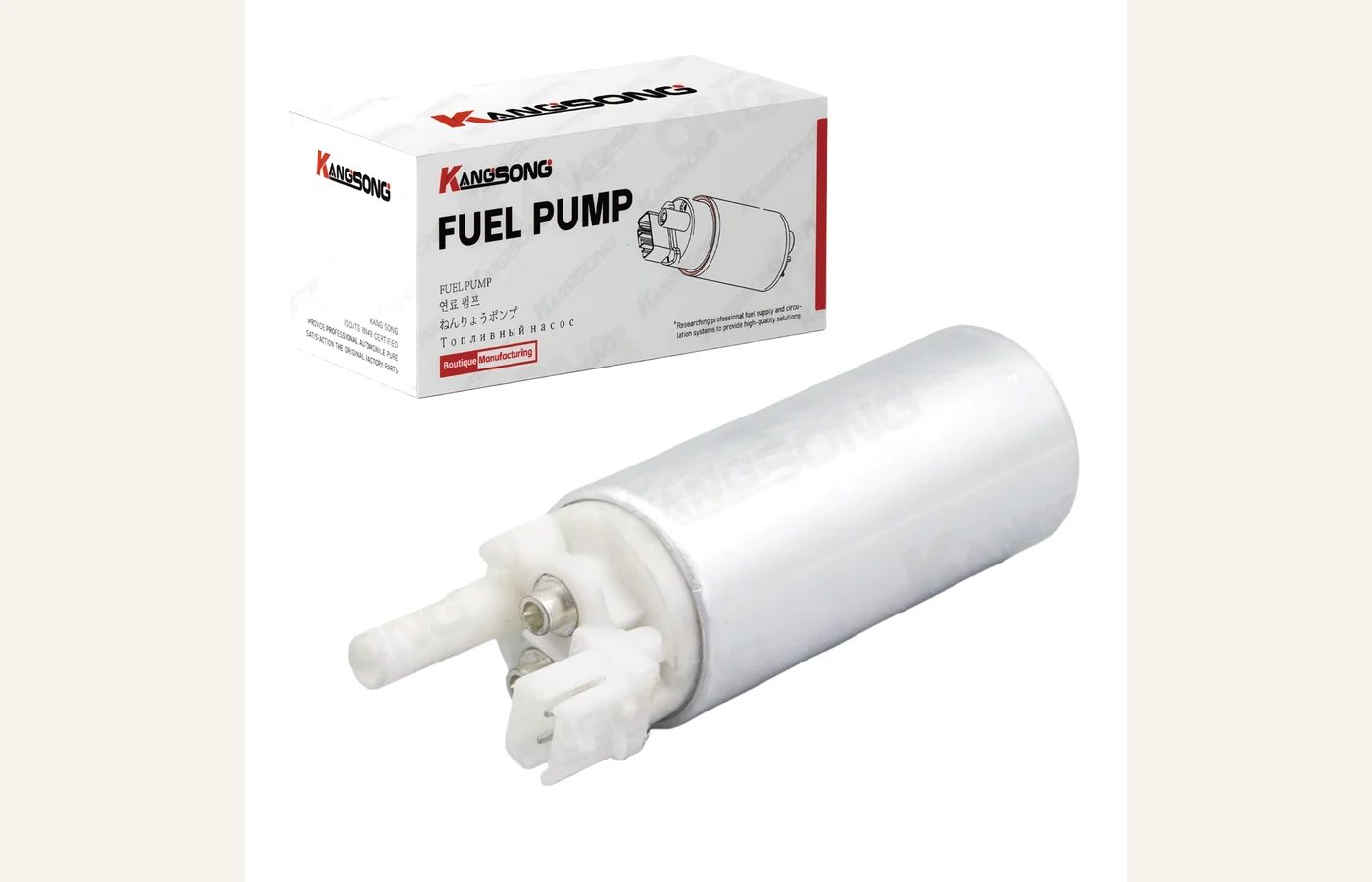
Kangsong’s electric gasoline fuel pump with installation kit lists a printed window for 1987–1995 C/K 1500 2500 3500 with OE 25168719 and E3902. The printed Kangsong C/K kit lists GPH 43.3–49.5 and a 2Pins connector on that PDP.
Those figures are title and table facts for that SKU — not a claim that every FPDM connector job needs this pump. Browse the product catalog root when the printed window does not match.
Do not use Hyundai Sonata assembly placeholders or third-party brand rankings as stand-ins for connector evidence.
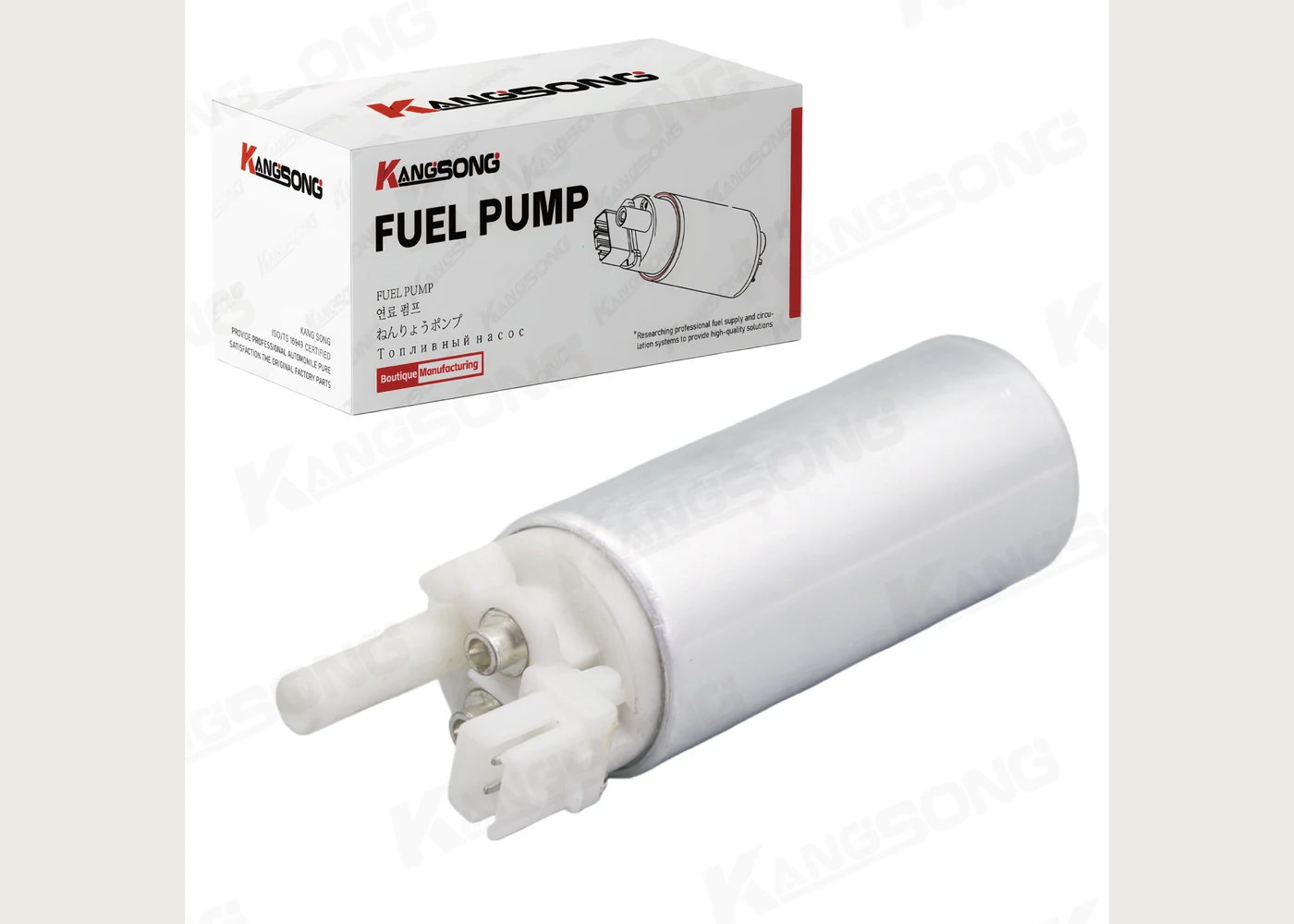
When the printed title matches and the pump load is the confirmed fault, open the printed-fitment electric fuel pump with installation kit listing and stay inside that title. Related Accent/Sephia pump titles are separate printed windows — not universal substitutes.
FAQ
What is a fuel pump driver module connector?
It is the harness plug that mates to the fuel pump driver module or fuel pump control module. It is not the in-tank pump assembly.
How do shops test the connector before replacing the module?
Capture photos and pin count, then check module power, chassis ground voltage drop, and command/monitor integrity per the vehicle’s wiring information. On the cited Ford FPDM truck tutorials, look for about 10–12 V on the VPWR Fuel example and a low ground drop under about 1 V.
Can connector corrosion cause a crank/no-start?
Yes. Corroded pins, moisture through a damaged weather-pack seal, or a high-resistance chassis ground can starve the driver and look like a failed module or pump.
Is a fuel pump driver module the same as a fuel pump control module?
Service literature uses both FPDM and FPCM naming for the electronic driver. Treat them as related names for the control box — still separate from the in-tank pump assembly. See the control module failure sister for diagnosis depth.
When is a pigtail the right buy instead of a new module?
When the connector housing, terminals, or seals are damaged and upstream power, ground, and command wiring check out. A pigtail will not heal an open loom between the PCM and the module.
Do all vehicles use the same connector pin count?
No. Documented Ford FPDM tutorials often show a six-wire connector, while some catalog pigtails advertise different lead counts by application. Record the vehicle’s actual count from the plug and service info.
Should importers RFQ a Kangsong pump for a connector fault?
Only after the pump load is implicated and the vehicle matches a printed Kangsong title. Connector-only faults need connector or module paths first; use the OEM manufacturing page when you need factory program talk after the evidence pack is complete.
References
- Fuel Pump Driver Module Tests (2004–2010 Ford F-series) — independent technical tutorial on FPDM connector power, chassis ground voltage drop, and monitor checks.
- Safely Probing The FPDM Connector — independent technical note on weather-sealed connector probing.
- Ford Explorer — Fuel Pump Driver Module Removal and Installation — service-manual style R&I showing connector disconnect as a controlled step.
- AA1Car — Electric Fuel Pumps — independent technical education on electrical faults that can mimic pump failure.
- r/MechanicAdvice — fuel pump wiring issue — community thread on FPDM connector command-wire continuity and harness chafe.
Humanizer audit: PASS
Second self-pass: no new fact, name, number, date, quote, or citation entered beyond Research and Brief.
Draft Agent ID: KS-DRF-AGT-20261003-01C