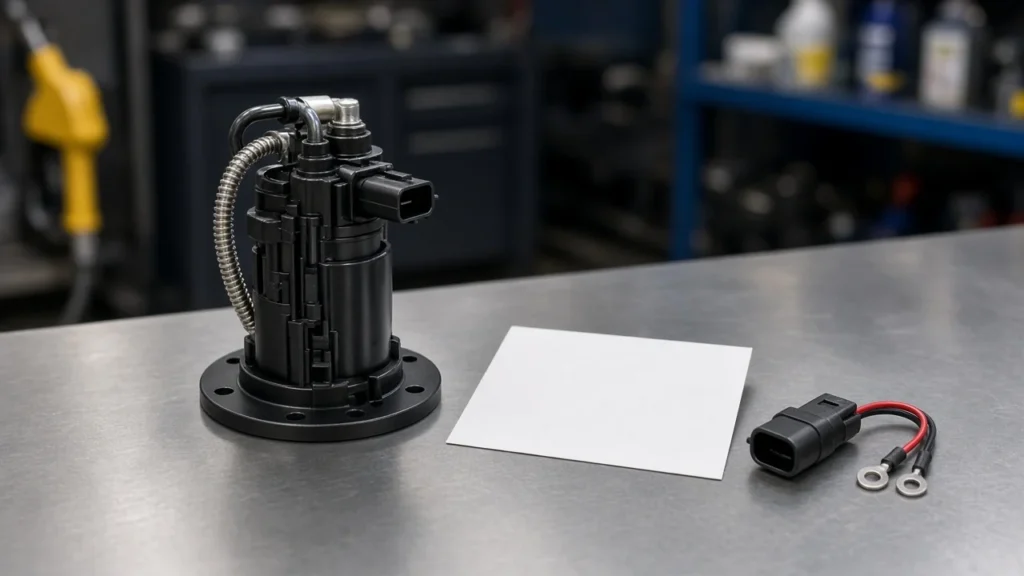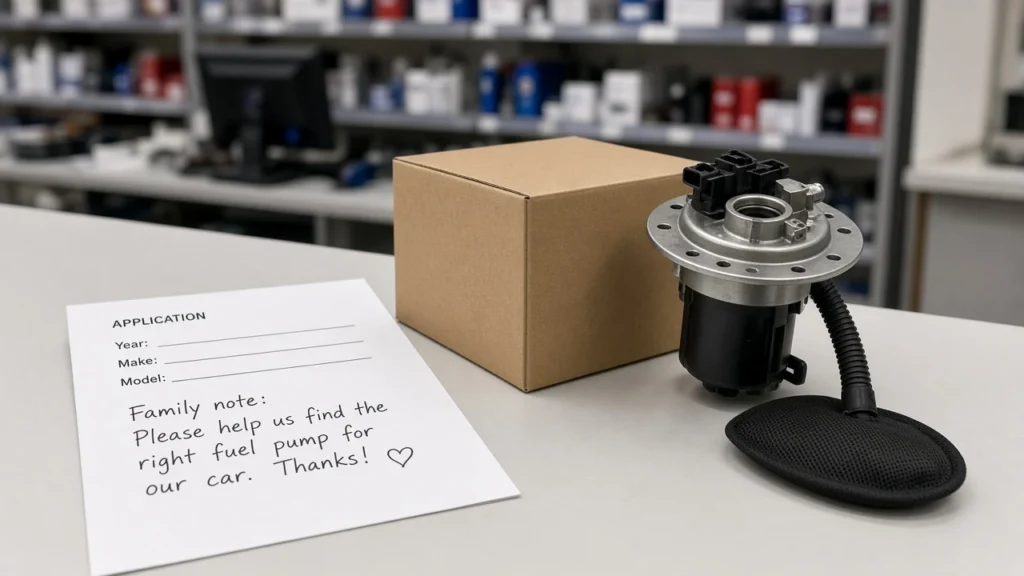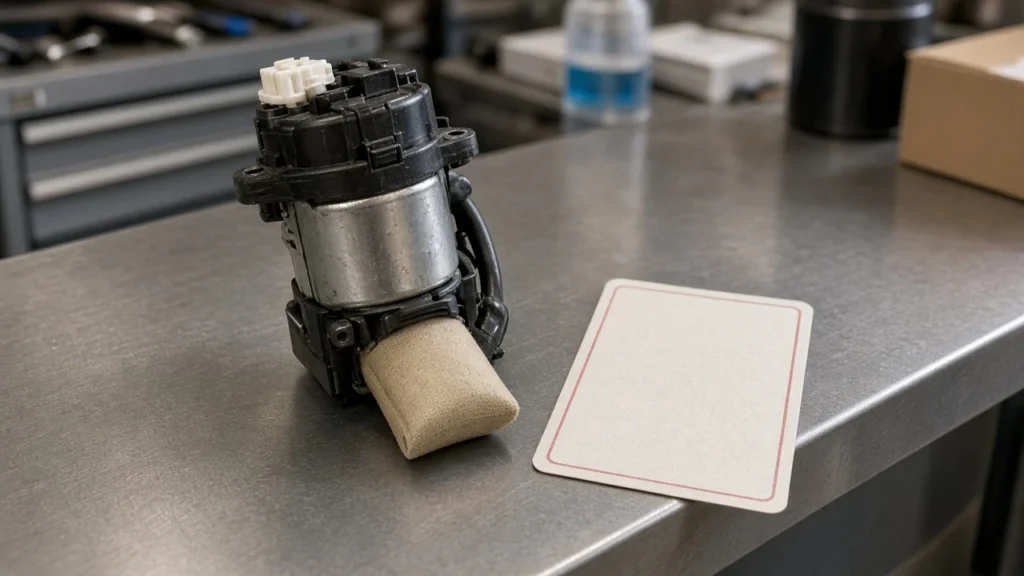
The buyer is ordering a return-line fuel pump pressure regulator, a regulator sealed inside a returnless module, or a separate adjustable regulator on the electric-pump feed. The pressure number for that device has to be printed before a quote goes out. United States counters can use the sections below to keep those three lines apart and to see what Kangsong actually lists.
Which pressure device is on the purchase order
The order is a return-line regulator, the regulator inside a returnless module, or a separate adjustable regulator.
A fuel pump pressure regulator holds the pressure that feeds the injectors and sends unused fuel where that system is built to accept it. On a return-style layout the unused fuel goes back to the tank. On a returnless fuel system the control usually sits in the tank, and the engine bay has no return hose from the rail.
Counters see two quotes that share the same words and still mean different boxes. One desk is pricing a disc on the rail of an older truck.
Another is pricing the module that already carries the regulator. A third is pricing a loose adjustable body the shop wants on a custom feed. The packing list has to say which one.
An electric fuel pump pressure regulator is still that pressure device. It is not a second name for the pump, the check valve, or the flow rating.
The one-way valve that holds residual pressure after shutdown is a different line. Read it on the inline fuel pump check valve page, then come back to the pressure device.
Return-line regulator or the regulator inside the tank
Return-style units spill fuel from the rail side back to the tank. A returnless fuel system keeps the regulator inside the tank.
AA1Car describes older return-type systems as pumps that deliver more fuel than the engine uses, with the excess routed back through a pressure regulator and a return line. The same library says a returnless layout puts the fuel pressure regulator inside the fuel tank and drops the return line from the rail.
The returnless regulator operates at a constant pressure. The older return-type unit uses a spring-loaded vacuum diaphragm so pressure can rise when intake vacuum drops.
AA1Car dates early returnless systems to certain Chrysler trucks in 1993, Toyota in 1996, General Motors and Ford in 1999, and Honda in 2001. A 1990s truck can still be a return-style rail. The model year by itself does not pick the hardware.
On newer returnless vehicles the regulator is part of the fuel pump module. Ordering a loose rail disc for that truck orders the wrong shape. Some later returnless layouts vary pump speed from a controller instead of spilling fuel at a rail valve.
Thirdgen owners describe the bypass as a disc on a spring. Once fuel pressure passes the spring, fuel returns to the tank, and the vacuum diaphragm shifts that point as manifold vacuum changes.
| Order line | Where it sits | What the quote must show |
|---|---|---|
| Return-line regulator | Rail or engine-bay return path | Printed base pressure, and whether a vacuum diaphragm is part of the unit |
| Regulator in the fuel pump module | Inside the tank on a returnless fuel system | That the module includes the regulator |
| Separate adjustable regulator | On the electric-pump feed, with its own return | The range printed on that regulator’s sheet |
Walk the truck before you type the line. A return hose from the rail means the regulator is playing the bypass role up front.
No return hose, and a module that comes out of the tank as one piece, means the regulator is in that module. A hose added by a shop, with its own adjustable body, is the third line.
Hanger versus bare pump element is a different argument. Use fuel pump assembly versus the pump for that split only.
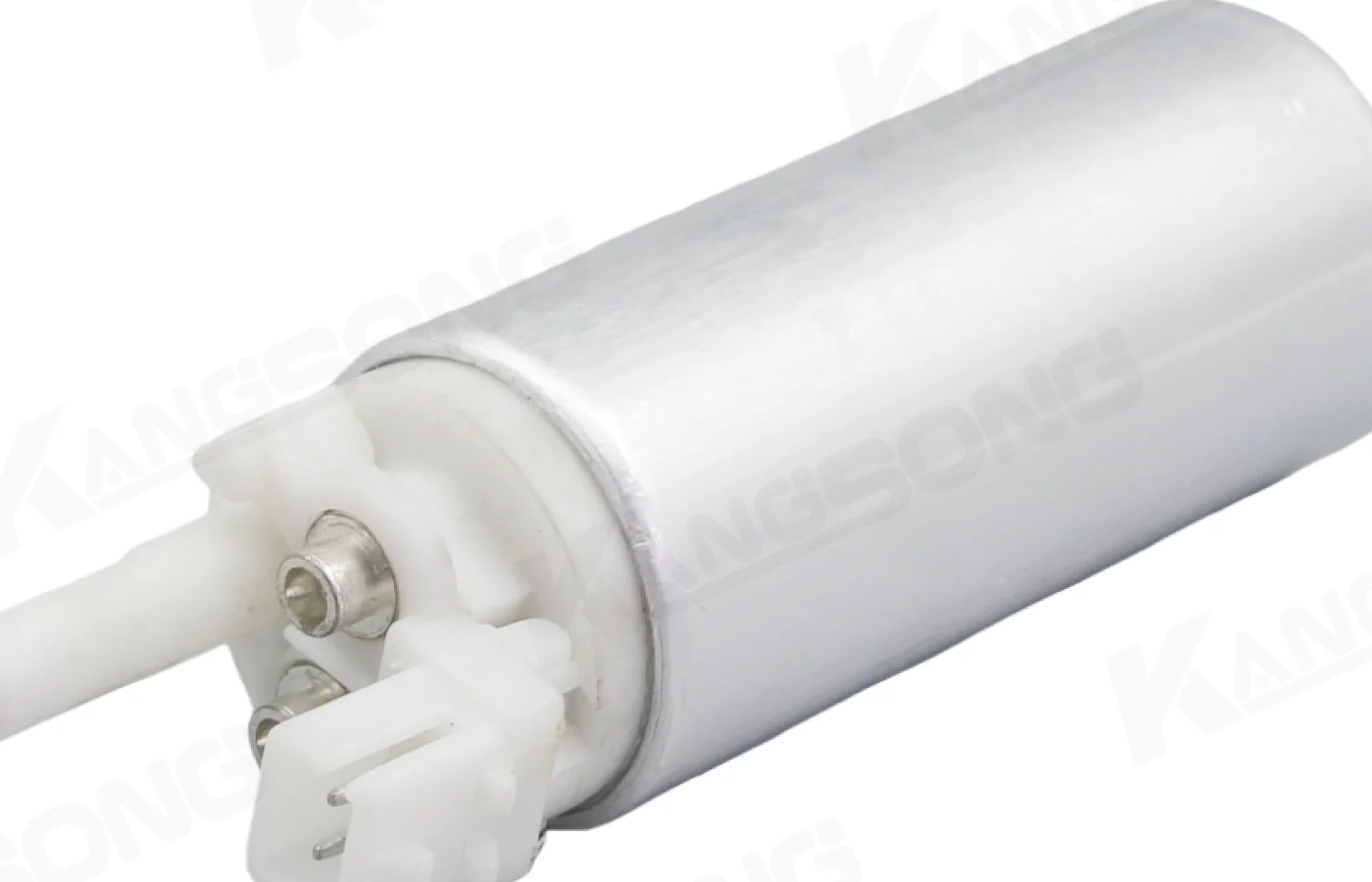
When the line item is a separate adjustable regulator
A separate adjustable regulator is its own part on the electric-pump feed, and the range has to be the one printed on that regulator.
Shops add one when an electric fuel pump feeds a return-style rail and the stock bypass cannot be set where the engine sheet asks. The adjustable unit still has its own ports and its own return. It does not borrow a setpoint from the pump’s flow print.
Brand catalogs on the search page show a body, a screw or a knob, and a return fitting. That is a clue about the shape. Copying another company’s pressure window onto a Kangsong pump would mix two sheets.
The quote for this line should name three things in words: inlet from the pump, outlet toward the rail or carburetor, and the return path if the unit is a bypass. If the note says returnless and also asks for a rail return regulator, the two requests disagree.
Fuel left over still has to reach the tank on a bypass unit. If the quote has no return port and no statement that the system is returnless, the line is incomplete.
Which pressure figure has to be printed
Quote the regulator’s printed pressure, not the pump flow band and not the air-pressure label on a kit page.
AA1Car says an electric fuel pump must deliver fuel under high pressure, typically 30 to 85 psi depending on the application, so the injectors can spray. That band describes pump delivery. Counters should not stamp that band onto a regulator line.
Important: The C/K kit line Maximum Air Pressure 12-26 is an air-pressure label on that pump page. Treat it as the pump page’s air figure, and keep it off the regulator quote. Source: live KS-360501 kit page.
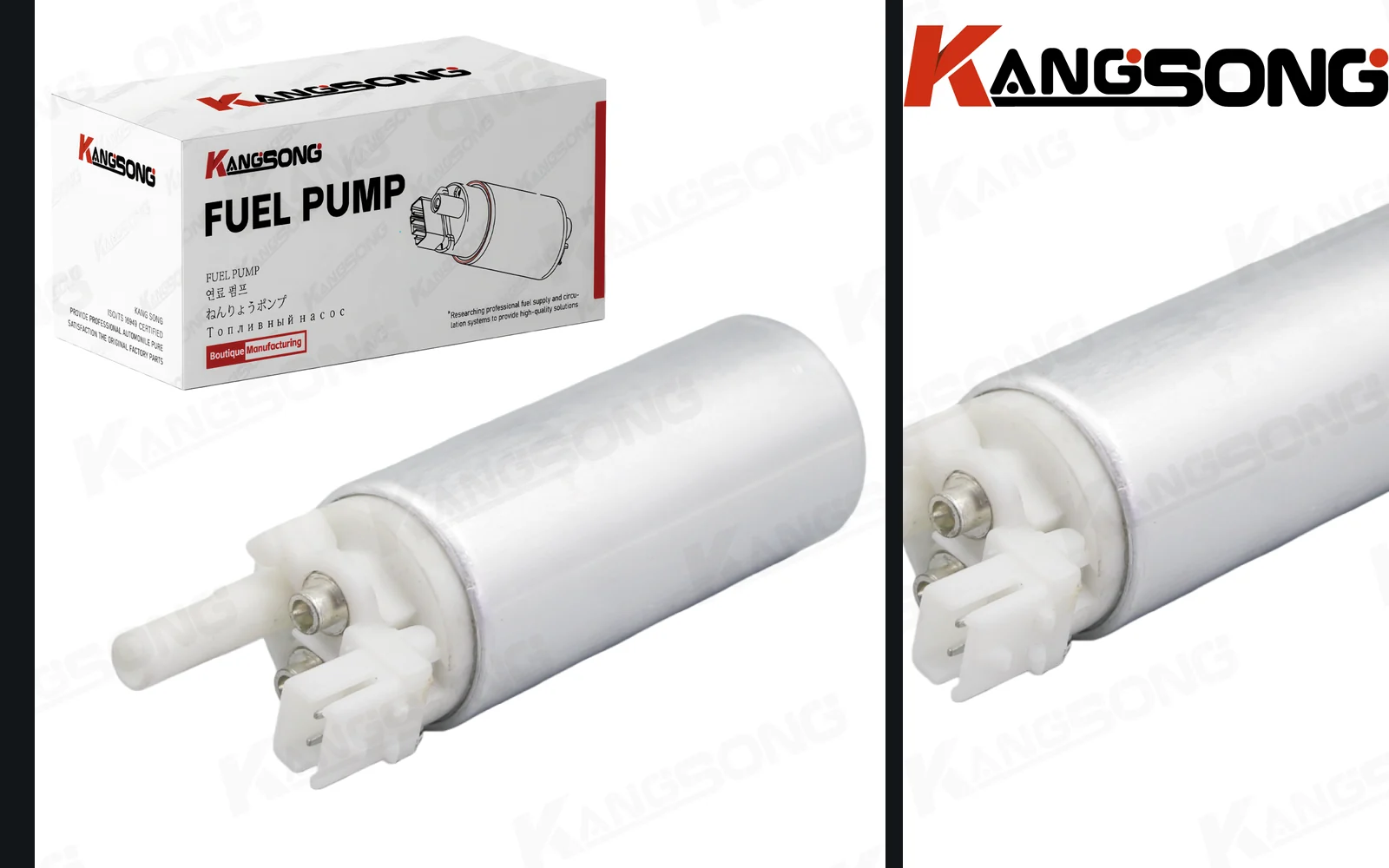
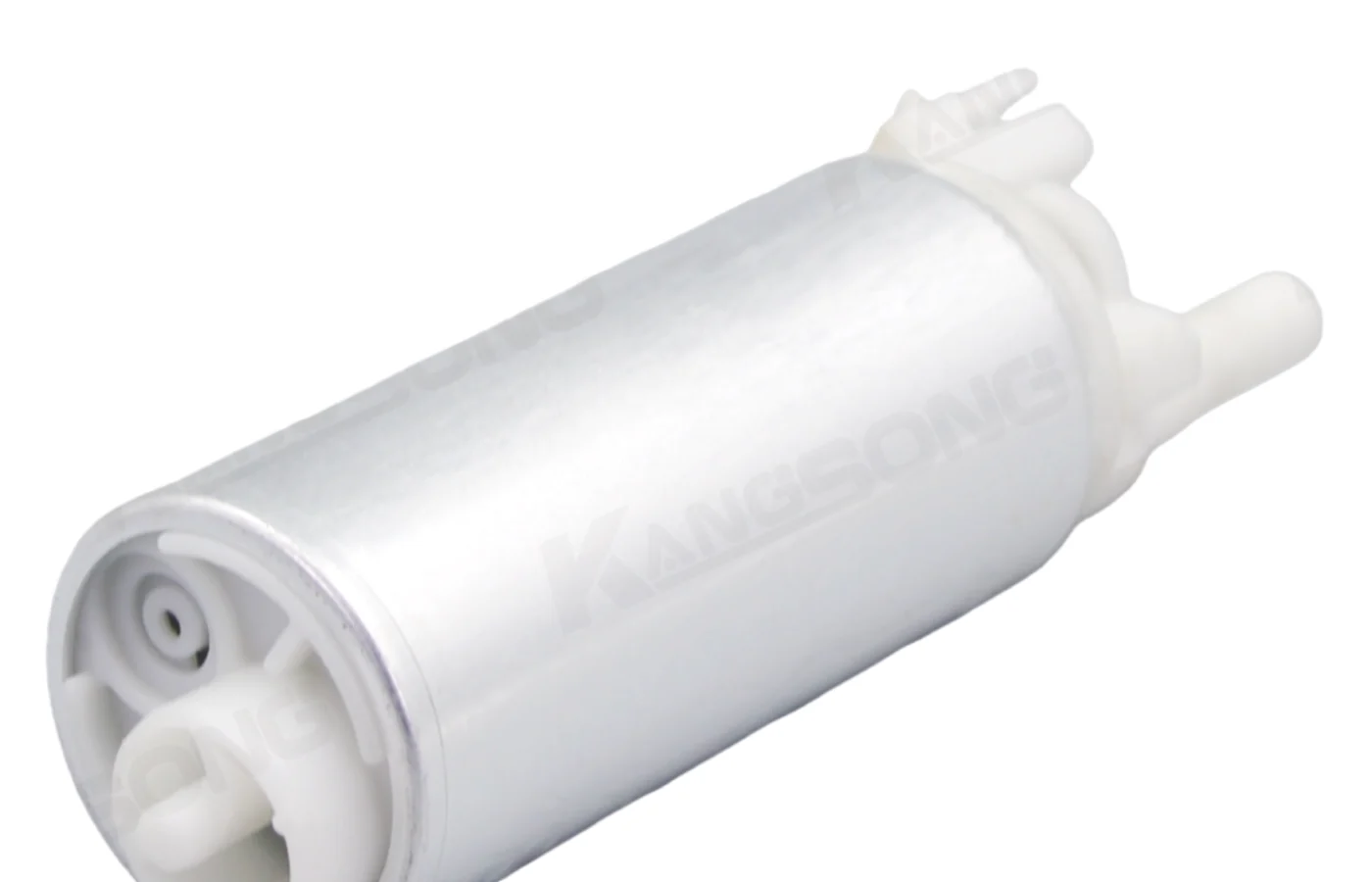
The live Kangsong electric gasoline pump with installation kit, part KS-360501, prints DC 12V, flow of 43.3-49.5 Gph, a 2Pins main connector, and 1987-1995 C/K truck fitment under OE numbers 25168719 and E3902. The page does not print the word regulator.
That same page prints Maximum Air Pressure 12-26.
Whoever builds the quote writes the regulator pressure from the regulator sheet or the vehicle sheet. The pump page can sit beside it for flow, voltage, and connector count.
Those fields answer a pump question. They leave the pressure blank on the regulator line empty until the regulator sheet is quoted.
| Field printed on the C/K kit page | What it belongs to |
|---|---|
| KS-360501, DC 12V, 43.3-49.5 Gph, 2Pins | The electric fuel pump and its kit |
| Maximum Air Pressure 12-26 | Air-pressure label on that pump page |
| 1987-1995 C/K, OE 25168719, E3902, EP240, BGV00127, EP386 | Fitment and interchange for that pump |
| The word regulator | Not printed |
Flow for the pump is a different print. See fuel pump capacity. Voltage and gasoline duty for the pump sit on the gasoline electric fuel pump page.
A buyer who pastes the air-pressure label into the regulator column is mixing two prints. Send that column back. Ask which device is on the order, and ask for the pressure figure that belongs to that device.
Counter signs that point at the regulator
Hard start, fuel at the vacuum hose, or a rail reading that ignores that hose point at the regulator hardware on the vehicle.
Owners on Thirdgen report a vacuum line that smells like fuel, then fuel at the regulator port after the hose is pulled. They read that as a torn diaphragm.
A separate shop thread starts after the pump, the injectors, and the filter are already replaced and the rail is still low. The regulator is the remaining pressure device in that story.
Some rails are one casting with the regulator. On those cars the spare is the whole rail.
A regulator inside the module means the module is the line. Match the metal on the vehicle before the PO is typed.
A clogged filter or a tired pump can also leave the rail low. That is why the story matters.
If the filter and the pump were just replaced and fuel is wetting the vacuum port, the diaphragm is the clue. If the port is dry and the module is the only pressure control, the module is the line to price.
Leave gauge routines and spring kits in the shop manual. The counter still needs the device type and the printed pressure.
Which Kangsong product to open when no regulator is printed
Browse the catalog root, because no opened Kangsong product page prints a pressure regulator. The C/K kit URL is a pump, not this regulator.
Browse the Kangsong product catalog when the line item is a regulator, because no opened product page prints one. The 1987-1995 C/K installation-kit pump is a pump and kit, so it is the wrong line when the purchase order is the regulator.
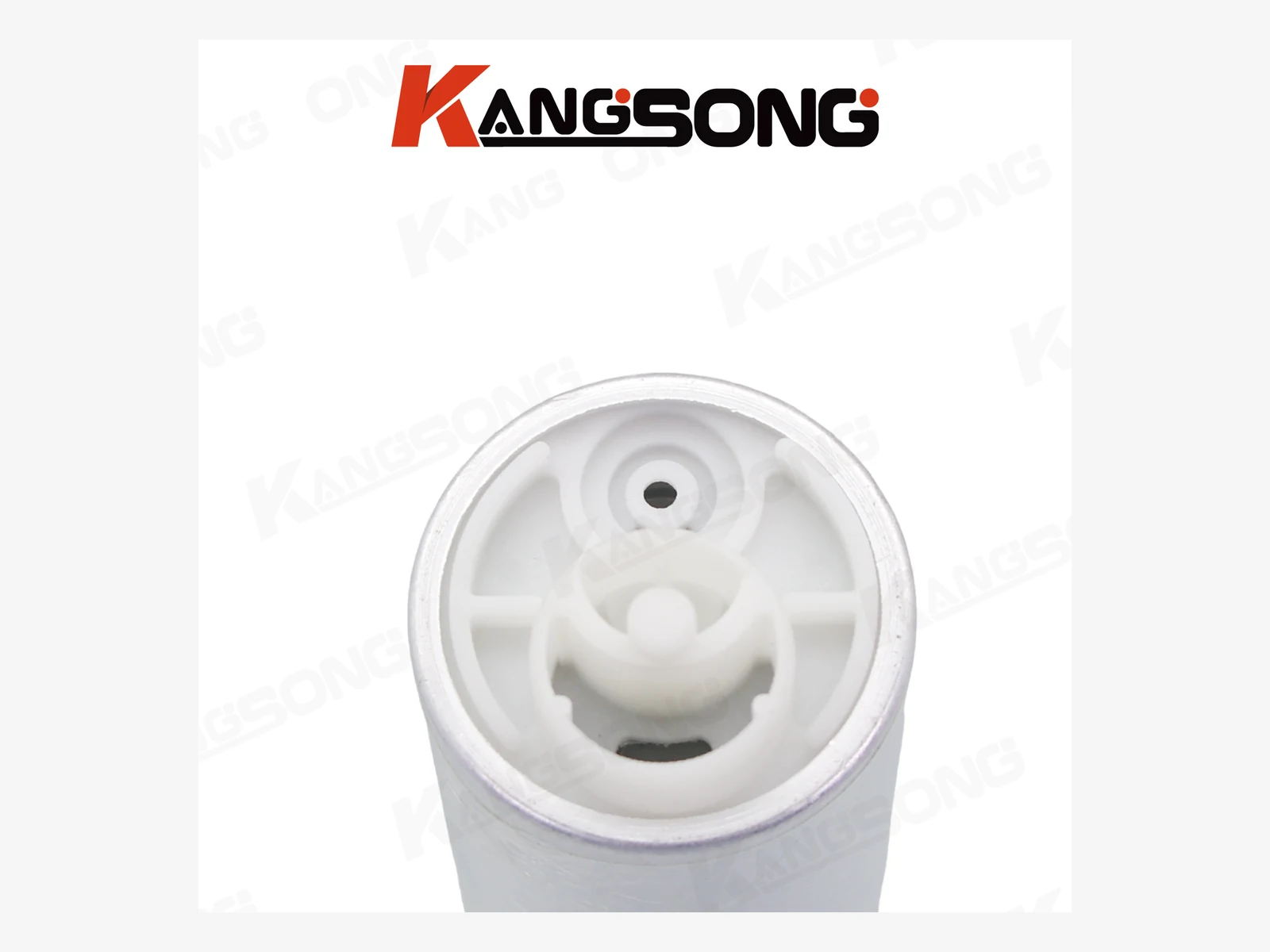
Use the catalog when the customer still needs a pump, an assembly, or a high-pressure pump and the regulator itself is not on any opened product page. Open the C/K kit page only when the truck and the OE numbers match that pump. Closing the regulator line with that kit would ship the wrong part.
That kit still matters when the purchase order really is the pump. Flow, voltage, and the connector count stay on the pump line. They stay off the regulator line.
FAQ
What does a fuel pump pressure regulator do?
It holds injector supply pressure and sends unused fuel back to the tank on a return-style system, or it sits in the tank on a returnless fuel system. The purchase order still has to say which of those devices it is.
What are symptoms of a bad fuel pressure regulator?
Hard starting, a raw-fuel smell at the vacuum hose, and a rail that stays lazy after the pump and filter are already new. Fuel appearing at the vacuum port is the diaphragm clue owners repeat.
How can I fix a fuel pressure regulator?
Replace the device the vehicle actually uses: the rail unit, the module that contains it, or the separate adjustable unit on the feed. A counter ticket stops at the replacement device.
What happens when a fuel pressure regulator valve fails?
The bypass no longer holds the pressure the system was set to, so the engine can run rich, fall flat, or struggle to restart. Find whether that valve is on the rail, in the module, or in a loose adjustable body before ordering.
Can you drive without a fuel pressure regulator?
A return-style circuit is built with the regulator in the loop, so pulling it out leaves pressure uncontrolled. Running that way leaves the supply pressure uncontrolled.
How to tell if a pressure regulator is bad?
Look for fuel at the vacuum port and for rail behavior that does not change when that hose is pulled, then match the part that is actually fitted. The printed pressure for the replacement still has to come from the regulator or the vehicle sheet.