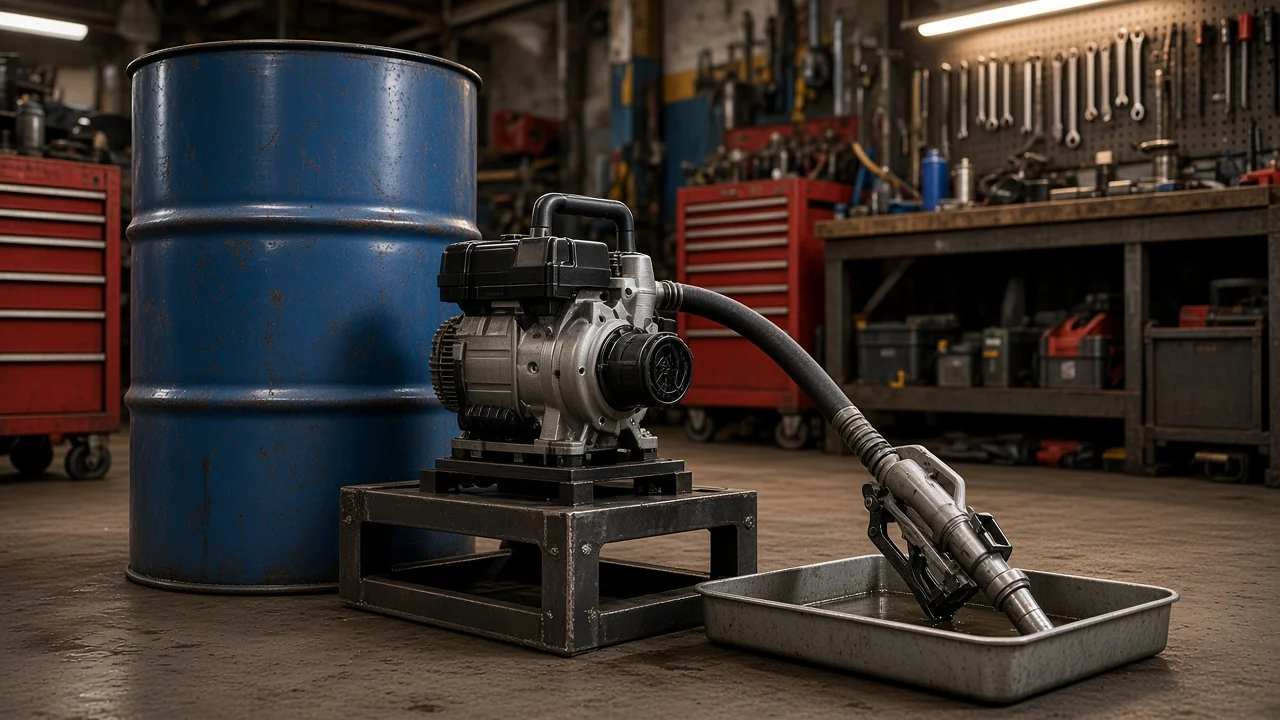
A portable diesel fuel pump moves diesel from one container into another instead of depending on gravity. A diesel transfer pump is that same job under the shorter name shops use. A portable diesel transfer pump still belongs with drums, totes, and cans, while an in-tank fuel pump assembly belongs in a vehicle tank.
Diesel fuel is distillate fuel oil for compression-ignition engines, and the same fuel runs many generator sets. The wider meaning of a diesel fuel pump is covered in what a diesel fuel pump is. This page stays on the transfer job: getting fuel from a stored container into the tank that needs it.
People reach for this tool when lifting a can has become the slow part of the day. A service truck, a farm shed, or a generator pad all create the same scene. Fuel sits in one vessel, and the machine tank sits lower, farther, or simply too awkward to pour.
What a portable diesel fuel pump is built to move
It is built to move diesel from one container into another. The useful picture is a drum or can, a hose, and a second tank that needs filling. Gravity can do that only when the source sits high enough and the path stays open.
A transfer setup has an inlet in the source, a pump body, and an outlet you can aim. The nozzle is the part in your hand at the outlet. Stop the flow there, and the rest of the hose should stop delivering fuel.
That job is different from feeding injectors on a running engine. Engine-side diesel pump families are a separate topic in diesel fuel pump types. That page is not a menu of transfer kits, and this page does not repeat its family breakdown.
Buy the tool for the move you actually make. A short pour from a can is a different setup from emptying a drum into several machines. The label on the unit has to name diesel, or you are holding the wrong tool even if the shape looks familiar.
How a transfer kit differs from an in-tank assembly
A transfer kit is hose-and-nozzle hardware you carry to the fuel. An in-tank fuel pump assembly sits inside a vehicle tank and feeds that vehicle. Ordering one because the title contains “diesel” and “pump” solves a different problem.
| Object | What it moves | Where it lives |
|---|---|---|
| Portable diesel transfer pump | Diesel between containers | Beside a drum, tote, or can |
| In-tank fuel pump assembly | Fuel toward the engine | Inside a vehicle tank |
| Hand or stick transfer tool | Small batches of the labeled fluid | In a hand, or clipped to a can |
The live catalog search found no portable transfer listing. Titles that did appear were vehicle assemblies and other engine hardware.
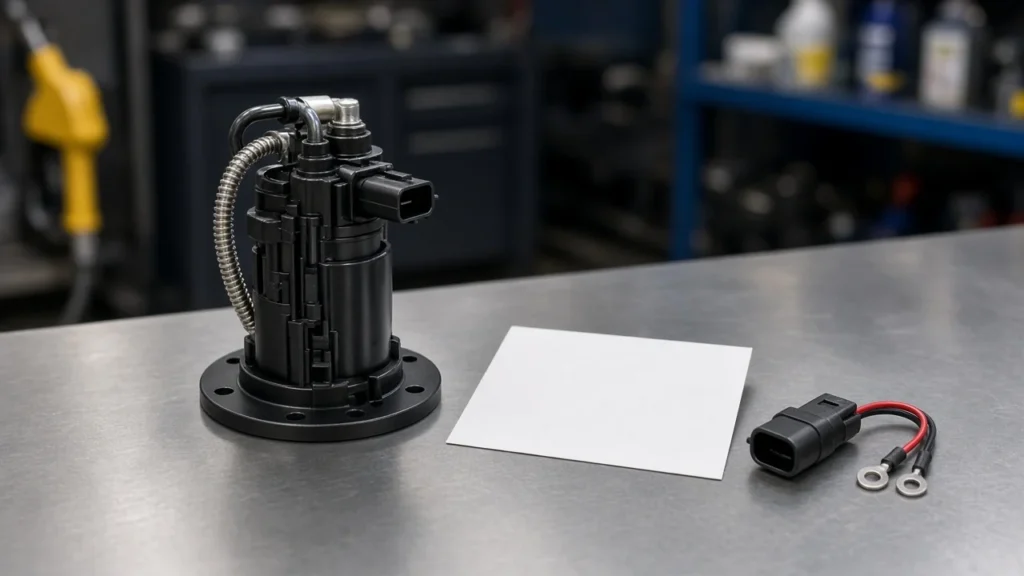
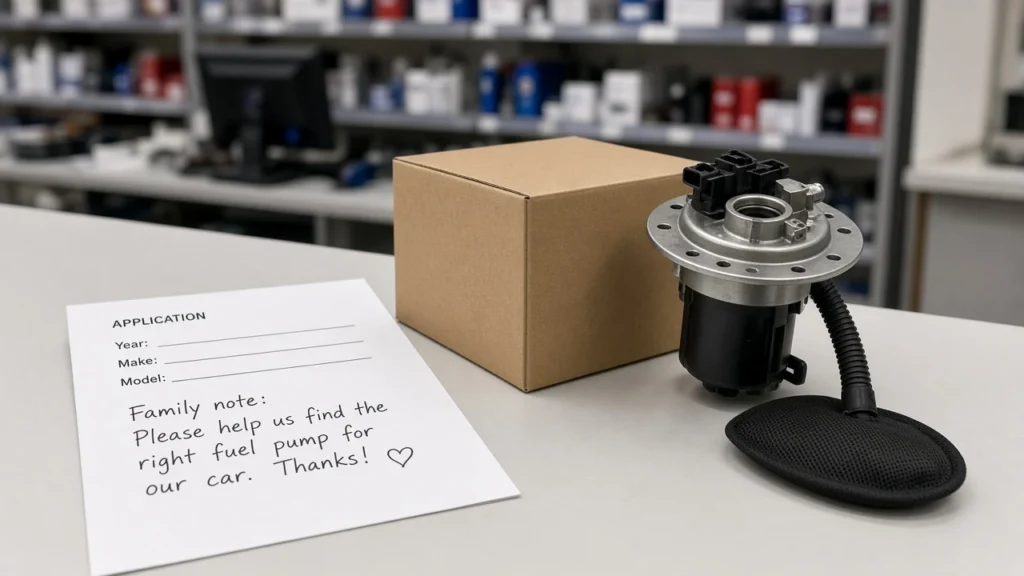
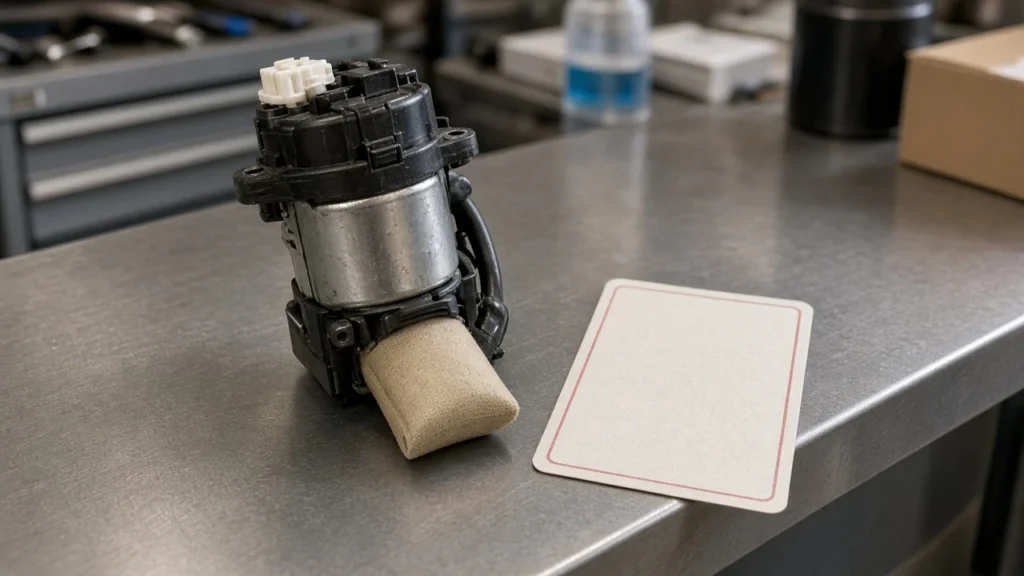
The Freelander listing is a vehicle fuel-pump assembly. Its photo is shown later only so the shape is recognizable, and so it is not mistaken for a drum kit.
A vehicle assembly can be the right part when the job is a stated vehicle application. It has no hose you trail to a drum, and it is not a substitute when the job is filling equipment from stored diesel.
Read the product title for the vehicle it names. If the title names a vehicle, you are looking at vehicle hardware.
Hand pumps, stick pumps, and powered kits do different work
Hand, stick, and larger powered kits trade carrying ease for setup time. A hand pump needs no battery and no cord.
It is slow, and it is honest about that. People still choose it when the pour is small and power is awkward.
A stick pump is the slim tool that drops into a can. Forum users who live with these tools say good ones are hard to find for fuel.
One Garage Journal thread puts it plainly: comments they have seen say some battery sticks die when the fluid is anything but water. The same posts say larger transfer pumps take more setup and feel bulky, so they stay in the truck.
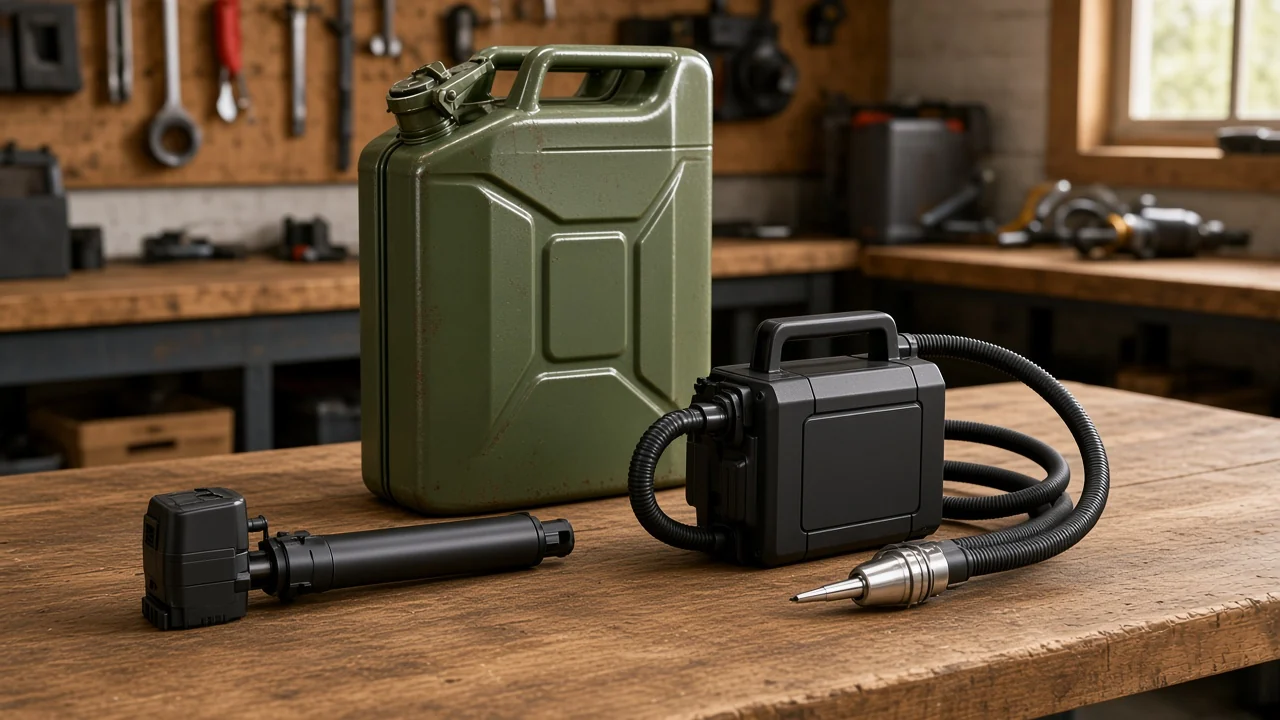
A powered kit is the box with a hose and a nozzle that you set next to the drum. It suits repeated fills.
It also asks for a clear place to stand, a way to bond or ground the setup if your site rules require it, and a rest period if the maker limits how long the motor may run. That limit is printed for that unit. It is not a number this catalog can assign, because no portable kit is listed here.
Maker pages for particular battery kits describe their own vane pumps, their own hoses, and their own run times. Those details stay on those pages. Copying one brand’s hose size or duty time onto a different pump is how buyers get a confident and wrong order.
Match the setup to how often you pour and how far the fuel has to travel. A stick pump that lives in a glove box is a poor answer for a drum that several machines share. A large kit is a poor answer if nobody will unpack it.
What the fluid label must say before the pump is trusted
Trust the fluid named on the unit, not the color of the can. Green, red, or yellow plastic does not identify diesel. The words on the pump, the hose, and the nozzle do.
A second Garage Journal thread says most of the electric transfer pumps people were discussing were labeled for diesel or kerosene rather than gasoline. The writers’ worry was a spark around gasoline.
Take the practical lesson without borrowing their brands: a gasoline label and a diesel label are different tools. A unit sold for water is a third tool.
Important: Air pressure is the wrong way to empty a container or a portable tank. Inside a storage room, dispensing belongs to an approved pump or a self-closing faucet. Source: OSHA 1910.106.
That workplace rule does not set a flow rating for a field kit.
Sulfur rules for transportation diesel do not rate the hardware that moves fuel between containers. Fuel-quality programs and a transfer pump answer different questions. A clean sulfur spec on the fuel invoice does not tell you the pump’s fluid list.
| Question before you buy | Where the answer has to come from |
|—|—|—|
| Which fluid is allowed? | The label on that exact unit |
| How long may it run? | The maker’s note for that unit |
| Will it lift from this drum? | The inlet limits for that unit, checked on site |
| Is a portable kit listed here? | The category page, which currently shows none |
If the label is silent, stop. A silent label is not a hint that diesel is fine. Ask the seller of that unit, or pick a unit whose label you can read.
Hoses and seals follow the same rule. A hose sold for coolant, water, or a shop vacuum can look tough and still be wrong for diesel. The hose should be marked for the fuel you move.
This page cannot name a diameter, because no portable kit here publishes one.
Why suction leaks and bulky kits waste a transfer job
An air leak on the inlet, or a kit too bulky to set up, stops the job. Users ask whether a small pump can pick diesel up from a can on the floor and push it into a higher tank. That question is about the inlet and the height, not about a brand ranking.
The suction line is the hose that must stay airtight. A loose clamp, a cracked barb, or a bung fitting that does not match the tank lets the pump suck air. The motor can sound busy while almost no fuel moves.
Tighten and wet-test the inlet before you blame the motor.
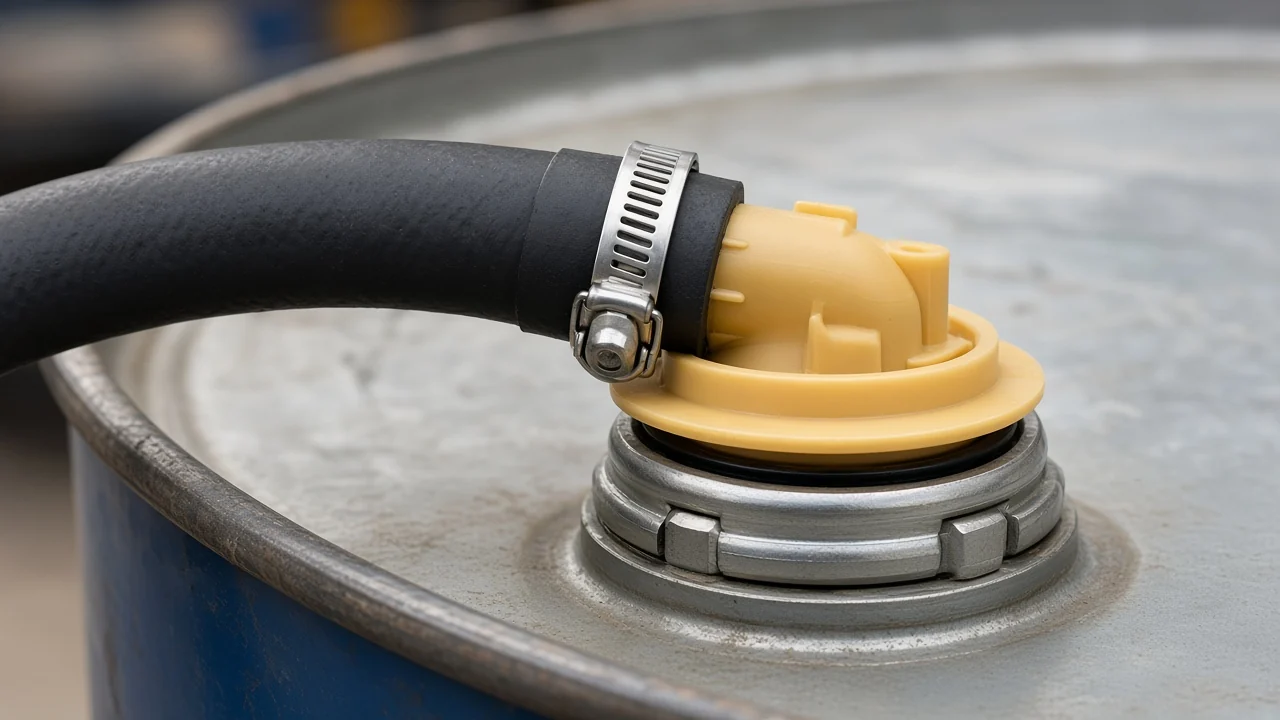
Bulk is the other quiet failure. A kit with reels, meters, and long hoses can be the right machine for a yard that fills equipment all day. It is the wrong machine if the real task is one can at the end of a job and nobody will drag the kit out.
The thread’s complaint is practical: more setup means the tool stays packed.
Strainers and nozzles matter for the same reason. A clogged inlet screen looks like a weak pump. A nozzle that will not shut looks like a leak in the hose.
Check the simple parts before you replace the motor.
No measured lift, measured flow, or clamp promise belongs in this page. Those facts live on the unit you are holding and on the tank you are opening. If the bung thread does not match the pump you already own, you need the fitting the tank uses, not a guess from a photo.
How to choose a catalog path when no portable transfer pump is listed
Open the category root when you need the live list, because no portable transfer SKU is published. Open the diesel product category and read the titles. What you will find today is vehicle and engine hardware, not a drum kit with a hose and a nozzle.
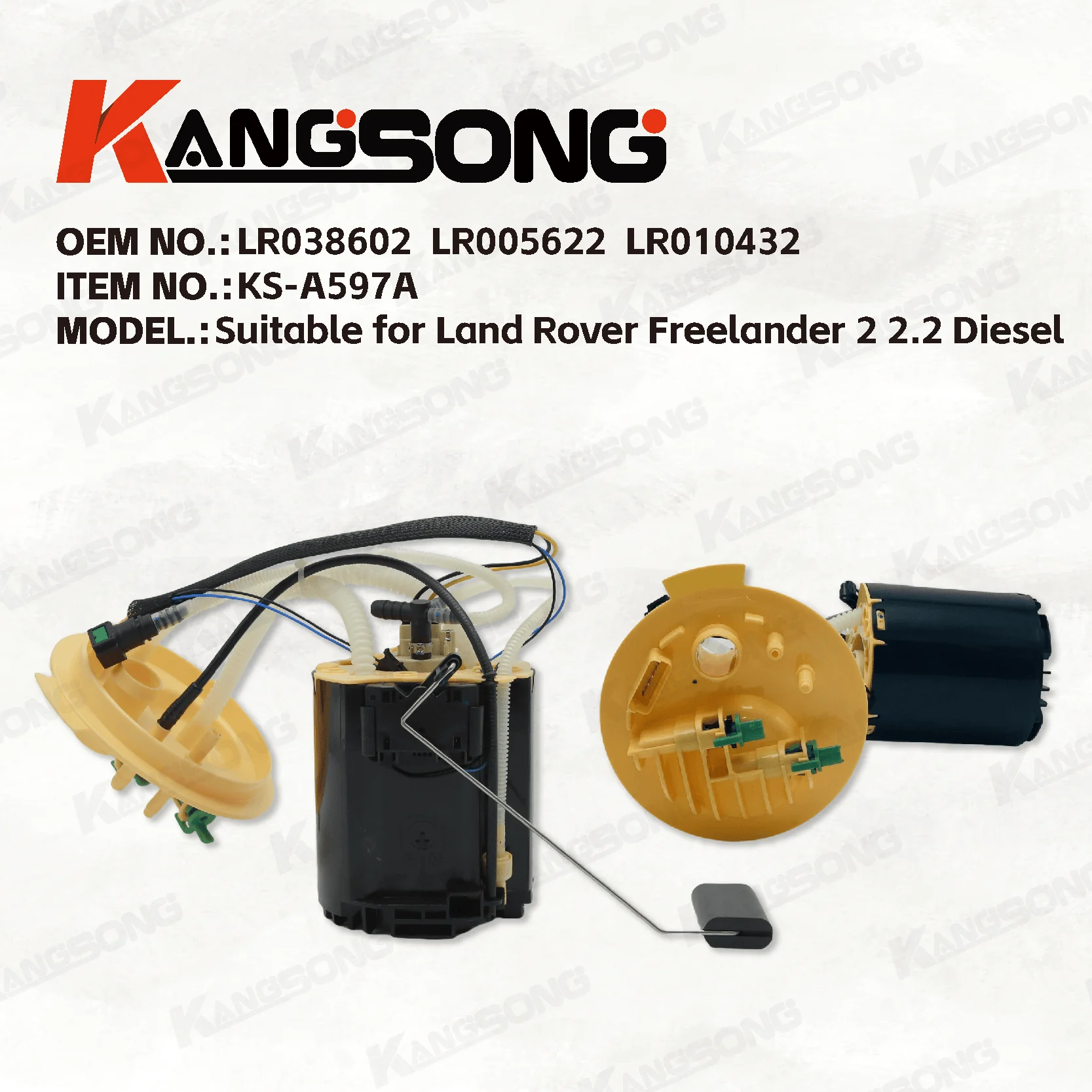
Look at the photo before you treat it as the tool in the query. This photo is the Freelander diesel fuel-pump assembly, not a portable transfer pump. It is shown so the catalog context is visible.
That vehicle application is what the assembly title names. It does not trail a hose to a drum, and it should not be ordered when the job is portable transfer.
Gasoline vehicle pump kits in the same catalog are a separate mistake. A gasoline title is not a diesel transfer fitment. Leave those listings for the gasoline applications they name.
If a later listing truly describes a portable diesel transfer kit, the title should say so in plain language: transfer, drum, tote, or can, with the fluid named. Until a title does that, the honest path is the category page plus a direct question that names the container, the fluid, and the fact that you need transfer hardware. Do not send a vehicle name and expect a drum pump in return.
Stick pumps draw complaints when people use them on fuel, and larger kits often stay packed because setup takes time. Keep that field experience in mind while you shop elsewhere for the transfer tool. Then use this catalog only for the vehicle assemblies it actually sells.
FAQs
What is the best transfer pump for diesel fuel?
There is no single best unit. The better purchase is the one whose label names diesel, whose size matches how often you pour, and whose inlet fittings match the tank you already have.
Is there a 120 volt diesel fuel pump available?
Other sellers list mains-powered diesel transfer pumps. This catalog does not. A vehicle fuel-pump assembly is not the mains-powered transfer tool that question is looking for.
Does green mean diesel?
No. Can color is a paint choice. Read the words on the pump and the hose.
How do you pump diesel out of a tank?
Use a transfer setup whose label allows diesel, with an airtight inlet and a nozzle you can shut. Do not empty the tank by pressurizing it with air.
Will a battery stick pump keep working on diesel?
Some people use them for fuel, and some report that sticks sold around water fail on other fluids or fall apart at the connections. Treat a stick pump as a small-batch tool only when its own label names diesel.
Can a gasoline-labeled pump move diesel?
Not on the strength of a guess. Users discussing electric transfer pumps said the common labels were diesel or kerosene, not gasoline, because gasoline brings a different fire risk. Buy the label that names the fluid you move.