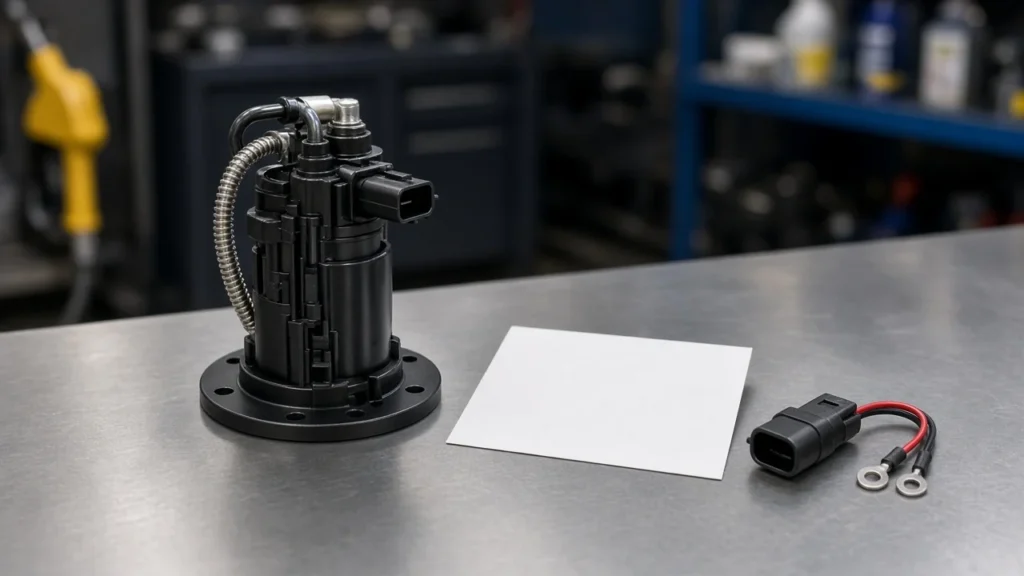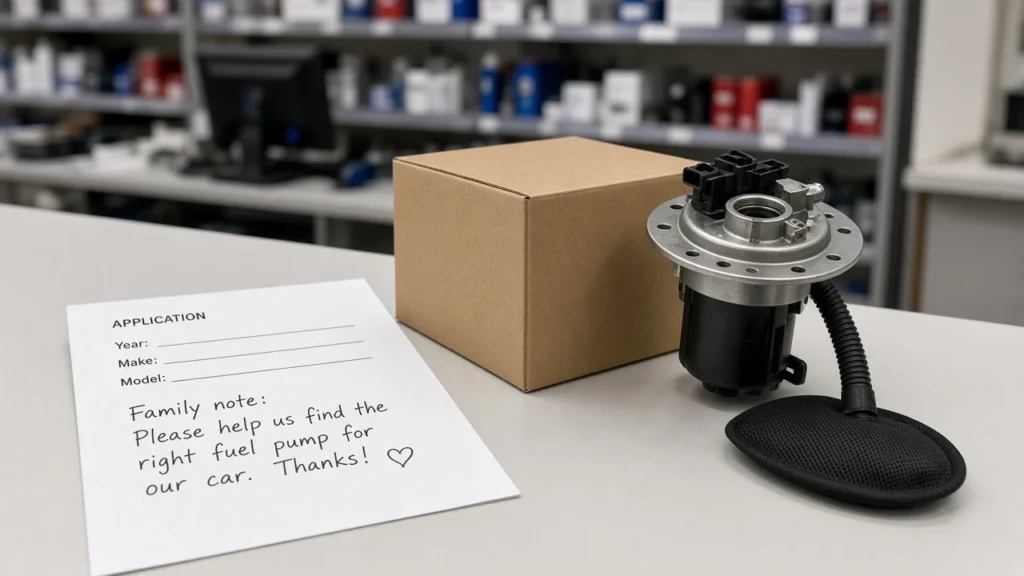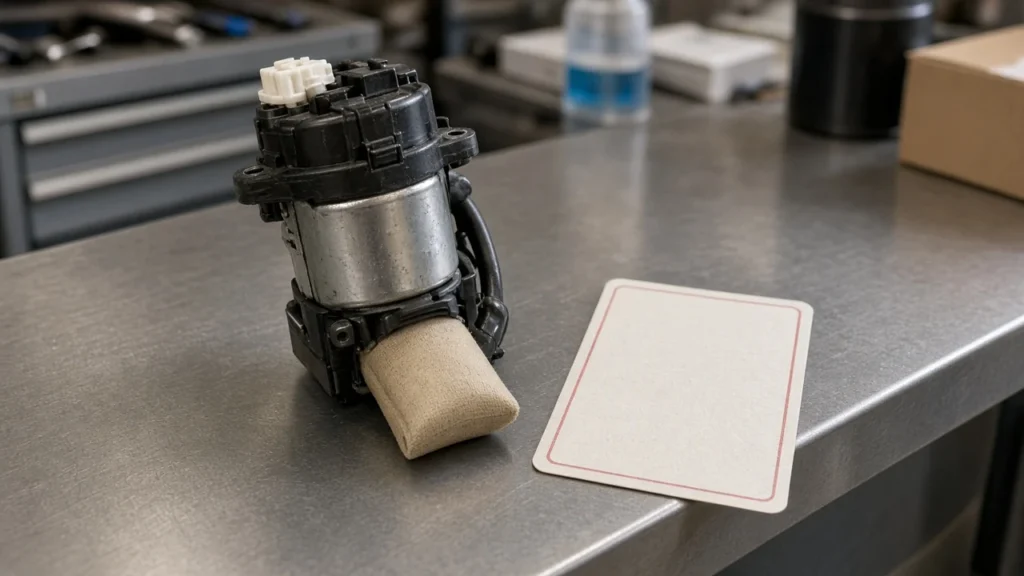
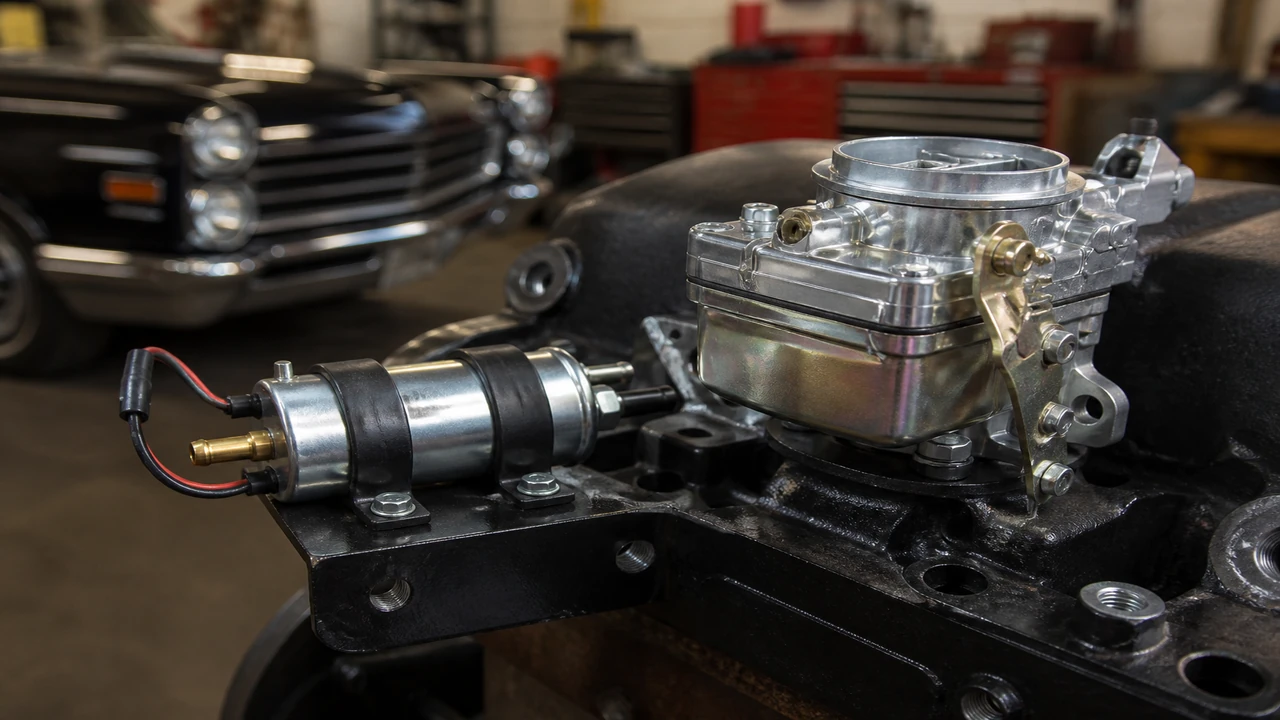
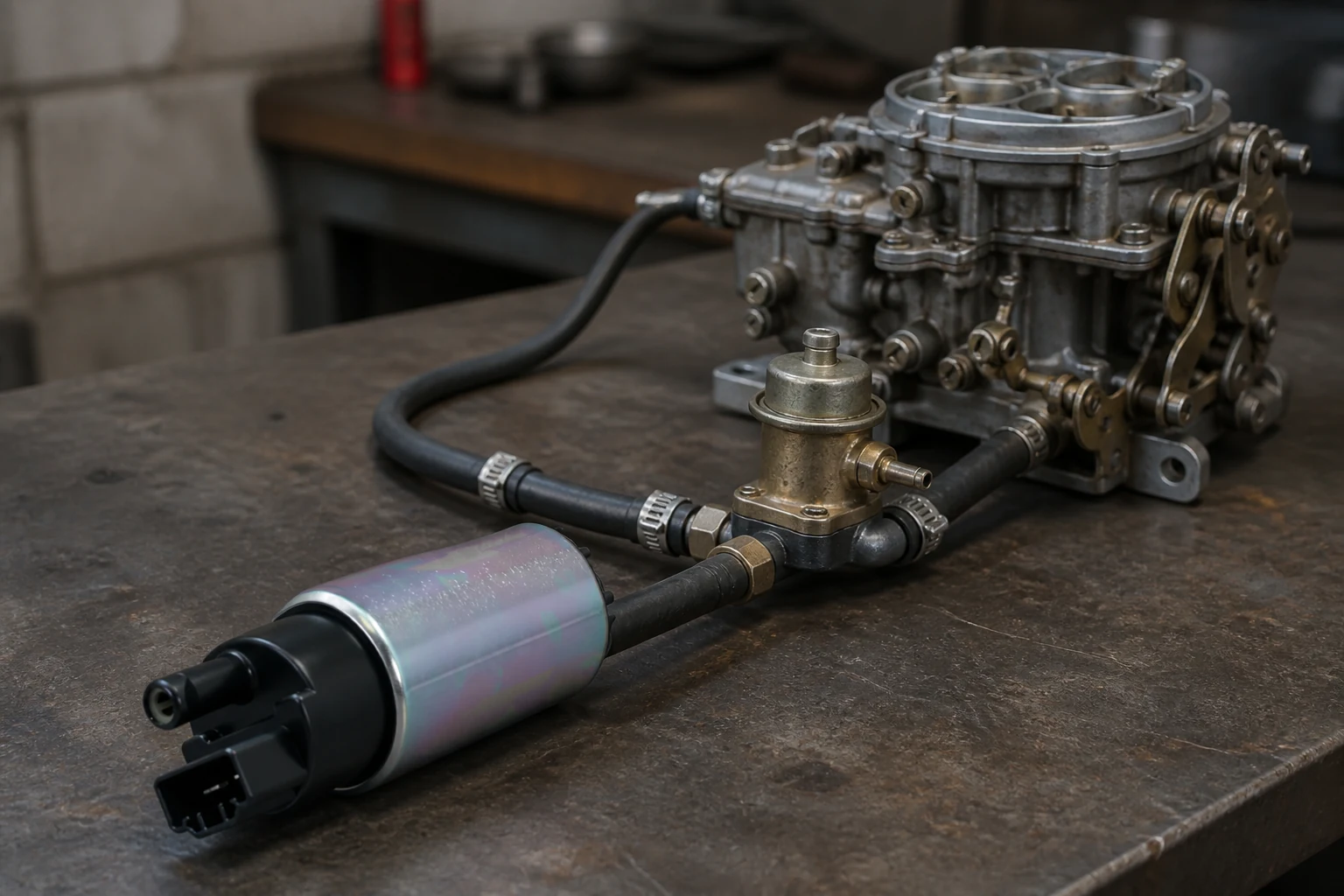
A request for a “low-pressure electric fuel pump for carburetor” needs more than a familiar phrase before it can be compared or quoted. The buyer should first document the actual system, the requested component role, the interfaces that matter, and the approval evidence required. Do not turn the wording into an assumed rating, installation method, or fitment decision.
Define the system request before asking for a pump
The useful question is not “which pump is low pressure?” It is “what does the buyer’s controlled system documentation require, and what evidence must a supplier address?” Preserve the original application record and make unknowns explicit.
| Request field | Buyer should supply | Why it belongs in the request |
|---|---|---|
| System record | The documented equipment or vehicle context | Keeps the inquiry tied to the actual system |
| Requested component role | What the buyer needs the component to do | Prevents a label from becoming a guessed equivalent |
| Electrical and interface evidence | Buyer-controlled drawings, photos, or connection records | Gives the reviewer a stated basis |
| Original identity | Part number, markings, or approved cross-reference when available | Separates identity from a generic search phrase |
| Approval requirement | Required document, test basis, or validation process | Makes quotation evidence comparable |
Build an RFQ that shows what is known and unknown
Send suppliers a shared evidence packet:
- The buyer-controlled system or application record.
- The requested component role as documented by the buyer.
- Original part identity, markings, or approved reference where available.
- Electrical and physical-interface evidence the buyer can provide.
- The documents or validation basis required for approval.
- Quantity, delivery, packaging, and commercial terms as separate fields.
Ask the supplier to state what identifier and scope they are addressing, what is included, and which item still needs confirmation. If the evidence is incomplete, label it as pending; do not fill it with a generic pressure, flow, voltage, or fitment claim.
Do not treat a category name as a proven application
“Carburetor” describes the buyer’s context, not a confirmed product match. Likewise, “low pressure” does not prove a system requirement unless the buyer’s controlling documentation supplies the relevant condition and approval basis.
For a related guide on separating a pump-side request from other fuel-system components, see the fuel lift pump buyer guide. It is a separate evidence-control topic and does not establish a carburetor application.
Start a Product Discussion Only After the System Is Defined
After the buyer has assembled the evidence package, use the Kangsong products overview to begin a product-family discussion.
This route is not a low-pressure-pump recommendation, a carburetor compatibility statement, a performance promise, or a fitment guarantee. The documented system evidence must be reviewed before a product path is treated as relevant.
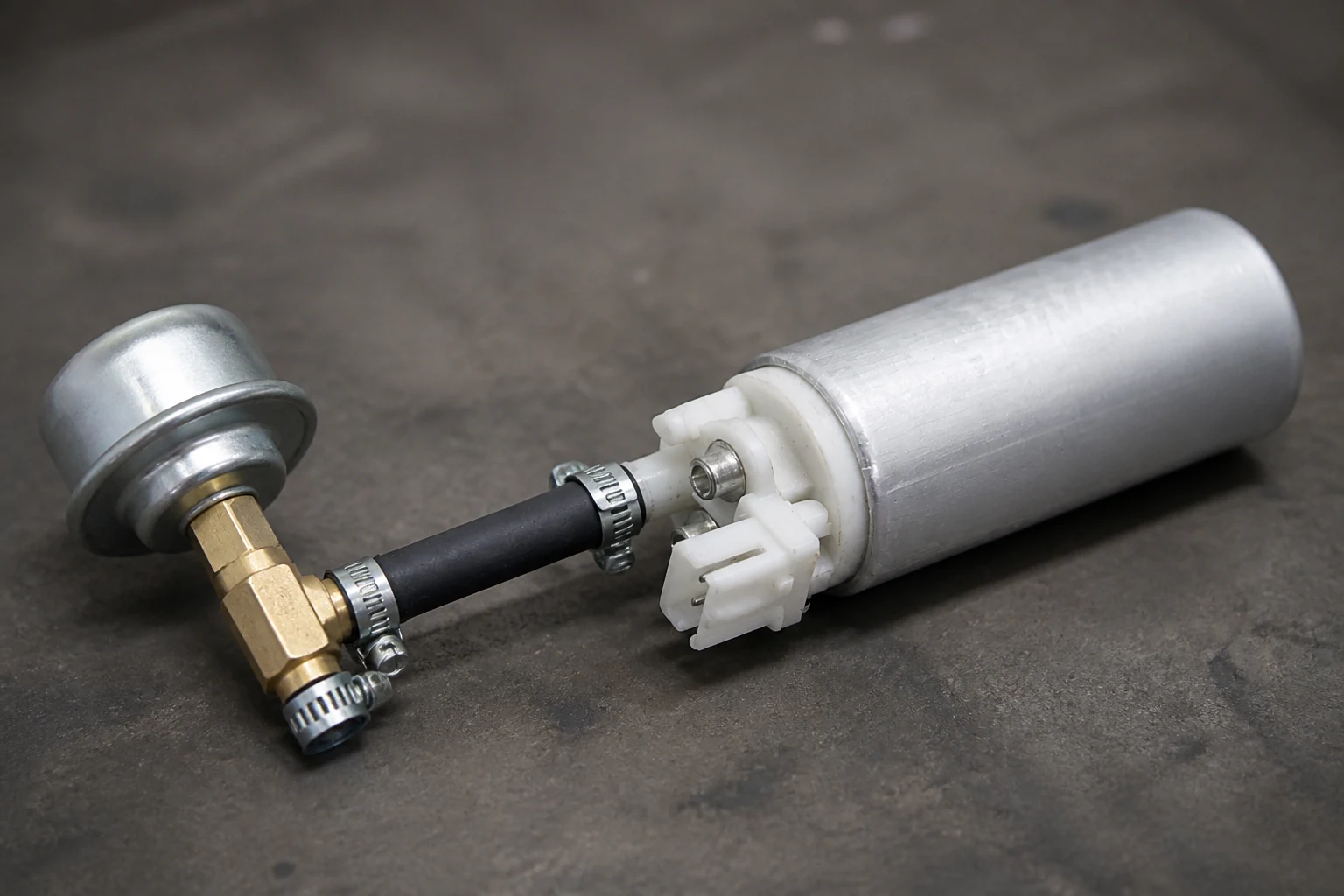
A concise supplier request
“Please quote only against the attached system record and component evidence. State the identity and supply scope you are addressing, the evidence behind any stated application or interface claim, and every field that remains pending. Do not infer a carburetor-system match from the request wording alone.”
References
- Kangsong products overview — product-family navigation only; it does not establish a carburetor application or pump specification.
- Kangsong WordPress media record 4030 — provenance record for the illustrative opening image.