Fuel injector flow matching means comparing injectors under defined test conditions and selecting a set that meets an agreed delivery requirement. A statement such as “matched set” is incomplete unless the report identifies the fluid, pressure difference, voltage, pulse conditions, measurement method, and acceptance rule. Similar static flow does not guarantee similar short-pulse behavior. For distributors and engine builders, the useful result is a traceable report for the actual supplied injectors, with a clear distinction between steady-flow comparison, pulsed delivery, leakage, and electrical compatibility.
What matching can establish
An engine depends on predictable fuel delivery to each cylinder. A controlled comparison can reveal differences among injectors that share a nominal part number. It can also show whether a supplied set meets the conditions agreed with the buyer. That is stronger evidence than matching exterior color, resistance alone, or the number printed on a box.
However, a matched group is not automatically the correct group for an engine. Several injectors may be close to one another while all being unsuitable for the application. Evaluate the absolute requirement as well as the spread. Connector fit, seal positions, driver compatibility, fuel compatibility, and the calibration data remain separate acceptance items.
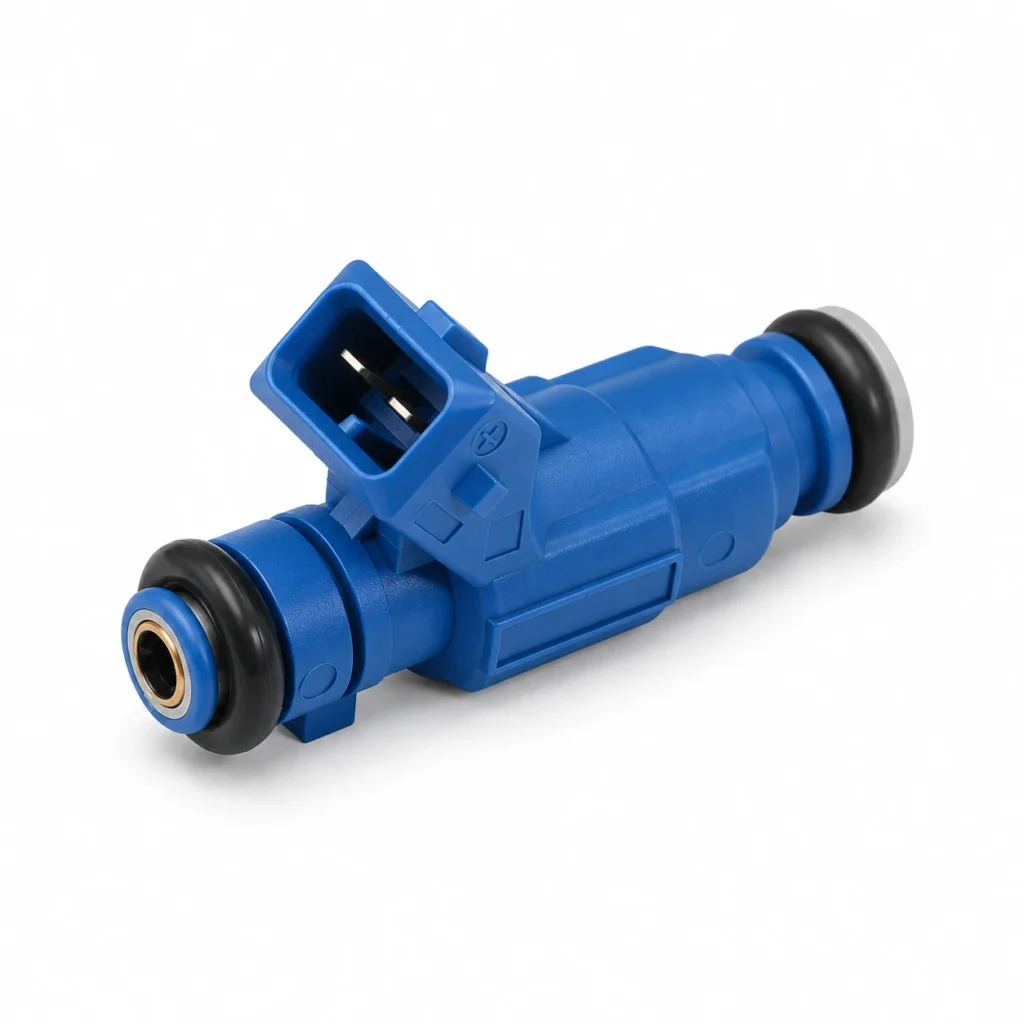
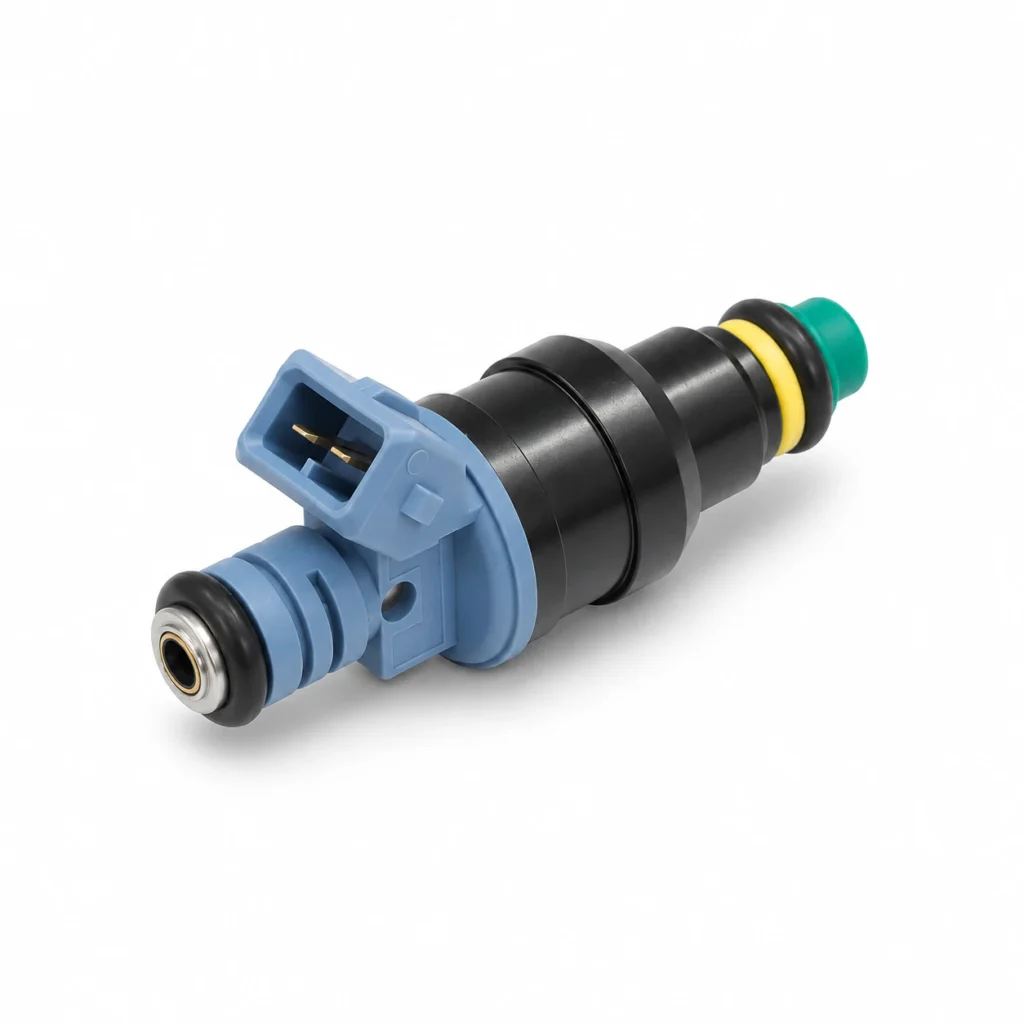
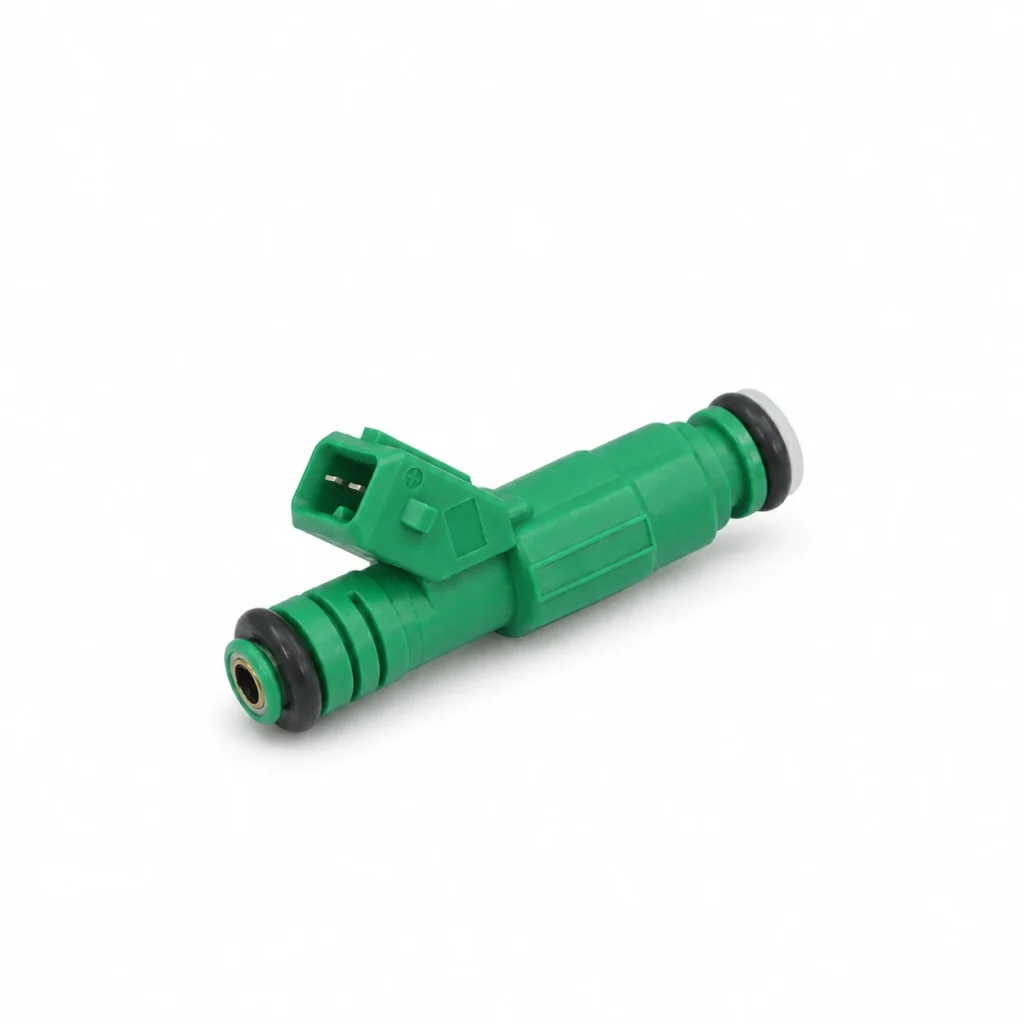
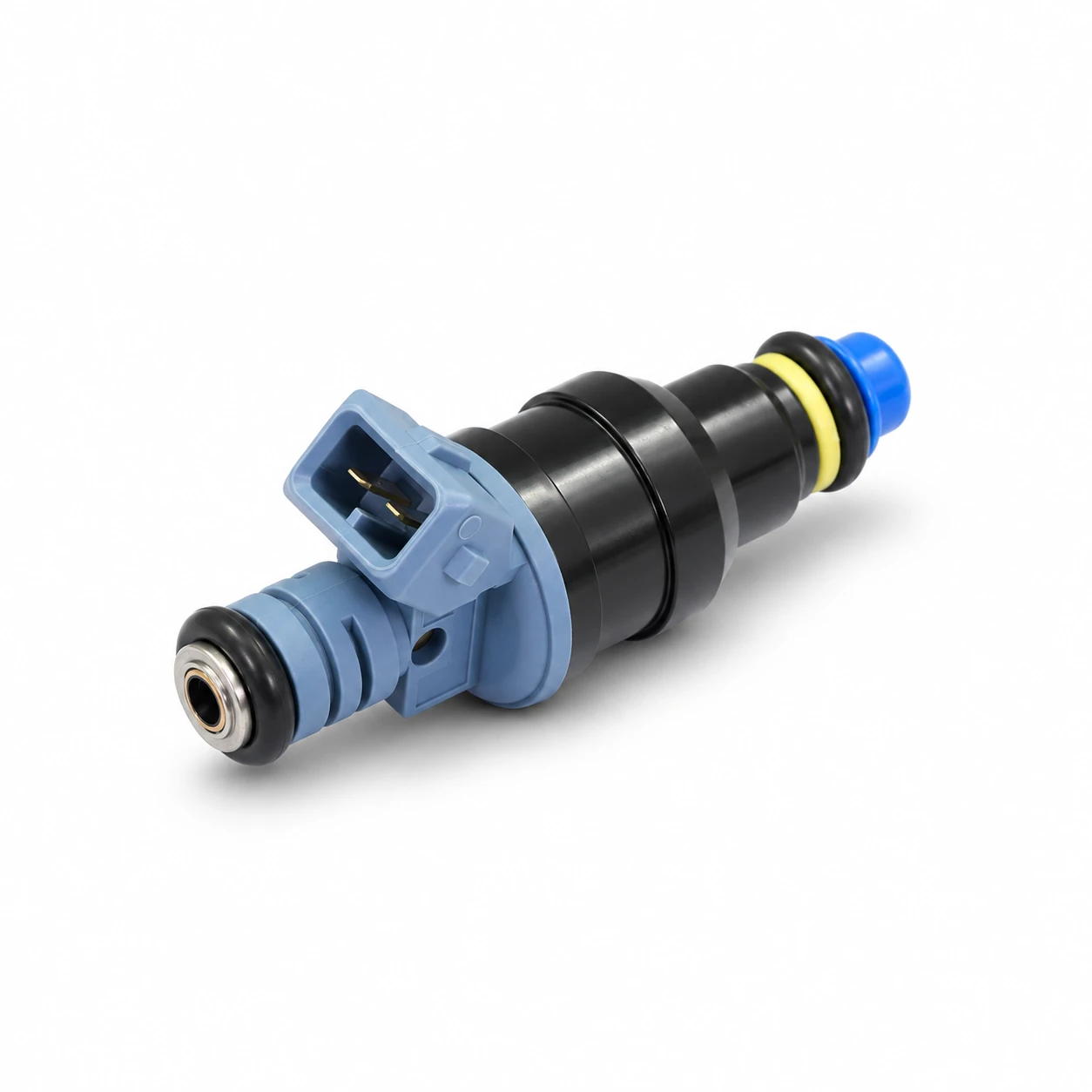
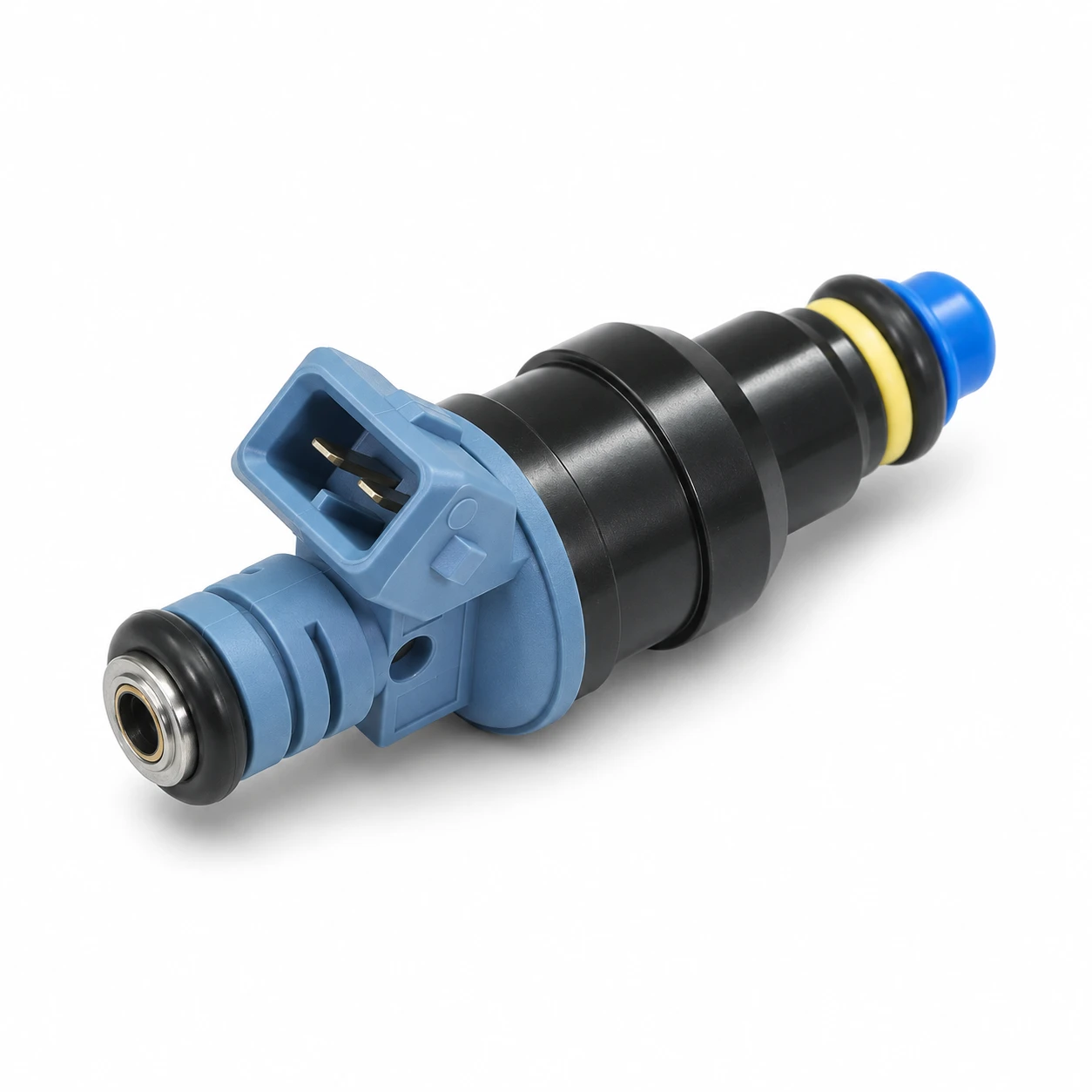
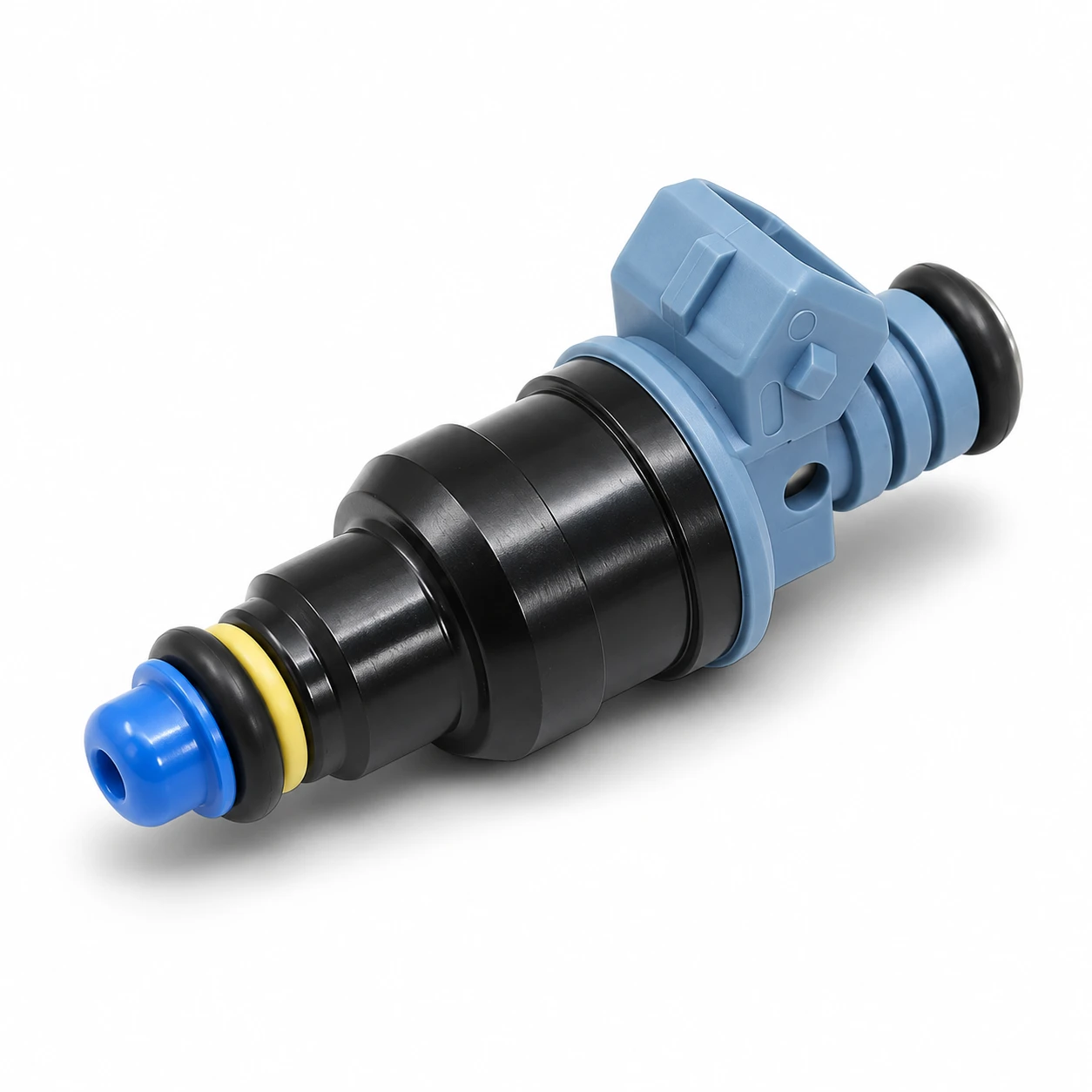
The website’s 35310-22010 / KS-P0303 injector listing provides the real product reference for the images in this article. The photographs support inspection of external configuration. They do not establish that these injectors have passed a particular matching tolerance or supply a flow specification for them.
Static flow and dynamic delivery answer different questions
A static test measures delivery during an established open condition under a defined procedure. It can be useful for comparing steady flow capacity. The test still needs a stated duration, pressure differential, fluid, temperature condition, and measurement method. Without those details, two reported volume figures may not be comparable.
A dynamic test measures delivery while the injector is pulsed. The pulse width, frequency, number of events, voltage, and driver behavior affect the interpretation. A set with similar steady flow can show a different pattern at shorter pulses because the opening and closing portions represent more of each event.
Do not call one test universally superior. They reveal different aspects of the component. The test plan should cover the intended application and the buyer’s acceptance needs. A production replacement program, a controlled engine test, and an aftermarket calibration project can require different evidence packages.
The GMOD engine assembly manual contains a defined injector flow-check procedure for its particular engine-test assembly. The archived Sequence VH method draft at ASTM TMC describes injector evaluation for another controlled test. These are examples of documented conditions, not universal tolerances or instructions for an improvised fuel bench.
Read the conditions before comparing the results
Pressure must be defined across the injector. For port injection, rail pressure relative to atmosphere and differential pressure across the nozzle are not always interchangeable. The discharge condition must be known. A comparison using a different pressure reference can make an apparent discrepancy look like a component defect when the conditions simply differ.
The fluid and its temperature also belong on the report. A test fluid is not automatically identical to the vehicle fuel in density or other behavior. A mass measurement and a volume measurement cannot be exchanged without the relevant fluid information. Retain original measured values alongside any documented conversion.
Electrical conditions matter particularly for pulsed delivery. Identify the voltage at the injector, the driver arrangement, and the pulse definition. If one laboratory includes compensation in a stated pulse value while another reports the raw electrical command, the labels may conceal a mismatch. Ask the laboratories to resolve definitions before comparing their percentages.
Ask for a report that identifies every injector
| Report item | Minimum useful detail | Question it answers |
|---|---|---|
| Unit identification | Part number, revision where relevant, and individual set position or identifier | Do these results belong to the shipped components? |
| Hydraulic conditions | Fluid, temperature condition, differential pressure, and discharge arrangement | Were the injectors compared on the same basis? |
| Electrical conditions | Applied voltage, driver type, and pulse parameters | Does pulsed delivery represent the intended control arrangement? |
| Measured results | Individual values, units, repeat measurements, and test duration | Can the comparison be independently checked? |
| Acceptance rule | Agreed formula, limit, test points, and absolute target if required | What does the pass decision actually mean? |
| Other checks | Leakage, spray observations, electrical checks, and limitations | Which conditions remain outside flow matching? |
This is a purchasing checklist rather than a claim that a particular Kangsong batch has been tested in this way. Acceptance requirements should be agreed before testing and tied to the actual order. A supplier should not have to guess whether the buyer means a steady-flow spread, pulsed mass comparison, or on-vehicle balance test.
Calculate spread using an agreed definition
One possible comparison is range divided by mean, multiplied by one hundred. The range is the highest measured value minus the lowest; the mean is the sum divided by the number of injectors. Other reports may use each injector’s deviation from the mean or from a reference target. Those formulas produce different numbers, so the word “percent” is not enough.
For an arithmetic illustration only, suppose four injectors deliver 100, 101, 99, and 100 arbitrary volume units in the same test. The mean is 100 and the range is 2. Using range divided by mean, the spread is 2 percent. The largest individual deviation from the mean is 1 percent. Both calculations describe the same measurements using different definitions.
These invented teaching values are not a specification, a test result, or an acceptable tolerance for the pictured product. The example shows why a buyer requesting “one percent matched” must name the calculation and the operating points. It also shows why a narrow spread cannot establish that the mean meets the required absolute delivery.
Check the repeatability of the measurement before interpreting very small differences. If the result changes materially on repetition, investigate test setup, fluid conditions, measurement resolution, and component behavior. A report with many decimal places does not necessarily have the accuracy those digits imply.
Keep leakage and spray observations separate
An injector can have a satisfactory measured flow at one test point and still fail a leakage check. Conversely, a visually similar spray does not establish equal delivered quantity. Document each assessment independently and use the approved criteria for the application. Avoid combining several checks into a single unexplained “balanced” label.
Spray observations also depend on the test setup and the injector’s intended pattern. Do not reject every non-conical pattern or assume every visible difference is a defect. The nozzle design and intended targeting matter. The required reference is the correct part’s specification, not a photograph of an unrelated injector spraying into a cylinder.
For electrical fit, review the high-impedance injector guide. A flow report does not confirm suitable current control. The return versus returnless fuel-system guide provides context for pressure regulation, which must remain stable for the measured injector behavior to be useful on the vehicle.
Distinguish a bench report from an on-vehicle balance test
An on-vehicle balance test observes a response such as a pressure change under a prescribed command. It can help compare cylinders within that diagnostic procedure. It is not automatically a direct measurement of an injector’s steady flow in the same units as a laboratory report, and it does not independently eliminate errors in pressure sensing or command delivery.
Use the vehicle manufacturer’s conditions and interpretation rules. An apparent outlier may justify further investigation, but the test result needs context. A bench result and a vehicle symptom can disagree because they examine different operating conditions or because another engine fault remains. Preserve both records rather than changing the acceptance rule after the outcome is known.
Fuel testing requires purpose-built equipment and trained personnel. The test documents linked above use controlled procedures for their stated purposes. They do not authorize spraying gasoline into open improvised containers, energizing an unknown injector continuously, or applying a port-injector test to a high-pressure direct injector.
Build the inquiry around the evidence you need
State the engine, injector reference, quantity per set, fuel, intended pressure conditions, and controller arrangement. Specify the required static and dynamic points, acceptance definition, and individual identification method. Ask how replacement units will be handled if one member of a matched set later needs changing.
Agree on the report format and revision control before shipment. Keep the accepted report with the lot and set identifiers so a future quality question can be traced. The OEM and ODM service overview explains the business context; an individual test program still needs an explicit scope and confirmed capability.
Further learning: electrical response is only one part of delivery
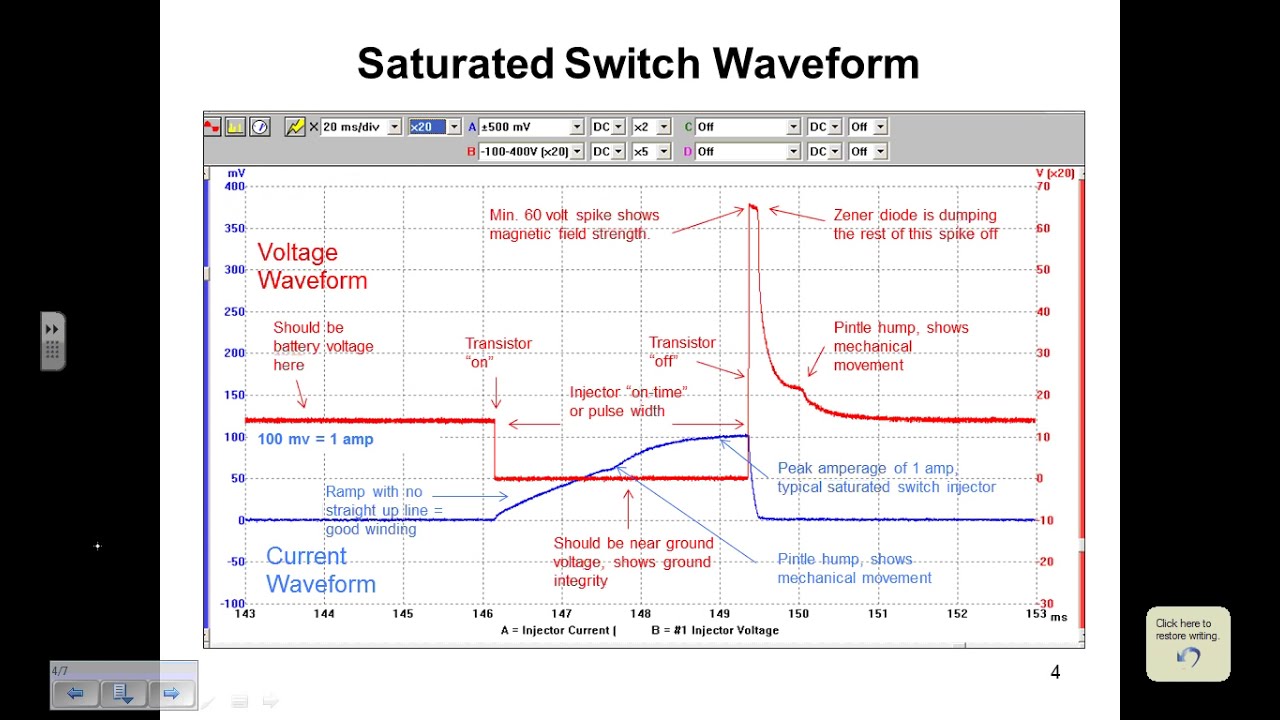
ScannerDanner: How to interpret fuel injector waveforms (a ScannerDanner Premium video)
ScannerDanner’s injector waveform lesson explains electrical command and response. It is included to show why an electrical check and a delivered-fuel measurement answer different questions. The lesson does not certify a flow-matched set or replace a controlled hydraulic report.
FAQ
Does equal static flow guarantee equal delivery at short pulses?
No. Opening, closing, and short-pulse behavior can differ. Dynamic test points and the correct characterization data may be needed for the intended application.
What does a one-percent matched set mean?
It depends on the formula, reference, and test points. Agree whether the limit concerns range divided by mean, individual deviation, or another documented acceptance rule.
Can resistance testing replace flow matching?
No. Resistance is an electrical measurement. It does not establish steady or pulsed fuel delivery, leakage performance, or the required nozzle behavior.
Is a matched set automatically correct for the engine?
No. The set must also meet the absolute delivery requirement, mechanical fit, electrical compatibility, fuel conditions, and calibration needs of the application.