
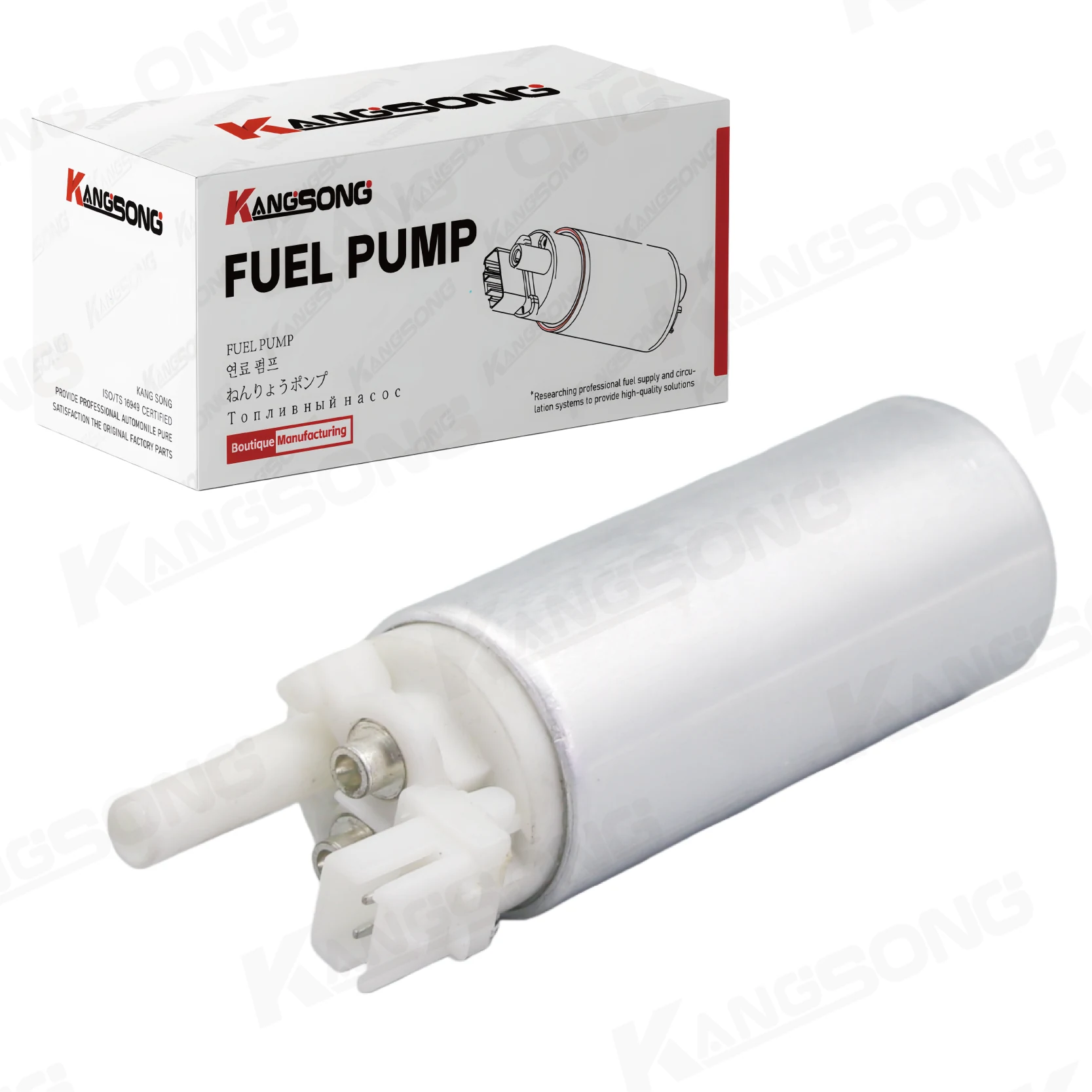
To tell if a fuel pump is bad, separate symptoms from circuit and delivery evidence before ordering a replacement. A no-start, missing prime, or intermittent stall can involve the relay, fuse, wiring, filter, control strategy, or pump itself. The exact platform procedure remains the authority.
- FAQs
Part 1. What does “bad fuel pump” mean in a service record?
A “bad pump” report is a working hypothesis, not a confirmed component result. A useful record connects the symptom to the platform, the electrical checks, and the delivery evidence collected under the applicable service procedure.
Part 2. Which symptoms justify a controlled diagnostic?
Common reports include a missing prime sound, difficult starting, intermittent stall, loss of delivery, or a no-start. These signals justify a controlled diagnostic, but they do not prove the pump is the failed part.
| Reported symptom | Evidence to capture | Do not conclude |
|---|---|---|
| No prime sound | event timing and circuit checks | pump failure from sound alone |
| Intermittent stall | conditions and fault record | one universal cause |
| No-start | platform procedure and power path | replacement is automatically correct |
| Weak delivery report | documented test basis | a generic pressure value |
The existing bad-symptoms field guide covers symptom language; this article focuses on evidence before an RFQ.
Part 3. How should power, relay, fuse, and ground be separated?
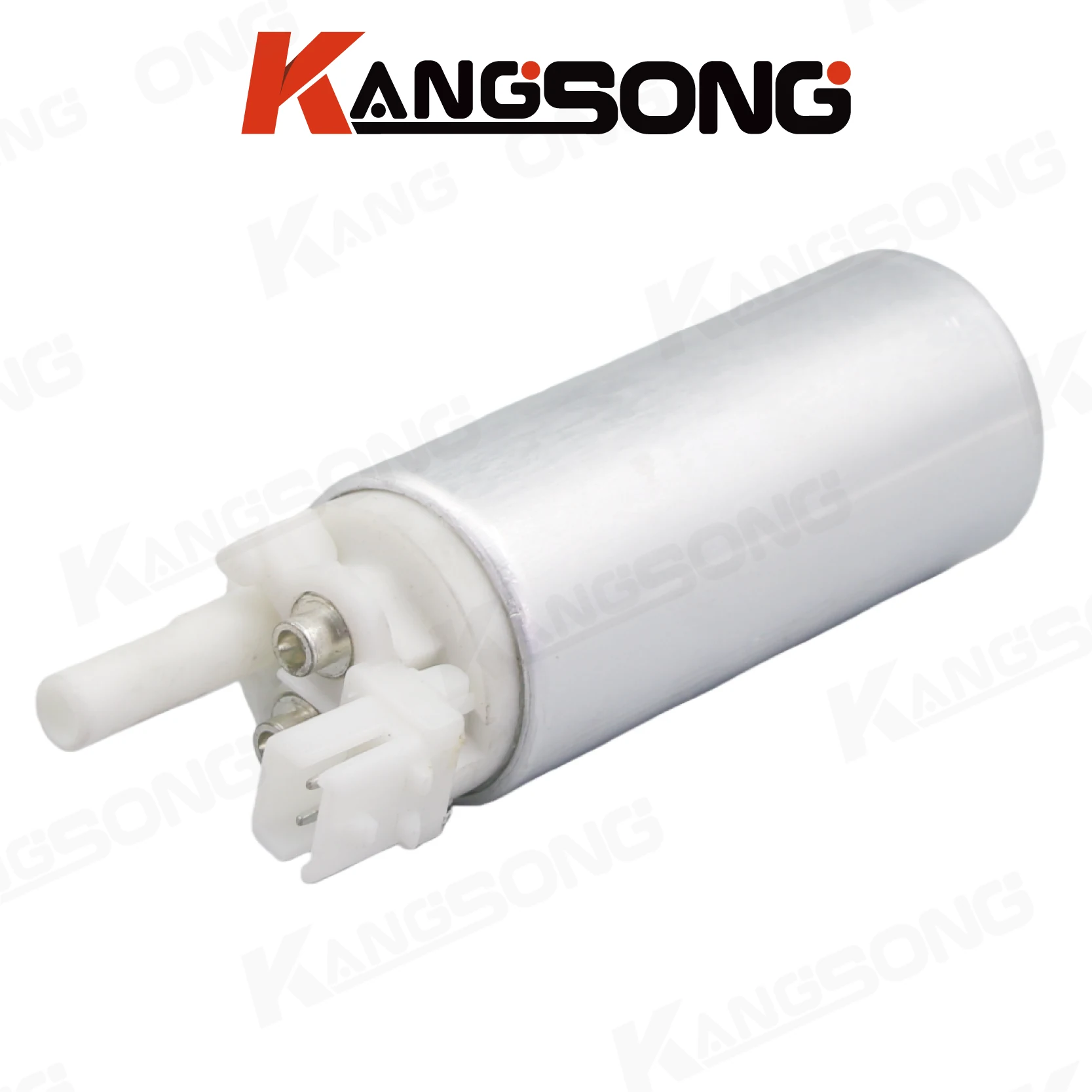
Follow the platform wiring and service information. Record the relevant fuse, relay, connector, power, ground, and control checks separately. A pump that does not receive the expected circuit conditions cannot be condemned solely from the no-start symptom.
The fuel-pump relay guide helps service channels keep relay evidence separate from pump-side evidence.
Part 4. What pressure or delivery evidence should be recorded?
Delivery evidence is meaningful only with its test method, platform requirement, instrument context, and offered-system scope. Record the procedure and conditions rather than copying a generic pressure or flow number from a different model.
Important: Stop testing when there is a fuel leak, strong fuel odor, visible impact damage, or another unsafe condition. Fuel-system integrity is a defined safety concern; follow the applicable platform procedure before continuing. (Fuel-system integrity reference)
The fuel-pump tester evidence guide provides a related recordkeeping route without turning a tool reading into a universal fitment claim.
Part 5. Which safety boundaries stop further testing?
Stop and escalate when the fuel system is leaking, damaged, contaminated, or being handled outside the documented procedure. A temporary restart or a changed sound is not proof that the root cause is resolved.
Part 6. What should a distributor send in a replacement RFQ?
| Buyer should provide | Why it matters | Send with quote |
|---|---|---|
| Platform/engine record | establishes scope | Yes |
| Symptom timeline | distinguishes event from repeat fault | Yes |
| Relay/fuse/ground findings | screens lookalikes | Yes |
| Pump-side and delivery evidence | supports a replacement decision | Yes |
| OE/interchange and assembly scope | identifies the requested family | Yes |
| Quantity and document needs | defines commercial review | Yes |
Part 7. When is a pump or assembly inquiry defensible?
After the platform procedure and circuit checks point to pump-side demand, use Kangsong fuel pump products for a documented product-family review.
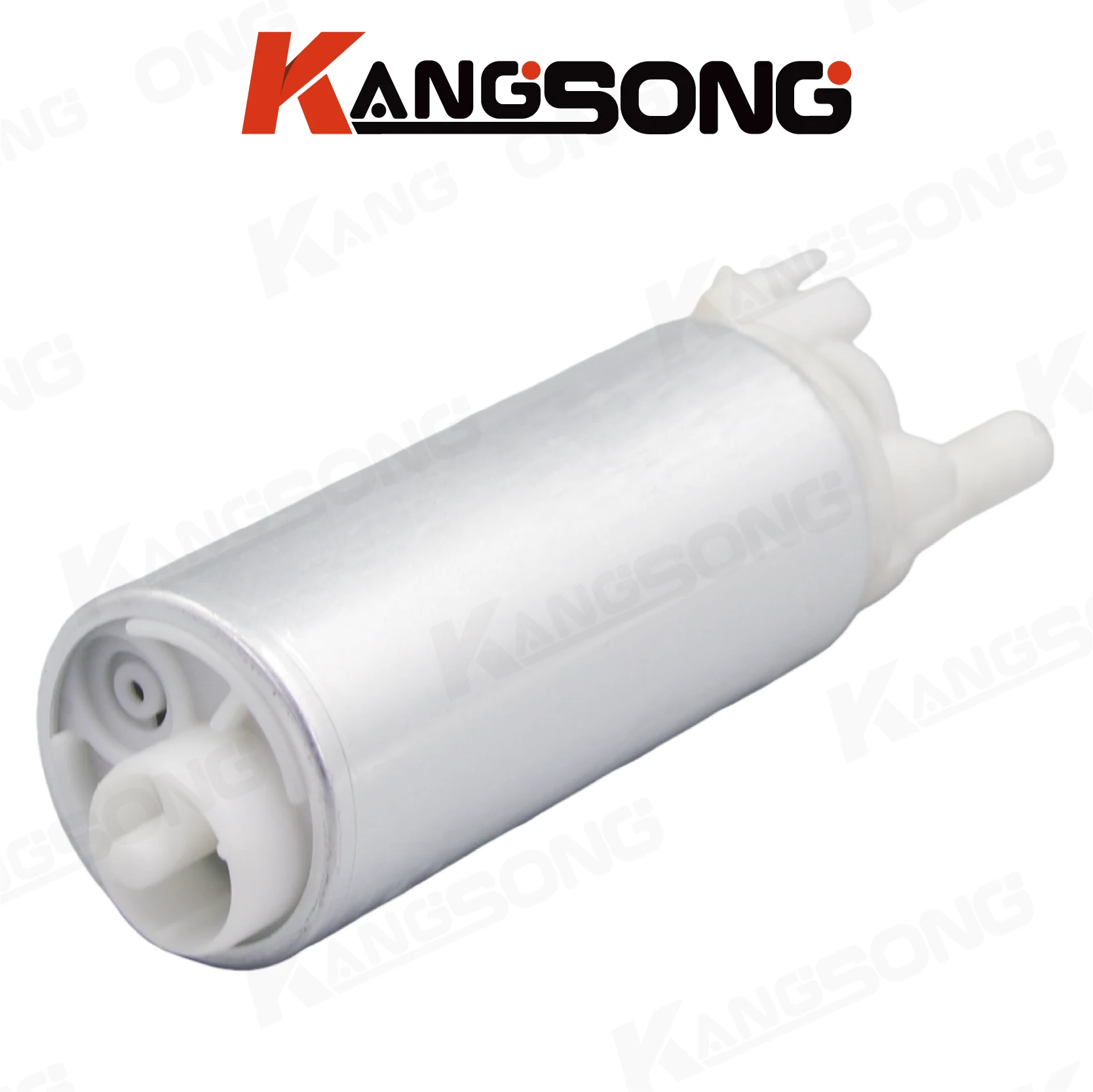
Send the findings through Contact Kangsong with OE/interchange evidence, interface notes, quantity, and requested documents. Do not present Kangsong as a guaranteed fix for an unverified fault.
FAQs
What is the first sign of a bad fuel pump?
There is no single universal first sign. A missing prime, difficult start, stall, or weak delivery report should trigger evidence capture rather than an automatic order.
Can a relay or fuse mimic pump failure?
Yes, a circuit-side issue can produce a pump-like no-start report. Separate fuse, relay, power, ground, and connector findings before condemning the pump.
Is a no-start enough to order a pump?
No. A no-start is a symptom; the platform procedure and circuit/delivery evidence are needed for a defensible replacement request.
What evidence should be recorded?
Record the platform, event timing, symptom, circuit checks, pump-side findings, test method and conditions, OE/interchange record, and assembly scope.
When should testing stop?
Stop for fuel leaks, strong odor, impact damage, contamination, or any condition the applicable safety procedure does not clear.
What belongs in a distributor RFQ?
Include the platform record, symptom log, electrical findings, delivery evidence, OE/interchange information, assembly scope, quantity, and requested documents.


