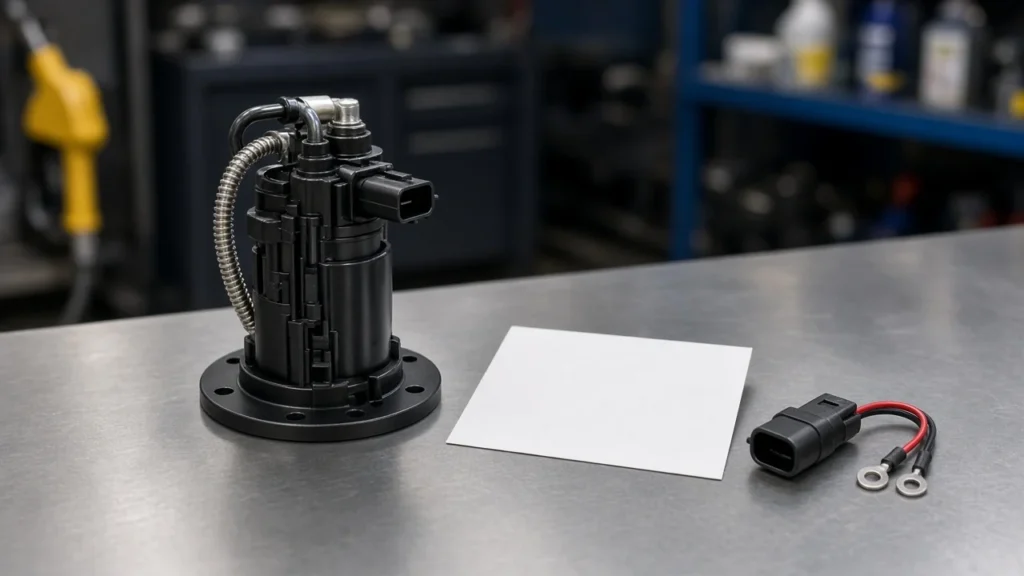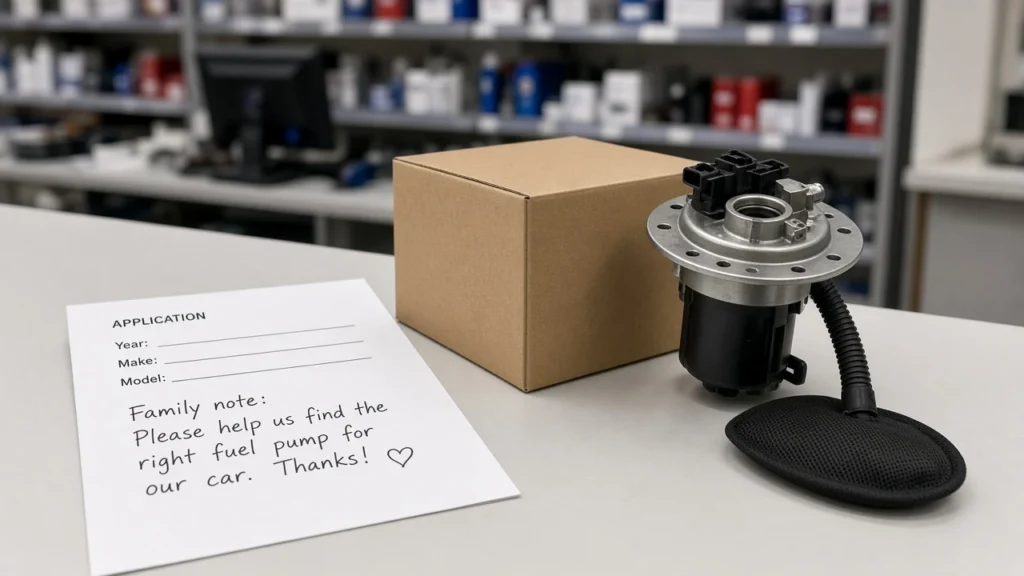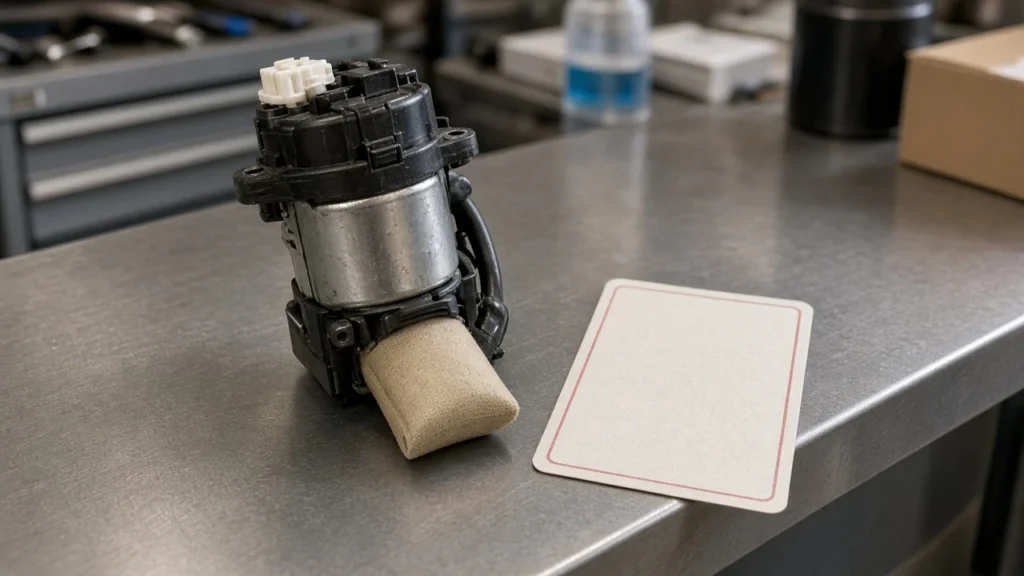
The order is a low pressure fuel pump, the lift or supply pump, or it is the high-pressure pump. Those two lines do different work, and a quote that mixes them ships the wrong box.
Start with the class split, then the diesel window, the carburetor contrast, and the gasoline kit fields. United States counters follow that order, and the last section names which Kangsong page matches the words already printed on the line.
The line is the low-pressure feed or the high-pressure pump
The order is the feed that fills the next device, or it is the high-pressure pump.
Carbureted engines often use low-pressure mechanical pumps mounted on the engine. Fuel-injected engines often put an electric pump in the tank for manifold injection, or they mount a high-pressure fuel pump on the engine for direct injection.
On direct injection the in-tank pump carries fuel forward. A separate pump then raises pressure for the injectors. The purchase order has to say which of those two pumps it wants.
| Line | What it feeds | What the quote names |
|---|---|---|
| Low-pressure feed | A carburetor, or the inlet of a high-pressure pump | Lift, supply, or in-tank feed, plus the printed window |
| High-pressure pump | A rail or a direct injector | The rail pump or the direct-injection pump, not the tank feed |
A desk that types “fuel pump” and stops there has not picked a line. One buyer wants the pump that lives in the tank. Another wants the pump on the engine that fills the rail.
Picture two quotes on the same counter before lunch. Both say fuel pump.
One packing list is a module that comes out of the tank. The other is a pump bolted to the engine beside the rail.
The words on the email match. The boxes do not.
Walk the truck before the line is typed. A hose from the tank module into an engine-mounted pump means the tank unit is the feed.
The engine-mounted pump is the high-pressure line. Quoting one part number for both jobs leaves the second box unordered.
The supply-versus-injection split is already covered on the fuel pump versus injection pump page. Come back here when the open question is the pressure class on this order.
The high-pressure family sits on the high-pressure diesel fuel pumps hub. This page stays with the feed that sits ahead of that family.
Lift, supply, and the in-tank pump are one feed
Lift, supply, and the in-tank pump name the same feed when they push fuel toward a higher-pressure stage.
A lift pump is the pusher in the tank or along the frame. Calling it a supply pump does not create a second product. An in-tank pump that only carries fuel to an engine-mounted pump is still that feed.
Some electric layouts put a roller-cell pump outside the tank and pair it with a second low pressure supply pump mounted inside the fuel tank. Those are two lines, even when one invoice calls both of them a fuel pump.
The outside pump and the in-tank pump can share a harness and still carry different part numbers. Write the location on the line: in the tank, or outside it.
Electric in-line pumps mounted on the frame are another shape of the same feed. They still are not the rail pump. A shopping page that says “universal inline” has not told you whether the truck even uses an inline pump.
Importers see the word lift on a brand card and assume every low-pressure order is that brand’s in-tank unit. The word only says the part pushes fuel forward. The vehicle sheet still has to name the shape: mechanical on the engine, electric in the tank, or electric on the frame.
Gasoline electric fields that sit outside this class split live on the gasoline electric fuel pump page. Use that page when the open question is the module or the connector, then return here if the class is still unclear.
Diesel orders split the feed from the rail pump
A low pressure fuel pump diesel line feeds the high-pressure pump. It is not the pump that fills the rail.
On a common-rail layout, a common rail system contrasts with the low-pressure fuel pump feeding unit injectors. The high-pressure pump stores fuel in the rail. The low-pressure pump is the feed ahead of that pump.
A common-rail truck can carry both pumps and still look like one part on a short email. The tank unit keeps the inlet of the rail pump supplied.
The rail pump is what the injectors see. Replacing the tank unit with a rail pump, or the reverse, leaves the engine without the stage that failed.
Owners who wanted to test the low pressure in-tank pump were trying to separate that feed from the rail reading. The same split belongs on the purchase order.
Tank feed stays on one line. The rail pump stays on another.
The tank-to-injector path is sketched on the diesel fuel pump operation page. This section only marks which of those pumps the purchase order is buying.
When the printed words are Land Rover Freelander2 2.2 diesel and one of LR038602, LR005622, LR010432, LR010434, LR029279, or KSA597A, the matching assembly is the Freelander2 2.2 diesel fuel pump. The Freelander2 2.2 diesel assembly prints OE LR038602, LR005622, LR010432, LR010434, LR029279, and KSA597A.
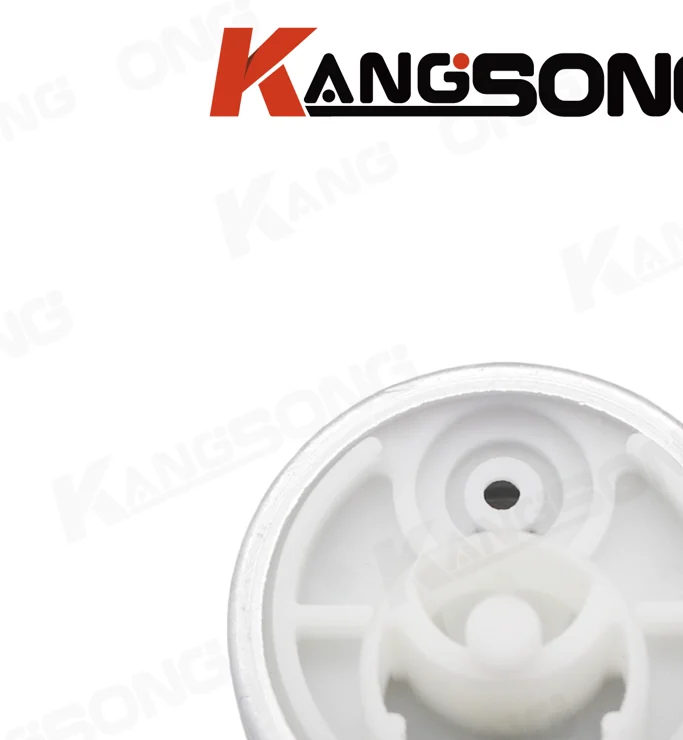
That assembly link belongs beside those identifiers. A different diesel, or a gasoline truck, does not inherit the page. The opened product text does not use the phrase low pressure, so the quote should repeat the OE list rather than a generic class label.
A buyer who sends only “diesel low pressure pump” has not finished the line. Ask which engine, and whether the failed part was the tank feed or the rail pump.
If the answer is the Freelander2 2.2 list above, open that assembly. If the answer is another engine, leave that URL alone.
Carburetor cars are not quoting an injection pump
A carburetor line needs a pump meant for a carburetor, and the voltage has to match the car.
Club members were discussing low pressure fuel pumps to be used on carb cars. One reply names 12 volt hardware and adds, “If you have 6 volt, good luck.” Another reply treats an injection pump in the tank, used to feed a carburetor, as the wrong class of part.
Stack Exchange posts put the same split in fewer words: “Low pressure pumps being desirable for carb systems and high for injectors.”
A carburetor shop and an injection shop can both type low pressure and still mean different hardware. The carburetor shop wants a pump that feeds the bowl.
The injection shop often wants the tank feed that serves a separate high-pressure pump. Copying one listing onto the other order mixes those jobs.
A regulator is a different device. The fuel pump pressure regulator page covers that part. Leave it off this pump line unless the purchase order actually names a regulator.
Six-volt cars and twelve-volt cars are not interchangeable just because both say low pressure. Read the electrical print before the quote goes out. A 12 volt pump on a 6 volt car is an electrical mismatch, even when both people used the same class name.
Aftermarket talk about a particular carburetor part number stays with that club thread. It is not a Kangsong interchange. The useful point for the counter is the class: carburetor feed, or injection feed, and the voltage the car actually has.
Printed fields on a gasoline electric low pressure fuel pump
Quote the gasoline kit’s voltage, flow, pin count, and year window. Leave the air-pressure label off the fuel line.
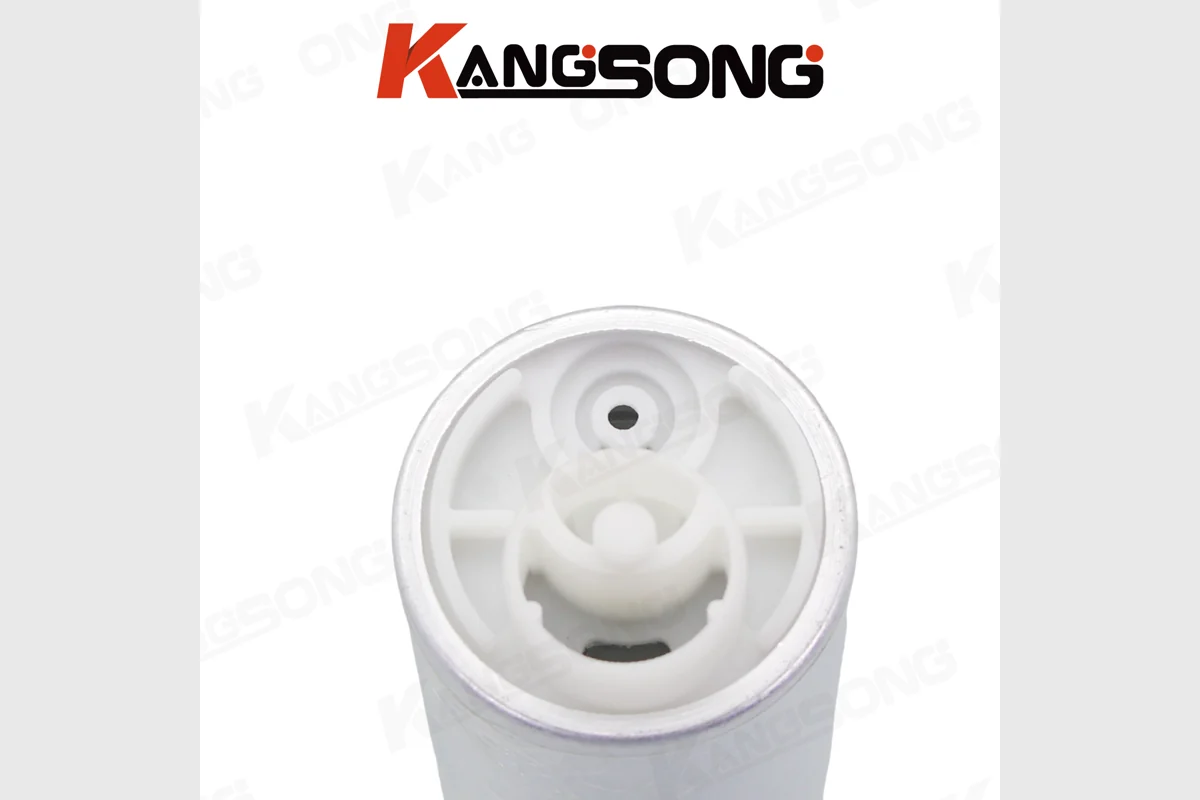
The live Kangsong gasoline kit, part KS-360501, prints DC 12V, flow of 43.3-49.5 Gph, a 2Pins connector, and 1987-1995 C/K fitment under OE 25168719 and E3902.
Important: Maximum Air Pressure 12-26 is the air-pressure label on the KS-360501 page, so leave it off the fuel line. Source: the live gasoline kit page.
That air figure sits on the pump page beside the flow print. Whoever builds the quote copies flow, voltage, and the connector count onto the pump line. Any fuel pressure number the vehicle sheet prints comes from that vehicle sheet, not from the air label.
The kit is the gasoline window for 1987-1995 C/K 1500, 2500, and 3500 pickup trucks. A later truck does not borrow the year range. A diesel rail pump does not borrow the flow print.
| Printed job | What may be copied | What stays off the fuel line |
|---|---|---|
| 1987-1995 C/K gasoline, OE 25168719 or E3902 | DC 12V, 43.3-49.5 Gph, 2Pins, those years and OE numbers | Maximum Air Pressure 12-26 |
| Freelander2 2.2 diesel with the OE list above | The assembly title and those identifiers | A generic low-pressure label the page does not print |
| Any other vehicle | Nothing from these two pages | Both windows |
An electric low pressure fuel pump search often lands on a universal inline listing. The C/K kit is narrower than that search. It is an in-tank gasoline pump with an installation kit for the years and OE numbers above.
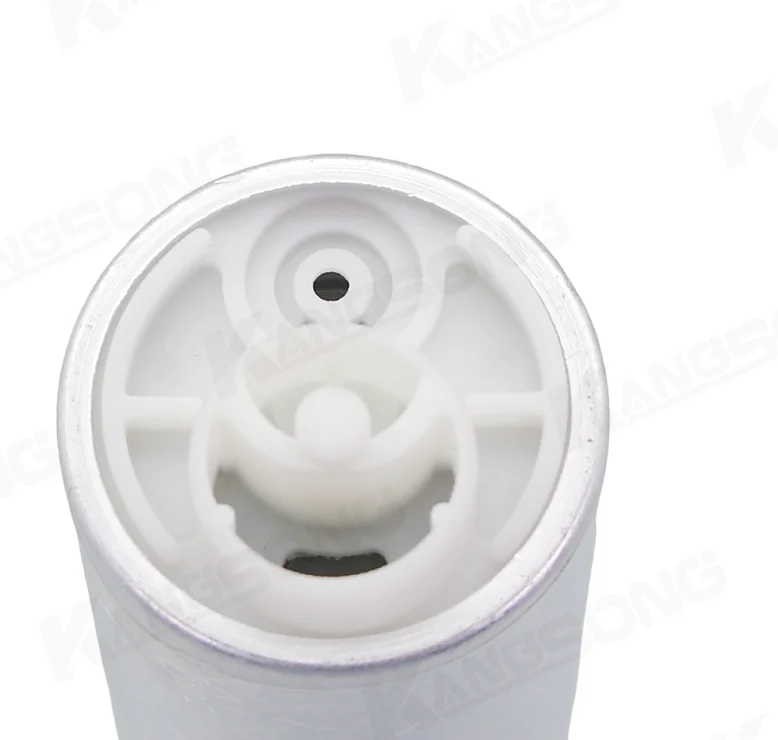
Counters sometimes paste 12-26 into the fuel-pressure column because it is the only number on the page that looks like a range. The label says air pressure.
The flow line is the 43.3-49.5 Gph print. Keep those columns apart on the quote sheet.
Which fuel pump page fits the printed window
Open the Freelander diesel page, the C/K kit, or the catalog, and only when the printed words match.
The Freelander2 2.2 diesel assembly is the page for LR038602, LR005622, LR010432, LR010434, LR029279, and KSA597A. If the line does not print that window, that URL is the wrong box.
The KS-360501 installation kit is the page for 1987-1995 C/K 1500, 2500, and 3500 gasoline trucks under OE 25168719 and E3902. A later truck, or a diesel, stays off that kit.
Every other job goes to the Kangsong product catalog. The catalog is the browse path. It is not a promise that a low-pressure pump is listed for every vehicle.
Read the line once more before the link is sent. Freelander2 2.2 diesel plus one of those OE identifiers goes to the diesel assembly.
A 1987-1995 C/K gasoline truck with 25168719 or E3902 goes to the kit. Anything else goes to the catalog, including a request that only says low pressure.
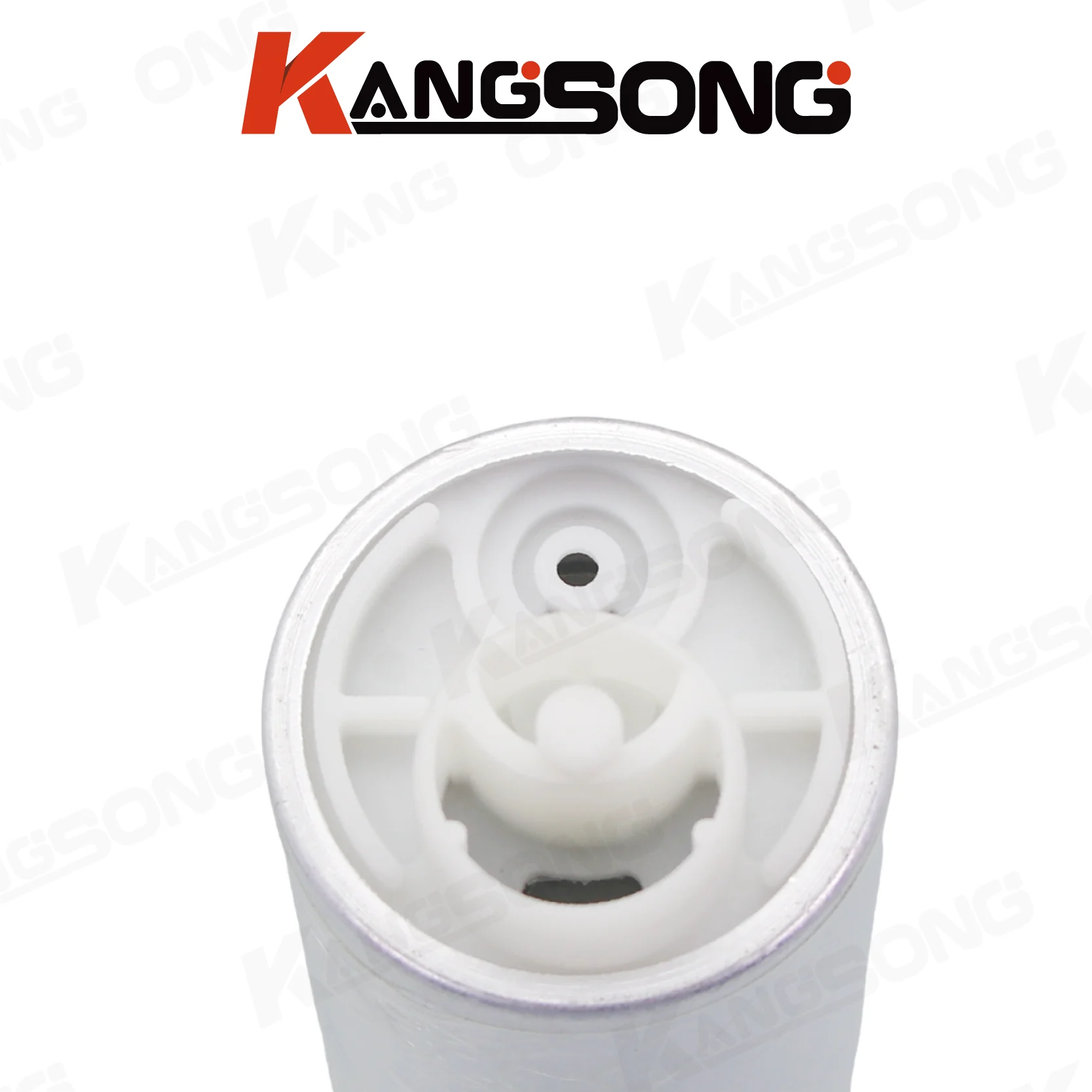
The photo above is the gasoline kit hardware. It illustrates the C/K window. It does not stand in for the Freelander assembly, and it does not stand in for a rail pump.
FAQ
What is a low pressure fuel pump?
It is the lift or supply pump that moves fuel to a carburetor or to a high-pressure pump. The high-pressure pump is the other line on the purchase order.
What happens if your low pressure fuel pump goes bad?
The engine can crank a long time, stumble under load, or stall, and some pumps get noisy. Name the feed versus the rail pump before anyone orders a replacement.
What is the difference between a high and low pressure fuel pump?
The low-pressure pump fills the carburetor or the inlet of the high-pressure pump. The high-pressure pump is the one that feeds the rail or the direct injector.
How much does a low pressure fuel pump cost?
This page does not print a price. The class and the printed window come before any number on an invoice.
How long do low pressure fuel pumps last?
No hour or mile figure in the sources belongs on this quote. Service life depends on the vehicle and on the pump that was actually fitted.
How do I test my low pressure fuel pump?
Name the class and the printed window before any gauge work. A step-by-step gauge routine is outside this page.
Does a carburetor car use the same pump as a fuel-injection car?
Carburetor buyers ask for a pump meant for a carburetor, and injection layouts often add a separate high-pressure pump. Mixing those lines is how the wrong box gets quoted.