A fuel-pump feed uses either an inertia cutoff that stays open after a hard hit, or an oil-pressure switch that drops the pump when oil pressure collapses. Fuel pump safety switch wiring starts with that name, then with where the device sits beside the fuel pump relay, and only then with reset or replace.
The electric fuel pump is the load on the far side of that device. A counter who sells a pump for a tripped switch has answered the wrong question.
Which Safety Device Is in the Fuel-Pump Feed
Two different parts share this keyword, and they fail in different ways. An inertia fuel shutoff switch rests closed and opens on a hard impact.
An oil-pressure safety switch rests open and closes after oil pressure rises. People also call that part an oil pressure safety switch when they are standing at the counter with a three-terminal sender in hand.
The normally closed contact is the inertia switch at rest, and it is also the cranking contact on many pressure switches. The normally open contact is the run path that waits for oil pressure.
A normally closed oil-light switch will not do the run-path job, because that part is already closed with the engine off. Ask whether the customer has a button on a small module, or a threaded sender in an oil port.
| Device | At rest | What changes it | Counter’s next look |
|---|---|---|---|
| Inertia fuel shutoff switch | Normally closed contact | Hard impact opens it | Reset button, then power through the switch |
| Oil-pressure safety switch | Normally open contact | Oil pressure closes the run path | Letters on the terminals and a cranking wire |
Ford’s bi-fuel service description puts an inertia fuel shutoff switch in the power feed that would otherwise reach the gasoline pump. That is an OEM interrupt, not a gauge sender, and it does not hand you a universal truck diagram.
Hot-rod and kit pages instead hang an oil pressure safety switch on the relay coil so a stall drops the pump. Both pages can be true for different vehicles, which is why the counter names the part before opening a wire catalog.
Where That Device Sits Beside the Fuel Pump Relay
The fuel pump relay carries the pump current, and the safety device stays on the coil or in the live feed. Pump current belongs on the fused contacts, with battery power on terminal 30 and the pump on terminal 87.
Coil ground is terminal 85, and the trigger is terminal 86. An unused normally closed contact on a five-pin cube stays insulated.
An oil-pressure safety switch usually feeds that trigger, so a small wire can run to the engine port. An inertia fuel shutoff switch is often placed in the live feed, common toward switched power and the normally closed contact toward the pump.
Mount that inertia module vertically on a rigid panel near a joint, where a driver can reach it. A flexible panel can trip the switch over ordinary bumps, which is the worry owners repeat after they smack the switch in their hand and feel how easily it opens.
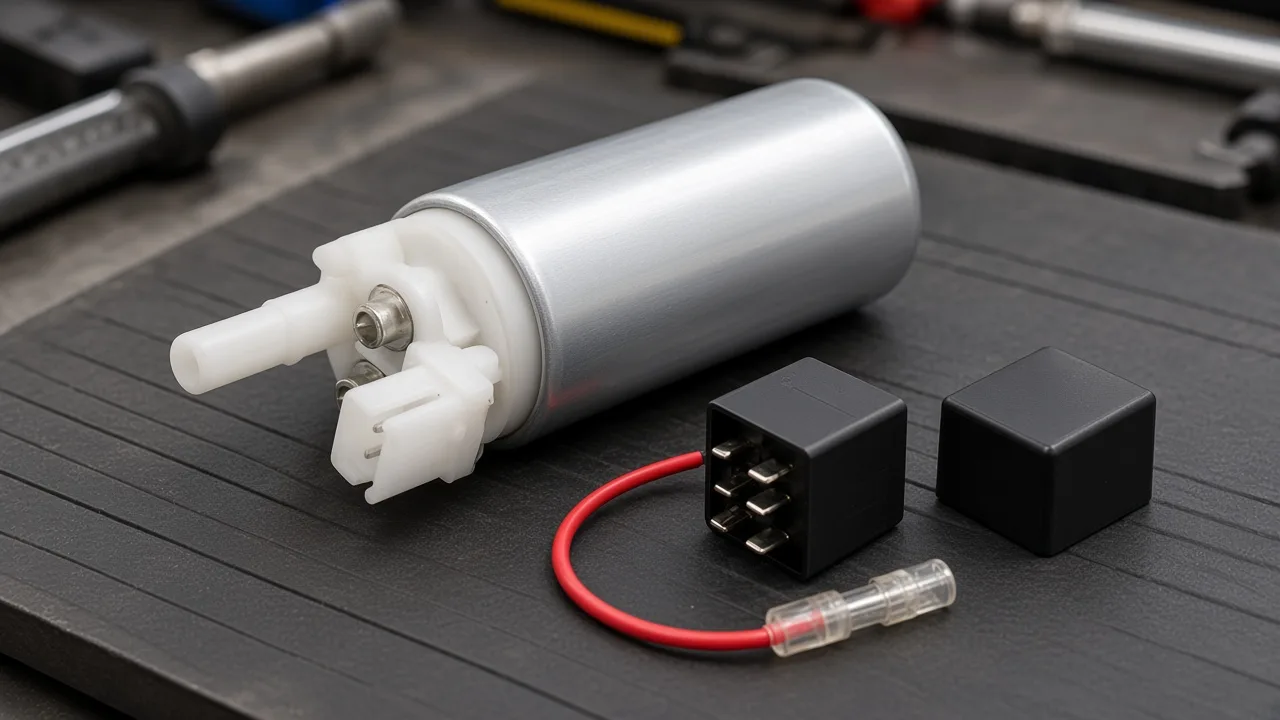
Generic relay sizing, fuse placement, and polarity already sit on the how to wire a 12 volt fuel pump page. This page stays with the device in that feed.
Which Cranking Terminal Primes the Pump
Oil pressure is still zero while the starter is turning, so the run path is open and the pump needs another route. On the three-prong pattern with letters S, P, and I, the cranking terminal is S and the run path closes from I to P only after oil pressure is up.
Switches marked C, NC, and NO send the cranking-only starter terminal to NC, switched ignition to NO, and the relay coil to C. Read the letters stamped on the switch in your hand, because the two families are not the same part with nicknames.
If the cranking terminal sees power all the time, the fuel pump relay can stay pulled in with the key off. That is the mistake a forum installer hit by landing the normally closed contact on a starter lug that was not cranking-only.
From the field: On LS1Tech, Pop N Wood wrote that the pressure switch is more for fire safety in the event of an accident than protecting the engine from low oil pressure. — LS1Tech oil-pressure switch thread
A carbureted engine can keep running on the fuel already in the bowl after the pump stops. The switch is still worth having, because a crash with a live pump is a fire problem even when the engine is already doomed.
Owners who want the pump on with the key, and off after a crash, are describing this split. One Classic Z builder said he wanted the pump whenever the ignition was in ON or START, unless he had been in an accident.
When the Reset Button Is Enough
Press the reset button to restore an inertia fuel shutoff switch that has tripped. The button sits on top of the module, and a successful reset clicks it back flush.
Replace the switch when the reset button will not stay in, or when power is present on the feed side and missing on the pump side while the button is reset. That is a failed switch, and the pump is still a separate part.
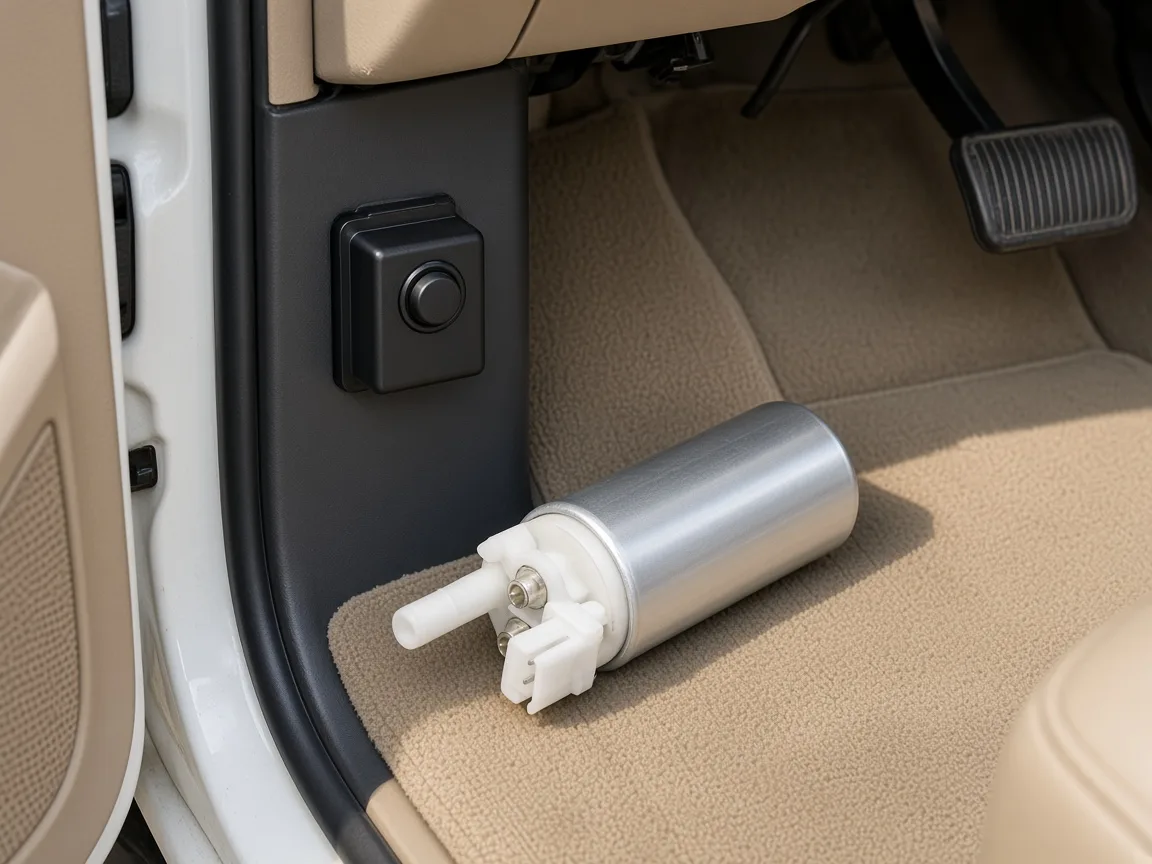
A reachable mount answers the bump worry better than a hidden module in a wet corner. SteveJ, writing about a similar inertia switch, said hard braking, swerves, and rough pavement did not open it, while the same switch opened easily in his hand.
| What the customer sees | Likely meaning | Next step |
|---|---|---|
| Button popped up after a jolt | Inertia switch opened | Press the reset button and listen for the pump |
| Button will not stay in | Switch failed mechanically | Replace the inertia switch |
| Button is flush and the pump is still dead | Feed, relay, or pump | Check power into the switch before condemning the pump |
| Engine starts only while cranking | Run path never closes | Inspect the oil pressure safety switch letters and the oil port |
Leave a tripped switch in the circuit. Taking it out of the feed so the pump runs anyway removes the crash cutoff the customer came in to understand.
What a Counter Refuses on This Job
Jacket color changes from one diagram to the next, so the letters on the switch are the identifier. A red lead in one video and a pink lead in a service manual can both be pump power on different vehicles.
A dash toggle can trigger the fuel pump relay, and it still does not name the safety device. Video titles that demonstrate bypassing a factory relay are a different job, and they are the wrong answer when the customer asks about a safety switch.
Skip a finished circuit that leaves the pump on battery power with the key off. The safety switch exists so a stall or a hard hit can open that feed.
A relay remains part of the job even when a safety switch is already in the plan. The switch is a small contact, and the pump is a motor load.
The 1987-1995 C/K Pump Kit Is the Downstream Product, Not the Switch
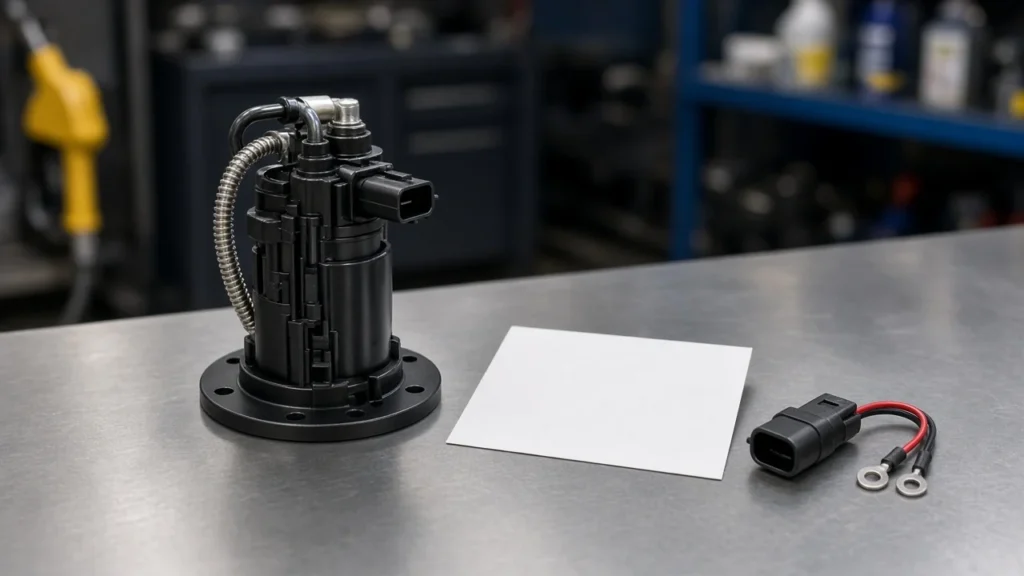
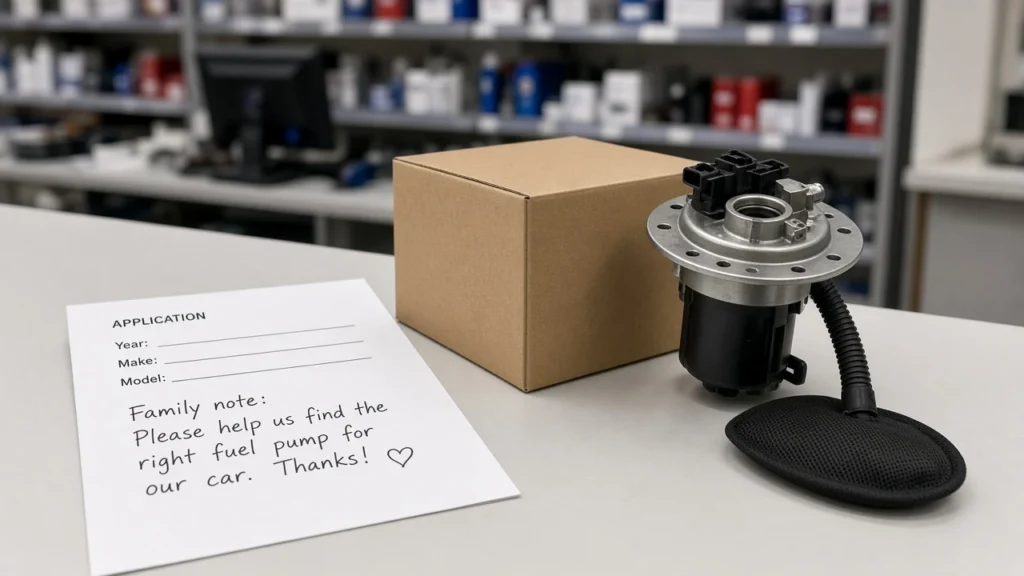
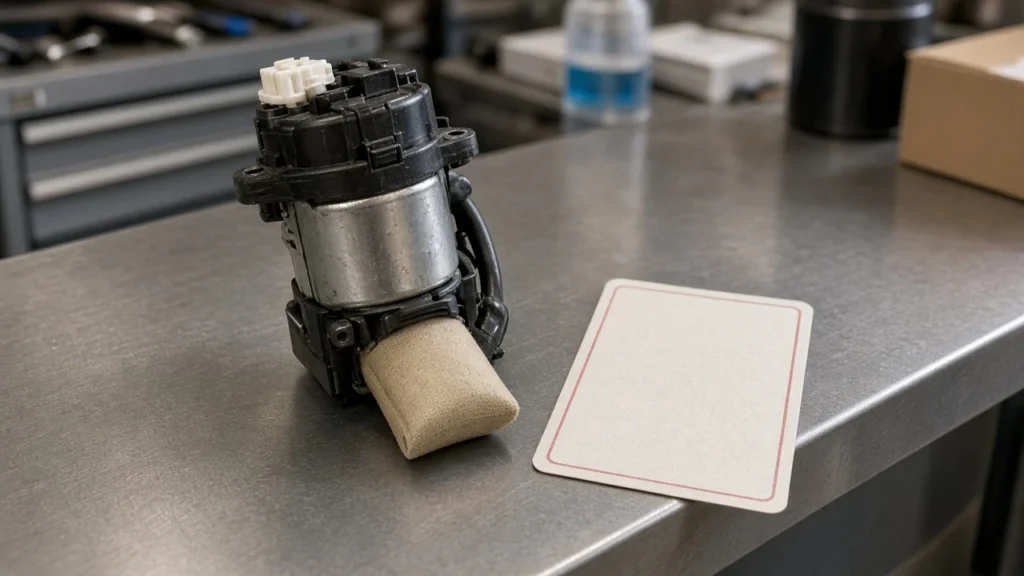
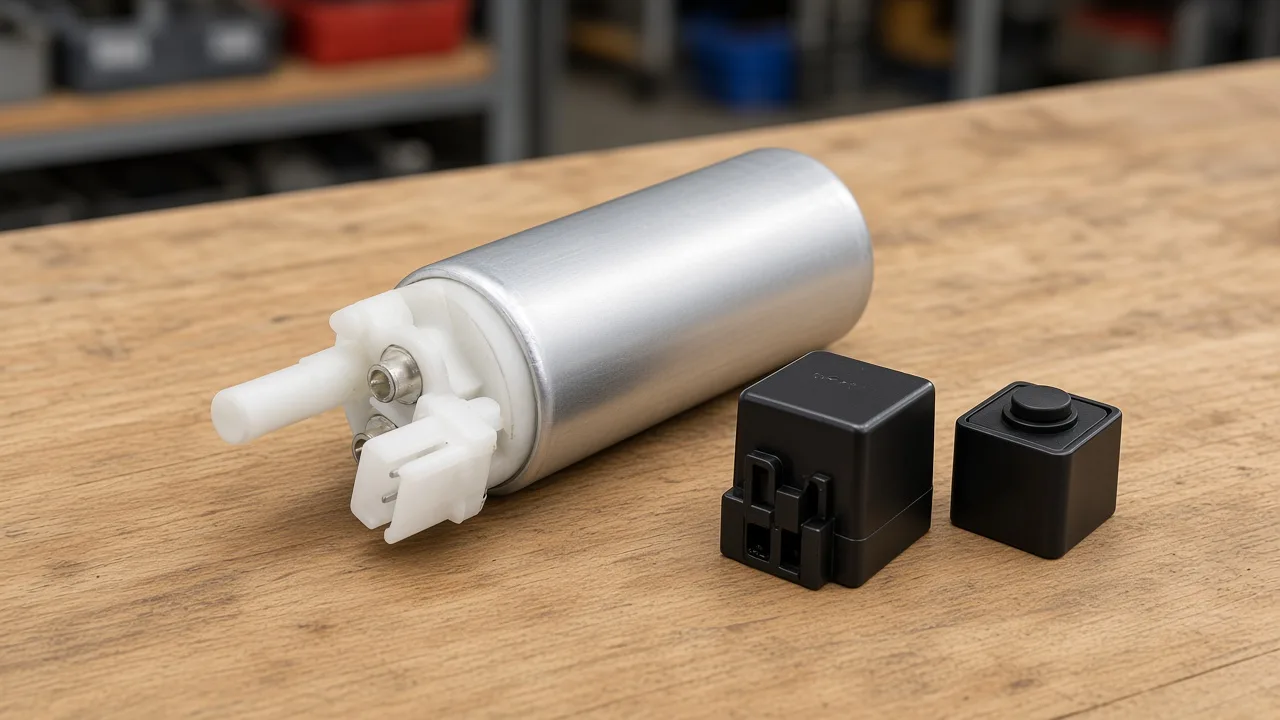
Treat the 1987-1995 C/K pump kit as the pump downstream of the safety device. The printed kit is a twelve-volt electric fuel pump with a 2-pin connector and a listed flow of 43.3-49.5 GPH.
The page title covers 1987-1995 C/K 1500, 2500, and 3500 pickups, and it lists an installation kit with the pump assembly. It does not list an inertia fuel shutoff switch or an oil pressure safety switch.
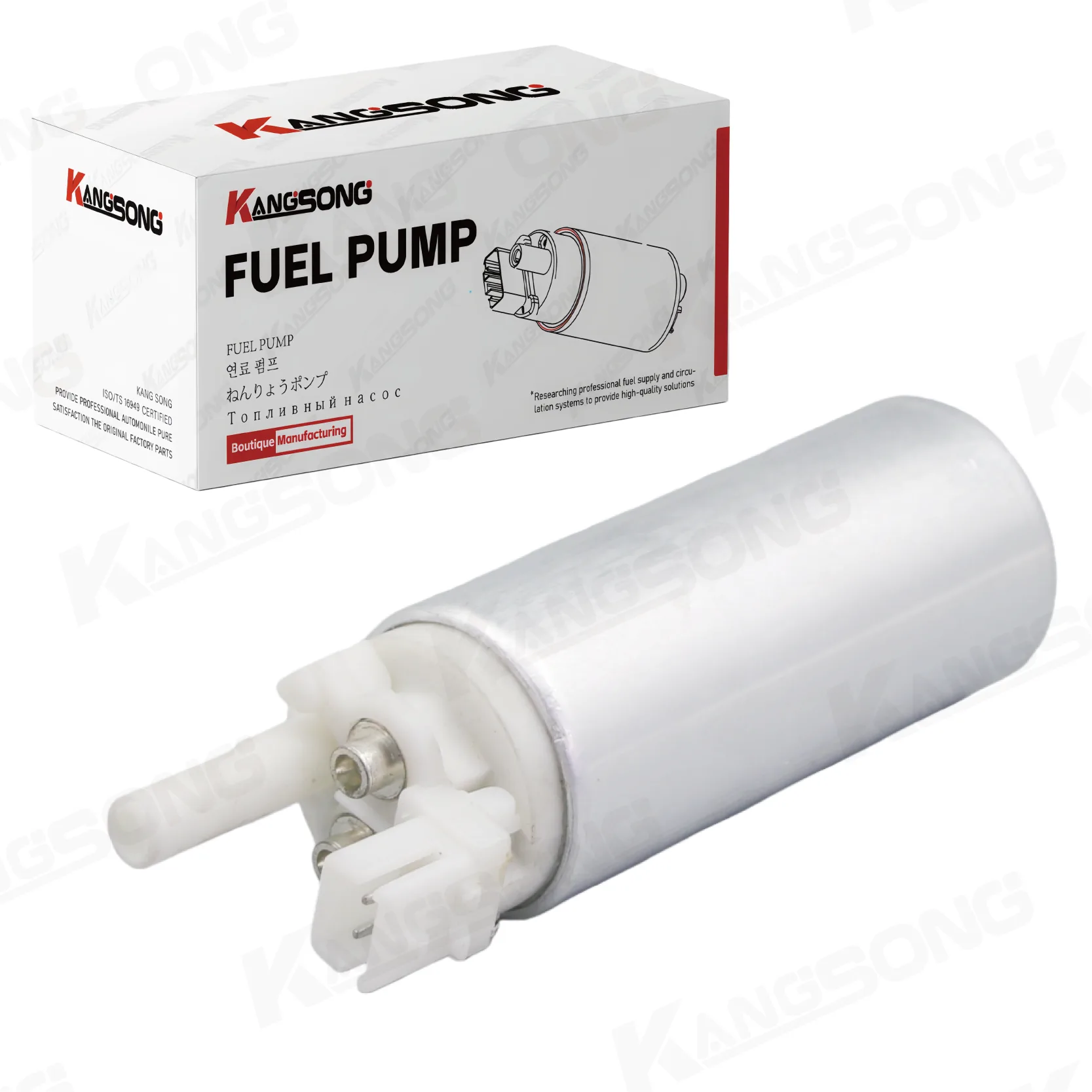
Inside that printed window, the 1987-1995 C/K electric fuel pump kit is the part to open after the device in the feed is named. Outside that window, start from the products category and match the application printed on the page you land on.
FAQ
How do you tell a fuel pump inertia switch from an oil-pressure safety switch?
An inertia switch is a small module with a reset button and a normally closed contact that opens on impact. An oil-pressure safety switch threads into an oil port and closes its run path only after oil pressure rises.
How to wire a switch for a fuel pump without putting pump current through the dash toggle?
Let the toggle, or the oil-pressure switch, feed the fuel pump relay coil. Keep the pump on the fused contacts from terminal 30 to terminal 87.
What are the three wires on a fuel pump, and when are they actually the safety-switch terminals?
The printed C/K kit uses a 2-pin pump connector, so three wires usually belong to the safety switch. Those terminals are the cranking path, the run path, and the common lead to the relay coil.
Can I wire my fuel pump straight to the battery?
A finished circuit keeps the pump off a permanent battery feed. Use a fuse at the source and a fuel pump relay so a stall or a hard hit can still open the circuit.
Can I run a fuel pump without a relay if I already have a safety switch?
The safety switch does not replace the relay. The relay carries motor current, and the switch only decides when that relay may close.
What color is the fuel pump wire?
There is no single jacket color in the pages opened for this job. Use the letters on the switch and the relay terminal numbers.
What happens if you wire a fuel pump safety switch wrong?
A cranking terminal that is hot all the time can leave the pump running with the key off. A missing cranking path leaves the pump silent until oil pressure exists, so the engine may not prime.
Do you reset an inertia switch or replace it?
Press the reset button when it has popped up. Replace the switch when that button will not stay in, or when the feed has power and the pump side does not while the button is already reset.