Ford fuel pump recall headlines move wholesale demand before every owner letter is mailed. Importers and jobbers need a verification-first workflow: confirm which campaign applies, separate software remedies from pump-replacement demand, and stock assemblies only where SKU evidence and traceability support the program.
This guide uses publicly documented NHTSA Campaign 24V-957 (Ford 24S78) as a planning reference for Super Duty diesel high-pressure fuel pump (HPFP) programs. It is not legal advice and does not replace OEM authorization checks.
Important: Per NHTSA Campaign 24V-957, the primary remedy described is PCM/TCM software — not automatic pump replacement for every covered VIN. Stock and quote assemblies only after VIN verification and documented OE references.
Part 1. Why do fuel pump recalls change wholesale demand overnight?
Recall coverage creates three parallel demand signals for distributors:
- Owner anxiety searches spike on symptoms such as extended crank, check-engine light, noise, and reduced power — language that matches both forum threads and NHTSA field reports on HPFP-related campaigns.
- Dealer service lanes prioritize campaign verification and software updates, which still generates parts inquiries when failures occur outside the official remedy window.
- Independent shops and fleet depots ask jobbers for HPFP, modules, and filter kits before confirming VIN coverage — a common source of over-stock if buyers skip verification.
Treat recall traffic as a planning trigger, not an automatic buy signal. Stock depth should follow verified platform demand, not headline volume alone.
Part 2. Which Ford Super Duty campaigns affect high-pressure pump SKUs?
Per NHTSA Campaign 24V-957 documents, Ford reported a safety recall affecting approximately 295,449 vehicles for high-pressure diesel fuel pump performance concerns on 6.7L diesel applications, including:
| Platform | Model years listed in campaign filing |
|---|---|
| F-250 Super Duty | 2020–2022 |
| F-350 Super Duty | 2020–2022 |
| F-450 Super Duty | 2020–2022 |
| F-550 Super Duty | 2020–2022 |
| F-600 Super Duty | 2020–2022 |
| F-650 | 2021–2022 |
| F-750 | 2021–2022 |
The documented failure mode describes biodiesel deposits on internal HPFP components that can lead to pump failure and loss of motive power. Symptoms referenced in campaign materials include extended crank on start, check-engine illumination, noise, and reduced engine power.
Remedy note: campaign documents describe dealer PCM/TCM software updates as the primary remedy path. Distributors should still plan for post-failure replacement demand and adjacent fuel-system parts, but must not assume every covered VIN receives a new pump under recall.
Parallel Nissan, Lexus, and Honda fuel pump recall queries follow the same distributor pattern — verify campaign, stock against documented platforms, and keep OEM bulletins as the authority. Those platforms are out of scope for detailed tables here but should use the same workflow in Part 3.
Part 3. How should importers verify VIN coverage before stocking HPFP inventory?
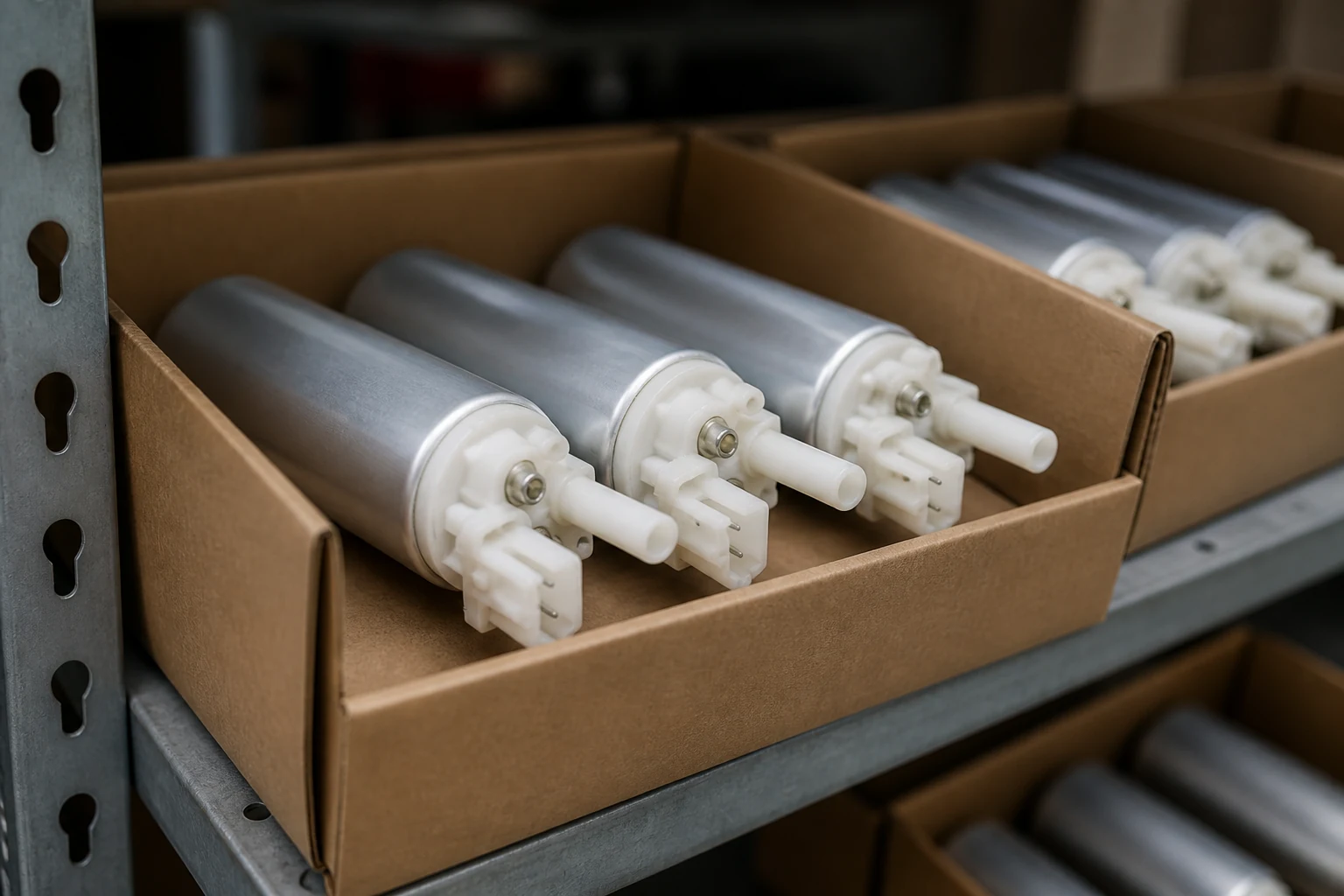
Use a three-step verification chain before allocating container space:
- NHTSA VIN lookup — search the 17-digit VIN at nhtsa.gov/recalls and archive the result with date stamp for wholesale audit trails.
- OEM campaign bulletin — cross-check Ford campaign 24S78 status, remedy availability, and supersession notes through authorized dealer channels.
- SKU mapping — map only to catalog lines with documented OE references, pump type (HPFP vs module), and test reports; reject generic “F-250 pump” listings without a part number trail.
Counter staff should capture VIN, engine, model year, and symptom pattern before suggesting a replacement line. That reduces returns when the customer needed software verification first or a different pump family entirely.
Part 4. What should a recall-adjacent stocking list include besides the pump itself?
Recall-sensitive diesel programs rarely stop at the HPFP. Jobbers often bundle:
| Line item | Why distributors stock it | Send with quote |
|---|---|---|
| HPFP assembly or cartridge | direct failure replacement | yes |
| Fuel filter / kit | contamination control after pump distress | yes |
| Low-pressure lift pump | supply-side diagnostics on diesel returns | yes |
| Hardware and seals | one-and-done shop labor expectation | yes |
| Module or driver where applicable | misdiagnosis vs pump-only failure | conditional |
Keep gasoline in-tank module inventory on a separate plan. Mixing diesel HPFP campaigns with gasoline sender/pump modules creates costly SKU drift in wholesale bins.
Part 5. Which RFQ fields protect distributors on recall-sensitive programs?
| RFQ field | Why it matters | Send with quote |
|---|---|---|
| Campaign or OE bulletin reference | proves program intent | yes |
| VIN range or platform | prevents wrong MY fitment | yes |
| Pump type and OE number | fixes HPFP vs module boundary | yes |
| Destination market and emissions tier | affects compliant supply | yes |
| Required test or traceability docs | supports distributor QA | yes |
| Quantity bands and sample plan | drives MOQ discussions | yes |
| Target price tier (service vs fleet) | aligns spec level | yes |
Fit Boundary: this workflow supports aftermarket and OEM-equivalent assembly sourcing where the buyer supplies documented references. It is not a substitute for Ford authorized recall fulfillment, and it cannot approve a SKU without matching OE data, test evidence, and import compliance review.
Part 6. Where do Kangsong assembly routes fit for aftermarket and OEM-equivalent programs?
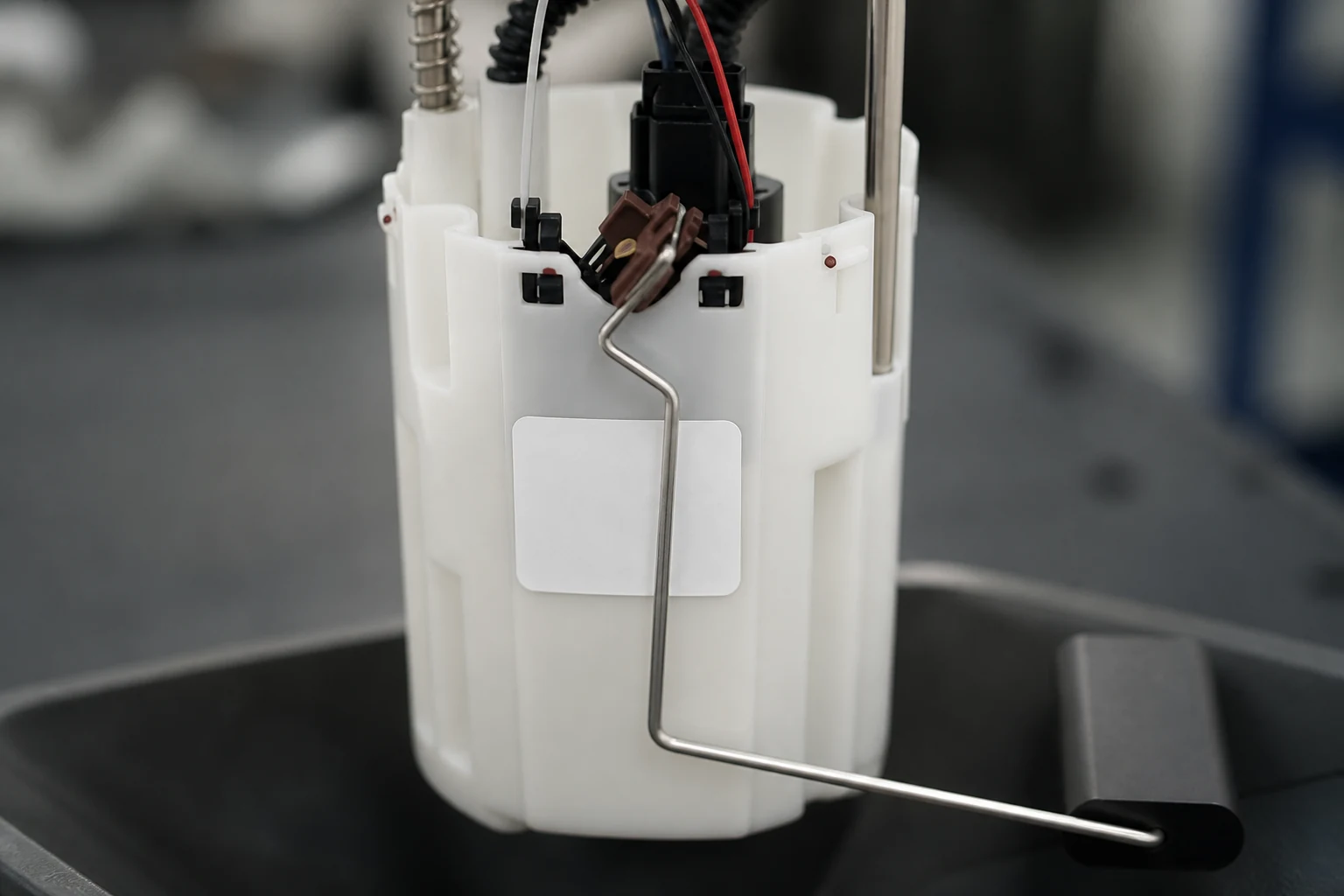
Kangsong (Zhejiang Kangsong) develops and manufactures fuel pump assemblies, electric fuel pumps, and module-level components for automotive aftermarket and OEM/ODM programs. Public company materials cite 300+ fuel pump models and 1,700+ assembly models, with export experience to North America, Europe, and Australia.
For recall-adjacent inquiries:
- Start at Kangsong products to identify assembly families that match your documented OE references.
- Send campaign context, quantity bands, and required test documentation through Contact Kangsong — not through generic “recall pump” descriptions alone.
- Use About Kangsong for manufacturing and R&D background when buyers request supplier qualification packets.
Do not represent Kangsong parts as Ford authorized recall service parts unless your specific SKU package includes written authorization and OE approval evidence.
Procurement verification workflow
Before issuing a purchase order on recall-driven demand, require a one-page worksheet: campaign ID, VIN verification screenshot, OE number, pump type, symptom notes, and intended customer channel (dealer, fleet, retail). Compare supplier quotations on identical fields in a deviation register. A lower unit price with a different pump family or missing traceability documents is a different product, not a discount.
FAQ
Which Ford trucks are in the high-pressure fuel pump recall?
NHTSA Campaign 24V-957 lists 2020–2022 F-Super Duty F-250 through F-600 and 2021–2022 F-650/F-750 diesel vehicles in the reported population. Always confirm a specific VIN before quoting or stocking.
What symptoms do distributors hear before an HPFP failure?
Campaign and field materials commonly cite extended crank, check-engine light, abnormal noise, and reduced power. Capture symptoms on the work order before selecting a replacement line.
Is the recall remedy a pump replacement or a software update?
Campaign documents describe PCM/TCM software updates as the remedy path. Plan inventory for failures and adjacent parts, but do not assume a free pump replacement for every covered vehicle.
How should importers verify VIN coverage before buying inventory?
Use NHTSA VIN search, archive the result, cross-check the OEM campaign bulletin, and map to catalog SKUs only after OE references match.
What documentation belongs in a recall-adjacent wholesale RFQ?
Include campaign reference, platform, OE number, pump type, market, quantity tiers, and required test or traceability documents.
When should a jobber route buyers to Kangsong for assembly supply?
When the buyer has documented OE references and needs OEM-equivalent or ODM assembly supply — route through Kangsong products and contact pages with those references attached.


