Fuel pump reverse polarity means that an electrical supply is connected opposite to the polarity required by the specific pump or its electronics. Do not diagnose it by swapping wires until something happens. Identify the exact component, obtain its terminal documentation, and have the circuit checked using the vehicle’s service procedure. Some assemblies include controllers, signal terminals and fuel-level circuits that must not receive an improvised motor supply. A running sound also does not prove correct fuel delivery. This guide focuses on preventing a polarity mistake during replacement and documenting a suspected error before further operation.
First identify which kind of pump is involved
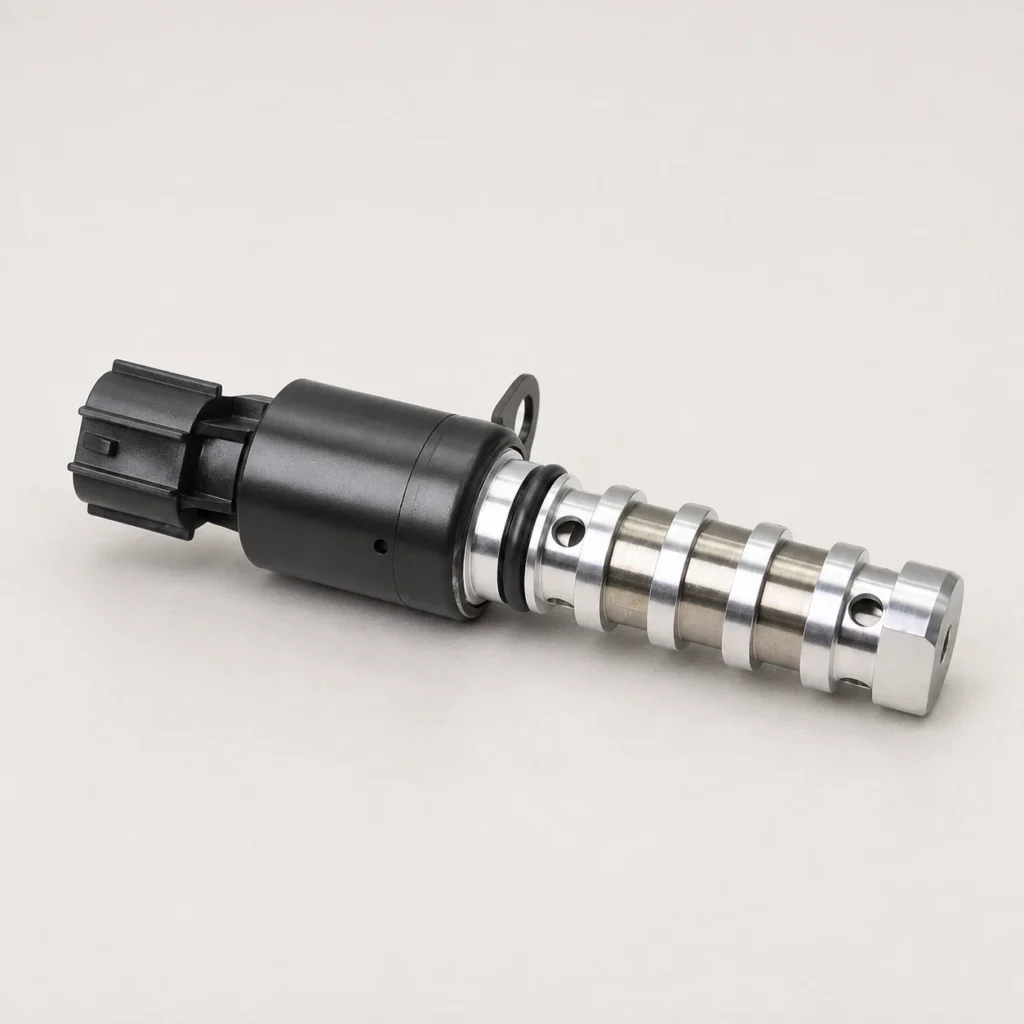
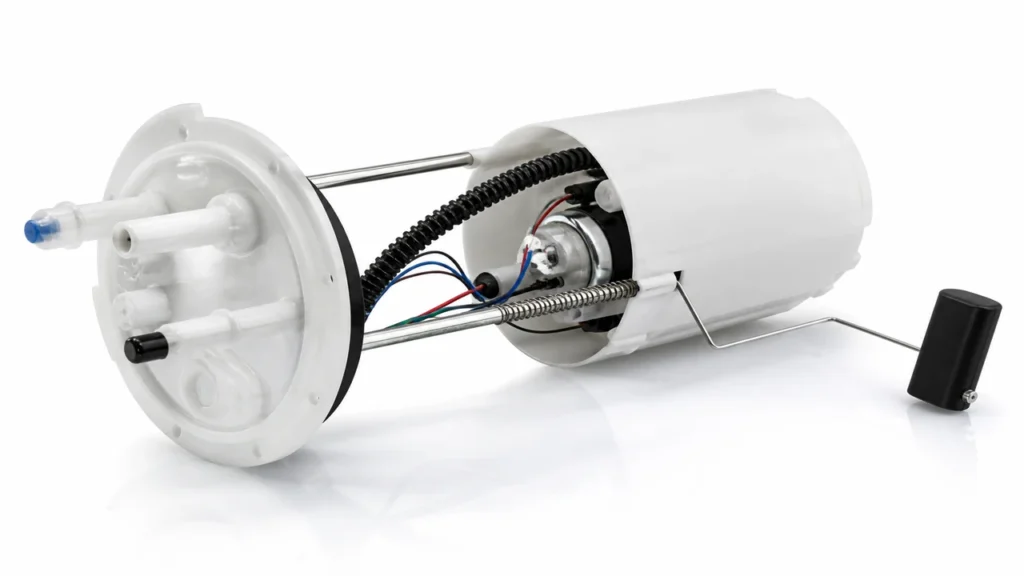
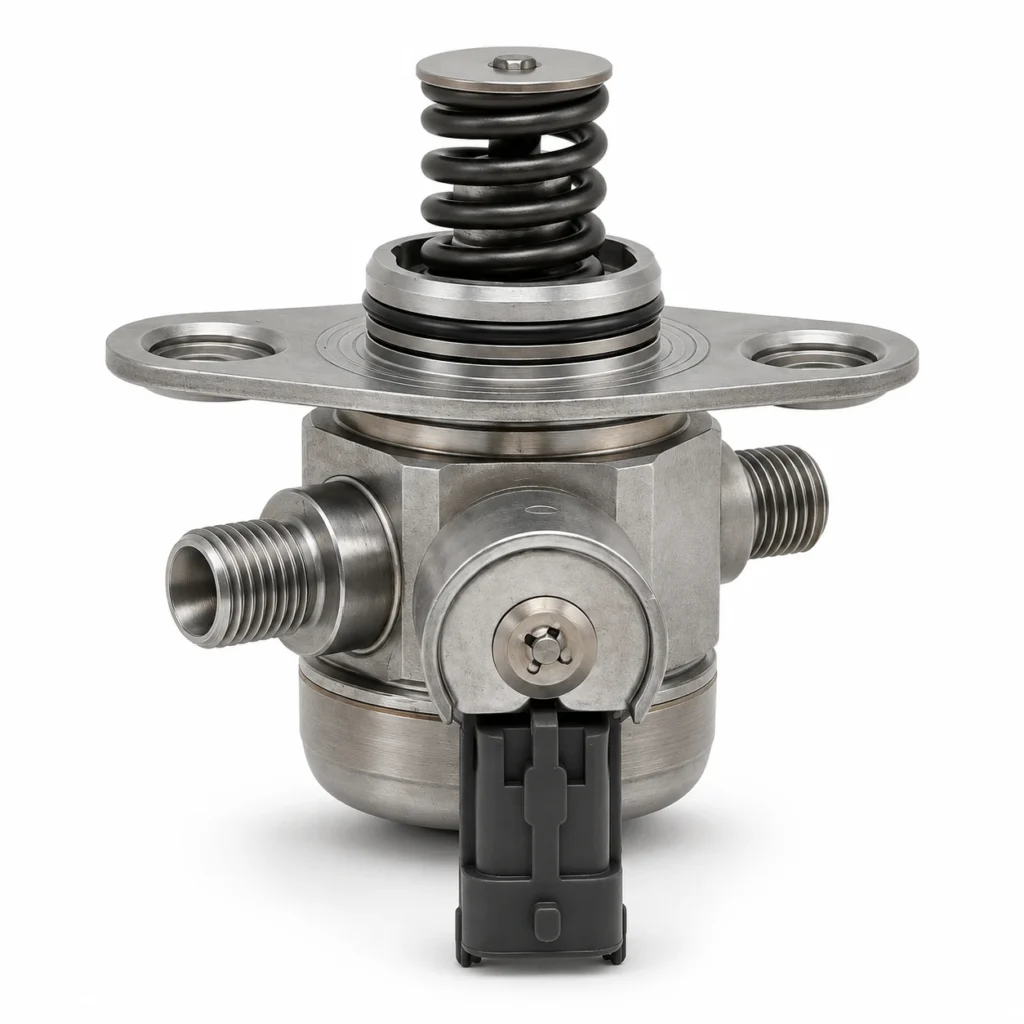
“Fuel pump” can describe a bare electric motor, an in-tank delivery assembly, a mechanically driven high-pressure unit or a separate fuel-transfer device. Their electrical connections are not interchangeable. A procedure written for a simple brushed motor cannot automatically be used on a brushless assembly with integrated electronics. A multi-pin flange connector may contain more than the motor’s power and return circuits.
Before considering a test, record the original and replacement part numbers, vehicle identity, connector arrangement and any supplied installation sheet. Establish whether a separate controller remains in the vehicle or forms part of the replacement. If the documentation does not identify the terminals clearly, stop at identification. A missing diagram is a reason to obtain information, not an invitation to discover the pinout experimentally.
The brushed versus brushless fuel pump comparison explains why motor architecture matters to replacement planning. For a controlled system, also distinguish the controller command from motor power; the PWM fuel pump guide covers that separate topic. Neither article supplies a universal terminal assignment.
For the broader system context, begin with the fuel pump types and operating roles guide. Keep the component category separate from its wiring details when preparing a service or purchasing record.
Why sound alone is an incomplete test
A pump that makes noise has shown only that something is operating audibly. It has not established correct flow direction, required delivery pressure, acceptable electrical loading or compatibility with the vehicle. Equally, silence does not isolate a polarity problem. Missing command, a supply interruption, an unsuitable test method or a defective component can require different investigations.
The public scope of SAE J1537 on low-pressure gasoline pump characterization treats delivered flow at specified pressure and voltage separately from electrical characteristics. That distinction is useful when interpreting a workshop report. The scope does not provide a pinout, a safe duration for reverse operation or a pass limit for every pump, and this article does not claim access to the full standard.
When a concern is described as “runs but will not start,” ask which observations were actually made. Was pressure measured with suitable equipment? Was the system commanded in the way required by the service information? Was the correct fuel connection identified? These questions prevent a plausible polarity suspicion from becoming an unsupported replacement diagnosis.
Preserve the connection evidence before changing it
Photograph the original connector and its position before disconnection when practical. Include the locking feature and the direction from which the image was taken. For terminals identified by cavity numbers, record those numbers from the relevant drawing. A photograph viewed from the wire side can appear reversed compared with a drawing viewed from the terminal side, so the viewing direction belongs in the record.
Do not treat wire color as a universal positive or negative identifier. A repaired harness, an adapter or a previous replacement may have a different color arrangement. The workshop should establish the circuit identity from the correct information and appropriate measurements. A supplier should ask for the confirmed cavity assignment rather than telling a customer to connect a particular color based on another product’s photograph.
Keep the old and replacement components distinguishable during inspection. Label their photographs and packaging with the job reference. If an adapter is supplied, document its part number and the mapping specified by its manufacturer. An adapter that physically plugs in still needs verified electrical compatibility; mechanical fit does not establish that every terminal connects to the intended circuit.
A polarity-verification checklist for replacement jobs
| Item to verify | Useful record | What remains unproven without it |
|---|---|---|
| Exact replacement identity | Part number, revision and supplier documentation | Whether the installation information applies to this part |
| Connector viewing direction | Cavity drawing plus labelled photograph | Whether left and right have been interpreted consistently |
| Motor versus signal terminals | Vehicle diagram and component terminal identification | Whether an external supply would damage a control circuit |
| Adapter mapping | Approved adapter number and documented connections | Whether a matching plug has the correct circuit arrangement |
| Electrical test conditions | Test procedure, instrument and commanded operating state | Whether the reading represents normal loaded operation |
| Delivery verification | Pressure or flow result with specified test conditions | Whether audible operation produces the required fuel delivery |
| Repair outcome | Actions taken and repeated prescribed checks | Whether the original concern has been resolved |
The table organizes evidence; it does not authorize energizing any terminal. Its separation of electrical operation and delivered fuel performance is consistent with the SAE characterization scope. The actual connection and acceptance criteria must come from the vehicle and component documentation.
Avoid improvised live tests around fuel
Opening a fuel system introduces hazards that are separate from the polarity question. A trained workshop needs the specified pressure-relief procedure, suitable equipment and a controlled work area. Keep sparks, exposed live connections and unsuitable containers away from fuel and vapor. Do not run a removed pump dry or use an open container as an improvised test rig to discover which connection produces flow.
The CDC/NIOSH gasoline hazard entry identifies gasoline as a highly flammable liquid and documents important exposure hazards. It is not a model-specific fuel-pump test procedure. Applicable local requirements and the vehicle manufacturer’s instructions still govern the work. This guide deliberately supplies no jumper-wire arrangement or generic bench-test recipe.
A parts buyer can help by refusing to translate an uncertain return report into a request for “more powerful” direct battery testing. Ask for the workshop’s documented test method and circuit identification instead. If an electrical connection is melted, loose or damaged, that condition needs its own assessment before a replacement pump is exposed to the same circuit.
What to do after suspected reverse connection
Stop further operation and preserve what is known: the part identity, connection arrangement, duration if reliably recorded, whether fuel was present and the observed symptoms. Do not guess a safe exposure time or promise that a fuse prevented component damage. A fuse’s behavior does not establish that every electronic or mechanical element has remained unaffected.
Have the workshop compare the actual connection with the required connection using the applicable information. If a mistake is confirmed, the subsequent inspection and verification should follow the component supplier’s instructions. Reconnecting correctly does not by itself prove that the pump is serviceable. Conversely, a suspected mistake does not prove that the pump has failed. Keep those two conclusions separate until there is evidence.
For warranty communication, record facts without assigning blame from appearance alone. “The adapter mapping has not been confirmed” is more accurate than “the customer reversed the pump” when no measurement or documented connection exists. This distinction protects the technical investigation and makes it easier for the supplier to request the next useful piece of evidence.
How to prepare an enquiry for a replacement pump
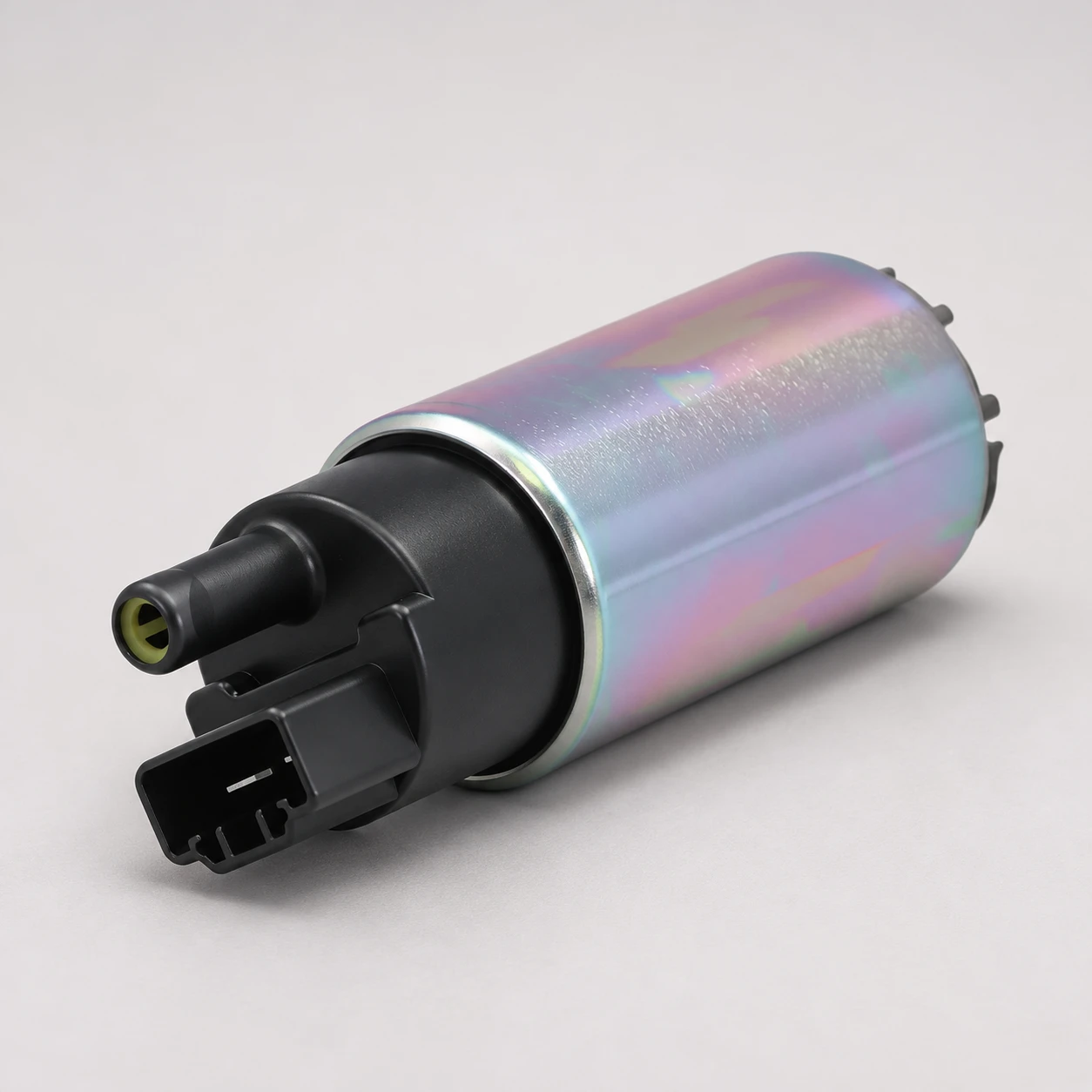
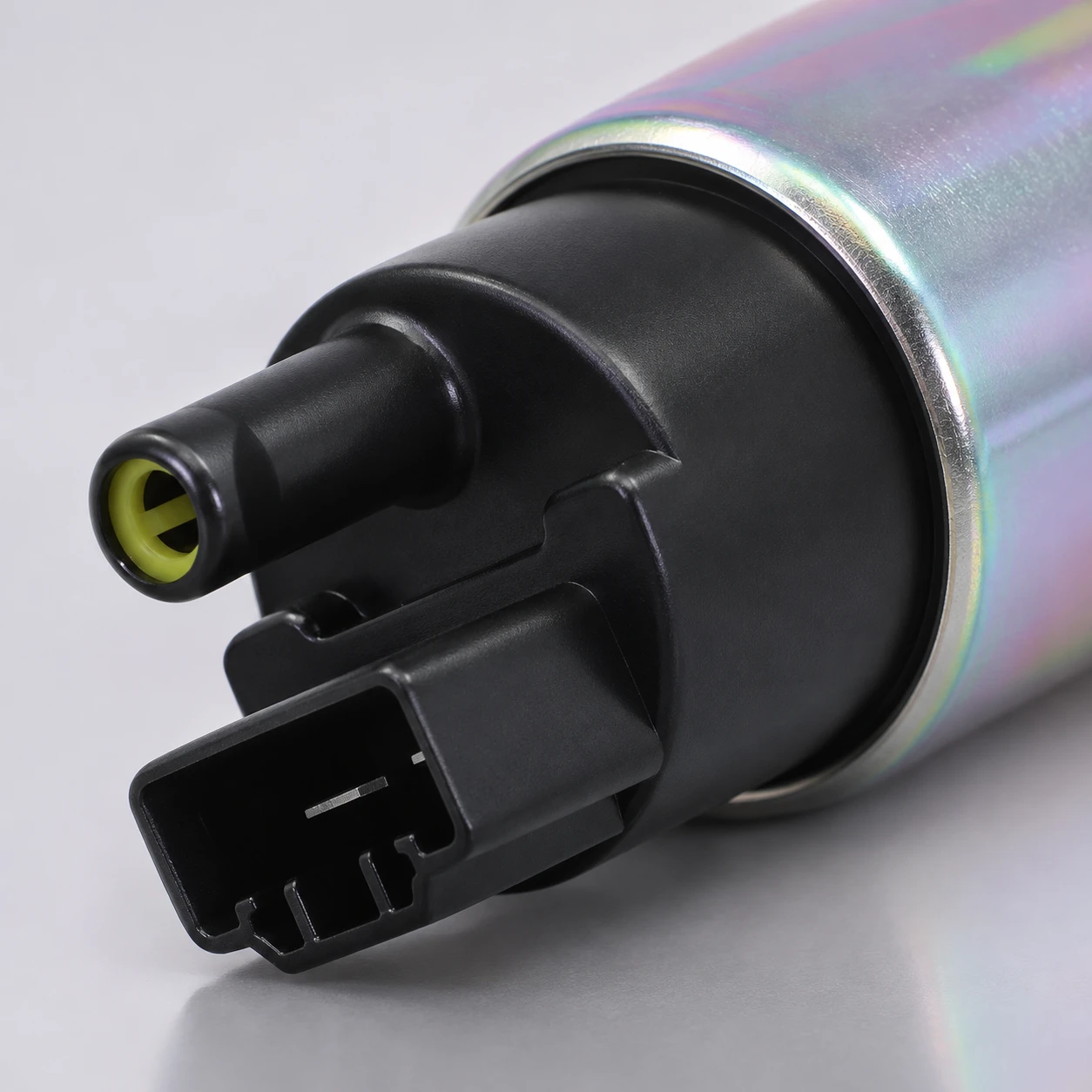
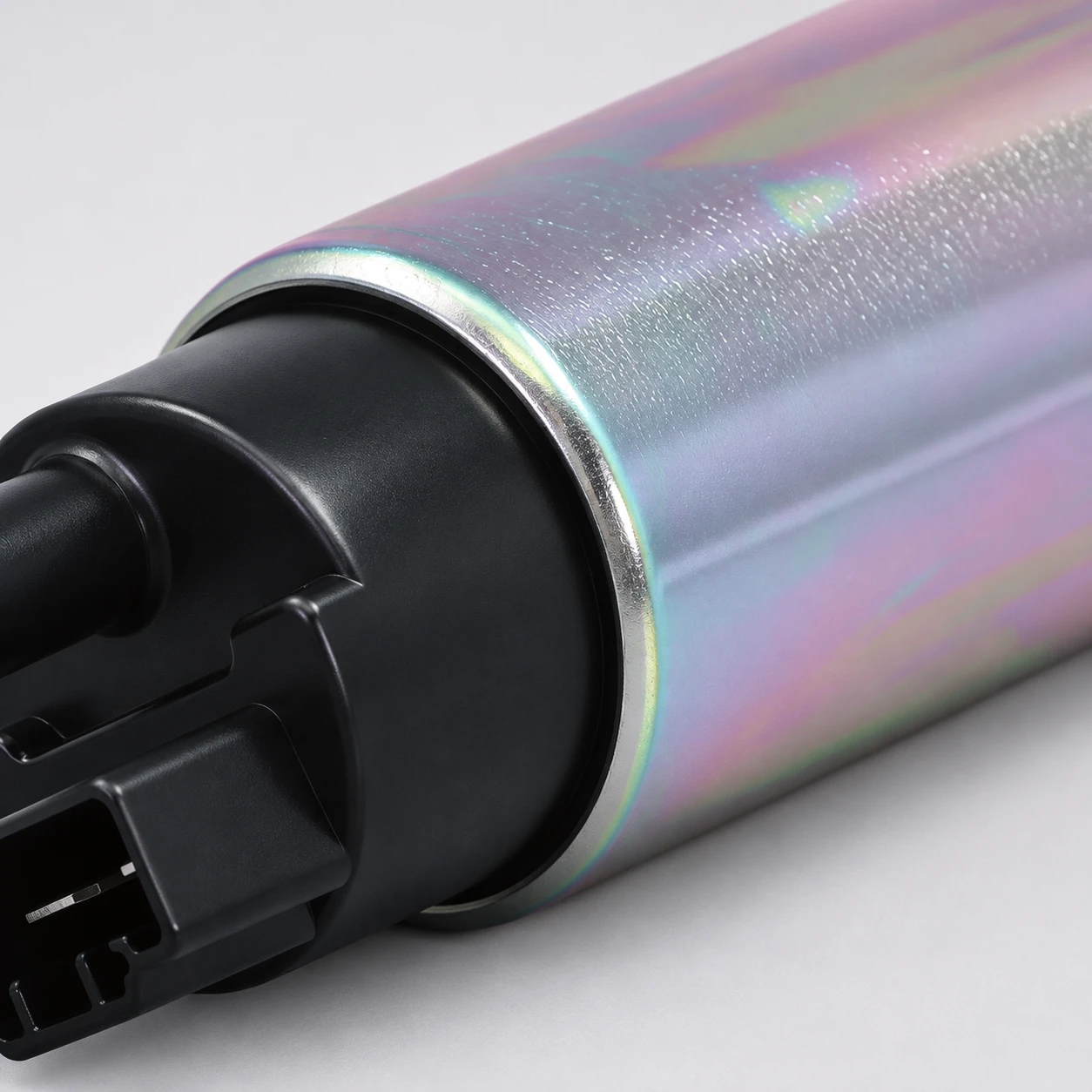
The electric gasoline pump reference listing shows a cylindrical metal-bodied pump with a molded connection end. It provides a concrete product reference for an enquiry, but the image does not identify a universal positive terminal, operating voltage, flow rating or controller compatibility. Request exact-part documentation and confirmed application details before installation.
Send the vehicle and engine identity, original reference number, existing controller information and clear connector photographs. State whether the request concerns a bare pump or a complete assembly. Include the required fuel and delivery specification only when it comes from reliable application information. Do not infer fuel compatibility or electrical requirements from the metal finish, terminal size or similarity to another manufacturer’s pump.
For recurring supply, ask how installation information is associated with each shipment and how revisions are identified. A documented receiving check can compare part numbers, packaging and supplied diagrams before stock reaches a workshop. Such a process reduces avoidable uncertainty without claiming that a visual inspection alone validates internal performance or durability.
Educational video: trace the electrical circuit
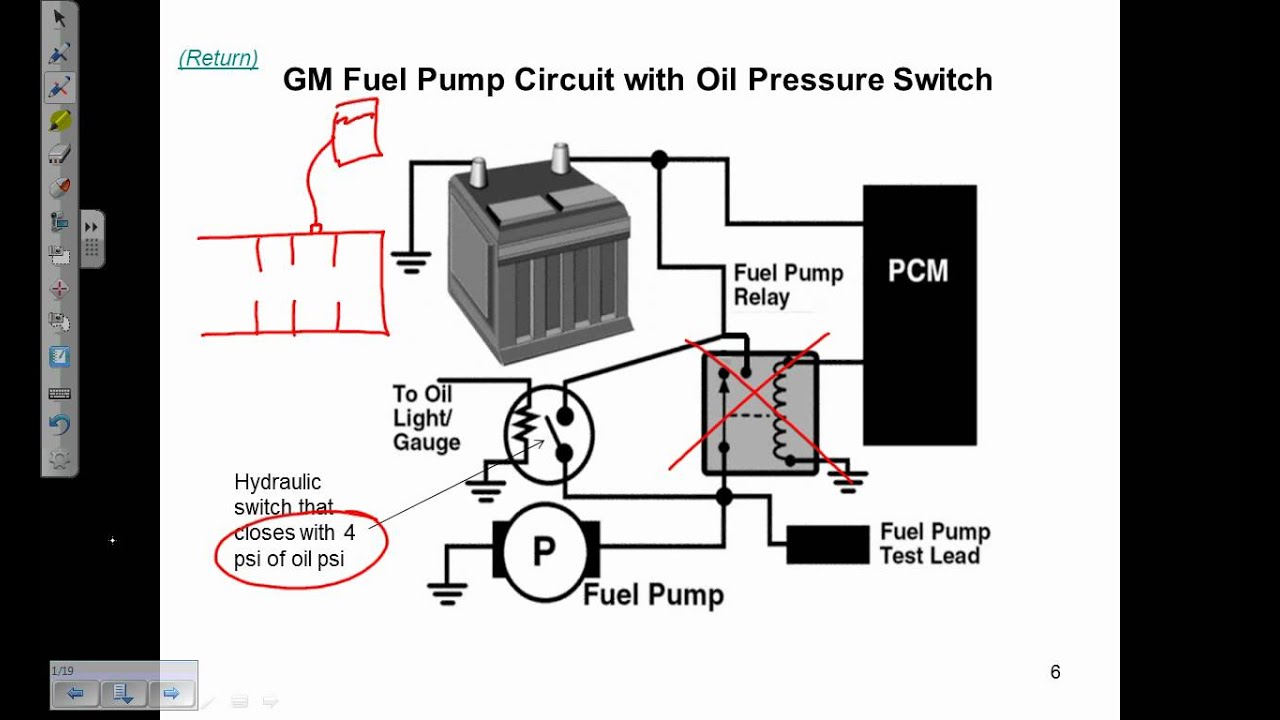
ScannerDanner: Fuel Pump Electrical Circuits Description and Operation
This classroom explanation introduces fuel-pump circuit operation. It is useful background for separating a supply path, a control function and a motor load. Apply only the diagnostic method appropriate to the actual vehicle; the video is not the wiring diagram for the reference product.
FAQ
Will every electric fuel pump run backward with reversed polarity?
Do not generalize across pump designs. A motor, a polarity-sensitive electronic assembly and a different type of fuel-transfer device may react differently. Use the instructions for the exact component and avoid experimental reverse operation.
Can I identify the positive terminal by wire color?
Color alone is insufficient. Confirm the correct connector view, cavity identification and circuit assignment from the applicable diagram and workshop measurements, especially when adapters or earlier repairs are involved.
If the pump makes noise, is the polarity correct?
Noise does not establish correct polarity or satisfactory delivery. Verify the electrical connections and the required pressure or flow using the specified test procedure before drawing a conclusion.
What should a supplier receive with a suspected polarity return?
Provide part numbers, connector photographs, documented circuit assignments, the test method and actual observations. Preserve uncertain details as unknown and request a supplier-approved inspection rather than repeating uncontrolled tests.