VVT solenoid oil viscosity questions should start with the engine manufacturer’s oil specification, not with a thicker-oil experiment or an immediate replacement valve. On hydraulically operated variable valve timing systems, lubricant condition and oil delivery belong in the diagnosis alongside electrical control and mechanical timing. A timing fault code does not identify which part has failed. Confirm the vehicle, engine, required lubricant and recent service history, then follow the applicable diagnostic procedure. This guide explains how a workshop or parts buyer can organize those checks without treating one oil grade, pressure reading or solenoid design as universal.
What the oil specification can tell you
The viscosity grade on an oil container describes one part of the lubricant requirement. It does not, by itself, establish that the oil meets every requirement for a particular engine. The American Petroleum Institute motor oil guide distinguishes viscosity from performance categories and directs users to the vehicle manufacturer’s recommendations. Use the exact owner or service document for the engine and market involved. An oil brand name or a workshop invoice reading only “synthetic oil” is incomplete evidence.
Record the specified viscosity, required performance category and any manufacturer approval as separate fields. Then identify what was actually installed. Photograph the container or obtain the bulk-oil product record when available. If the installed product cannot be established, write “unknown” rather than inferring it from color, smell or what the workshop usually stocks. This small distinction prevents a purchasing decision from depending on an undocumented assumption.
The current API guide download page is useful for understanding quality marks. It is not a replacement for the engine’s own requirements, and neither API document establishes the correct viscosity for every VVT-equipped engine. This article therefore gives no universal grade, oil-change interval or approved substitute.
Separate oil level, oil condition and oil pressure
A useful intake sheet gives these three observations separate spaces. Record oil level using the vehicle’s prescribed checking conditions. Record known service history, unusual consumption and any contamination concern without deciding the cause from appearance alone. Finally, record whether oil pressure has actually been measured, where it was measured and under what conditions. “The oil looks clean” is not a pressure test, and an oil warning lamp is not a complete pressure report.
A practical example of why test conditions matter appears in an AERA bulletin concerning specified GM engines. It discusses a low-pressure investigation with a defined measurement location and hot-idle conditions. Its engine coverage and limits must not be transferred to another engine. The general lesson is to obtain the right procedure before interpreting a number. A reading taken at a different point or temperature may answer a different question.
For a return involving a replacement solenoid, request the original test sheet rather than simply asking whether pressure was “okay.” The report should identify the engine, test point, oil temperature condition, engine speed, instrument and applicable specification. If any field is missing, the result may still be useful, but its limits should remain visible. Do not upgrade an incomplete report into proof that the replacement part is defective.
Build a useful diagnostic record before changing anything
Save the fault codes, their status and available freeze-frame information before clearing them. Ask when the concern occurs: immediately after an oil service, at a cold start, after prolonged operation, or during a particular driving event. Record whether the engine has recently had timing, cylinder-head, oil-pan or electrical work. These details establish a starting point and help the technician select the correct branch of the manufacturer’s procedure.
Avoid combining several speculative repairs into one intervention. If an oil correction, connector repair and solenoid replacement are performed together, later improvement cannot reliably identify which action mattered. There may be legitimate reasons to perform several required operations, but the work order should distinguish required maintenance from a proven fault repair. That separation is useful for warranty review and prevents misleading claims about a particular part.
For a broader introduction to the component’s role, see VVT solenoid symptoms and initial checks. The present article addresses the oil-verification stage. It does not replace a full timing-system diagnosis or prescribe a workshop test sequence for every vehicle.
A decision table for workshop and purchasing teams
| Observation | Evidence to collect | Appropriate next decision |
|---|---|---|
| Concern began after an oil change | Exact oil product, quantity record, filter identification and engine requirements | Resolve any documented service mismatch using the vehicle procedure |
| Installed lubricant is unknown | Container label or bulk-oil traceability and service invoice | Keep lubricant compliance unconfirmed until identified |
| Timing fault repeats with documented correct oil | Stored codes, operating conditions and diagnostic test results | Continue electrical, hydraulic and mechanical checks specified for the engine |
| Low pressure has been reported | Test point, engine speed, temperature condition and actual reading | Compare only with the matching manufacturer’s test conditions |
| Valve has been removed | Part number, position, connector and visible debris photographs | Determine permitted inspection and replacement scope before ordering |
| Replacement is requested without test evidence | Vehicle identity, original part number and reason for replacement | Quote a verified match while keeping failure diagnosis separate |
This is a qualitative evidence checklist, not a set of limits. Its oil-identification principle follows the API guidance above; its pressure-recording caution is illustrated by the engine-specific AERA bulletin. None of the rows authorizes substituting a different viscosity to conceal an unresolved condition.
Where electrical and mechanical checks fit
The solenoid’s connector and the engine’s oil system are different diagnostic areas. A wiring fault cannot be established from an oil-change record, and an oil specification cannot be established from a coil reading. Follow the service information for connector inspection, circuit checks and any commanded actuator test. Do not apply battery power to an unidentified valve merely because it has two terminals. The correct test equipment and permitted activation conditions depend on the component and control system.
Likewise, a valve that makes an audible movement during a permitted test has not automatically passed every functional requirement. The workshop still needs to determine whether the system responds as specified. Keep the observed result narrow: record what was commanded, what was measured and what the procedure says that result establishes. Avoid translating one successful observation into a guarantee about all operating conditions.
Mechanical timing and oil-delivery concerns may require specialist inspection. If the service procedure identifies an unsafe pressure condition, abnormal mechanical noise or another stop condition, resolve that concern before further operation. A parts supplier should not recommend a road test simply to see whether a replacement valve will overcome an unresolved lubrication problem.
Match the replacement valve without assigning oil properties to it
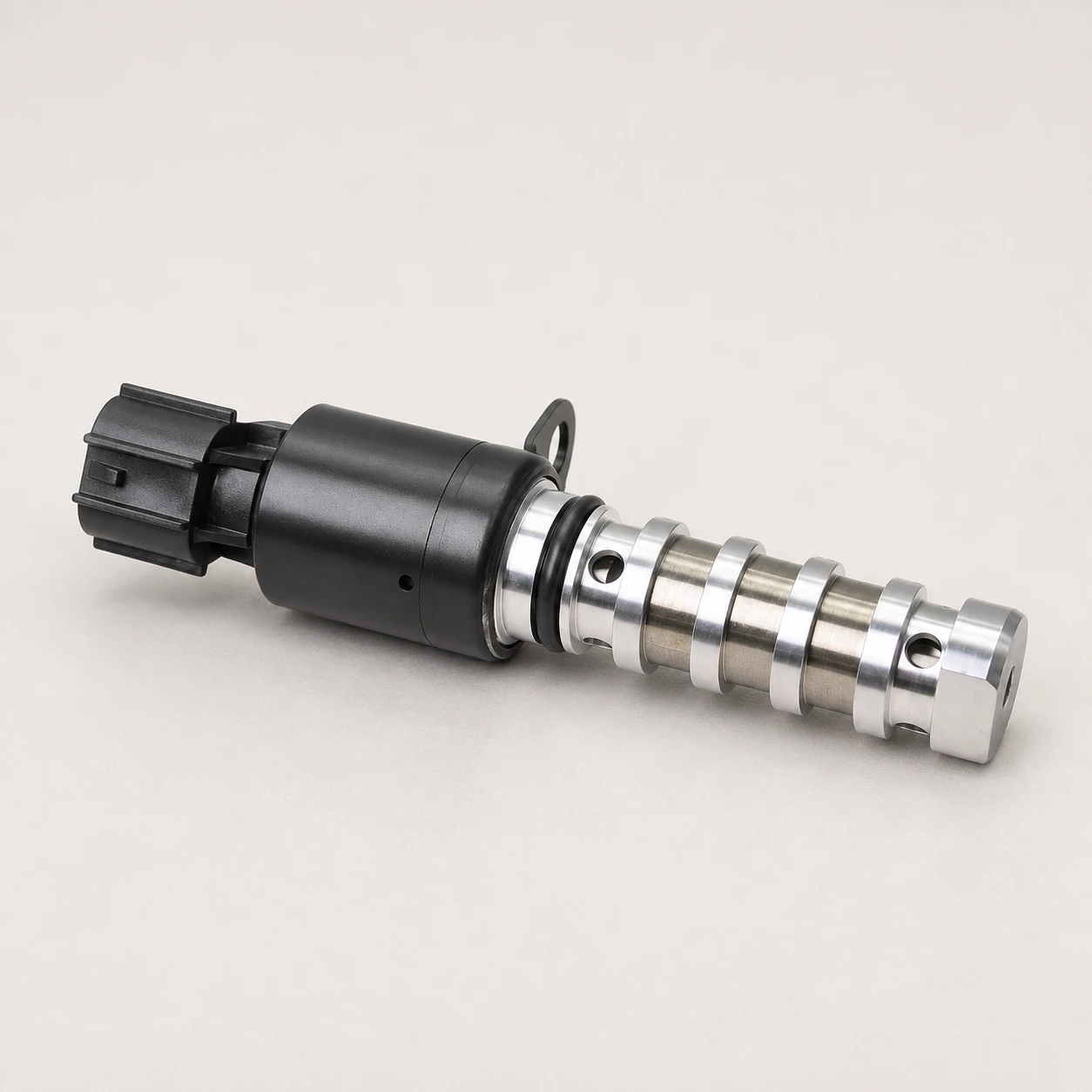
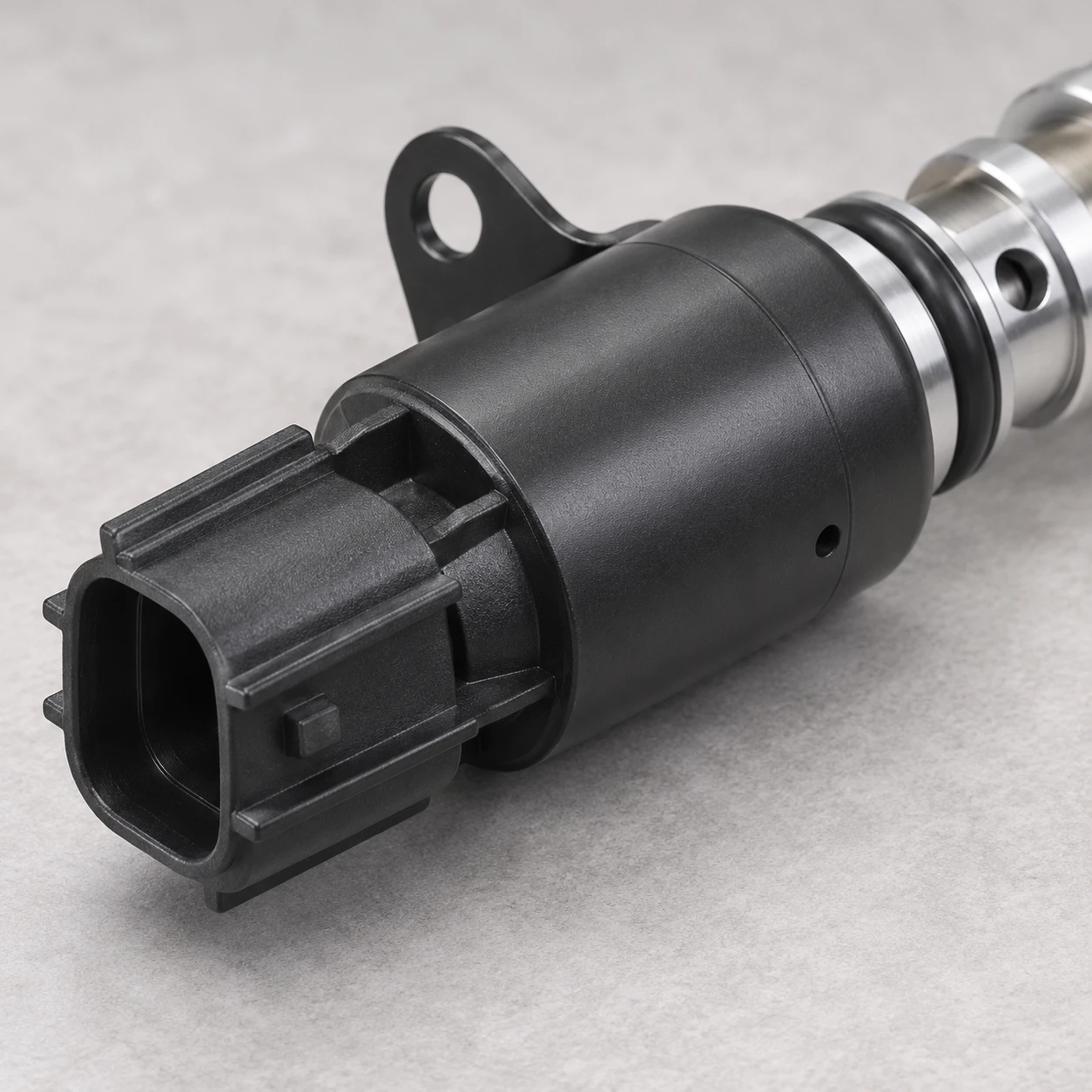
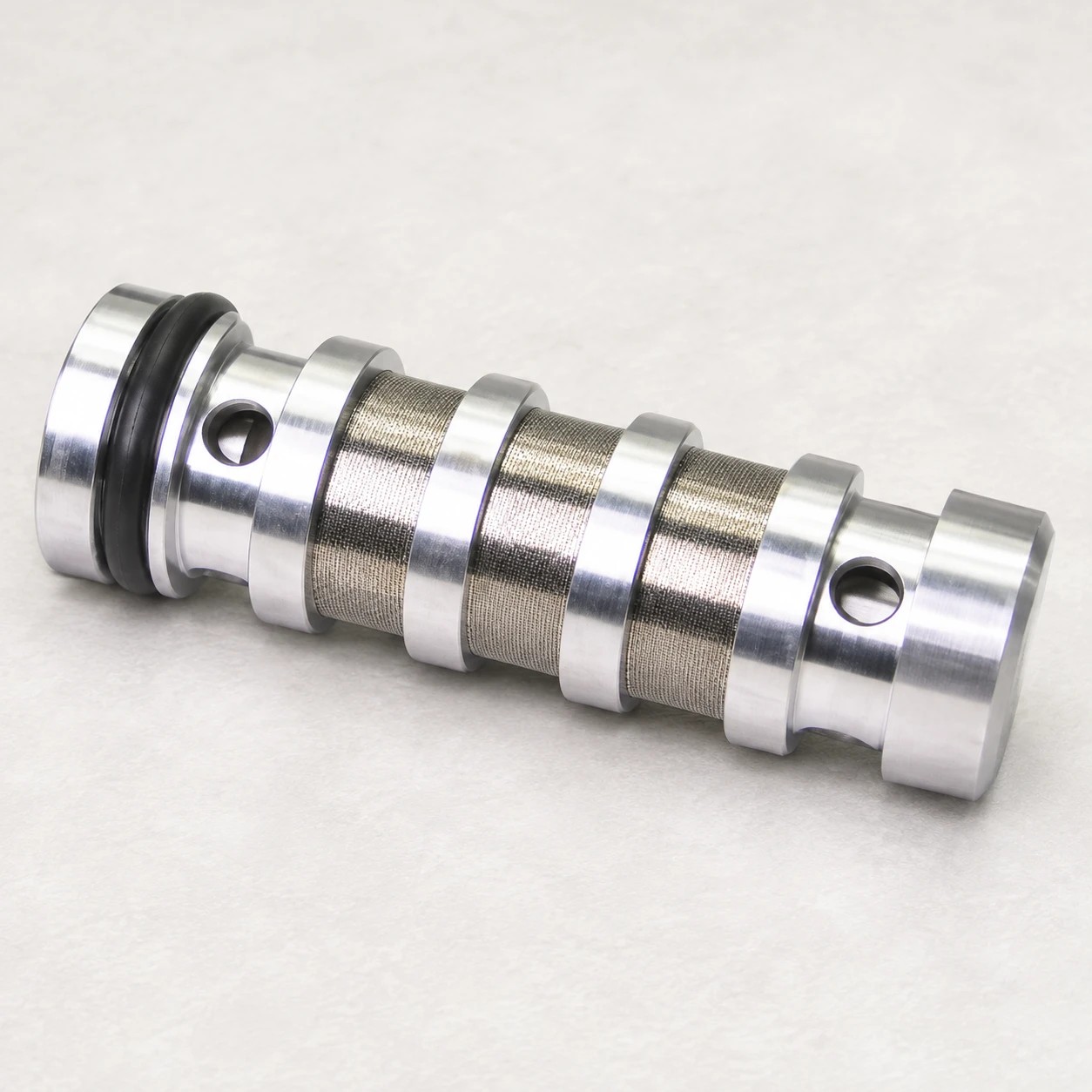
The KS-VVT105A reference product listing shows a specific external valve configuration and reference number. Use that listing as a starting point for an application enquiry. The visible body, connector and mounting features do not establish a universal oil grade, operating pressure, internal calibration or interchangeability with another valve. Ask for confirmation against the vehicle and the exact original part number.
Photographs should show the complete old part, connector orientation, mounting tab and any identifying marks. Mark the installed position separately. The distinction between intake and exhaust VVT solenoids matters when an engine has more than one control valve. Similar appearance is insufficient reason to swap positions or consolidate two stock references into one.
For an importer building a catalogue, keep lubricant advice out of unsupported product attributes. A part listing can truthfully identify the component and documented application while directing service personnel to the engine’s oil specification. Do not turn a general oil-system discussion into a claim that a particular replacement valve prevents sludge, fixes oil pressure or tolerates any viscosity.
Verify the outcome under documented conditions
After authorized work, the technician should follow the manufacturer’s verification procedure and record the conditions used. State what changed, what faults returned, and which relevant readings were repeated. A warning lamp that remains off briefly is a different observation from completion of the prescribed verification. Keep both facts accurate, especially when a customer is asking whether a supplied solenoid resolved the concern.
If the original concern returns, compare the new record with the saved baseline. Avoid automatically escalating to another valve or a heavier oil. A consistent evidence trail can show whether the next investigation belongs to wiring, lubrication, timing or another area. For engines with a separate concern about increasing oil level or fuel contamination, use the distinct fuel-in-oil diagnosis guide rather than treating every oil issue as a viscosity problem.
Educational video: understand the timing mechanism
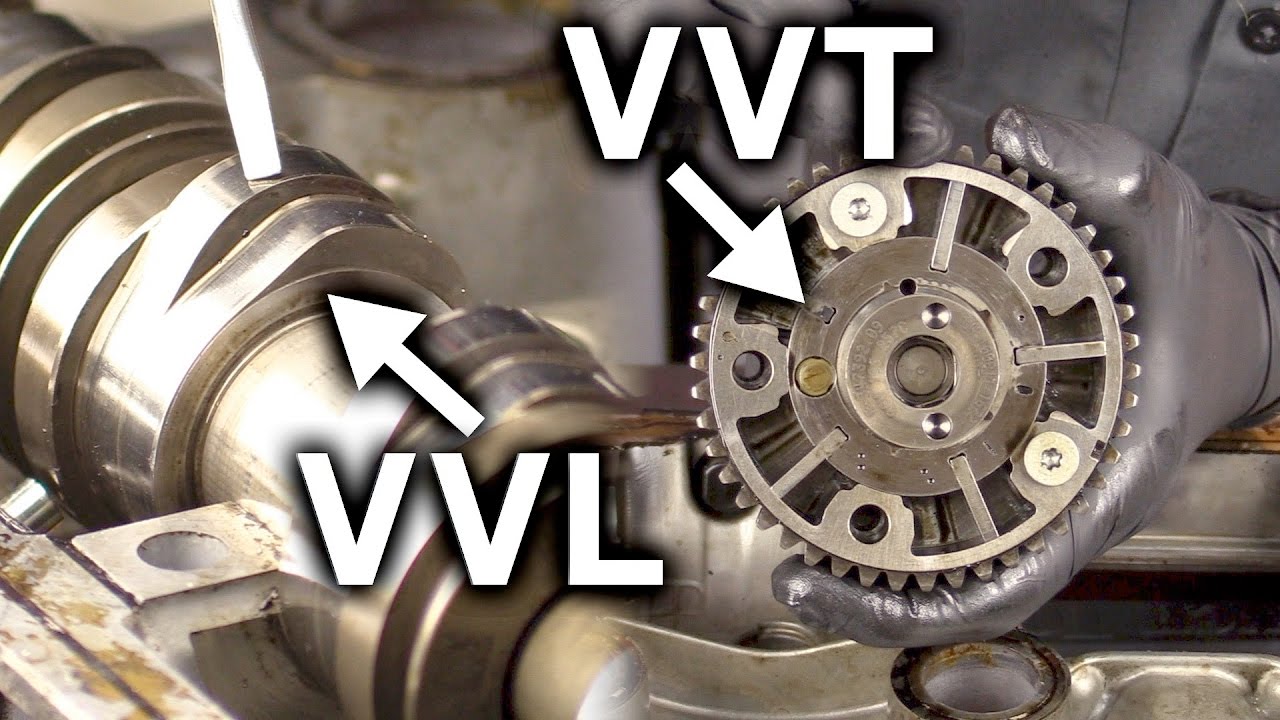
Engineering Explained: Variable Valve Lift vs Variable Valve Timing – VVL vs VVT
This neutral engineering explanation helps distinguish valve timing from valve lift. It provides background for the discussion; it does not specify the oil, test pressure or replacement procedure for the reference product.
FAQ
Can the wrong viscosity cause a VVT fault?
It can be a relevant factor on a hydraulically operated system, but the symptom does not prove that viscosity caused the fault. Verify the installed lubricant and follow the engine-specific checks before assigning a cause.
Should I use thicker oil to make a VVT code disappear?
Use the lubricant required by the vehicle manufacturer. Changing viscosity to suppress a symptom leaves the underlying diagnosis unresolved and is not a substitute for the specified pressure and timing checks.
Does a new VVT solenoid change the required oil grade?
A replacement valve does not establish a new engine lubricant requirement. Confirm the component application separately and retain the oil specification provided for the exact vehicle and engine.
What information should accompany a VVT parts enquiry?
Provide vehicle and engine identification, the original part number, installed position, connector photographs and the workshop’s reason for replacement. Include relevant oil-service and diagnostic records without presenting an unconfirmed cause as fact.