Motorcycle fuel pump storage starts with the motorcycle manufacturer’s instructions for the exact model, fuel blend, and storage period. There is no single rule to drain every tank or leave every tank full. Before parking, resolve leaks and record the fuel condition. Before restarting, check the battery, fuel, hoses, and pump supply before condemning the assembly. A bike that will not start after winter has a diagnostic problem to solve, not automatic proof that its fuel pump failed.
This guide focuses on fuel-injected motorcycles and the practical handover between seasonal storage and a safe return to service. Carbureted machines, competition motorcycles, and road motorcycles can require different procedures.
Start with the correct storage instruction
Find the owner’s manual by model year and market, then read the storage and fuel sections together. A manual for a similar engine or a different market is useful background, but it is not the service authority for your bike. Write down whether the instructions call for draining, treating fuel, running the engine, or having a dealer prepare the fuel system.
For example, Honda’s CRF250R/RX storage instructions describe relieving pressure and draining the fuel tank into an approved container. That is a model-specific example, not advice to empty the tank on every injected motorcycle. Do not use a competition-bike instruction as a shortcut for a road-bike storage decision.
Fuel approval also varies. Honda’s CMX1100 fuel guidance specifies an ethanol limit for that application and warns about blends outside the approved range. It does not establish the permitted blend for the Yamaha-reference module pictured here. Check the bike’s own documentation rather than inferring compatibility from the appearance of plastic, seals, or wiring.
Record the bike’s condition before parking
A useful storage record needs only a few entries: mileage, date, fuel purchased, known running issues, and whether any component was recently disturbed. If the motorcycle already hesitates, loses pressure, or smells of gasoline, investigate before storage. Otherwise an existing problem can be mistaken for damage caused by the months it spent parked.
Inspect accessible external hoses and connectors without opening a pressurized circuit. Look for rubbing, loose routing, damaged insulation, and signs of leakage. Photograph the arrangement if work is planned. The goal is to leave a clear baseline, not to dismantle a functioning pump assembly merely because winter is approaching.
Store service information with the motorcycle. A workshop receiving a bike months later can make better decisions when it knows whether the last normal ride occurred before or after a battery problem, tank removal, or fuel change. A dated record is more useful than guessing that the pump sounded slightly different last season.
Fresh fuel and additives require separate decisions
Fuel condition and additive approval are different questions. Replacing aged fuel does not automatically mean a stabilizer is required, and buying a stabilizer does not make contaminated fuel acceptable. Use the fuel grade and blend permitted by the motorcycle manufacturer. Do not assume premium octane means ethanol-free fuel; those are separate specifications.
Honda’s E20 information cautions against leaving aged fuel for prolonged periods and gives its own advice on additives for the vehicles it covers. This is another reason to avoid treating an additive recommendation from a general winterization guide as a universal rule.
If the manual permits a treatment, follow its directions and the treatment’s application limits. Keep the product name and amount in the storage record. Do not mix several products in the hope of multiplying protection. If the manual requires draining, arrange the approved handling and disposal route before opening the system. Never use the fuel pump as an improvised transfer device without an authorized procedure.
Use a storage decision checklist
The following table is a planning aid. It intentionally gives no universal fuel level, storage duration, or chemical dose. Those values come from the exact motorcycle’s instructions. The linked Honda examples above show why the model and fuel approval have to be established first.
| Condition | Decision to resolve | Useful record |
|---|---|---|
| Manual specifies fuel draining | Arrange the prescribed pressure-relief and draining procedure | Manual section, date, person completing the work |
| Manual permits fuel remaining in the tank | Confirm fuel quality and any approved treatment | Fuel blend, purchase date, treatment if permitted |
| Fuel smell or visible wetness before storage | Stop and investigate the leak before parking indoors | Location and repair verification |
| Bike already has starting problems | Separate battery, control, and delivery faults | Test conditions and confirmed findings |
| Tank or module removed during storage | Protect openings and plan new seals where required | Part numbers, routing photographs, service instructions |
| Longer storage than originally planned | Recheck the manufacturer’s extended-storage guidance | Revised return-to-service date and inspection plan |
Protect the assembly without running it dry
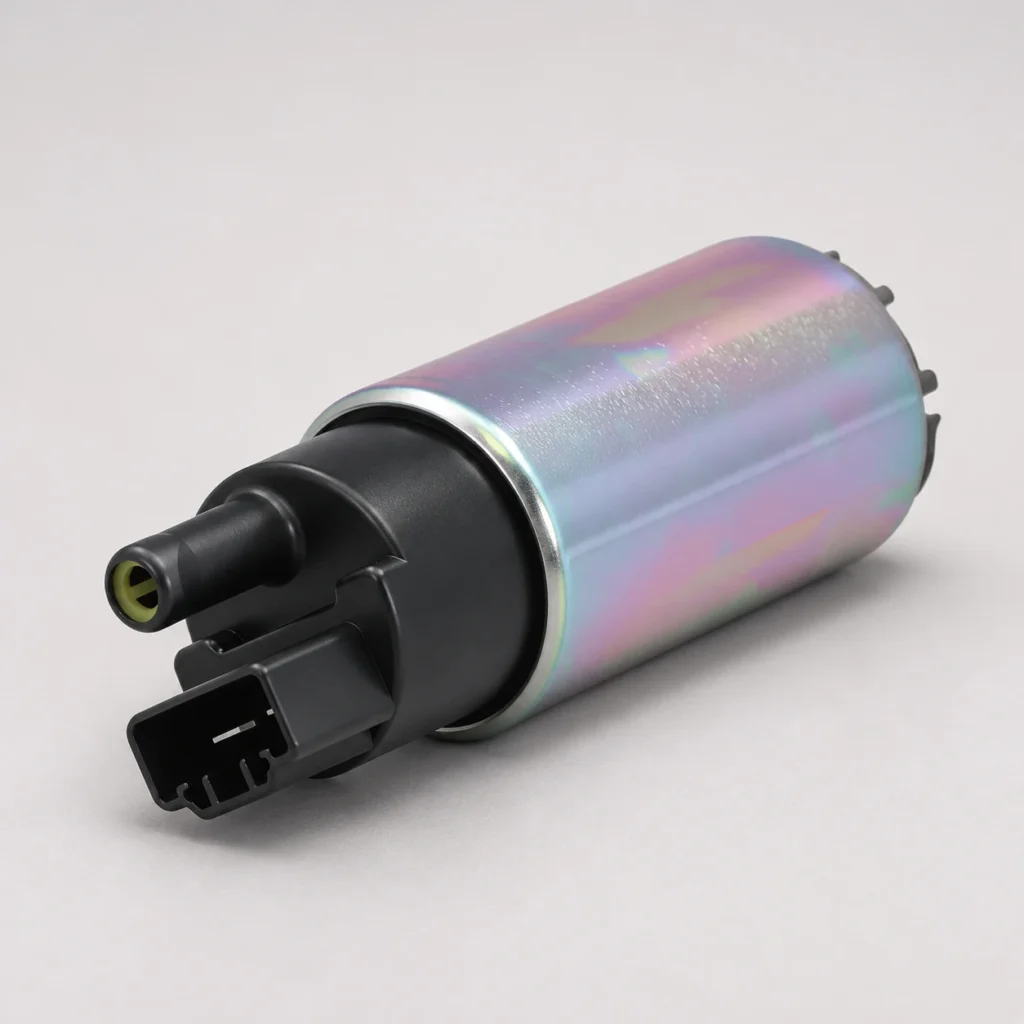
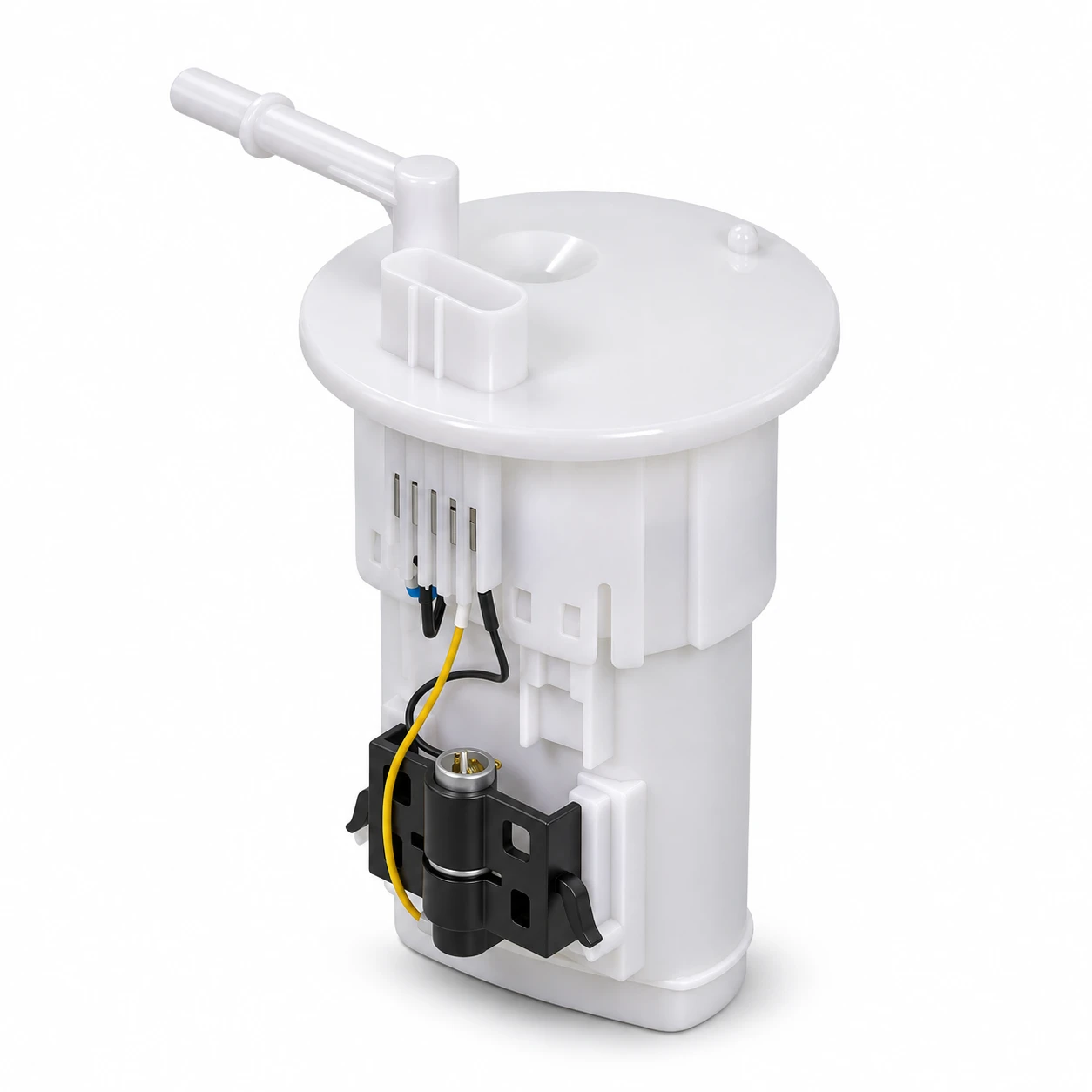
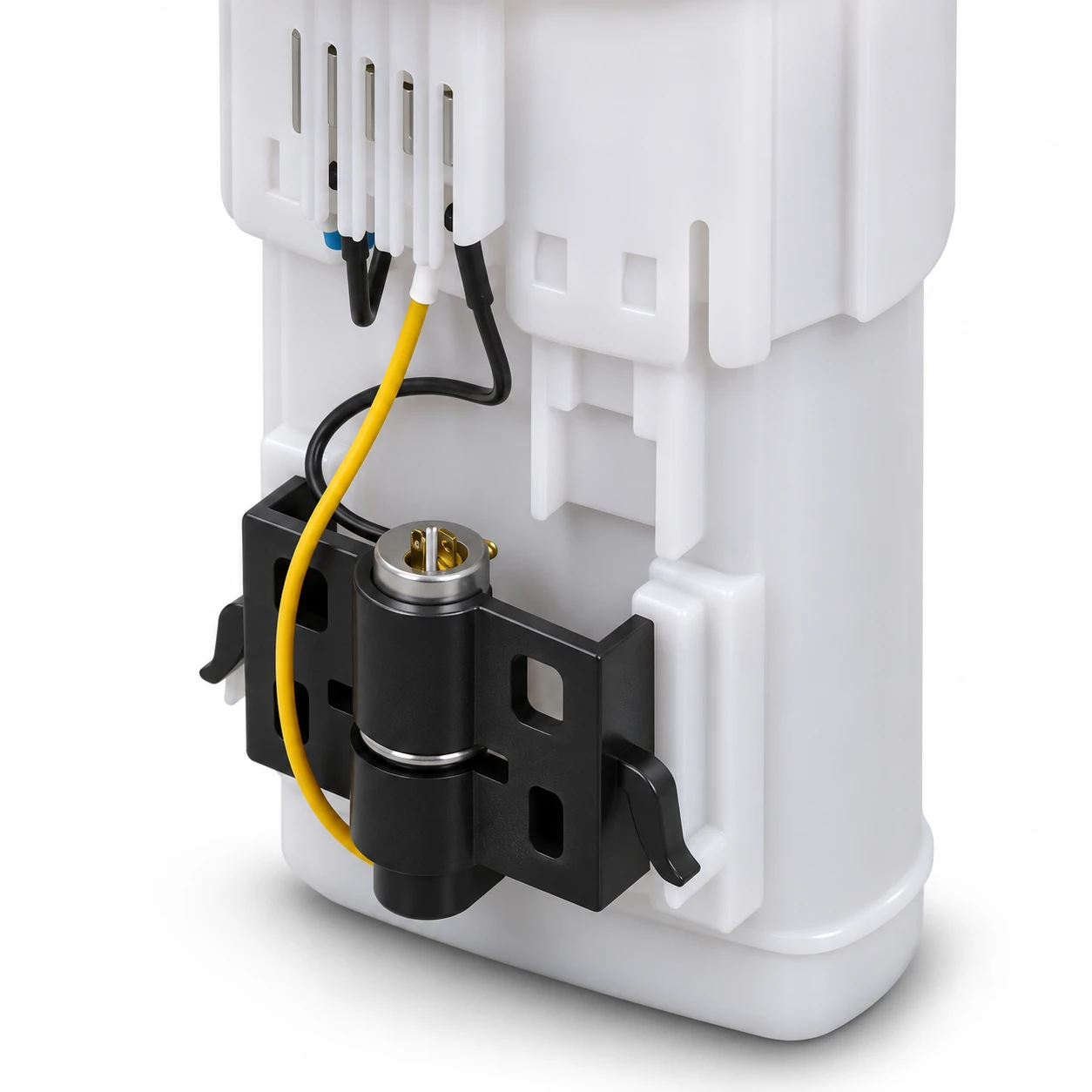
A fuel pump module includes more than its electric motor. Depending on design, it can incorporate a housing, filter or strainer, internal wiring, outlet connections, and other components. Storage work should preserve the whole assembly. A clean exterior photograph cannot show the condition of every internal passage or prove that the pump delivers the required pressure.
Do not power a removed module on a bench simply to hear it spin. An improvised electrical connection can create sparks, and rotation alone is not an approved performance test. Use the service procedure and equipment suitable for the application. Keep fuel work away from ignition sources and use the specified pressure-relief process before disturbing connections.
If a module must be removed for an authorized repair, protect its ports and the tank opening from contamination. Use suitable clean covers rather than loose fibers or material that could fall into the tank. Keep the module supported so that outlet fittings and exposed wiring do not carry its weight. Record any parts that must be renewed before reinstallation.
Restart checks should follow a measured order
When storage ends, begin with a visual inspection and the manufacturer’s recommissioning instructions. Check that temporary covers or protective plugs have been removed where appropriate. Confirm that disconnected hoses and electrical plugs have been restored to the recorded positions. A forgotten connection is easier to correct than an unnecessary pump replacement.
Next establish battery condition using the appropriate test. A dashboard that lights up does not prove the supply remains adequate during cranking. Low cranking voltage can affect several systems together, so a no-start should not be assigned to fuel delivery solely because the motorcycle was stored.
Then check fuel condition and the permitted starting sequence. Do not repeatedly cycle the ignition or crank for long periods in an attempt to force fuel through a suspected restriction. Follow the starter duty limits and diagnostic steps in the manual. Stop if there is leakage, an abnormal smell, or another condition requiring investigation.
If delivery testing is necessary, use the specified pressure and flow method, connection points, and limits. Hearing a prime is an observation, not a complete test. For the broader distinction between a motor and its surrounding components, see our guide to fuel pump assembly versus fuel pump.
What to send a supplier after a confirmed fault
A useful replacement enquiry identifies the bike before identifying a candidate part. Supply the make, model year, market, engine designation, and original assembly number. Include photographs of the flange, outlet, connector, and lower housing. Note any documented number changes, but do not treat a marketplace cross-reference as proof of interchangeability.
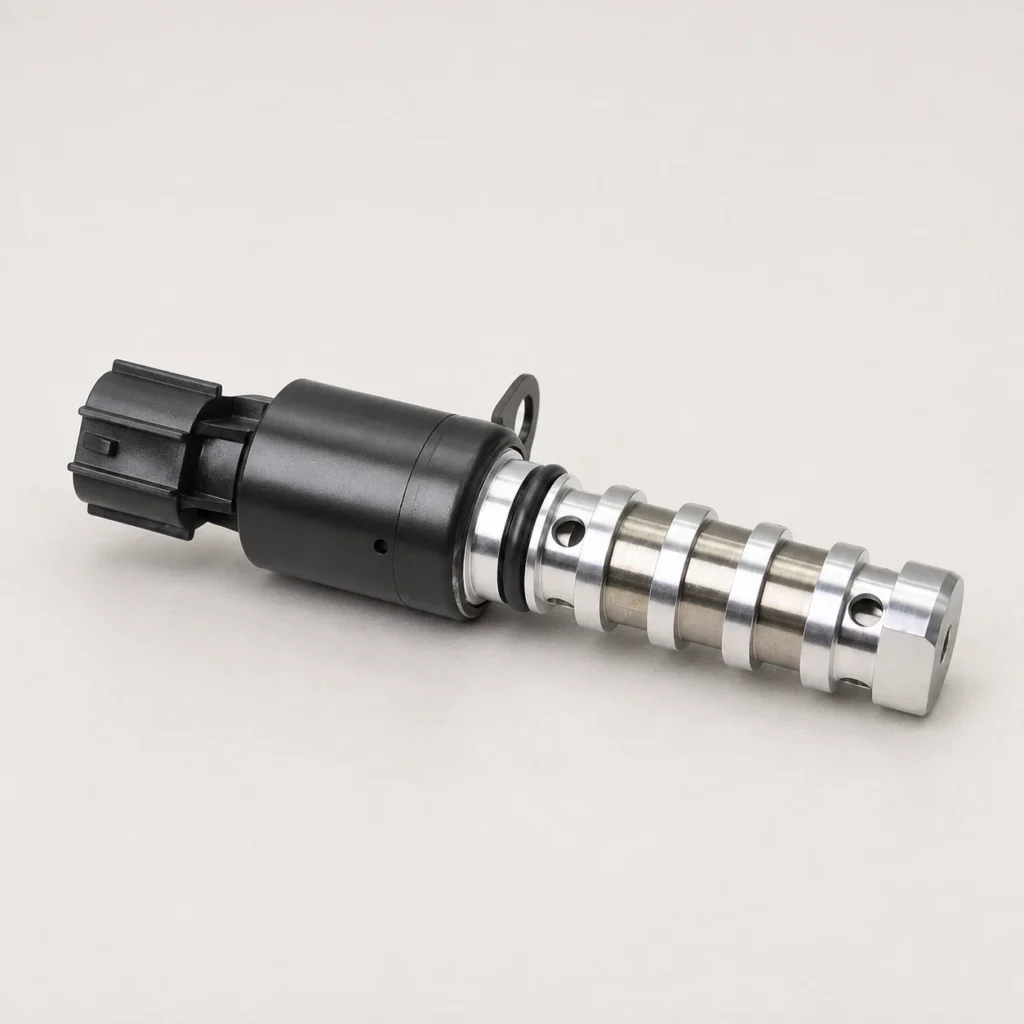
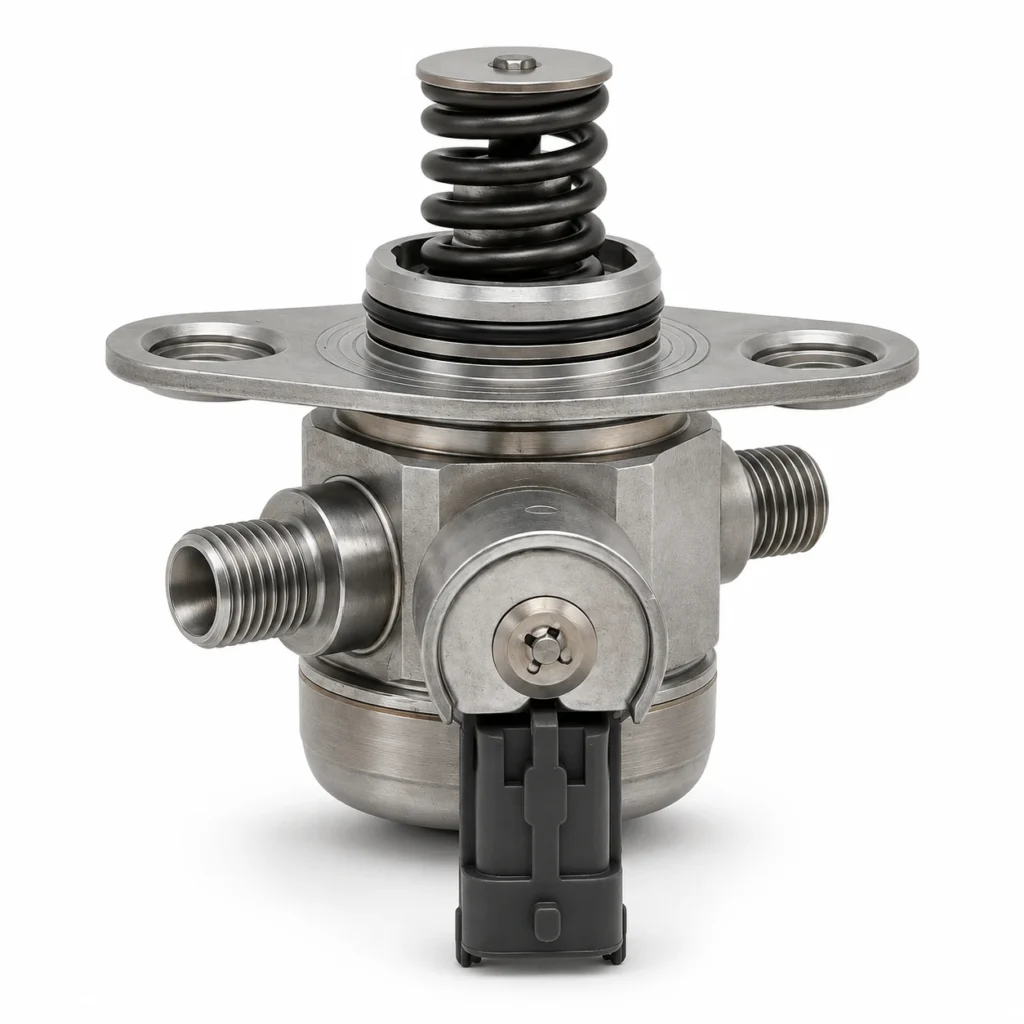
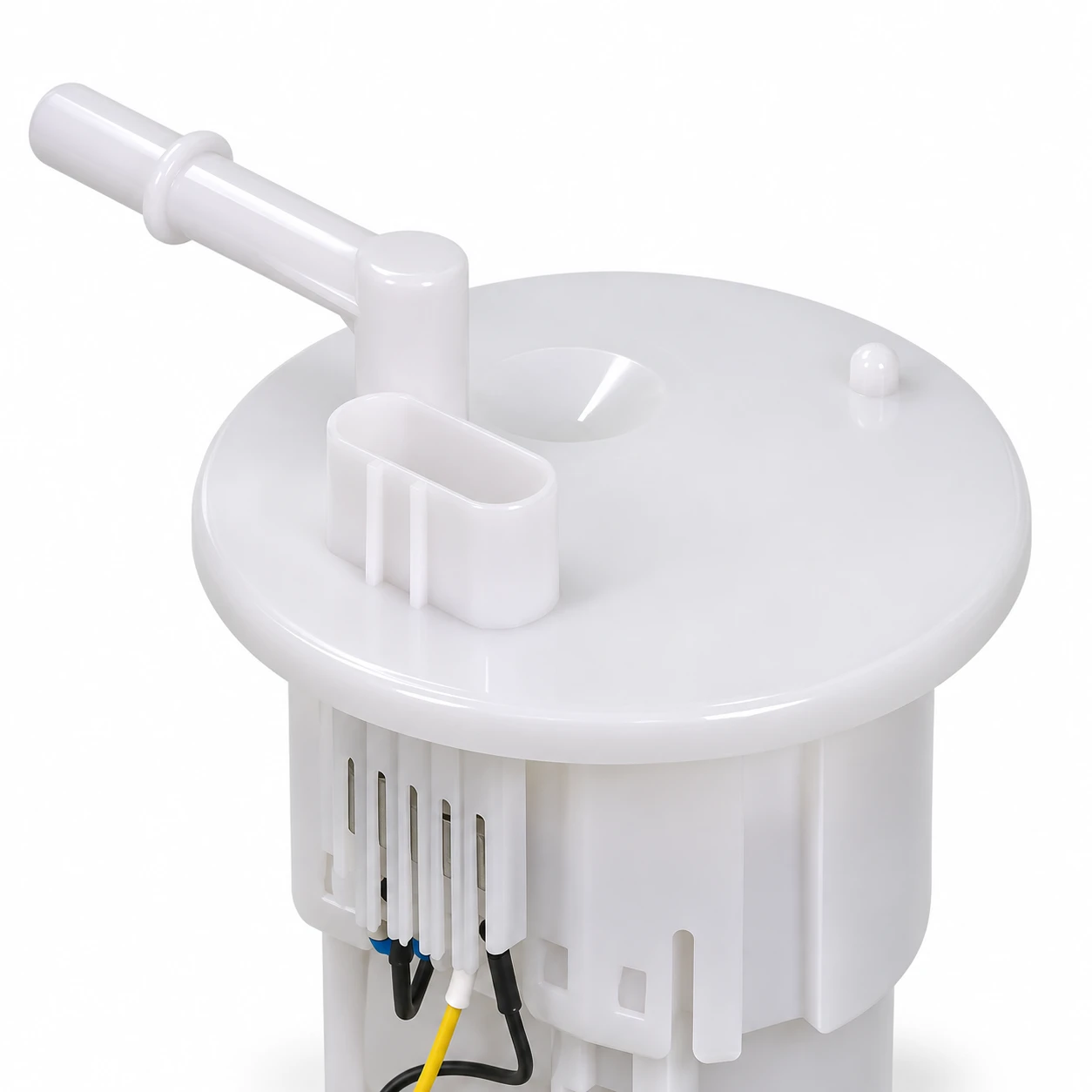
Kangsong lists a motorcycle fuel pump module reference for the Yamaha YZF R1. Its photographs can support a discussion of visible configuration. They do not establish your motorcycle’s fuel approval, storage method, pressure specification, or diagnosis. Ask for application confirmation and the required seals and installation information before ordering.
Also provide the test conditions that led to replacement: battery supply during the test, the delivery result, and the service specification used. Where an electrical defect is suspected, our fuel pump current-ramp testing guide explains why a measured signal needs context. Where physical connections have been disturbed, review the separate in-tank fuel pump connector guide.
Watch a seasonal-storage explanation
Motorcyclist Magazine’s MC Garage video shows the broader preparation process, including fuel-system planning. Treat it as general education. The motorcycle’s own instructions take priority whenever a demonstration uses a different fuel policy, tank design, or service procedure. The video is not evidence that the illustrated Kangsong module fits a particular motorcycle.
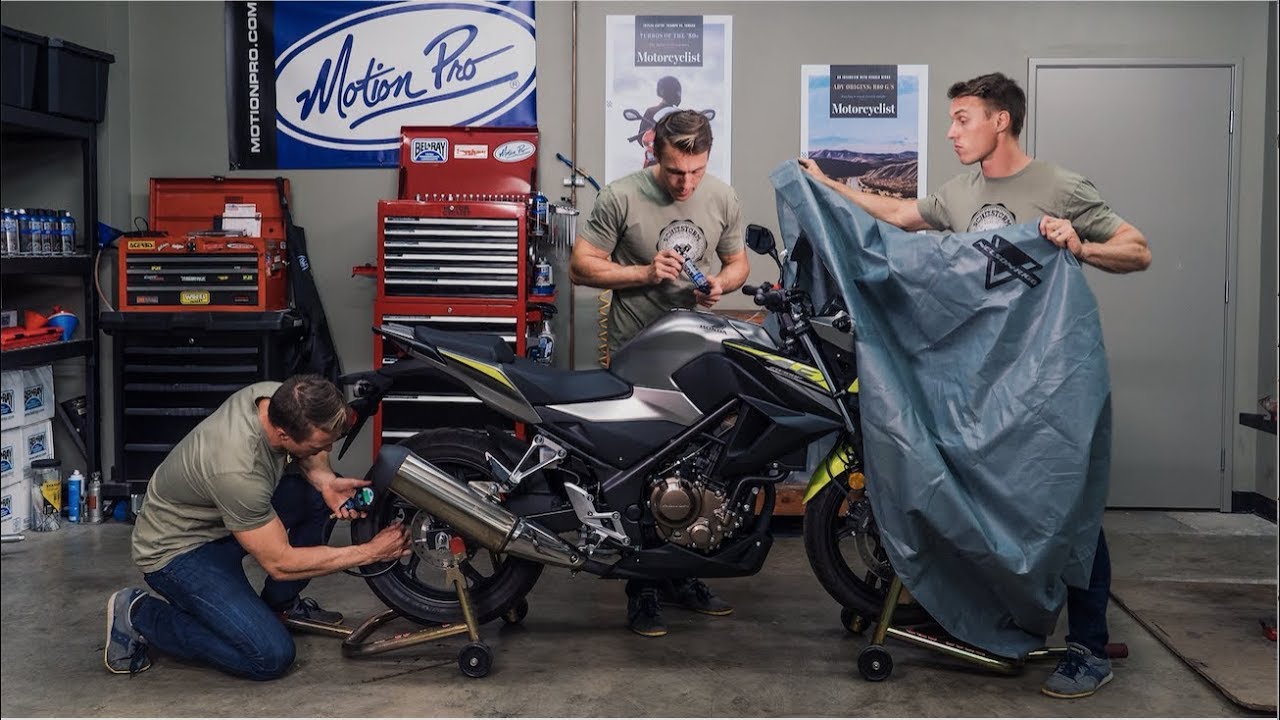
Motorcyclist Magazine: How to Winterize Your Motorcycle | MC Garage
Close the storage record after the first inspection
Record what was actually checked, not just that the motorcycle started. Include any fuel replacement, battery service, leaks repaired, and abnormal observations. If testing was needed, retain the readings and their conditions with the work order. This creates a useful comparison for the next storage period and supports a clear warranty discussion if a component is later replaced.
A workshop should keep removed components identified until diagnosis is complete. Photograph contamination or damaged fittings before cleaning changes the evidence. If the motorcycle runs normally and no fault has been established, do not replace the module merely to reset its age. Maintenance decisions should follow the manufacturer’s instructions and measured condition.
FAQ
Should every motorcycle fuel tank be drained for winter?
No. Storage instructions differ by motorcycle and application. Use the exact model’s manual to decide whether fuel should remain, be treated where permitted, or be drained through a specified procedure.
Does a silent pump after storage prove that it failed?
No. Check battery condition, supply, control conditions, and the prescribed operating sequence. Sound alone cannot establish pressure, flow, or the cause of a no-start.
Can fuel stabilizer repair an already faulty pump?
A treatment is not a substitute for diagnosis or repair. Use additives only within the motorcycle manufacturer’s guidance and investigate contaminated fuel, leakage, and delivery faults separately.
Which details matter when ordering a replacement module?
Provide the exact vehicle identity, original assembly number, visible connection details, and confirmed test findings. Request application confirmation instead of relying on appearance or a broad compatibility claim.