E85 fuel pump compatibility requires documented fuel approval, sufficient delivery under the intended conditions, and compatibility with the complete vehicle fuel system. A pump that fits the tank or supplies enough gasoline is not automatically suitable for high-ethanol fuel. Confirm the exact pump or assembly reference, approved ethanol range, operating pressure and voltage, and the status of every affected hose, seal, connector, regulator, and injector before buying parts.
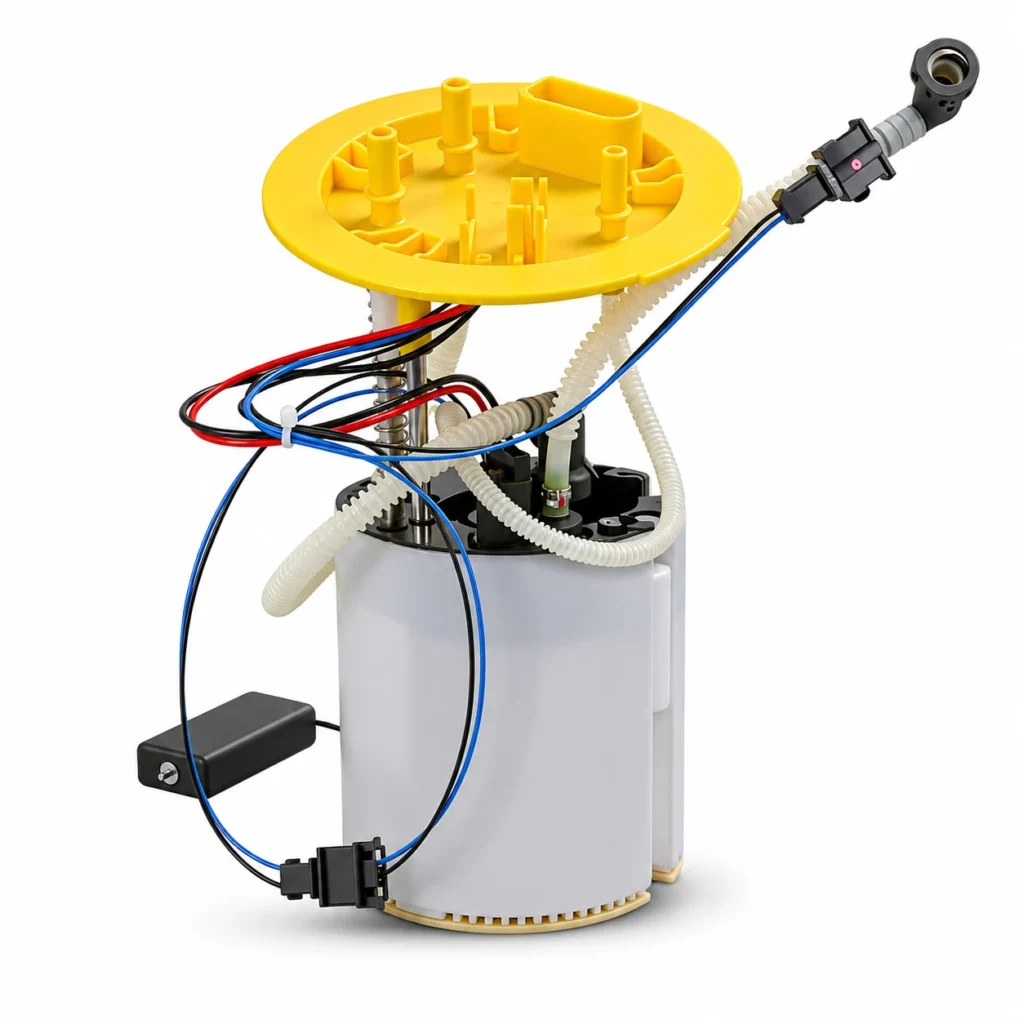
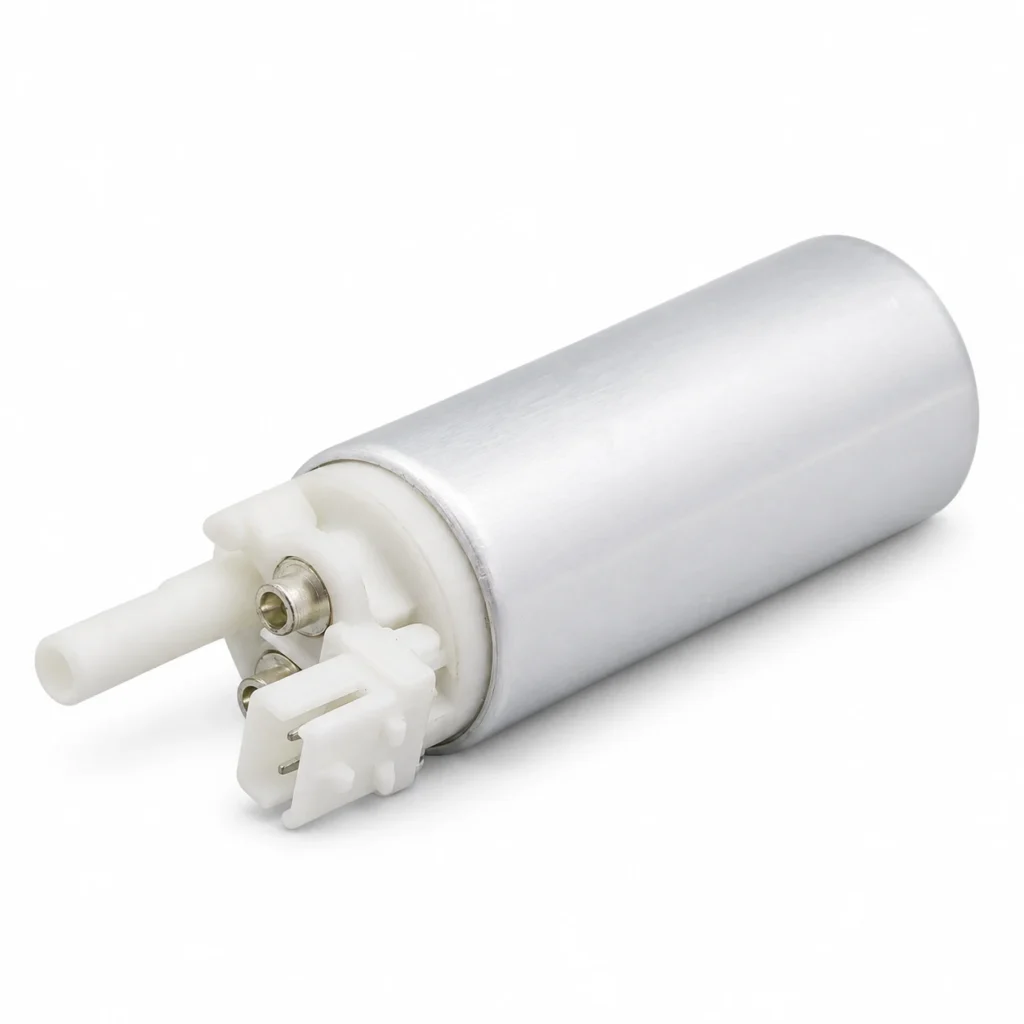
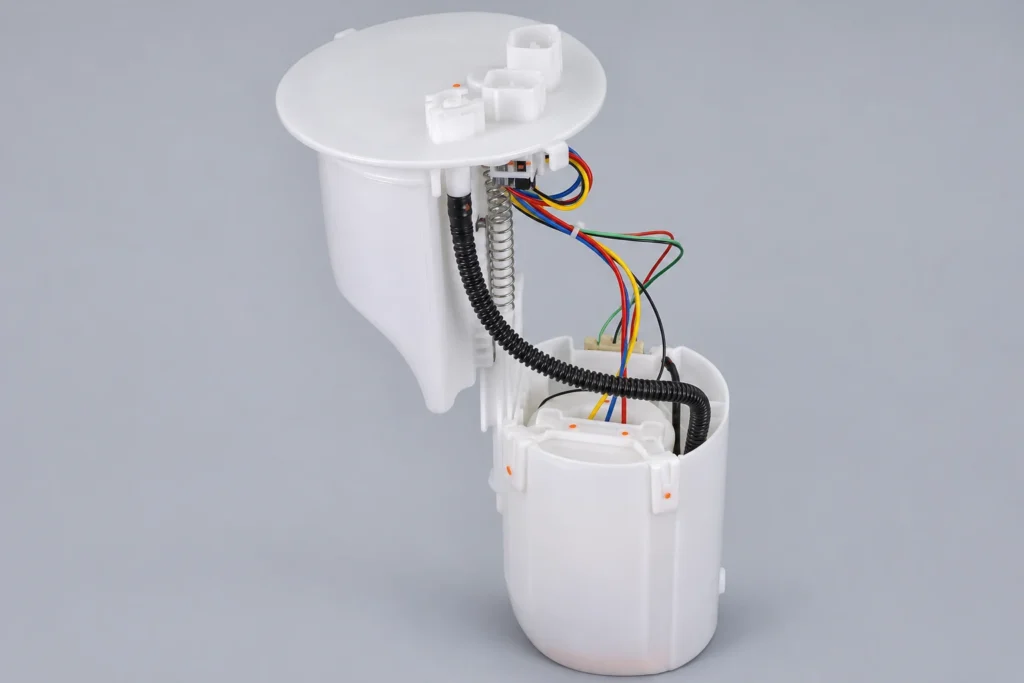
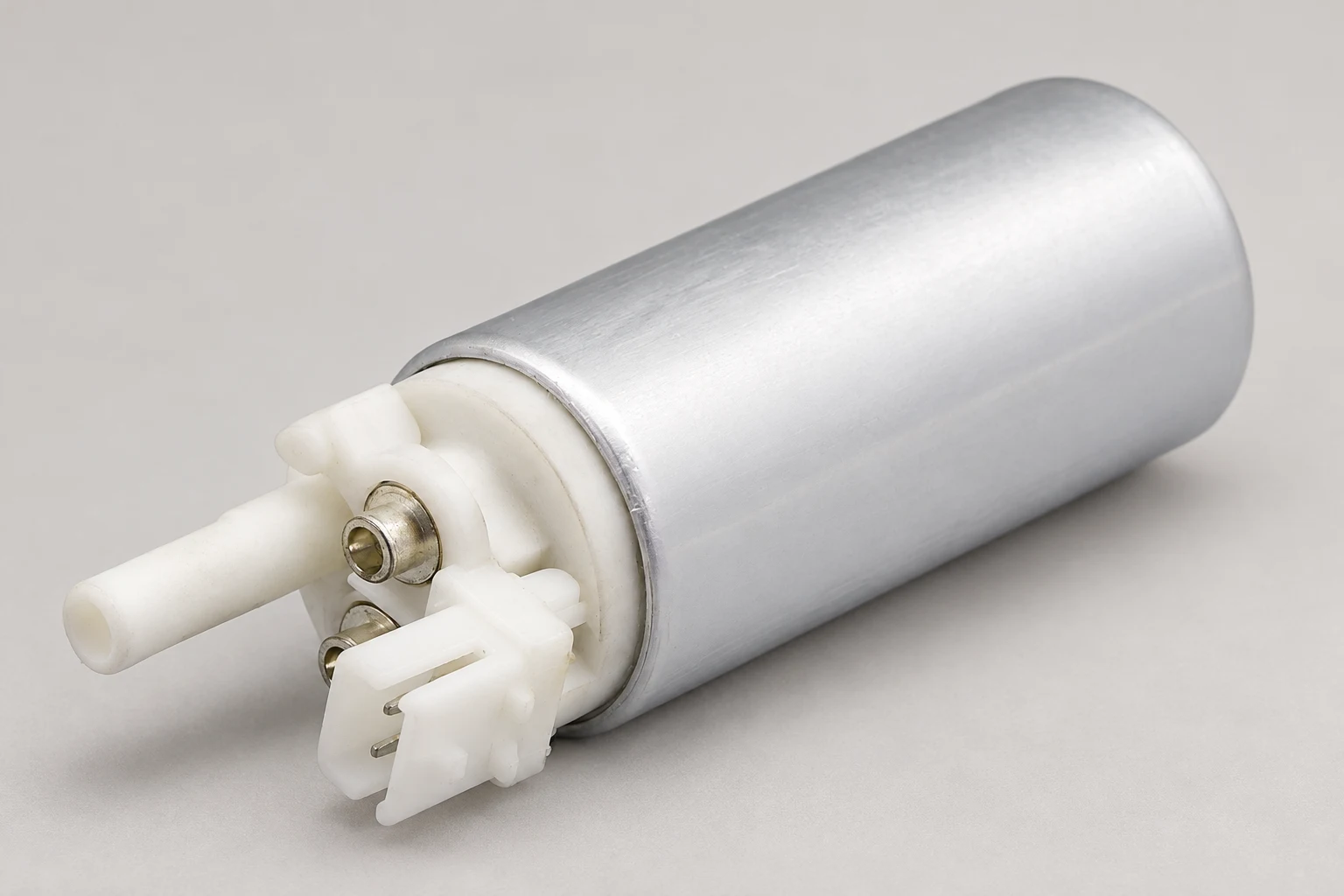
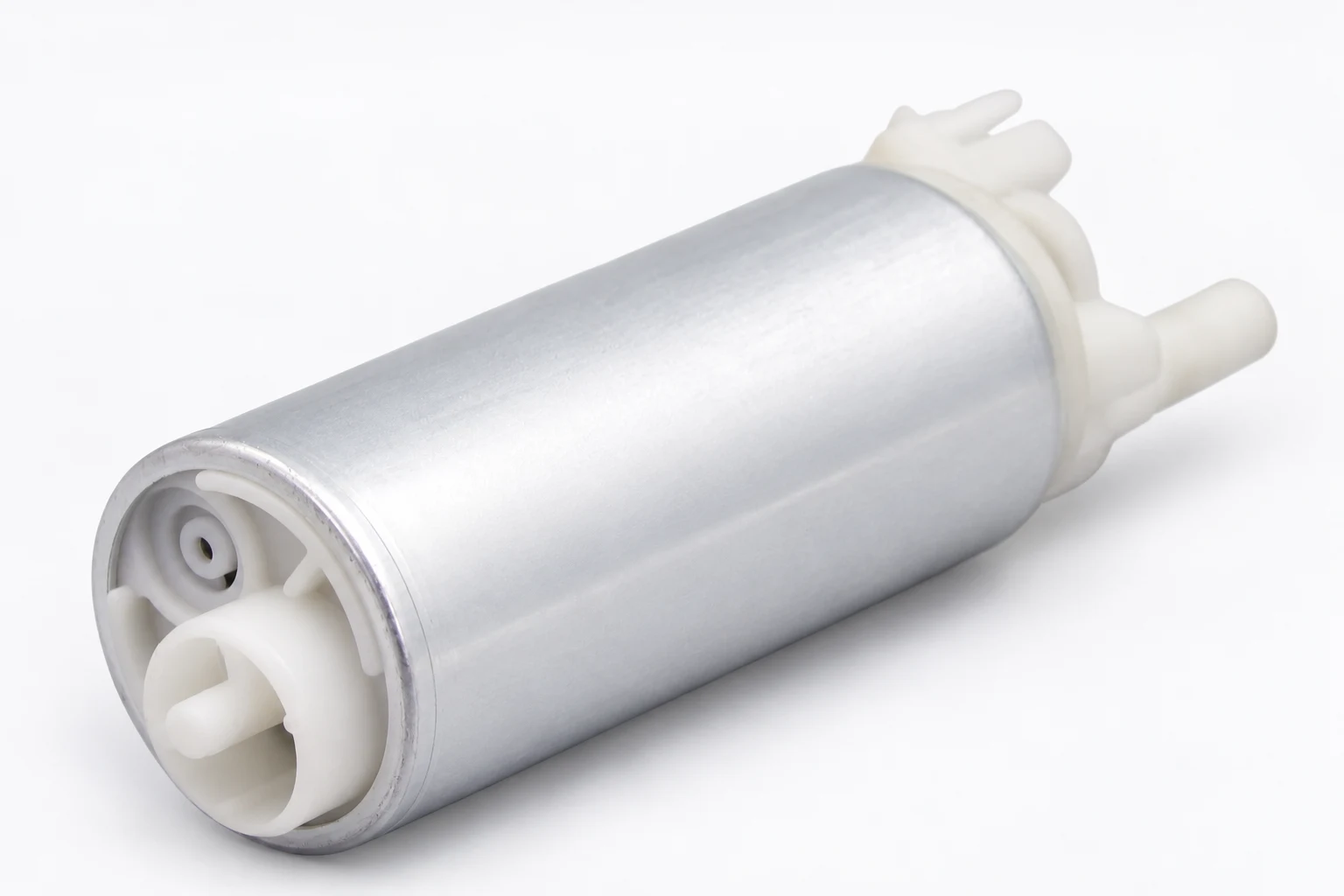
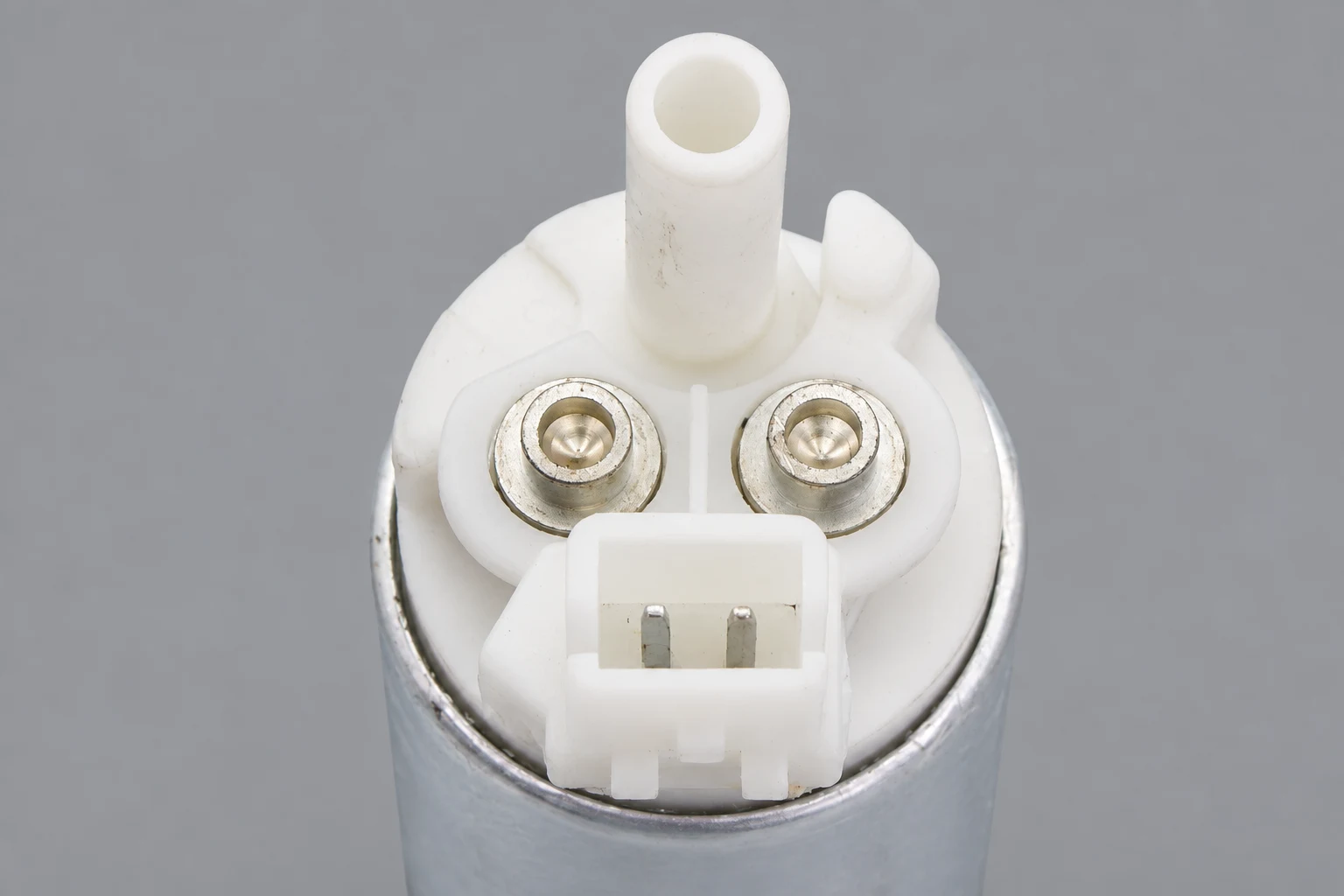
This guide explains how workshops, importers, and distributors can evaluate a compatibility claim. The product photographs illustrate identification points; they do not certify the pictured gasoline pump for E85.
Define the fuel before specifying the pump
E85 is a market name for a high-ethanol gasoline blend, not a guarantee that every tank contains exactly 85% ethanol. The U.S. Department of Energy’s E85 overview describes blends containing 51% to 83% ethanol, with composition varying by geography and season. It also explains that energy per gallon varies with the blend.
Write the intended fuel range in the specification. An E10 gasoline replacement, a flex-fuel vehicle operating across gasoline and E85 blends, and a competition application using a different ethanol formulation are different requirements. Do not treat the word ethanol as a complete fuel specification.
Identify the vehicle’s approved fuel separately from the replacement component’s approval. A pump supplier’s compatibility statement does not change what fuel the vehicle manufacturer allows. A whole vehicle requires suitable hardware and control calibration, not merely a pump carrying a high-flow description.
For a standard repair, confirm the vehicle identification, engine code, market version, and original part reference. If the vehicle is already a flex-fuel model, use its correct replacement application. If the intended work changes the approved fuel range, treat that as a complete engineering project rather than a routine pump substitution.
Physical fit is only one part of compatibility
A product image can establish visible features: overall housing, inlet and outlet arrangement, mounting interfaces, and electrical connections. It cannot establish internal material formulation, seal behavior after fuel exposure, brush and commutator suitability, or long-term performance in a particular blend.
That distinction matters when two pumps look alike. Similar dimensions, matching plug shapes, or a shared installation position do not prove identical materials or fuel approvals. Conversely, a visibly different housing is not a reliable guide to whether a product is ethanol-compatible. The exact documented part and application determine the answer.
Ask for a written statement tied to the current part number and revision. It should identify the intended fuel or blend range and any stated installation, operating, or maintenance limitations. A general sentence saying that a supplier manufactures ethanol-compatible products does not establish approval for every item in its catalog.
A practical E85 fuel pump compatibility checklist
| Requirement | Evidence to request | What is insufficient | Decision before ordering |
|---|---|---|---|
| Fuel approval | Current written approval for the exact part and intended ethanol range | A generic gasoline description or an unverified E85 badge | Confirm the documented blend scope |
| Fuel-wetted components | Assembly-level approval or clearly defined approval for affected components | Approval for only the metal outer shell | Identify any seals, hoses, or other items outside the approval |
| Delivery capability | Relevant flow-versus-pressure evidence at stated voltage, fuel, and temperature conditions | A free-flow number without test conditions | Compare against the application’s actual requirement |
| Electrical compatibility | Current and control information for the intended operating range | Assuming the original circuit supports every higher-output pump | Verify wiring, terminals, protection, and controller requirements |
| Vehicle integration | Correct application or a documented complete-system engineering specification | A pump that physically fits the tank | Confirm fuel, control, regulator, injector, and installation compatibility |
| Traceability | Part revision, approval document, applicable test report, and supply-batch identification | A screenshot without an identifiable product reference | Keep an auditable record with the purchase |
This table is a purchasing and verification framework. It does not prescribe a certification scheme or declare any specific product approved. Where the supplier cannot provide the required evidence, leave the item unconfirmed rather than converting an assumption into a stock description.
Material approval and delivery capacity answer different questions
A pump may be compatible with a fuel chemically yet fail to supply the required quantity at the application’s operating pressure. A pump may also provide sufficient flow during a short test without having suitable materials for the intended fuel exposure. Both questions must be answered.
The DOE publication Fuel system components for ethanol-compatible vehicles identifies compatible in-tank materials and adequate fuel flow as requirements for the pump assembly. It also identifies fuel-system wiring and other components that require consideration. This supports a system-level review rather than a pump-only claim.
Do not apply a universal percentage increase to every gasoline flow rating. The required delivery depends on the actual fuel, engine demand, pressure, and calibration. Ask the engine or system engineer for the relevant duty requirement, then compare it with the pump’s documented performance under matching conditions.
Our fuel pump capacity guide explains why pressure and test conditions matter. Keep units consistent and distinguish free-flow data from delivery at operating pressure. Also confirm whether a published curve was measured with the intended fuel or with another test liquid.
Check available voltage and current under the intended conditions. A higher-output pump can require a circuit review, including the controller, relay where applicable, wire, connectors, and protection. Do not increase the fuse rating as an improvised way to accommodate a new pump. Use a documented electrical design suitable for the application.
Review the complete fuel path
Hoses, seals, and internal assembly parts
Confirm compatibility for the parts actually exposed to the fuel. A pump element approval does not automatically cover the module’s internal hose, strainer, seals, level-sender components, or replacement accessories. Ask what the approval includes and which parts must be supplied separately.
Do not select elastomers from a generic material-name chart alone. Compound formulation and the component manufacturer’s validated application matter. A broad label such as rubber or plastic cannot establish compatibility, and appearance cannot reveal the compound used in an installed seal.
The DOE Handbook for Handling, Storing, and Dispensing E85 and Other Ethanol-Gasoline Blends explains that ethanol blends can affect metals and nonmetallic materials. Much of the handbook concerns storage and dispensing infrastructure; its material discussion is background, not an approval list for automotive replacement pumps.
Regulation, return layout, and control
Identify whether the vehicle uses a return-type system, mechanical returnless regulation, or electronic pump control. A new pump must work with the specified arrangement. A high headline flow number does not establish that the existing regulator and control system will manage the replacement correctly.
Use our return versus returnless system guide for the layout distinction. If the project changes fuel or delivery requirements, review the whole arrangement rather than mixing individually attractive components without a complete specification.
Injection and engine calibration
Fuel delivery does not end at the pump outlet. The injectors, relevant fuel-pressure stages, control strategy, and calibration must support the intended fuel and operating conditions. A compatible pump cannot by itself make a gasoline-only vehicle a flex-fuel vehicle.
The DOE flex-fuel vehicle explanation describes special compatible components and engine-control calibration. Confirm the vehicle’s own fuel approval and service information before making a change. Do not infer a conversion procedure from a product listing or an educational video.
How to write a useful supplier inquiry
Start with the exact application and original part number. State whether the purchase is a replacement for an existing approved flex-fuel vehicle or a component for an engineered project. Specify the intended ethanol range, required delivery conditions, electrical system, installation arrangement, and whether the order is for a bare pump or complete assembly.
Request the compatibility statement and relevant performance information for that exact item. If approval belongs to a family of products, ask how the offered part and revision are included. Keep the response with the purchase record so the claim is not lost when a stock item is reordered.
For example, the Kangsong C/K application electric gasoline pump listing supplies a specific catalog reference and product photographs. The gasoline listing and images are not evidence of E85 approval. Obtain explicit confirmation for the intended fuel before considering that or any other gasoline pump for a high-ethanol application.
For broader sourcing, the Kangsong OEM fuel pump manufacturer page is a business inquiry starting point. Provide the engineering requirement and request documented confirmation; do not presume that every catalog assembly shares the same material or fuel scope.
Verify the approved installation without inventing a durability test
After selection, use the vehicle and component installation procedures. Check the specified fuel pressure, delivery, electrical behavior, sealing, and diagnostics. A brief idle run cannot validate long-term chemical compatibility, while a material approval does not eliminate the need for correct installation and operational checks.
Do not soak an unverified pump in an open container or run it dry to create an informal approval test. Fuel handling, exposure testing, and durability qualification require suitable facilities and a defined method. Record unresolved compatibility questions before the item is installed or advertised for that fuel.
Watch: how ethanol differs from gasoline
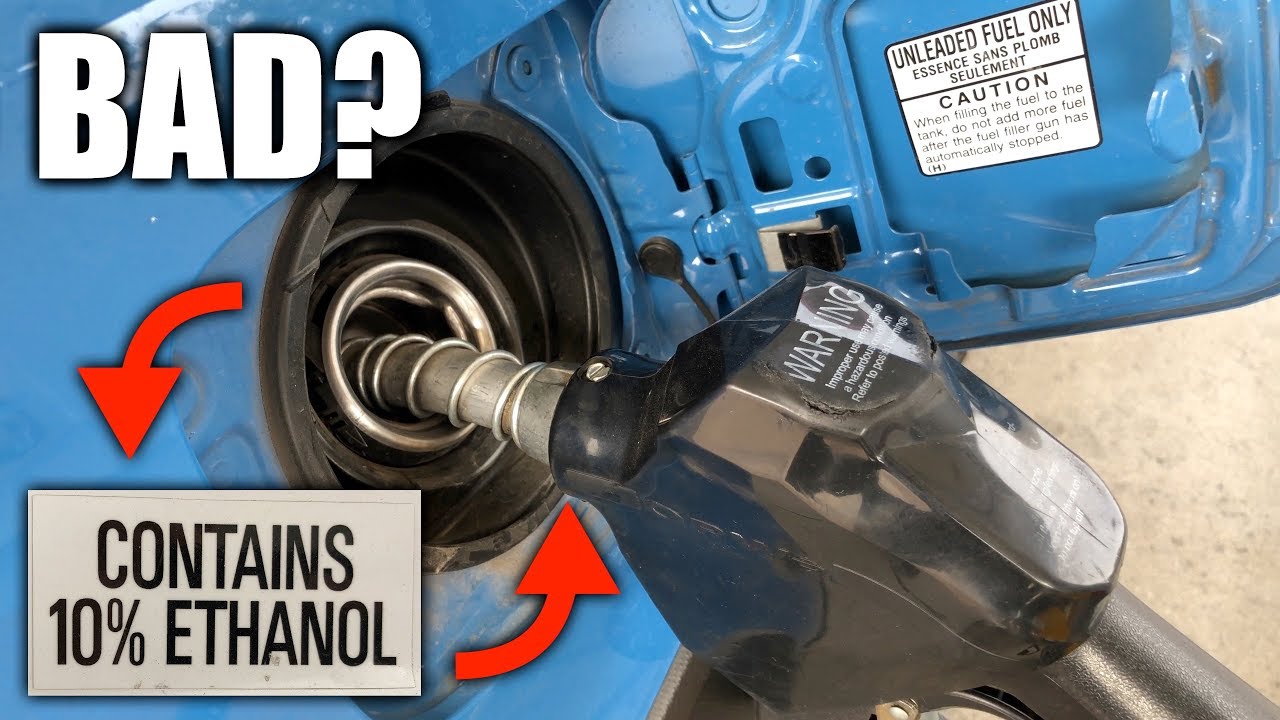
Engineering Explained’s educational video discusses ethanol fuels and engine considerations. It provides background on the fuel differences; it does not certify the pictured pump, authorize a vehicle conversion, or replace the compatibility documents requested above.
Watch the ethanol explanation on YouTube.
Frequently asked questions
Is every electric gasoline fuel pump compatible with E85?
No. Confirm written approval for the exact pump or assembly and intended ethanol range. Physical fit or a gasoline description is not sufficient evidence.
Does a high-flow rating prove E85 compatibility?
No. Delivery performance and material compatibility are separate requirements. The pump must meet both under the specified application conditions.
Does an E85-approved pump make the whole vehicle E85-compatible?
No. The vehicle’s fuel approval, fuel-wetted components, injectors, pressure control, electrical system, and engine calibration must also be suitable.
Can product photographs establish the fuel rating?
No. Photos help identify visible interfaces and structure. Fuel compatibility requires documentation tied to the exact product and its approved conditions.